Cane Corso exercise is crucial for their well-being, requiring structured routines and mental stimulation. This guide provides essential community-tested tips for happy, healthy Cane Corsos, focusing on owner engagement and breed-specific needs to prevent common issues.
Thinking about how to keep your impressive Cane Corso happy and well-behaved? You’re not alone! Many new Cane Corso owners wonder just how much exercise their powerful pup needs. It’s easy to feel a little overwhelmed, but the good news is that understanding your Cane Corso’s exercise needs is simpler than you might think. With the right approach, you can ensure your furry friend is a calm, confident, and joyful member of the family. We’ll walk you through practical, community-approved tips to get you started on the right paw. Get ready to discover how to make exercise a positive and engaging part of your Cane Corso’s life!
Why Cane Corso Exercise is So Important
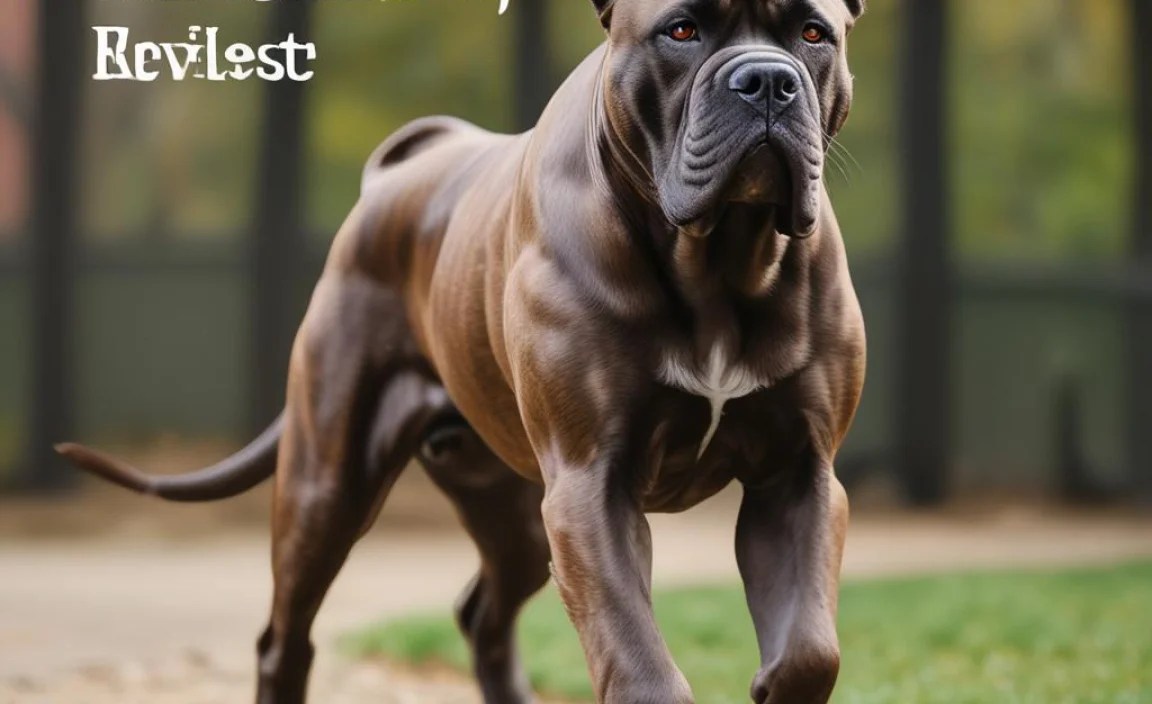
Cane Corsos are a breed known for their strength, intelligence, and protective instincts. Originally bred as guard dogs and estate protectors, they possess a natural energy that needs a healthy outlet. Without adequate physical and mental stimulation, these tendencies can manifest in less desirable ways, such as excessive barking, destructive behavior, or anxiety. Regular, appropriate exercise is not just about tiring them out; it’s about meeting their breed-specific needs and building a strong bond with them.
Think of exercise as a fundamental pillar of a well-adjusted Cane Corso. It helps to:
- Develop strong muscles and maintain a healthy weight.
- Prevent boredom and its associated behavioral problems.
- Improve their overall mood and reduce stress.
- Build confidence and reduce reactivity.
- Strengthen the owner-dog relationship through shared activities.
This breed thrives on having a “job,” and structured exercise can fulfill that innate desire to be active and engaged. It’s about channeling their power and intelligence into positive outlets.
Understanding Your Cane Corso’s Exercise Needs

The Cane Corso is an athletic breed that generally requires a good amount of daily activity. While they aren’t hyperactive dogs that need to run for hours on end, they do need consistent and varied exercise to stay physically and mentally healthy. A typical adult Cane Corso will benefit from at least 1-2 hours of exercise per day. This can be broken down into several shorter sessions throughout the day.
Factors influencing exercise needs include:
- Age: Puppies have different needs than adult or senior dogs. Over-exercising a puppy can harm their developing joints.
- Health: Any underlying health conditions will impact how much exercise your dog can safely handle. Always consult your veterinarian.
- Temperament: Some Cane Corsos are naturally more energetic than others.
- Environment: Dogs living in environments where they can roam safely may need less structured outings than apartment dwellers.
It’s a balancing act to provide enough stimulation without overdoing it, especially for younger dogs. A calm and well-exercised Cane Corso is often a contented Cane Corso.
Essential Cane Corso Exercise Routines: Community Tips

The Cane Corso community has developed many effective ways to keep these impressive dogs happy and healthy. The consensus leans towards a combination of physical exertion and mental challenges. Here are some tried-and-true methods shared by experienced Cane Corso owners:
1. Structured Walks: The Foundation
Daily walks are non-negotiable for a Cane Corso. However, these shouldn’t just be passive strolls. They need to be structured and engaging.
- Duration: Aim for at least two 30-45 minute walks per day.
- Pace: Vary the pace – include brisk walking periods.
- Purpose: Make walks a training opportunity. Practice loose-leash walking, “sit” at intersections, and ignoring distractions.
- Nose Work: Allow your dog to sniff and explore their environment. This mental stimulation is as important as the physical activity.
- Leash Etiquette: Always use a sturdy, reliable leash and a well-fitting collar or harness suitable for a large, strong breed. A front-clip harness can be excellent for managing pulling.
A vital resource for understanding canine body language and ensuring safe interactions on walks is the American Veterinary Medical Association’s (AVMA) Animal Behavior resources. Understanding subtle cues can prevent misunderstandings and ensure a positive experience for both you and your dog.
2. Running and Jogging: For the Energetic
Once your Cane Corso is physically mature (typically around 18-24 months, consult your vet), controlled running can be a great exercise. Ensure their joints are fully developed before introducing sustained impact.
- Gradual Introduction: Start with short jogging intervals mixed with walking.
- Surface Matters: Softer surfaces like grass or trails are easier on joints than concrete.
- Hydration: Always carry water, especially in warmer weather.
- Listen to Your Dog: Watch for signs of fatigue or discomfort.
3. Playtime: Fun and Engaging
Interactive play burns energy and strengthens your bond. Cane Corsos often enjoy games that involve a bit of a chase or retrieving.
- Fetch: Use durable toys like rubber balls or sturdy ropes.
- Tug-of-War: This can be a great way to engage their strength, but always establish rules: no biting hands, and the game stops if they become too rough.
- Flirt Pole: A flirt pole can be an excellent tool for controlled bursts of activity and chasing.
4. Swimming: A Low-Impact Option
Many dogs instinctively love water, and swimming is a fantastic, low-impact exercise that is easy on their joints. It’s a great option for older dogs or those with joint issues.
- Safety First: Always supervise your dog around water. Not all Cane Corsos are natural swimmers; some may need a dog life vest.
- Access: Look for dog-friendly beaches, lakes, or even secure ponds.
- Aftercare: Rinse your dog thoroughly with fresh water after swimming in salt or chlorinated water to prevent skin irritation.
5. Hiking and Outdoor Adventures
Exploring new trails can be mentally stimulating and physically beneficial. It offers a rich sensory experience for your dog.
- Leash is Key: Keep your Cane Corso leashed, especially in areas with wildlife or other dogs encountered unexpectedly.
- Stamina Building: Start with shorter hikes and gradually increase duration and difficulty.
- Pack Essentials: Carry water, a bowl, waste bags, and a first-aid kit.
Mental Stimulation: The Other Half of the Equation

A Cane Corso’s intelligence means they need mental workouts just as much as physical ones. A bored Cane Corso can become a mischievous Cane Corso. Mental stimulation helps them to:
- Develop problem-solving skills.
- Reduce frustration and anxiety.
- Feel satisfied and less likely to seek out destructive behaviors.
- Enhance their focus and trainability.
Here are some community-favorite mental stimulation activities:
1. Puzzle Toys and Food Dispensing Toys
These toys require your dog to figure out how to get treats out, providing a rewarding challenge.
- Examples: Kongs, treat balls, interactive feeders.
- Use: Fill them with kibble or healthy treats. This can be a great way to slow down fast eaters and provide mental work during meal times.
2. Training Sessions
Regular training, even short sessions, is a powerful mental exercise. It reinforces commands and introduces new skills.
- Keep it Fun: Use positive reinforcement with high-value treats and praise.
- Variety: Practice basic obedience, introduce new tricks, or engage in agility work.
- Consistency: Short, daily sessions are more effective than infrequent long ones.
3. Scent Games
Harnessing your dog’s incredible sense of smell can be incredibly engaging. You can hide treats around the house or yard and encourage your dog to find them.
- Start Simple: Begin by hiding a treat in plain sight and encouraging your dog to “find it.”
- Increase Difficulty: Gradually hide treats in more challenging locations.
- Professional Training: Consider nose work classes, which are excellent for engaging a dog’s natural instincts. The American Kennel Club (AKC) offers resources on Nose Work for dogs.
4. Chew Toys
Providing appropriate chew toys allows dogs to engage in a natural, oral, and often mentally satisfying behavior. Ensure they are durable and safe for a strong chewer.
- Durable Options: Look for toys made of hard rubber or nylon specifically designed for power chewers.
- Supervision: Always monitor your dog to ensure they aren’t breaking off pieces they could swallow.
Exercise Gear for Cane Corsos
To ensure safe and effective exercise, having the right gear is essential. Cane Corsos are strong dogs, so durability and safety are paramount.
Must-Have Gear:
- Durable Leash: A 6-foot, thick nylon or leather leash is ideal.
- Sturdy Harness or Collar: A front-clip harness can help manage pulling effectively. A well-fitted, wide collar is also an option if your dog doesn’t pull excessively.
- High-Quality Food/Water Bowls: Especially for on-the-go hydration. Collapsible bowls are great for travel.
- Chew Toys: Specifically designed for power chewers (e.g., Nylabone, KONG Extreme).
- Treat Pouch: For rewarding good behavior during training and walks.
- Waste Bags: Always be prepared to clean up after your dog.
- Dog Booties (Optional): Useful for protecting paws from extreme heat, cold, or rough terrain.
- Dog Life Vest (Optional): If you plan on swimming with your dog, this is a crucial safety item.
When selecting harnesses, consider options that distribute pressure evenly. Brands like Kurgo or Ruffwear offer robust choices. For more information on leashes and harnesses, the Humane Society of the United States often has helpful advice on selecting safe and comfortable gear for dogs.
Important Considerations for Cane Corso Owners
Beyond the routines, there are a few key things every Cane Corso owner should keep in mind regarding exercise and well-being.
1. Heat Sensitivity
Cane Corsos, like many brachycephalic or thick-coated breeds, can be sensitive to heat. Their dense coats and sometimes restricted airways can make them prone to overheating.
- Avoid Peak Hours: Schedule exercise for cooler parts of the day – early morning and late evening – during warmer months.
- Hydration: Always ensure fresh, cool water is available.
- Recognize Signs: Excessive panting, drooling, lethargy, or staggering can indicate heatstroke. If you notice these, move your dog to a cool place immediately and seek veterinary attention.
2. Joint Health
As a large breed, Cane Corsos are susceptible to joint issues like hip and elbow dysplasia. This makes proper exercise crucial throughout their lives.
- Puppy Exercise: Avoid excessive high-impact activities or long-distance running with puppies.
- Weight Management: Maintaining a healthy weight is one of the best ways to reduce stress on joints.
- Nutrition: Discuss joint-supporting supplements with your veterinarian.
The Cornell University College of Veterinary Sciences offers extensive research and resources on canine orthopedic health that can provide deeper insights.
3. Socialization
While not strictly exercise, proper socialization is deeply intertwined with how a dog exhibits their energy and interacts with the world. Early and ongoing positive socialization helps prevent fear-based reactivity, which can be exacerbated by pent-up energy.
- Introduce Gradually: Expose your puppy to various sights, sounds, people, and well-behaved dogs in a positive and controlled manner.
- Safe Encounters: Ensure interactions are positive and not overwhelming.
- Ongoing Process: Socialization isn’t just for puppies; continuing positive exposure throughout their lives is beneficial.
4. Consistency is Key
The most effective exercise plans are consistent. A Cane Corso thrives on routine, and regular exercise helps them feel secure and predictable.
- Daily Habits: Aim for daily exercise, even if the intensity or duration varies.
- Weather Adjustments: Have indoor alternatives ready for bad weather days (e.g., training games, puzzle toys).
A Sample Weekly Exercise Plan for an Adult Cane Corso
This is a sample plan and should be adjusted based on your individual dog’s needs, age, health, and stamina. Always consult with your veterinarian.
| Day | Morning (approx. 30-45 min) | Afternoon (approx. 15-20 min) | Evening (approx. 30-45 min) | Mental Stimulation Focus |
|---|---|---|---|---|
| Monday | Brisk walk, focus on loose-leash training | Short fetch session in the yard | Leisurely walk, allowing extra sniff time | Puzzle toy with dinner |
| Tuesday | Jogging intervals mixed with walking (if dog is mature and approved by vet) | Basic obedience review | Walk on a new route | Hide-and-seek treat game |
| Wednesday | Longer, steady walk | TUG-OF-WAR (with rules) | Walk focusing on ‘sit’ at intersections | Food dispensing toy |
| Thursday | Brk walk, practice heeling | Short play session, maybe a flirt pole | Park visit with controlled socialization (if appropriate) | “Find it” game with owner |
| Friday | Hiking/Trail walk (if accessible and dog is conditioned) | Relaxation/Gentle petting | Moderate walk | New trick training |
| Saturday | Longer walk or swim (if available and suitable) | Free play in a safe, enclosed area | Leisurely walk, allowing exploration | Puzzle feeder for breakfast |
| Sunday | Moderate walk, focus on calmness | Short training session: recall practice | Gentle walk or rest | Chew toy session |
Frequently Asked Questions About Cane Corso Exercise
Q1: How much exercise does a Cane Corso puppy need?
Cane Corso puppies need exercise, but it’s crucial to avoid overexertion as their joints are still developing. Aim for about 5 minutes of formal exercise per month of age, twice a day. For example, a 4-month-old puppy could have two 20-minute play sessions or walks daily. Socialization and basic training count as mental exercise and are very important at this age.
Q2: Can a Cane Corso be left alone for long periods?
Cane Corsos are social dogs and bond closely with their families. While they can learn to tolerate being alone for short periods, they are not typically suited for long hours left unsupervised. Extended isolation can lead to anxiety, boredom, and destructive behaviors. If you must be away, ensure they have had sufficient exercise and mental stimulation beforehand, and consider providing puzzle toys or chew items.
Q3: Is running with a Cane Corso safe?
Running with a Cane Corso can be safe and beneficial, provided certain conditions are met. The dog must be physically mature (typically 18-24 months, consult your vet), have no underlying joint conditions, and be conditioned gradually. Always start with shorter distances and monitor for signs of fatigue. Avoid running on hard surfaces like concrete for extended periods, and always carry water.


