Cane Corso exercise doesn’t always involve strict rules, but understanding your dog’s needs, breed tendencies, and safe practices ensures a happy, healthy companion. This guide breaks down essential “laws” of Cane Corso exercise for beginners, focusing on appropriate activities, safety, and well-being.
Cane Corsos are powerful, intelligent dogs with a rich history as guardians. When it comes to their exercise, it’s less about strict regulations and more about understanding their natural instincts and physical requirements. Many new Cane Corso owners wonder about the “rules” for exercising this impressive breed. It can feel overwhelming to know just how much activity is enough or what’s safe for your growing pup.
But don’t worry! This guide is here to simplify everything. We’ll walk you through the essential “laws” of Cane Corso exercise, making sure your big, lovable dog stays happy, healthy, and well-behaved. We’ll cover everything from daily walks to mental stimulation, so you can feel confident in your approach.
Understanding Your Cane Corso’s Exercise Needs

Cane Corsos are a large, muscular breed originally bred for guarding property and livestock. This means they have a natural athleticism and a need for regular physical and mental activity. Without adequate exercise, they can become bored, leading to destructive behaviors or even anxiety. The “laws” of Cane Corso exercise revolve around meeting these fundamental needs responsibly.
The Foundation: Daily Activity is Non-Negotiable
For any dog, daily exercise is crucial. For a Cane Corso, it’s even more so. Think of it as their daily dose of well-being. This isn’t just about burning off energy; it’s vital for their physical health, mental sharpness, and overall temperament. A well-exercised Cane Corso is a calm, happy, and obedient companion.
- Physical Health: Regular exercise keeps their joints healthy, helps manage weight, strengthens their cardiovascular system, and promotes good muscle tone.
- Mental Stimulation: Exploring new sights, sounds, and smells on walks, or engaging in training, keeps their intelligent minds active and prevents boredom.
- Behavioral Stability: A tired dog is a good dog! Sufficient exercise reduces the likelihood of destructive chewing, excessive barking, or other behavioral issues stemming from pent-up energy.
Age-Appropriate Exercise: The Growth Phase
It’s crucial to tailor exercise to your Cane Corso’s age, especially during their puppy and adolescent stages. Their large breed bones and joints are still developing, and over-exercising can lead to serious long-term health problems, like hip dysplasia.
- Puppies (under 1 year): Focus on short, frequent play sessions and gentle walks. Avoid strenuous activities like long-distance running or jumping from heights. A good rule of thumb for walks is 5 minutes per month of age, twice a day. For example, a 4-month-old puppy should have about 20 minutes of walking per session.
- Adolescents (1-2 years): As they mature, you can gradually increase the duration and intensity of exercise. They’ll have more stamina, but their bones are still hardening. Continue to monitor for signs of fatigue.
- Adults (2+ years): Once fully grown and mature, Cane Corsos can handle more robust exercise routines.
The “Law” of Consistency: Routine is Key
Just like with feeding, consistency in exercise is vital. Aim for a daily routine that your Cane Corso can rely on. This predictability helps them feel secure and understand what to expect.
- Morning Exercise: A good walk to start the day can set a calm tone for the rest of the morning.
- Afternoon/Evening Activity: A second walk or play session can help burn off any residual energy before bedtime.
- Weekend Adventures: Incorporate longer outings or new activities on days when you have more time.
Essential Cane Corso Exercise Activities
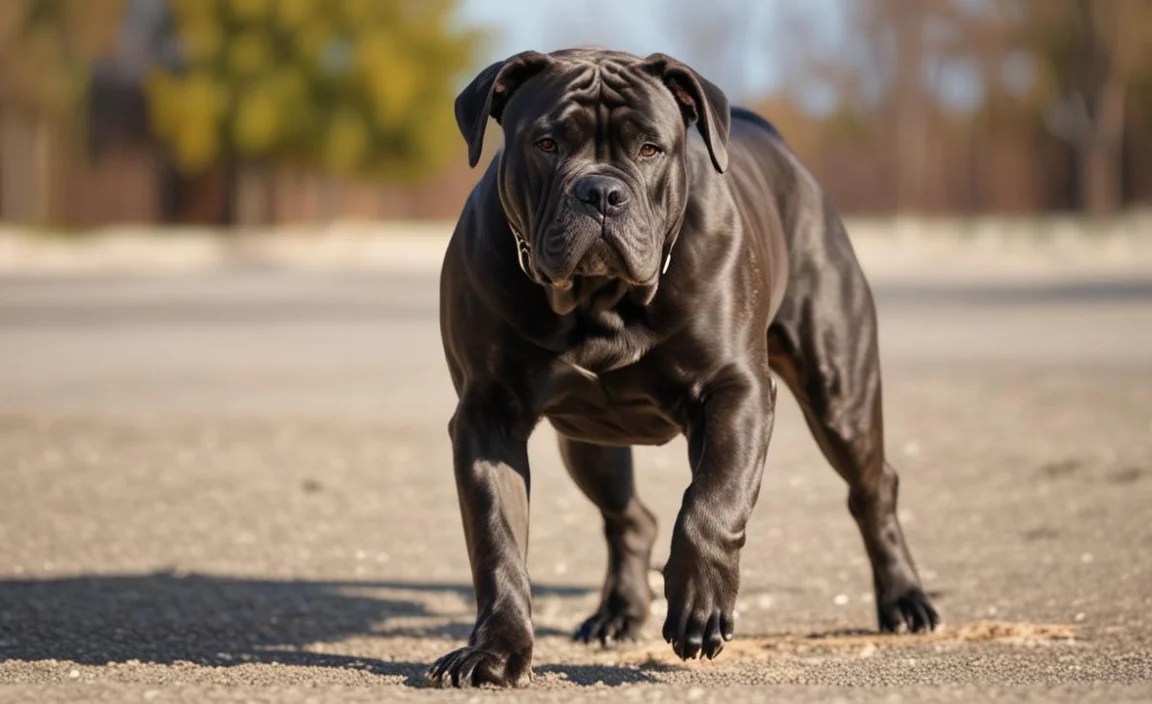
The “laws” of Cane Corso exercise emphasize variety and engagement. It’s not just about one type of activity; blending different forms of exercise will keep your dog both physically fit and mentally stimulated.
1. The Power Walk
This is the cornerstone of Cane Corso exercise. A brisk walk gets their blood pumping, their minds engaged, and their bodies moving. For an adult Cane Corso, aim for at least 30-60 minutes daily, ideally split into two sessions.
- Pace: The pace should be brisk enough that your dog is walking with purpose, not just sniffing every blade of grass leisurely.
- Leash Manners: Training your Cane Corso to walk politely on a leash is essential for safe and enjoyable walks. A front-clip harness or a well-fitting head halter can be great tools for control.
- Exploration: Vary your walking routes to expose your dog to new sights and smells. This adds a significant mental stimulation component to their physical activity.
2. Structured Play and Training Sessions
Cane Corsos are intelligent and thrive on mental challenges. Incorporating training into their exercise routine is a fantastic way to combine physical and mental stimulation.
- Obedience Training: Practicing basic commands like “sit,” “stay,” “come,” and “down” reinforces good behavior and builds your bond. Short, frequent sessions (5-10 minutes) are more effective than one long one.
- Agility (Beginner Level): Simple agility obstacles, like low jumps or tunnels, can be introduced carefully. Never force your dog; make it fun and rewarding.
- Nose Work/Scent Games: Hide treats around the house or yard and encourage your dog to find them. This taps into their natural scenting abilities and is a great mental workout.
3. Controlled Outings to Dog Parks or Socialization Areas
While socializing is important, it needs to be structured and safe, especially for a powerful breed like the Cane Corso. Not all Cane Corsos are naturally inclined to enjoy chaotic dog park environments. Observe your dog’s body language closely.
- Assess the Environment: Choose parks during off-peak hours or areas where you can supervise interactions closely.
- Supervise Interactions: Always watch your dog and other dogs for signs of stress or aggression. A large, boisterous dog park might not be suitable for every Cane Corso.
- Positive Encounters: Focus on quality over quantity. A few positive interactions with calm, well-behaved dogs are better than many stressful or overwhelming ones.
4. Water Activities (If Your Dog Enjoys It)
Some Cane Corsos enjoy swimming, which is excellent low-impact exercise for their joints. Always supervise your dog when near or in water, and ensure they have a safe way to enter and exit.
- Safety First: Ensure they wear a well-fitting dog life jacket.
- Gradual Introduction: Let them get used to water gradually. Don’t push them in.
- Check Water Quality: Be mindful of potential pollutants or strong currents.
Cane Corso Exercise: The Safety “Laws”

These next “laws” are about preventing injury and ensuring your Cane Corso’s well-being during their exercise routines. Safety should always be paramount.
1. Avoid Overexertion, Especially in Heat
Cane Corsos can overheat quickly due to their muscular build and sometimes shorter muzzles. Intense exercise in hot weather can lead to heatstroke, a serious medical emergency.
- Timing: Schedule strenuous activities for cooler parts of the day (early morning or late evening) during warm months.
- Hydration: Always carry fresh water for your dog and offer it frequently.
- Recognize Signs: Excessive panting, drooling, lethargy, bright red gums, vomiting, or disorientation are signs of overheating. Seek immediate veterinary attention if you notice these.
- Surface Temperature: Pavement can become extremely hot and burn paw pads. Check the temperature with your hand – if it’s too hot for you, it’s too hot for your dog.
2. Watch for Joint Strain
As a large breed, Cane Corsos are prone to orthopedic issues. While exercise is good for their joints, excessive or inappropriate exercise can exacerbate problems.
- Avoid High-Impact Activities Initially: Jumping from significant heights, repetitive high-impact jumping (like extreme frisbee), or forced long runs on hard surfaces are best avoided until your dog is fully mature and conditioned.
- Proper Conditioning: When introducing new activities, do so gradually to allow their muscles and joints to adapt.
- Listen to Your Dog: If your dog shows signs of stiffness, lameness, or reluctance to move, stop the activity and consult your veterinarian.
3. The Importance of Warm-Up and Cool-Down
Just like human athletes, dogs benefit from preparing their bodies for exercise and winding down afterward.
- Warm-Up (5-10 minutes): Start any moderate to strenuous exercise with a period of gentle walking or trotting to get blood flowing and muscles ready.
- Cool-Down (5-10 minutes): End exercise with a period of slow walking to allow heart rate and breathing to return to normal.
4. Secure Environment and Proper Gear
Ensuring your Cane Corso is safely contained and equipped is a crucial “law” of responsible ownership.
- Secure Yard: If exercising in your yard, ensure it’s securely fenced to prevent escapes. Cane Corsos are powerful diggers and jumpers. Check for any gaps or weaknesses in the fence.
- Sturdy Leash and Collar/Harness: Use a durable leash and a well-fitting collar or harness designed for strong breeds. For training purposes, a head halter can be effective for preventing pulling, but requires proper introduction.
- Identification: Ensure your dog wears an ID tag with current contact information, and consider microchipping.
Mental Stimulation: The Unspoken “Law”

Often overlooked, mental stimulation is just as important as physical exercise for the Cane Corso. A bored, under-stimulated Cane Corso can exhibit behaviors that are difficult to manage. Mental exercise tires them out just as effectively as physical exertion, often more so!
Interactive Toys and Puzzles
These are excellent tools to keep your dog’s mind engaged, especially when you can’t be physically active with them.
- Puzzle Feeders: Instead of feeding from a bowl, use puzzle toys that require your dog to work for their food. This can significantly increase mealtime engagement.
- Chew Toys: Durable, safe chew toys are essential for a Cane Corso. They satisfy the natural urge to chew and can prevent destructive behavior. Look for toys designed for strong chewers.
- Problem-Solving Toys: Toys that require your dog to manipulate them to get a treat inside provide great mental challenges.
Training and Trick Learning
Teaching new tricks or reinforcing obedience commands provides immense mental stimulation. The process of learning, focusing, and problem-solving is incredibly rewarding for a dog’s brain.
- New Commands: Teach “shake,” “roll over,” or “play dead.”
- Advanced Obedience: Work on “leave it,” “place,” or long “stays.”
- Clicker Training: This method of positive reinforcement is highly effective for teaching new behaviors and can be a fun mental workout for both of you.
Socialization and New Experiences
Controlled exposure to new environments, people, and well-behaved dogs provides valuable mental enrichment. This helps them become more confident and adaptable.
- Car Rides: Simply going for a ride and observing the world from the car window can be stimulating.
- Visiting New Parks: Exploring different walks or dog-friendly areas.
- Meeting New People: Controlled introductions to calm, dog-friendly individuals.
Cane Corso Exercise and Diet: A Balanced Approach

Exercise and diet go hand-in-hand for optimal health. Proper nutrition fuels their activity, and appropriate exercise helps them maintain a healthy weight, preventing obesity-related health issues.
Fueling Your Cane Corso
A high-quality diet formulated for large breeds is essential. This type of food typically has controlled levels of calcium and phosphorus, which are crucial for correct bone development in large breeds.
- Breed-Specific Needs: Consult your veterinarian about the best food for your Cane Corso’s age, activity level, and any specific health considerations.
- Portion Control: Follow feeding guidelines on the food packaging, but adjust based on your dog’s individual needs and activity level. Overfeeding can lead to weight gain, which puts extra stress on their joints.
- Treats in Moderation: Healthy treats can be used for training, but significant calorie intake from treats can add up. Factor them into your dog’s daily calorie consumption, and opt for low-calorie, healthy options.
Weight Management: The Exercise Connection
A key “law” of responsible ownership is maintaining a healthy weight for your Cane Corso. Being overweight can significantly impact their quality of life and lead to serious health problems.
- Body Condition Scoring: Learn how to assess your dog’s body condition. You should be able to feel their ribs without seeing them prominently, and they should have a visible waist when viewed from above.
- Regular Weigh-Ins: Some vets offer free weight checks, or you can weigh your dog at home if you have a suitable scale.
- Exercise Adjustment: If your dog is gaining weight, evaluate both their diet and exercise routine. Increasing activity and ensuring they aren’t overeating are key steps.
When to Re-evaluate Your Cane Corso’s Exercise Plan
Life happens, and so do changes in your dog’s life. It’s important to be flexible and adapt your Cane Corso’s exercise plan as needed.
Signs Your Dog Needs More (or Less) Exercise
Pay close attention to your dog’s behavior and physical cues.
- Signs of Under-Exertion: Destructive chewing, excessive barking, restlessness, pacing, difficulty settling down, or apparent boredom.
- Signs of Over-Exertion: Excessive panting post-exercise that doesn’t subside quickly, extreme fatigue, limping or stiffness, lack of enthusiasm for activities they once enjoyed, or changes in appetite.
Health Considerations and Veterinarian Consultation
Any underlying health condition can impact your dog’s ability to exercise.
- Arthritis or Joint Issues: Older Cane Corsos or those with diagnosed conditions may need gentler, shorter, more frequent activities, or even physically therapy. Consult your vet for specific recommendations.
- Illness or Injury: During periods of illness or recovery from injury, exercise should be significantly reduced or modified as directed by your veterinarian.
- Veterinary Check-ups: Regular veterinary check-ups are essential for monitoring your Cane Corso’s overall health, which will include discussions about their activity levels. Your vet is your best resource for personalized exercise advice.
Life Stage Changes
As your Cane Corso ages, their exercise needs will change.
- Puppyhood to Adulthood: Gradual increases in intensity and duration as they grow.
- Senior Years: Milder exercises, more rest periods, and focusing on gentle activities that keep them mobile and engaged without overdoing it.
Table: Recommended Daily Exercise for Adult Cane Corsos
| Activity Type | Duration | Frequency | Notes |
|---|---|---|---|
| Brisk Walk | 30-45 minutes | 1-2 times daily | Focus on pace and varied routes. |
| Structured Play (e.g., fetch, tug) | 10-15 minutes | 1-2 times during the week | Engages mentally and physically. |
| Training Sessions (obedience/tricks) | 5-10 minutes | Daily, multiple short sessions | Crucial for mental stimulation and behavior. |
| Mental Enrichment (puzzle toys, scent games) | 15-20 minutes | Daily | Can be done even when you’re busy. |
| Free Play (supervised in safe area) | Varies | As appropriate | Allow them to self-direct their activity. |
External Resource Link
For more in-depth information on breed-specific health and exercise considerations for large breeds like the Cane Corso, the American Kennel Club (AKC) offers valuable resources on breed standards, health, and care, including exercise recommendations.
Frequently Asked Questions About Cane Corso Exercise
Q1: How much exercise does a Cane Corso puppy need?
Cane Corso puppies need controlled


