Cane Corso exercise is crucial for their well-being and good behavior. This essential guide covers vital exercise needs, cool facts, and how to keep your Cane Corso happy, healthy, and well-behaved with practical tips and breed-specific insights.
Are you a proud owner of a Cane Corso and wondering just how much exercise your powerful guardian needs? It can be tough to figure out the right balance, especially when you see your big, beautiful Corso brimming with energy. Too little exercise can lead to boredom, destructive behaviors, or even health issues. Too much, especially at the wrong times, can also cause problems. But don’t worry! Keeping your Cane Corso happy and healthy through proper exercise is simpler than you might think.
In this guide, we’ll dive into the fascinating world of Cane Corso exercise. We’ll uncover some cool facts you might not know and provide you with an easy-to-follow plan. You’ll learn exactly what your Cane Corso needs to thrive, ensuring a well-behaved companion and a stress-free life for both of you. Let’s get started and unleash the best in your Cane Corso!
Cane Corso Exercise Cool Facts: Essential Guide

The Cane Corso is a magnificent breed, known for its strength, loyalty, and imposing presence. These dogs were originally bred in Italy to be all-around farm dogs, working to guard property, hunt large game, and herd livestock. Their history as working dogs means they possess a natural drive and a need for physical and mental stimulation.
Understanding their exercise requirements is key to managing this powerful breed. It’s not just about tiring them out; it’s about engaging their minds and bodies in ways that align with their heritage. Let’s explore some fascinating facts about Cane Corso exercise and what it means for you as an owner.
The Power Behind the Breed: Understanding Cane Corso Energy Levels

Cane Corsos are large, muscular dogs. They were bred to be athletic and capable of demanding work. This means they generally have high energy levels, especially when they are young and in their prime adult years. However, their energy needs aren’t just about running wild; they are about purposeful activity.
- Guard Dog Instinct: Their natural guarding instinct means they often have a steady reserve of energy to be alert and vigilant.
- Working Heritage: Bred for tasks like hunting boar, they possess stamina and require activities that challenge them physically.
- Mental Stimulation is Crucial: Just as important as physical exercise is mental engagement. A bored Cane Corso can become a destructive Cane Corso.
Cool Fact #1: They Are Not Marathon Runners by Nature

While Cane Corsos are powerful and athletic, you might be surprised to learn they aren’t typically built for extreme endurance like some other breeds. Their strength lies more in explosive power and agility for short bursts, rather than running for miles on end. Think of them more like guardians of their territory than long-distance runners.
This means long, grueling runs might not be the best primary form of exercise for them. Shorter, more intense bursts of activity, combined with mental challenges, are often more suitable and enjoyable for them.
Cool Fact #2: Early Socialization and Training Are Your Best Exercise Tools

This might seem counterintuitive, but proper socialization and basic obedience training are crucial components of a Cane Corso’s “exercise” routine. A well-socialized and trained Corso is more confident, less anxious, and better able to manage their energy appropriately.
Exposing your Cane Corso puppy to various sights, sounds, people, and other (vaccinated and well-behaved) dogs from a young age helps them develop into a balanced adult. Obedience training provides mental stimulation and reinforces your leadership, which is vital for this breed.
Cool Fact #3: Weather Plays a Big Role

Cane Corsos, with their muscular build and relatively short coats, can be sensitive to extreme weather conditions. They can overheat in very hot temperatures and may get too cold in frigid weather.
This means you need to adjust their exercise schedule based on the climate. On sweltering summer days, opt for early morning or late evening walks when it’s cooler. On very cold days, shorter, more frequent outings might be better, or engaging in indoor activities.
Cool Fact #4: They Love a Job to Do

Because of their working origins, Cane Corsos thrive when they have a purpose. Simply letting them run in a yard might not be enough. They benefit greatly from activities that mimic their ancestral roles.
Think about “jobs” they can do, like carrying a weighted backpack on walks (once fully grown and physically mature), learning scent detection games, or participating in canine sports that require focus and intelligence.
Daily Exercise Needs for Your Cane Corso
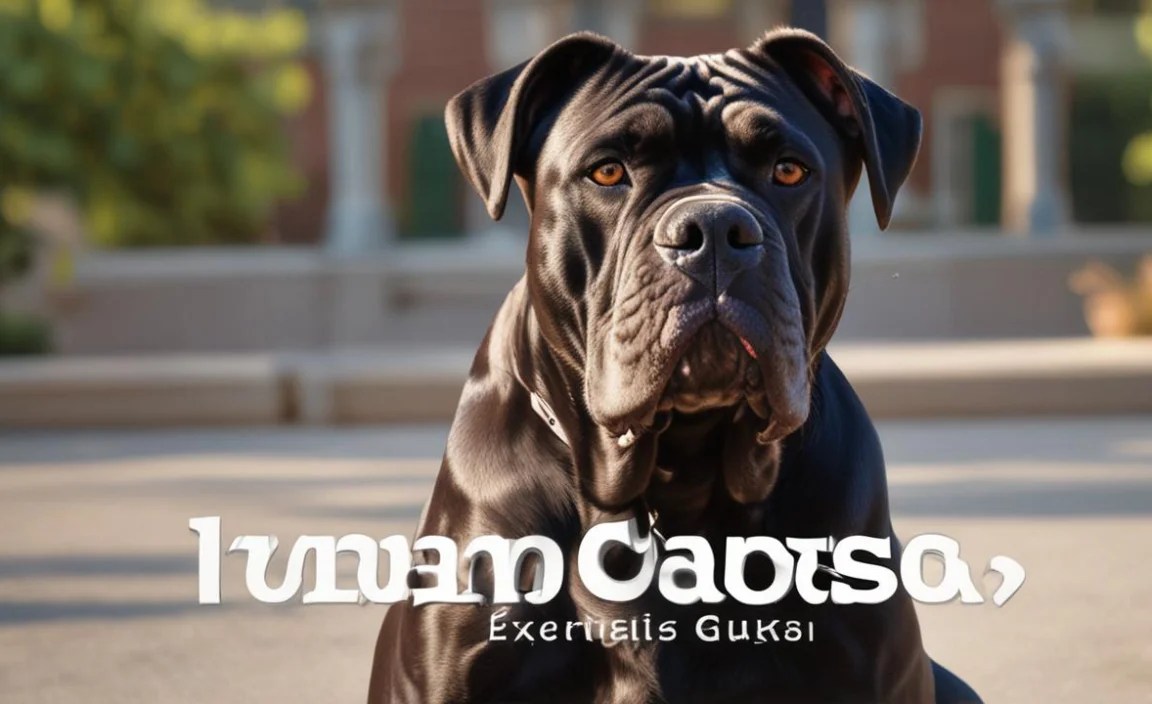
So, how much exercise does a Cane Corso actually need? The general recommendation for an adult Cane Corso is at least one to two hours of exercise per day. This should be a combination of physical activity and mental stimulation.
Here’s a breakdown:
- Physical Exercise: This includes walks, runs, playtime, swimming, and hiking.
- Mental Stimulation: This involves training sessions, puzzle toys, scent games, and new experiences.
Structured Walks: The Foundation of Their Day

Daily walks are non-negotiable for a Cane Corso. Aim for at least two good walks, each lasting 30-60 minutes. These walks should be brisk and engaging, not just a casual stroll.
During walks, practice loose-leash walking. This is an excellent form of training and also provides mental stimulation as your dog needs to focus on you and their surroundings.
Playtime: Bonding and Burning Energy
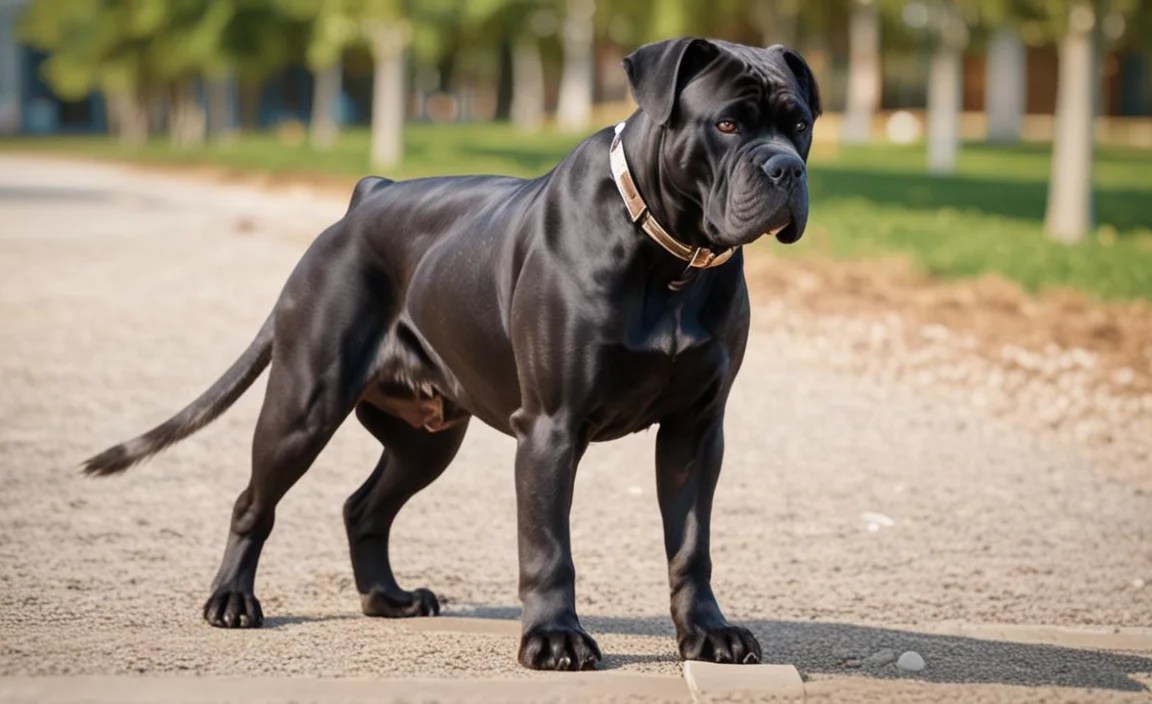
Incorporate dedicated playtime into your routine. This could be fetch in a secure yard, tug-of-war (with rules!), or interactive games.
Remember that Cane Corsos are strong dogs, so choose toys that are durable and safe for larger breeds.
Age-Specific Exercise Guidelines
Your Cane Corso’s exercise needs will change as they grow.
Cane Corso Puppies (Up to 12 Months)

Puppies have rapidly developing bodies, especially their joints. Over-exercising them can lead to long-term skeletal issues. The common advice for puppies is “5 minutes of formal exercise per month of age, twice a day.” So, a 4-month-old puppy would get about 20 minutes of structured exercise, twice a day.
- Focus on Socialization and Potty Training: This is the priority for young puppies.
- Short, Frequent Play Sessions: Keep play sessions short and engaging.
- Leash Familiarization: Get them used to the leash and collar in a positive way.
- Avoid Forced, Repetitive High-Impact Activities: No long-distance running or jumping from heights.
As puppies, their “exercise” is more about exploration and learning boundaries. Gentle walks to new environments and short bursts of play are ideal.
Adolescent Cane Corsos (12-24 Months)
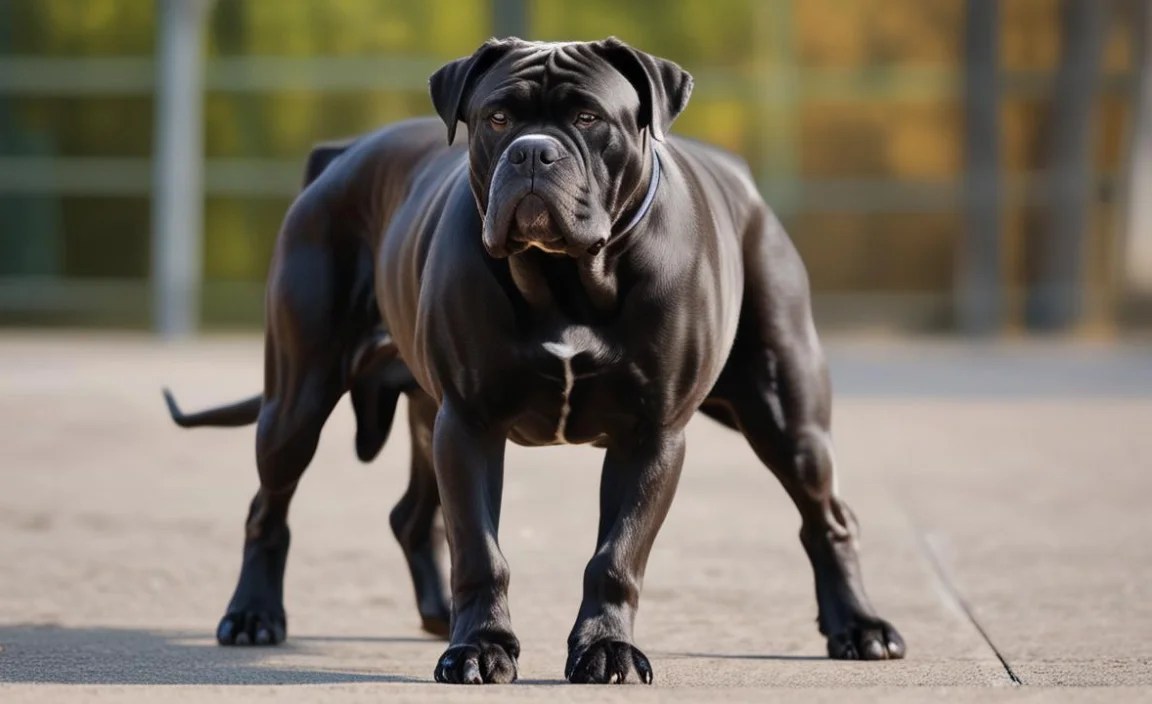
As they transition into adolescence, their energy levels will increase significantly. They can handle more strenuous activity, but still need careful management. You can start gradually increasing the duration and intensity of walks and playtime.
- Gradual Increase in Duration: Slowly build up to longer walks and play sessions.
- Introduce New Activities: If your dog shows interest, you can start introducing them to activities like swimming or structured play with other known, friendly dogs.
- Continue Training: Adolescence is a prime time for continued obedience and advanced training.
Adult Cane Corsos (2+ Years)

Once your Cane Corso reaches full physical maturity, they can handle more rigorous exercise. The recommended 1-2 hours per day is a good guideline, but always monitor your individual dog.
- Mix It Up: Combine different types of exercise to keep things interesting.
- Introduce Canine Sports: Consider activities like nose work, agility (at a slower pace for this breed), or obedience trials.
- Monitor for Fatigue: Even adult Corsos can overexert themselves, especially in heat.
Senior Cane Corsos (7+ Years)
As your Cane Corso ages, their exercise needs will decrease. Focus on maintaining mobility and mental engagement without overdoing it.
- Shorter, More Frequent Walks: Gentle strolls are better than long, strenuous outings.
- Low-Impact Activities: Swimming is excellent for seniors as it’s easy on the joints.
- Mental Games: Keep their minds sharp with gentle puzzle toys and command practice.
- Consult Your Vet: Always discuss exercise routines with your veterinarian, especially if your dog has any health concerns like arthritis.
Choosing the Right Exercise Activities
Not all exercises are created equal, especially for a breed like the Cane Corso. Here are some excellent options:
High-Benefit Physical Exercises
- Brisk Walks: The all-around best exercise. Focus on pace and exploration.
- Hiking: Great for exploring new terrains and providing varied stimulation. Ensure trails are safe and not too strenuous for your dog’s age and fitness level.
- Swimming: An amazing low-impact exercise, especially good for older dogs or those with joint issues. Many Cane Corsos enjoy water, but always supervise closely. Consider visiting a dog-friendly beach or lake. For more on water safety, the American Veterinary Medical Association (AVMA) offers valuable tips.
- Jogging/Running (Adolescent/Adult): Once fully grown, some Corsos can enjoy jogging with their owners. Start slow and build up gradually. Never force a dog to run beyond their capacity, and always consider the temperature.
- “Weight Pulling” Conditioning (Advanced/Mature Dogs): This is a sport that taps into their strength but requires proper conditioning and guidance. It’s not for puppies or young dogs and should only be pursued under expert instruction.
Essential Mental Stimulation Activities

- Obedience Training: Daily short training sessions reinforce commands and build a stronger bond.
- Puzzle Toys: Food-dispensing toys can keep them occupied and mentally challenged for periods.
- Scent Games (Nose Work): Hide treats or toys around the house or yard and let your dog find them. You can also find organized classes for this.
- New Experiences: Visiting new places (pet-friendly stores, parks, or even just a different route on your walk) provides novel stimulation.
- Chew Toys: Durable, safe chew toys can also provide mental distraction and satisfy their natural urge to chew.
Tools and Gear to Enhance Exercise
The right equipment can make exercise safer and more enjoyable for both you and your Cane Corso.
Essential Gear
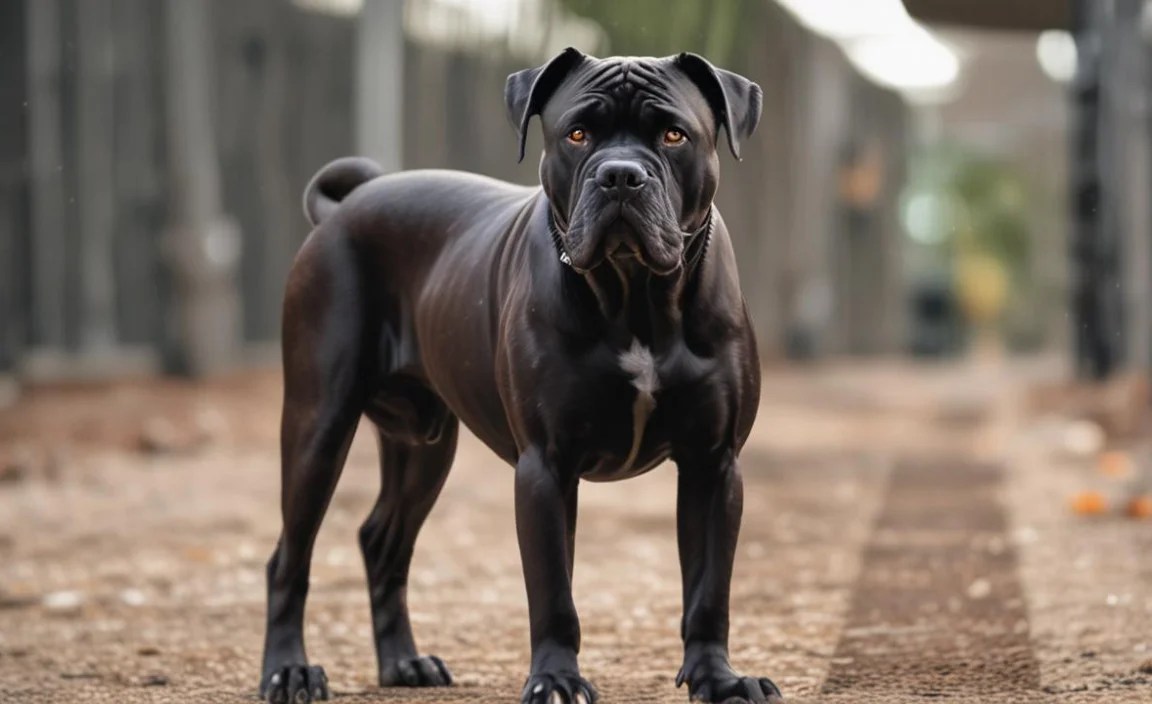
- Sturdy Leash: A 6-foot standard leash is ideal. Avoid retractable leashes, as they offer less control.
- Comfortable Collar or Harness: A well-fitting martingale collar or a sturdy front-clip harness can help manage strong pullers. Ensure it fits properly and doesn’t cause discomfort.
- Good Walking Shoes: For you!
- Water Bowl and Water: Especially important for longer outings or in warmer weather. Collapsible bowls are very handy.
- Durable Toys: For fetch and tug.
- Poop Bags: Always be prepared.
Optional Gear for Specific Activities
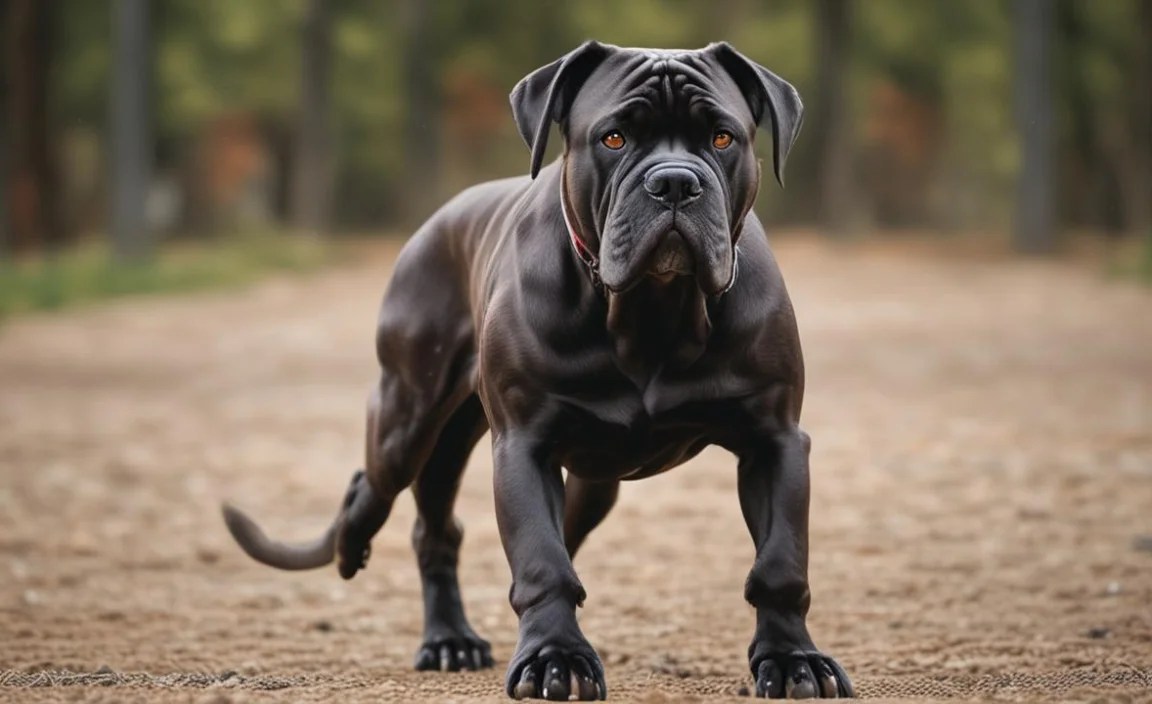
- Backpack for Dogs (Mature Dogs Only): When used correctly and for short durations, a dog backpack can provide a mild way to increase exercise output and mental engagement. Ensure the pack is properly fitted and never overpacked. A good rule of thumb is that the pack’s weight should not exceed 10-15% of the dog’s body weight.
- Life Vest: If you plan on swimming with your Cane Corso, a life vest can provide extra safety and buoyancy. Ensure it’s designed for dogs and fits well.
- Booties: In extreme hot or cold weather, or on rough terrain, dog booties can protect their paws. Introduce them gradually so your dog gets accustomed to wearing them.
What to Avoid: Exercise Pitfalls for Cane Corsos
Knowing what not to do is just as important as knowing what to do.
- Over-Exercising Puppies: As mentioned, this is critical for their joint health.
- Exercising in Extreme Heat: Cane Corsos are prone to heatstroke. Always err on the side of caution. Look for signs of overheating like excessive panting, difficulty breathing, or lethargy.
- Forced Repetitive Jumping: This can put undue stress on developing joints and even adult joints.
- Unsupervised Play with Unknown Dogs: While socialization is key, a powerful breed like a Cane Corso needs to be in controlled, positive interactions.
- Long-Distance Running on Hard Surfaces: This can be hard on their bodies.
- Ignoring Mental Stimulation: A dog that is physically tired but mentally bored can still develop behavioral issues.
Managing Energy Indoors
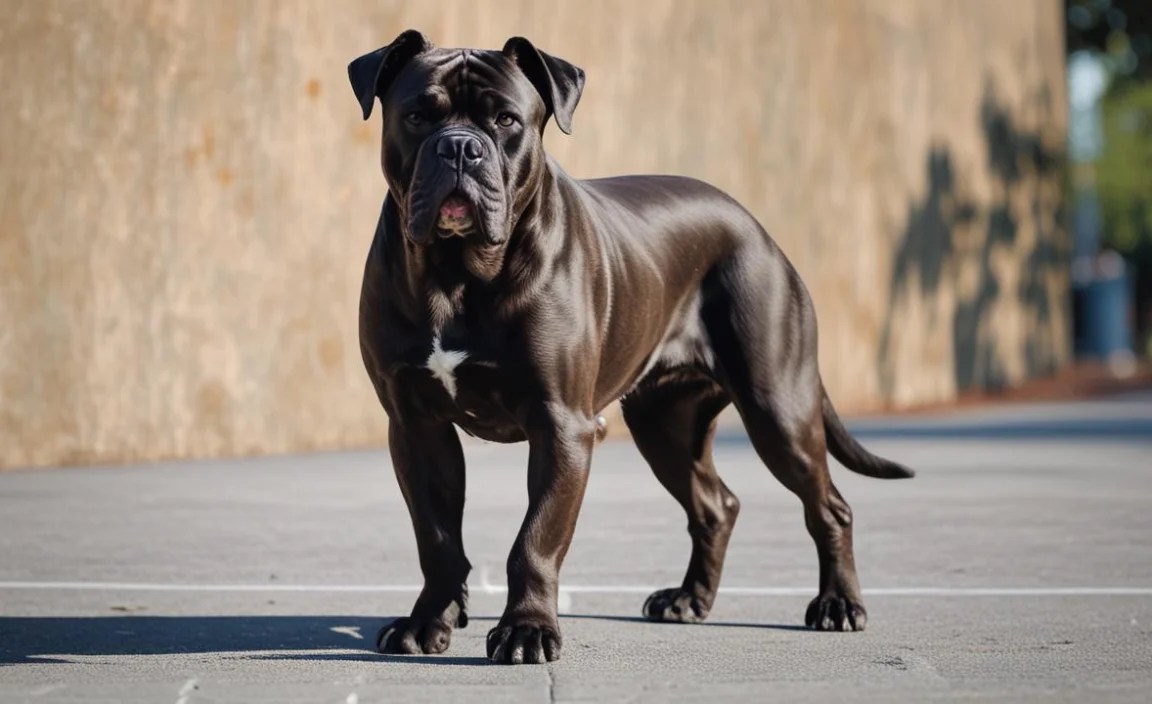
On days when outdoor exercise is limited due to weather or time constraints, indoor activities are essential.
Indoor Exercise Options:
- Training Sessions: Practice commands, teach new tricks, or work on reactive (e.g., “stay,” “leave it”).
- Indoor Fetch: With a soft ball or toy in a hallway or large room.
- Hide-and-Seek: With you or your dog as the seeker.
- Tug-of-War: With clear rules and “drop it” command practice.
- Puzzle Toys and Lick Mats: These can keep a dog engaged and calm for extended periods.
- Canine Conditioning Exercises: Simple exercises like sit-to-stand, down-to-stand, or controlled paw lifts can be done indoors to maintain muscle tone and balance.
Remember, a tired dog is a good dog, and this applies to mental tiredness as well as physical.
The Link Between Exercise and Behavior
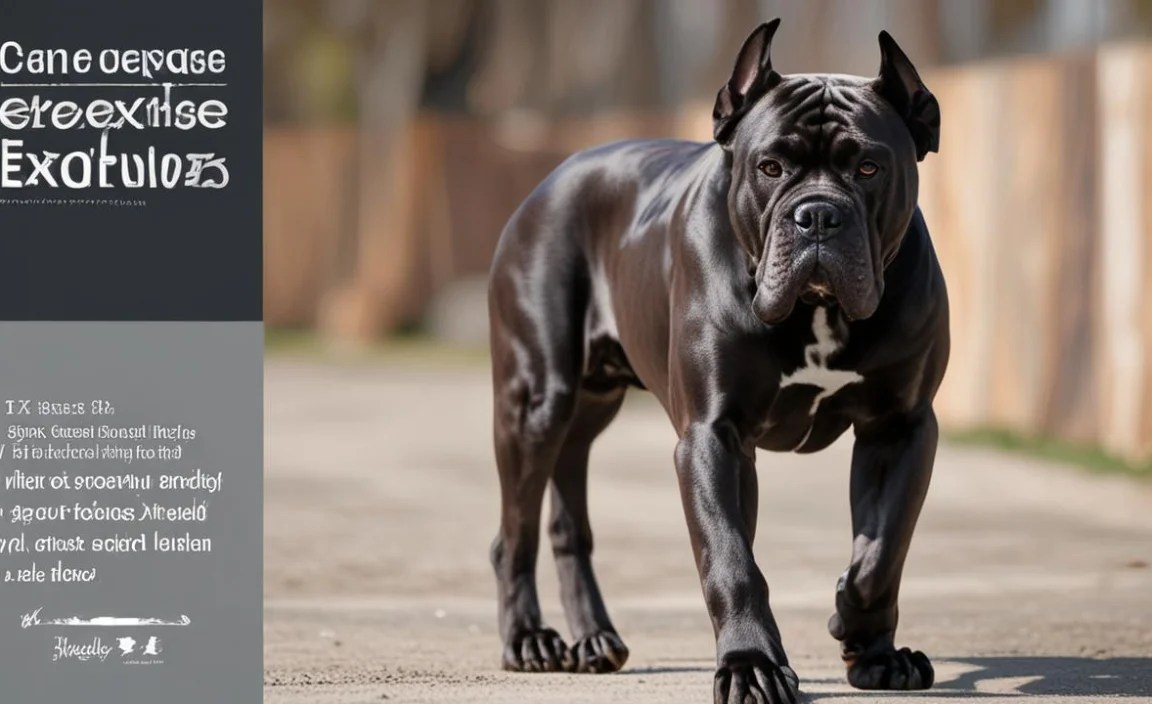
A well-exercised Cane Corso is generally a well-behaved Cane Corso. Lack of adequate exercise can manifest in several undesirable behaviors:
- Destructive Chewing: Boredom and pent-up energy often lead to chewing furniture, shoes, or other household items.
- Excessive Barking: A dog that is under-stimulated may bark out of boredom or anxiety.
- Leash Reactivity: Frustration and pent-up energy can make them more prone to reacting to stimuli on walks.
- Restlessness and Destructive Digging: Especially if they have a tendency to roam or guard.
- Anxiety and Nervousness: Regular exercise helps dogs release stress hormones and promotes a calm demeanor.
By providing consistent, appropriate exercise, you are proactively addressing many common behavioral challenges.
Beyond Basic Exercise: Canine Sports and Activities
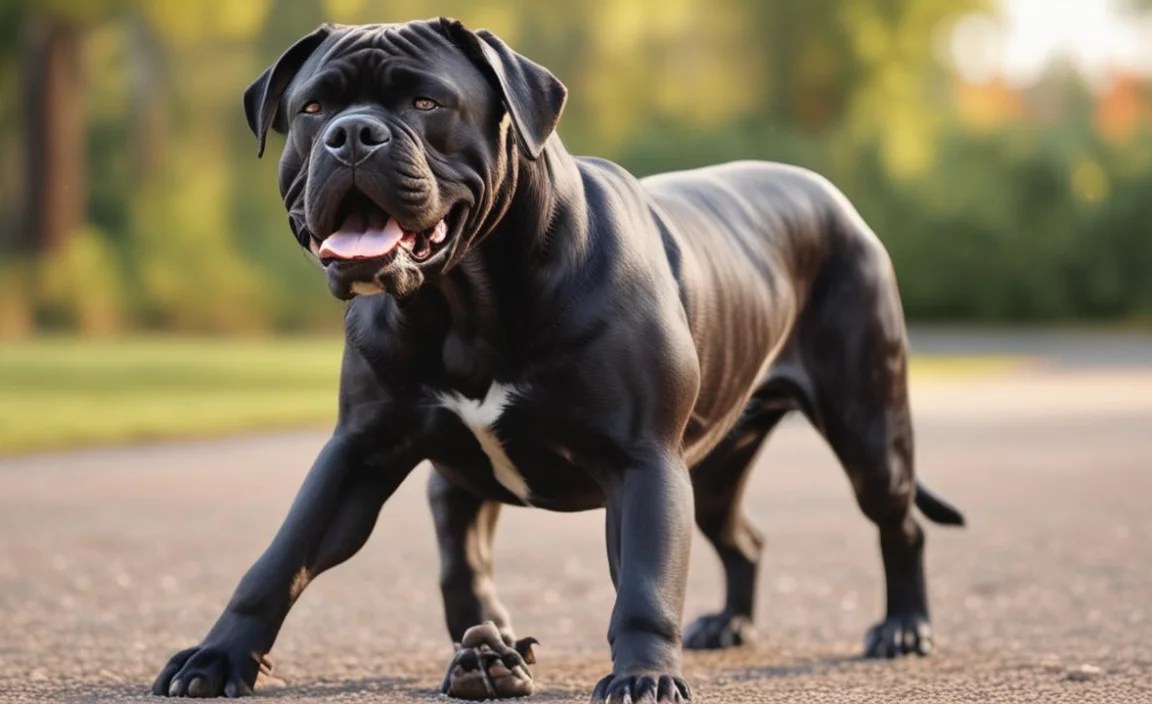
For owners seeking to further engage their intelligent and capable Cane Corsos, consider exploring canine sports and activities. These provide excellent outlets for their physical and mental capabilities.
Popular Options:
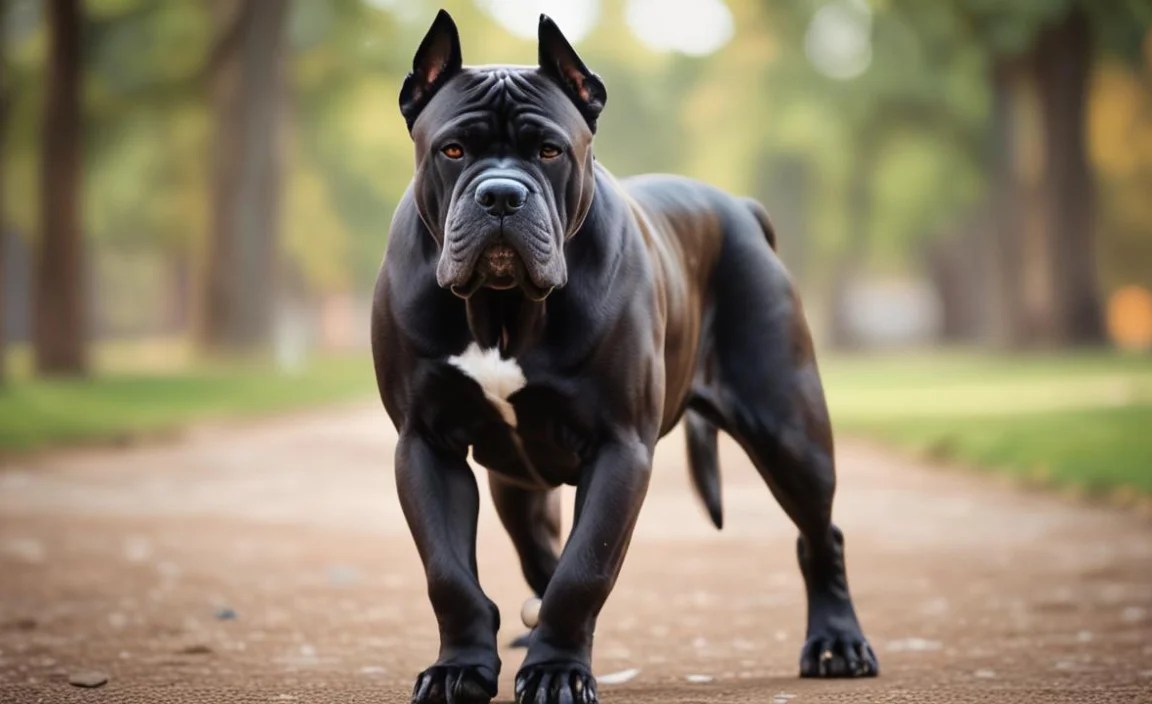
- Obedience Trials: Demonstrates a dog’s ability to follow commands precisely.
- Rally Obedience: A more fluid obedience competition that combines obedience and agility elements.
- Scent Work/Nose Work: Hugely rewarding for dogs, tapping into their natural olfactory abilities. Many organizations offer this, such as AKC Scent Work.
- Weight Pulling: A strength-based sport that, when trained correctly and safely, can be very beneficial for powerful breeds.
- Barn Hunt: An exciting sport where dogs navigate a “hunt” course through hay bales, searching for a rat in a tube.
When considering any sport, ensure it aligns with your dog’s physical capabilities and temperament. Always seek out qualified instructors and trainers.
Sample Daily Exercise Schedule for an Adult Cane Corso

Here’s an example of how you might structure a day for your adult Cane Corso:
| Time | Activity | Duration | Notes |
|---|---|---|---|
| 7:00 AM | Morning Walk | 45 minutes | Brisk pace, focus on loose-leash walking. |
| 8:30 AM | Breakfast & Puzzle Toy | 15-20 minutes | Feed in a slow feeder or puzzle toy. |
| 1:00 PM | Midday Potty Break & Short Play |


