Cane Corso exercise is crucial for their physical and mental well-being. A consistent daily routine involving structured activities like walks, playtime, and mental challenges prevents destructive behavior, promotes good health, and strengthens your bond. This guide provides actionable steps for creating an effective exercise plan for your Cane Corso.
Welcoming a Cane Corso into your home means embracing a powerful, loyal, and intelligent companion. These majestic dogs thrive on routine and purpose. One of the most significant aspects of ensuring a happy and well-behaved Cane Corso is providing them with adequate daily exercise. Without it, their natural energy can manifest in unwanted behaviors, leaving both you and your dog feeling frustrated. But don’t worry! Establishing a consistent exercise routine doesn’t have to be complicated.
This guide is designed to break down exactly what your Cane Corso needs, making it simple and enjoyable. We’ll walk you through creating a structured daily plan that caters to your Cane Corso’s unique requirements, ensuring they are healthy, happy, and a well-adjusted part of your family. Get ready to transform your dog’s life – and yours – with these essential tips!
Understanding Your Cane Corso’s Exercise Needs
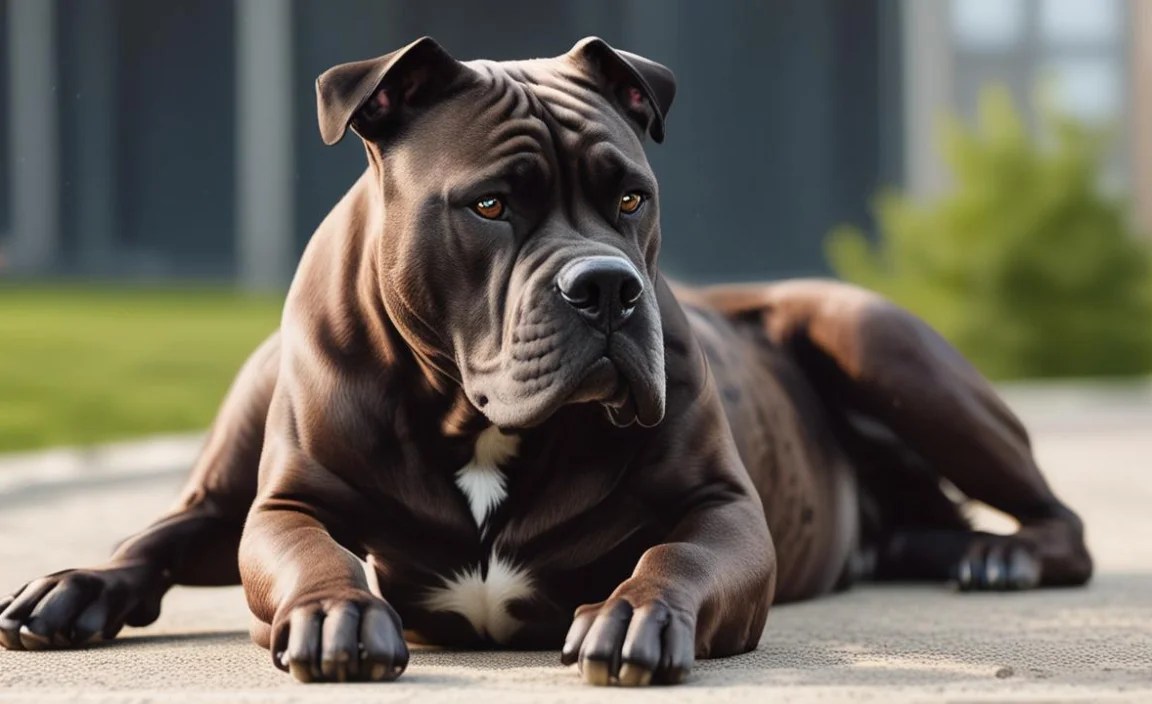
Cane Corsos are not just large dogs; they are a breed historically developed as estate guardians, herders, and even combat dogs. This heritage means they possess significant strength, stamina, and intelligence. Their exercise needs are therefore substantial and multifaceted, going beyond a simple walk around the block.
A well-exercised Cane Corso is typically a calmer, more obedient, and less destructive dog. Lack of sufficient physical and mental stimulation can lead to boredom, anxiety, and the development of undesirable behaviors such as excessive barking, chewing, digging, or even aggression. Because of their protective nature and strong build, channeling their energy constructively is paramount.
The amount and type of exercise required can vary based on several factors:
- Age: Puppies have different needs than adult dogs or seniors. Over-exercising puppies can be harmful to their developing joints.
- Health: Any underlying health conditions will dictate the intensity and duration of exercise. Always consult your veterinarian.
- Temperament: Individual personalities within the breed can influence energy levels.
- Environment: A dog living in a large, secure yard may have different needs than one in a smaller apartment.
Generally, adult Cane Corsos require at least one to two hours of vigorous physical activity per day, combined with mental stimulation. This isn’t a one-size-fits-all number, but a solid starting point. The key is consistency and variety.
The Building Blocks of a Cane Corso Exercise Routine

A comprehensive exercise routine for your Cane Corso should include a mix of physical activity, mental challenges, and opportunities for socialization. Here are the core components:
1. Cardiovascular Exercise
This is the cornerstone of their physical fitness. It helps keep their heart healthy, manages their weight, and burns off pent-up energy. Options include:
- Brisk Walks: Aim for at least two walks per day, each lasting 30-60 minutes. A brisk pace is key, not a leisurely stroll. Use a sturdy leash and a comfortable harness or collar designed for strong breeds.
- Running/Jogging: If you are a runner, your Cane Corso can be an excellent jogging partner. Ensure they are old enough (usually over 18-24 months for intense work) and conditioned gradually to avoid injury.
- Hiking: Exploring trails provides excellent physical and mental stimulation. Choose trails that are safe for large dogs and be aware of your surroundings.
- Swimming: Many Cane Corsos enjoy swimming. It’s a low-impact exercise that’s great for joints, especially for older dogs.
2. Strength and Agility Training
While cardiovascular health is vital, building muscle strength and agility is also important for a powerful breed like the Cane Corso. This can involve:
- Agility Courses: Setting up simple obstacles like jumps, tunnels, or weave poles can be a fun way to build coordination and confidence.
- Interactive Games: Games like fetch, but with a focus on retrieving a larger, durable toy, can be engaging. Tug-of-war, played with clear rules and ending when you say so, can also be a good bonding and strength-building activity.
- Controlled Play with Other Dogs: If your Cane Corso is well-socialized and enjoys the company of other dogs, supervised play sessions can be beneficial. However, due to their size and strength, careful monitoring is essential to prevent accidental injuries.
3. Mental Stimulation
A tired mind is just as important as a tired body. Mental exercises prevent boredom and help prevent cognitive decline. This can be achieved through:
- Puzzle Toys: Food-dispensing toys and interactive puzzles require your dog to think and problem-solve to get treats.
- Training Sessions: Short, regular training sessions reinforce commands and teach new tricks. This engages their brain and strengthens your communication.
- Scent Work: Hiding treats around the house or yard and encouraging your dog to find them taps into their natural scenting abilities.
- New Environments: Regularly exposing your Cane Corso to new places, sights, and sounds (in a controlled, positive way) provides mental enrichment.
4. Rest and Recovery
Just as important as exercise is proper rest. Your Cane Corso needs adequate sleep to recover and build muscle. Ensure they have a comfortable, quiet place to rest where they won’t be disturbed. Overtraining can lead to fatigue, injury, and behavioral issues.
Crafting Your Cane Corso’s Daily Exercise Routine

Let’s put it all together. Here’s a sample daily routine that can be adapted to your lifestyle and your Cane Corso’s specific needs. Remember, flexibility is key!
Morning (7:00 AM – 9:00 AM)
- Potty Break (7:00 AM): A quick trip outside to relieve themselves.
- Morning Walk (7:30 AM): A solid 30-45 minute brisk walk. Focus on loose-leash walking and good manners. This is a great time to explore the neighborhood.
- Breakfast (8:30 AM): Feed your dog after their walk to prevent bloat (Gastric Dilatation-Volvulus), a condition more common in deep-chested breeds like the Cane Corso.
Midday (12:00 PM – 2:00 PM)
- Potty Break (12:00 PM): Another quick check outside.
- Mental Stimulation/Play (12:30 PM): Engage your dog with a puzzle toy, a short training session (5-10 minutes practicing commands or a new trick), or a brief game of fetch in the yard. This is also a good time for your dog to have access to fresh water.
Afternoon/Late Afternoon (4:00 PM – 6:00 PM)
- Afternoon Walk/Activity (4:00 PM): This can be another brisk walk (30-45 minutes), a hike, or some time in a secure dog park if your dog is well-socialized and comfortable. Alternatively, if you have a yard, this could be a longer play session involving ball throwing or supervised tug-of-war.
- Reinforcement Training (Optional): A few minutes of practicing commands or working on leash manners can be beneficial.
Evening (7:00 PM – 9:00 PM)
- Dinner (7:00 PM): Feed your dog their evening meal, again, allowing time after exercise to reduce bloat risk.
- Calm Play/Bonding (7:30 PM): After dinner, engage in low-key activities. This could be gentle petting, brushing, or a short, calm training session. Avoid overly boisterous play close to bedtime.
- Final Potty Break (9:00 PM): One last opportunity to go outside before settling down for the night.
Important Considerations:
- Hydration: Always ensure fresh, clean water is available throughout the day, especially before and after exercise.
- Weather: Adjust the intensity and duration of outdoor activities based on the weather. Extreme heat or cold can be dangerous for dogs.
- Puppy Exercise: For Cane Corso puppies, focus on shorter, more frequent potty breaks and gentle play. Avoid prolonged strenuous activities. The American Kennel Club (AKC) recommends limiting formal exercise for puppies so their growth plates can develop properly.
Essential Gear for Your Cane Corso’s Exercise

Having the right equipment can make exercise safer, more comfortable, and more enjoyable for both you and your Cane Corso.
For Walks and Runs:
- Sturdy Leash: A 6-foot, durable leash made of nylon or leather is ideal. Avoid retractable leashes, which offer less control with a strong dog.
- Comfortable Harness or Collar: For Cane Corsos, a well-fitting, padded harness is often recommended to distribute pressure evenly and prevent tracheal damage. Look for harnesses designed for large, powerful breeds. A martingale collar or a limited-slip collar can also be good options if fitted correctly, but a harness is generally preferred for exercise. Always ensure it fits snugly but not too tightly. You can check the fit by ensuring you can comfortably slide two fingers between the collar/harness and your dog’s neck.
- High-Visibility Gear: Reflective vests or lights for leashes and collars are crucial for early morning or late evening walks.
- Poop Bags: Be a responsible pet owner and always carry plenty of bags for cleaning up after your dog.
For Play and Training:
- Durable Toys: Cane Corsos can be strong chewers. Invest in robust toys made from industrial-grade rubber or tough nylon. Examples include Kongs, Nylabones, and sturdy rope toys.
- Fetch Toys: Whether it’s a durable ball or a retrieving dummy, make sure it’s visible and easy for your dog to carry.
- Training Treats: Small, high-value treats are essential for rewarding good behavior during training sessions.
For Safety and Comfort:
- First-Aid Kit: A basic pet first-aid kit can be invaluable for minor injuries encountered during outdoor activities.
- Paw Protection: If you live in an area with extreme surfaces (hot pavement, ice, rough terrain), consider dog boots or paw balms to protect their paws.
- Cooling Vests: In hot weather, a cooling vest can help your Cane Corso regulate their body temperature during strenuous activity.
When choosing gear, prioritize durability, comfort, and safety. A poorly fitting harness or a toy that breaks easily can pose a significant risk.
Recognizing Signs of Overexertion or Under-Stimulation

It’s vital to observe your Cane Corso for signs that their exercise routine might be too much or not enough. This allows you to make necessary adjustments.
Signs of Overexertion:
- Excessive panting that doesn’t subside quickly after rest
- Lethargy and reluctance to move
- Drooling heavily
- Stumbling or appearing weak
- Vomiting or diarrhea
- Muscle soreness or stiffness
- Heatstroke symptoms: bright red gums, rapid heart rate, weakness, collapse, or seizures. If you suspect heatstroke, seek immediate veterinary attention.
If you notice any of these signs, stop the activity immediately and allow your dog to rest in a cool, shaded area. Offer small amounts of water. If symptoms are severe or don’t improve, contact your veterinarian.
Signs of Under-Stimulation/Boredom:
- Destructive chewing (furniture, shoes, etc.)
- Excessive barking or howling
- Digging in the yard or house
- Restlessness and inability to settle
- Compulsive behaviors (e.g., tail chasing)
- Appetite changes
- Aggression (sometimes stemming from frustration)
If your Cane Corso exhibits these behaviors, it’s a strong indicator that their physical and mental exercise needs are not being met. Increasing the duration, intensity, or variety of their daily activities, including more mental stimulation, is likely necessary.
The Importance of Consistency and Professional Guidance
Consistency is a dog’s best friend, and for a breed like the Cane Corso, it’s non-negotiable. Regular exercise, feeding schedules, and training reinforce good habits and provide your dog with a sense of security and predictability. When your Cane Corso knows what to expect each day, they are more likely to be calm and well-behaved.
However, every dog is an individual. While this guide provides a solid framework, some Cane Corsos might require more specialized routines. Factors like age, health status, and individual temperament play a significant role. It’s always recommended to consult with:
- Your Veterinarian: Before starting any new exercise program, especially for puppies or older dogs, or if your dog has any health concerns, consult your vet. They can advise on safe exercise levels and types, and help manage any underlying conditions. Reputable veterinary organizations like the American Veterinary Medical Association (AVMA) offer valuable pet owner resources.
- A Certified Professional Dog Trainer (CPDT): For guidance on training techniques, behavior modification, and ensuring your exercise routine is effective and safe, a certified trainer can be an invaluable resource. They can observe your dog’s behavior and provide tailored advice. Organizations like the Certification Council for Professional Dog Trainers (CCPDT) can help you find a qualified professional in your area.
By combining consistent effort with professional advice when needed, you can ensure your Cane Corso enjoys a fulfilling and healthy life.
Sample Weekly Exercise Schedule for a Cane Corso
Here’s a more detailed look at how you might structure a week, incorporating variety. Remember to adapt this to your specific work/life schedule and your dog’s energy levels.
Monday: Standard Routine
- Morning: 45-minute brisk walk, 15-minute training session.
- Midday: Puzzle toy.
- Afternoon: 45-minute walk with some fetch.
Tuesday: Agility and Mental Games
- Morning: 30-minute walk, 30-minute agility work in the yard (if applicable) or indoor trick training.
- Midday: Scent work (hide treats).
- Afternoon: 45-minute walk.
Wednesday: Longer Hike/Outdoor Adventure
- Morning: Shorter 30-minute walk.
- Midday: Rest period.
- Afternoon: 1.5-2 hour hike or long, adventurous walk in a new park/trail. Focus on varied terrain.
Thursday: Focus on Strength and Socialization (Optional)
- Morning: 45-minute walk, 15-minute structured play (e.g., controlled tug-of-war.
- Midday: Puzzle toy.
- Afternoon: 45-minute walk. If well-socialized, consider a short, supervised play session with a known, gentle dog friend.
Friday: Relaxed Pace & Reinforcement
- Morning: 40-minute leisurely walk, with bursts of brisk pace.
- Midday: Gentle interactive play or grooming.
- Afternoon: 30-minute walk, focus on loose-leash walking reinforcement.
Saturday: Extended Activity – Swimming or Running
- Morning: 45-minute walk.
- Midday: Rest.
- Afternoon: 1-hour swimming session or a long run/jog. If neither is possible, a very active park visit or extended playtime.
Sunday: Family Outing & Bonding
- Morning: 30-minute walk.
- Midday: Family activity – perhaps a trip to a dog-friendly store or café (if your dog is well-behaved in public), or a visit to a large, secure park for sniffing and exploring.
- Afternoon: 30-minute walk, focus on calm wind-down.
This sample schedule is just a template. You might find your Cane Corso prefers longer walks on certain days or needs more rest on others. Pay close attention to their cues!
FAQ: Your Cane Corso Exercise Questions Answered
Q1: How much exercise does a Cane Corso puppy need?
Cane Corso puppies need less intense exercise than adults. Focus on short, frequent potty breaks and gentle play sessions (5-10 minutes) multiple times a day. Avoid long walks or strenuous activities until they are at least 18-24 months old to protect their developing joints and bones.


