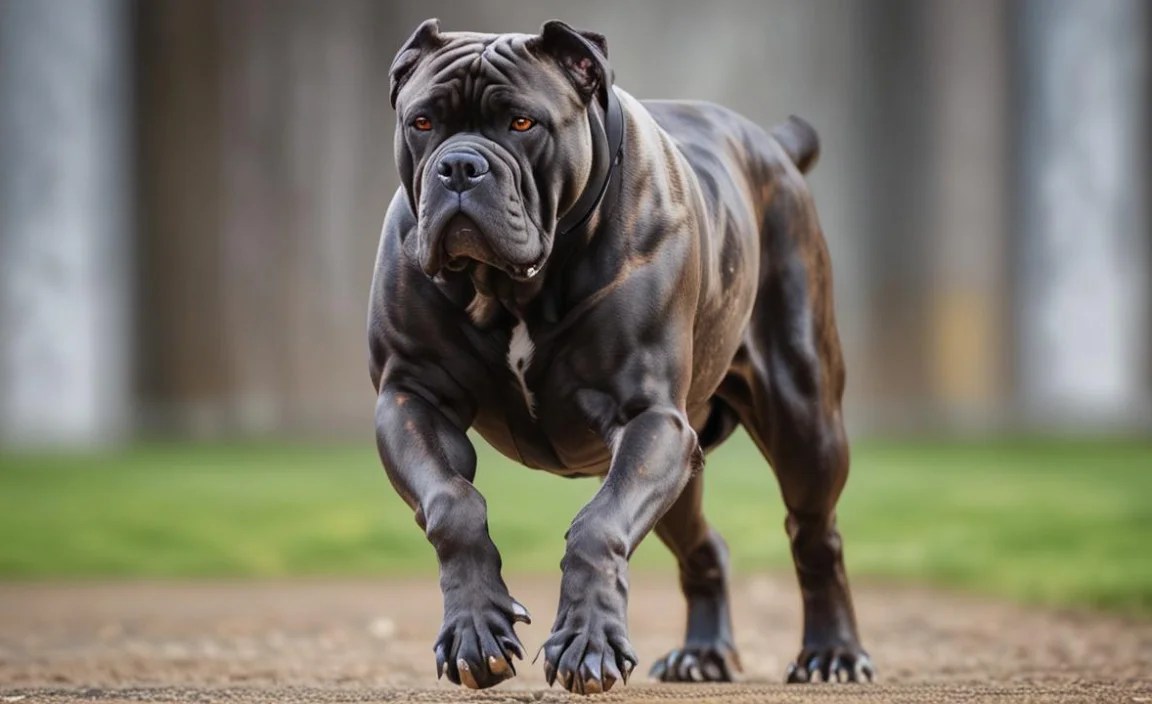
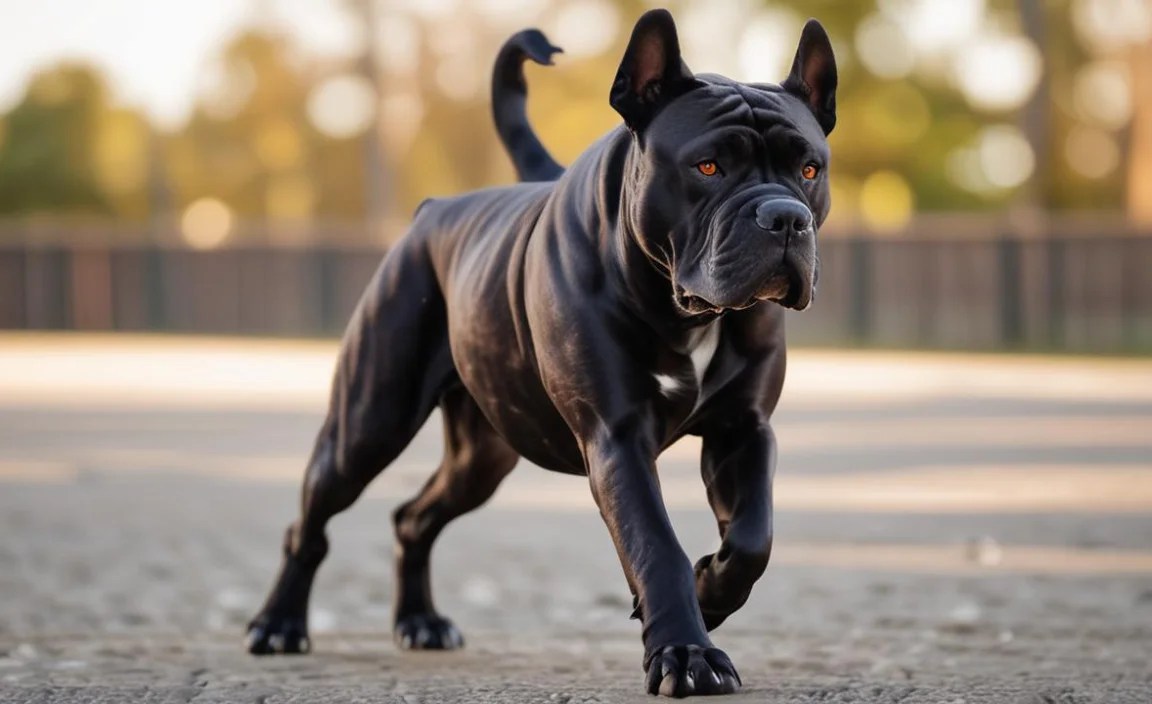
Cane Corso exercise leads to a strong, healthy, and happy dog when done safely. Avoid common pitfalls to prevent injuries and ensure your powerful companion thrives.
Are you a proud owner of a Cane Corso and wondering how much exercise they truly need? It’s a common question because these magnificent dogs are so strong! Finding the right balance is key. Too little exercise can lead to boredom and destructive behavior, while too much, or the wrong kind, can unfortunately lead to injuries.
But don’t worry! This guide is here to help you understand your Cane Corso’s exercise needs perfectly. We’ll walk you through safe and effective ways to keep your gentle giant happy, healthy, and well-behaved. Get ready to learn how to provide the best exercise for your beloved Cane Corso!
Understanding Cane Corso Exercise Needs

The Cane Corso is a breed with a rich history as a guardian and farm dog. This means they were bred for endurance, strength, and a certain level of physical work. While your modern-day Cane Corso might not be herding cattle, their underlying physical needs remain. They require daily activity to stay physically fit and mentally stimulated. Without adequate exercise, their powerful bodies can become prone to weight gain, and their intelligent minds can easily become bored, leading to undesirable behaviors like excessive barking, chewing, or digging.
It’s crucial to understand that “exercise” for a Cane Corso isn’t just a quick walk around the block. They need more sustained activity that challenges their muscles and their minds. This breed thrives on having a job to do, even if that job is simply being a well-exercised and well-behaved companion. Providing them with appropriate physical outlets is one of the most important aspects of responsible Cane Corso ownership.
Physical and Mental Stimulation: A Winning Combination
For a Cane Corso, exercise is a dual-purpose endeavor. It’s not just about burning physical energy; it’s also about engaging their sharp minds. A dog that is both physically tired and mentally satisfied is a happy and calm dog. This breed is highly intelligent and can become easily bored if their daily routine lacks variety. Boredom can manifest in ways that owners often find frustrating, but it’s usually a sign that their needs aren’t being fully met. Therefore, a comprehensive exercise plan should always include activities that challenge both their body and their brain.
Think of it this way: a physically tired dog is more likely to rest. A mentally tired dog is also more likely to rest and be content. When you combine these two, you create a well-rounded and stable companion. This approach helps prevent common issues that arise from under-exercised or under-stimulated dogs, making both your life and your dog’s life much more enjoyable.
Safe Exercise Practices for Cane Corsos
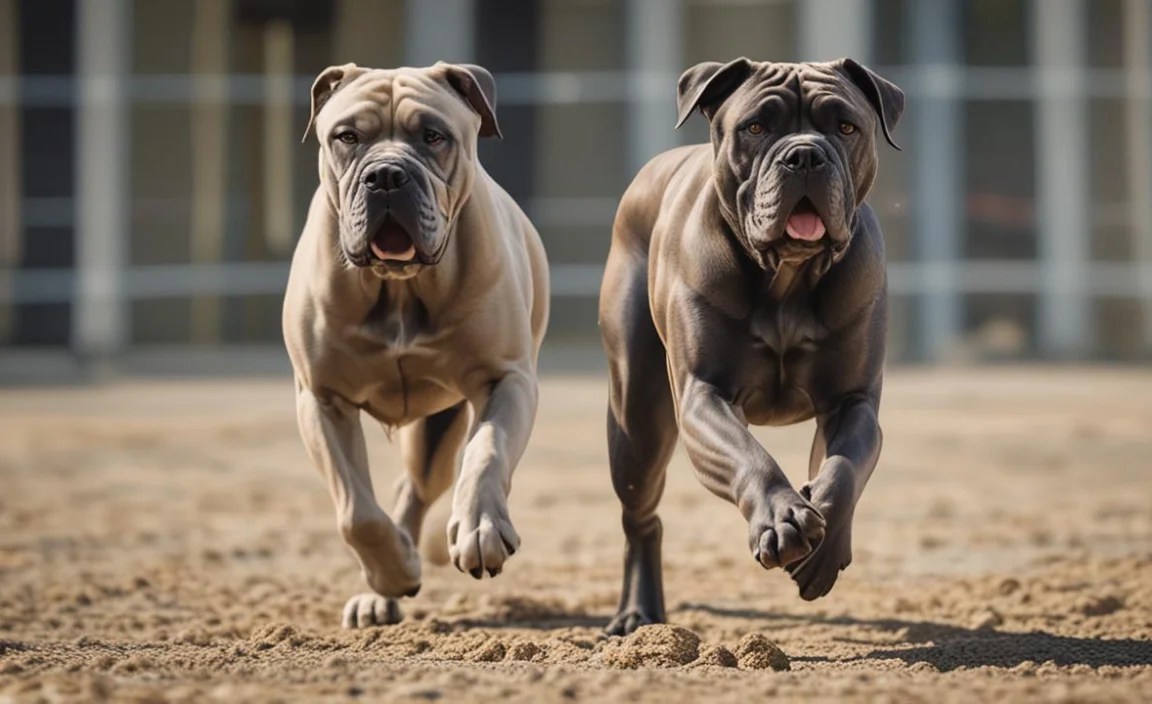
When it comes to exercising your Cane Corso, safety should always be your absolute top priority. These dogs are powerful and robust, but they are not immune to injuries, especially when they are young or if they have underlying health conditions. Understanding how to exercise them safely will ensure they can enjoy their activities for years to come. This involves considering the physical development of your dog, the environment in which you exercise, and the types of activities you choose.
Many owners wonder about the “Cane Corso exercise dangerous dog” keyword. This can stem from the breed’s power and potential for damage if not managed properly, but it’s not an inherent trait of the breed being dangerous. When exercised safely and responsibly, a Cane Corso is a wonderful companion. The danger arises from improper care, lack of training, or pushing a dog beyond its physical limits, all of which can be prevented with the right knowledge and approach.
Age and Development Considerations
Just like human athletes, young dogs need a different approach to exercise than adult dogs. Cane Corsos, being a large and fast-growing breed, are particularly susceptible to developmental orthopedic diseases (DODs) if over-exercised during their growth phases. These conditions can have long-lasting effects on their joints and overall mobility.
- Puppies (up to 18-24 months): During this critical growth period, their bones, joints, and cartilage are still developing. High-impact activities, long-distance running, and strenuous jumping should be avoided. Focus on short, controlled walks, gentle play sessions in a safe, flat area, and mental stimulation through training and puzzle toys. A general rule is five minutes of structured exercise per month of age, twice a day. So, a 6-month-old puppy might do 30 minutes of structured walking twice daily.
- Adults (2-7 years): Once your Cane Corso has reached physical maturity, their exercise needs increase. They can handle more strenuous activities, but it’s still vital to monitor them for signs of fatigue or discomfort. Consistency is key.
Growth Plate Closure
A crucial aspect of puppy care for large breeds like the Cane Corso is understanding growth plate closure. Growth plates are areas of developing cartilage at the ends of long bones that allow them to grow in length. These plates are softer and more vulnerable to injury than mature bone. If a growth plate is damaged before it closes (typically around 18-24 months for Cane Corsos), it can lead to permanent deformities, lameness, and lifelong pain. Strenuous, repetitive, or high-impact activities during this period significantly increase the risk of growth plate injury.
This is why activities like forced running alongside a bike, jumping to catch frisbees repeatedly, or prolonged, vigorous play sessions on hard surfaces should be strictly limited or avoided until your Cane Corso is fully grown. Consulting with your veterinarian about your specific dog’s development and when it’s safe to increase exercise intensity is highly recommended. Understanding this biological process is a cornerstone of preventing “Cane Corso exercise dangerous dog” scenarios.
Environmental Safety
Where you choose to exercise your Cane Corso also plays a significant role in their safety. The terrain, weather, and presence of hazards can all impact the experience.
- Terrain: Opt for softer surfaces like grass or packed dirt when possible. Avoid exercising for extended periods on hard surfaces like concrete or asphalt, which can be tough on joints and paws, especially in hot weather. Uneven or rocky terrain can also increase the risk of sprains and falls.
- Weather: Cane Corsos have a short, dense coat and a double layer of fur, which offers some protection but can still make them susceptible to overheating, especially in humid or hot climates. Avoid strenuous exercise during the hottest parts of the day. Opt for early mornings or late evenings. Conversely, they can also be sensitive to extreme cold. Ensure they are protected with a coat if necessary during very cold weather.
- Awareness: Always be aware of your surroundings. Watch out for hazards like broken glass, sharp objects, toxic plants, or potential encounters with other animals. If exercising in unfenced areas, always keep your Cane Corso on a leash unless you are in a designated, securely fenced dog park or private property.
Proper Hydration and Nutrition
Adequate hydration and a balanced diet are fundamental to supporting your Cane Corso’s energy levels and recovery from exercise. A well-nourished dog has the stamina and muscle health to handle physical activity.
Hydration: Always ensure fresh, clean water is available before, during, and after exercise. For longer outings, carry a portable water bottle and bowl. Dehydration can quickly lead to heatstroke and exhaustion, which are serious emergencies.
Nutrition: Feed a high-quality dog food formulated for large breeds. These diets are typically balanced with the right levels of calcium and phosphorus crucial for bone development in puppies and maintaining skeletal health in adults. Consult your veterinarian for specific dietary recommendations based on your dog’s age, activity level, and any individual health needs. Avoid overfeeding, as obesity puts significant strain on your Cane Corso’s joints.
Effective Exercise Regimens for Cane Corsos

Now that we understand the safety principles, let’s explore some effective exercise regimens that cater to the Cane Corso’s needs. The goal is to provide consistent, varied, and engaging activity that keeps them healthy and happy.
Daily Walks: The Foundation
Of all the exercises, daily walks are arguably the most important. They provide a consistent outlet for energy, allow for mental stimulation through sniffing and observing their environment, and strengthen the bond between you and your dog. For an adult Cane Corso, aim for at least two walks per day, each lasting 30-60 minutes.
The pace of the walk should be brisk enough to get their heart rate up, but not so demanding that they become overly fatigued. Pay attention to your dog’s body language. If they are lagging behind, panting excessively, or seeming reluctant to continue, it’s time to slow down or head home. Leash training is also paramount. A well-trained Cane Corso walking calmly on a leash is a joy to walk, and it ensures you maintain control if any unexpected situations arise.
Structured Play and Games
Beyond walks, incorporating structured play can add variety and mental engagement to your Cane Corso’s exercise routine. These activities should be supervised and tailored to your dog’s age and physical condition.
- Fetch (with caution): While a classic, fetch can be problematic if done excessively on hard surfaces or with very long, fast retrieves, especially for young dogs. Use softer, larger balls that are easy for them to pick up. Keep sessions short and intersperse them with other activities. Consider playing fetch on a soft grassy area.
- Tug-of-War: This is a great game for building a strong bond and allowing your dog to engage their natural prey drive in a controlled manner. Teach your dog a “drop it” command so you can end the game when you choose. Play fairly, and never let the game become so aggressive that your dog becomes overstimulated or possessive.
- Interactive Puzzles and Scent Games: Mental stimulation is just as vital as physical exercise. Hide treats around the house or yard and encourage your Cane Corso to find them. Use puzzle toys that dispense kibble or treats as they are manipulated. These games tap into their natural intelligence and problem-solving abilities.
Introducing Controlled Leash Running or Hiking
Once your Cane Corso is physically mature (usually after 2 years old and after consultation with your vet), you can gradually introduce more strenuous activities like jogging or hiking.
- Jogging: Start with short jogs, perhaps 15-20 minutes, and gradually increase the duration and intensity over several weeks. Always monitor your dog for signs of fatigue. Avoid running on hard pavement for long distances. Trails with softer ground are ideal.
- Hiking: Hiking is an excellent way for your Cane Corso to burn energy and explore new environments. Choose trails that are appropriate for your dog’s fitness level. Be aware of the terrain and any potential hazards like steep drops, loose rocks, or wildlife. Always ensure your dog is leashed on trails where required and where other hikers might be present.
An excellent resource for understanding canine fitness and safe exercise practices, including considerations for large breeds, can be found from organizations like the American Kennel Club.
Activities to Approach with Caution
While Cane Corsos are athletic, certain activities pose higher risks and require careful consideration or should be avoided, especially for puppies and dogs with existing health concerns.
High-Impact and Repetitive Jumping Activities
Activities involving a lot of leaping and landing, particularly on hard surfaces, can put immense stress on a developing or already mature skeletal system.
- Frisbee/Disc Dog: While fun, repeatedly catching frisbees involves high jumps and awkward landings. This can be especially harsh on a Cane Corso’s spine and joints.
- Agility (without proper training): While some Cane Corsos excel in agility, it requires significant conditioning and proper technique. Untrained jumping over obstacles or weaving through poles can lead to injuries if the dog is not physically prepared or guided correctly.
- Jumping on/off furniture: For large breeds, the impact of jumping down from high places can be jarring to their joints.
Endurance Activities for Young Dogs
As mentioned earlier, forcing young, growing Cane Corsos into long-distance endurance activities is a major risk factor for developmental orthopedic issues.
- Long-distance running: Running or cycling for extended periods with a puppy before their growth plates have closed can cause irreversible damage.
- Extended hikes on rough terrain: While hikes are great, very long treks on extremely uneven or challenging terrain can overexert young dogs and increase the risk of injury.
It’s essential to remember that the goal is a healthy, happy dog, not an elite athlete pushed beyond their limits. Prioritizing your dog’s long-term joint health and well-being is always the best approach.
Training and Your Cane Corso’s Exercise
Exercise and training for a Cane Corso are inextricably linked. A well-trained dog is easier and safer to exercise, and exercise can greatly improve a dog’s focus and reduce behavioral issues that training aims to address. Think of training as the framework that makes exercise safe and enjoyable for everyone.
The Importance of Basic Obedience
Before engaging in more vigorous activities, ensuring your Cane Corso has a solid foundation in basic obedience is crucial. Commands like “sit,” “stay,” “come,” and “leave it” are not just for good manners; they are safety tools.
- “Come” (Recall): Absolutely essential for safety. If your dog ever gets loose, the ability to reliably call them back to you can prevent them from running into danger or approaching something they shouldn’t.
- “Leave It”: Invaluable for preventing your dog from picking up something dangerous off the ground during walks or hikes.
- “Stay”: Useful for managing excitement at the start of a walk or when encountering other people or dogs.
- Leash Manners: A dog that pulls relentlessly can be difficult to manage and can even cause injury to the handler. Teaching loose-leash walking is fundamental.
Positive reinforcement methods are highly effective for Cane Corsos. They respond well to praise, treats, and clear communication. Consistency from all family members is key to reinforcing these behaviors.
Mental Exercise through Training
Training itself is a form of mental exercise for your Cane Corso. Engaging their minds through obedience drills, trick training, or even simple puzzle toys can be just as tiring as a physical walk. This mental fatigue can significantly contribute to a calmer dog throughout the day.
A Trained Dog is a Safer Dog to Exercise
Consider the difference between walking a dog that lunges at every squirrel and one that calmly walks by your side. The latter is a much safer and more pleasant experience. Training gives you the necessary control to navigate various situations during exercise, manage your dog’s excitement, and ensure you can respond effectively if something unexpected occurs. This directly impacts the “Cane Corso exercise dangerous dog” concept – a well-trained Cane Corso is not dangerous; they are well-managed companions.
Preventing Overexertion and Injury
Preventing overexertion and injury requires constant vigilance and a deep understanding of your individual dog. What might be fine for one Cane Corso could be too much for another. Here’s how to be proactive:
Monitor Body Language
Pay close attention to your Cane Corso’s signals. They may not always clearly indicate they are tired or in pain, especially if they are enthusiastic or eager to please.
Signs of Fatigue/Discomfort:
- Excessive panting (panting that continues long after activity stops)
- Drooling excessively
- Lethargy or lagging behind
- Stiff gait or limping
- Reluctance to move or play
- Shaking or trembling
- Seeking shade or cool places frequently
Listen to Your Veterinarian
Your vet is your most valuable resource. They can assess your dog’s physical condition, discuss their growth, and offer personalized advice on exercise intensity and duration. Regular veterinary check-ups are essential for identifying any underlying health issues that might affect exercise capacity, such as hip dysplasia or heart conditions.
Progressive Conditioning
When increasing the intensity or duration of exercise, do so gradually. This principle, known as progressive conditioning, allows your dog’s muscles, joints, and cardiovascular system to adapt. A sudden increase in activity is a common cause of injury.
Temperature Control
Never underestimate the risks of exercising in extreme temperatures. Heatstroke is a serious and life-threatening condition. If the weather is too hot, too cold, or too humid, opt for indoor activities or very short, low-intensity outings.
Cane Corso Age-Specific Exercise Guidelines
Providing tailored exercise for different life stages is crucial for the long-term health of your Cane Corso. Here’s a breakdown:
Puppyhood (0-18 Months)
This is a period of rapid growth and development. The focus is on controlled, low-impact activity and building healthy habits.
- Structured Walks: Short, gentle walks on leash, following the 5-minute-per-month-of-age rule (twice daily). Focus on positive experiences and socialization.
- Gentle Play: Short bursts of play in a safe, enclosed area. Avoid roughhousing or jumping.
- Mental Stimulation: Training, puzzle feeders, and scent games are excellent for this age.
- Avoid: Long-distance running, jumping from heights, forced repetitive