Quick Summary:
A balanced Cane Corso exercise diet fuels their powerful physique and active lifestyle. Focus on high-quality protein, healthy fats, and appropriate calorie intake to support muscle growth, energy levels, and overall health. Tailor food choices to their age, activity level, and any specific health needs for a thriving Cane Corso.
Cane Corsos are magnificent, powerful dogs known for their loyalty and protective nature. But these strong companions have specific needs, especially when it comes to their exercise and diet. Getting this right can sometimes feel like a puzzle, leaving owners wondering if their magnificent Corso is getting enough fuel to play, or too much food leading to sluggishness. Don’t worry, it’s completely normal to seek clarity! This guide is designed to break down the essential elements of a Cane Corso’s exercise and diet, making it simple and straightforward. We’ll walk through exactly what your Cane Corso needs to thrive, ensuring they have the energy for adventures and the nutrients for a healthy life. Let’s get started on building the perfect plan for your impressive friend!
Understanding the Cane Corso’s Unique Needs
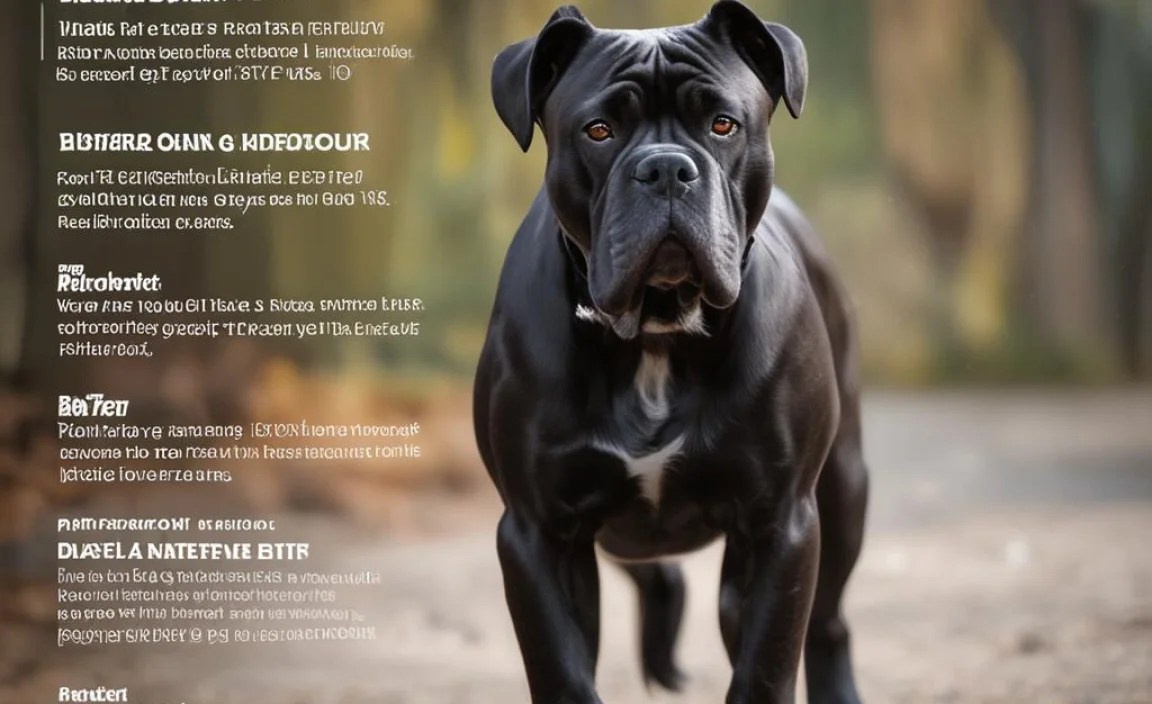
The Cane Corso is a breed with a rich history, originally bred for guarding estates and hunting large game. This heritage has endowed them with a robust build and a surprising amount of energy. Their muscular bodies and strong frames require thoughtful consideration when it comes to both physical activity and nutrition. Unlike smaller, more sedentary breeds, a Cane Corso’s lifestyle demands fuel that supports lean muscle mass, sustained energy, and joint health. Their exercise needs are not merely for amusement; they are vital for their physical and mental well-being, helping to prevent destructive behaviors and maintain a healthy weight. Similarly, their diet must be carefully curated to match their high-energy output and growth potential, especially during their developmental years.
This breed isn’t built for a marathon runner’s physique, but rather an athlete’s foundation. Think of them as powerful strikers rather than long-distance cyclists. Their exercise should often be a mix of structured activities and enriching play. Likewise, their food needs to be a carefully balanced blend, providing the building blocks for their impressive physique without leading to excessive weight gain, which can be detrimental to their joints. We’ll delve into the specifics of creating this synergy between movement and meals.
Cane Corso Exercise: Fueling the Powerhouse

Exercise is non-negotiable for a happy and healthy Cane Corso. These dogs are not meant to be couch potatoes; they need regular, engaging physical activity to manage their energy levels, maintain their muscular build, and keep their minds sharp. Without adequate exercise, a Cane Corso can become bored, anxious, and potentially develop behavioral issues like excessive barking or chewing. Furthermore, insufficient activity can contribute to weight gain and associated health problems, such as joint issues, which are a concern for large breeds.
Daily Activity Requirements
A typical adult Cane Corso thrives on at least 60 to 90 minutes of vigorous exercise per day. This doesn’t mean one long, strenuous session. It’s often best to break this down into two or three shorter periods throughout the day. This approach helps keep them engaged and prevents overexertion. Think of it as providing opportunities for them to burn off energy in manageable bursts.
Morning Exercise: A brisk walk or a good play session in the yard can start their day off right, burning off morning energy and setting a positive tone.
Afternoon/Evening Exercise: Another dedicated playtime or a longer walk, perhaps incorporating some training exercises, will help wind them down before the evening.
Mental Stimulation: Remember, exercise isn’t just physical. Puzzle toys, scent games, and obedience training sessions are crucial for their mental well-being. A tired dog is a good dog, and that includes a mentally stimulated dog.
Types of Exercise for Cane Corsos
Variety is key to keeping your Cane Corso engaged and preventing boredom. Different activities work different muscle groups and mental faculties, contributing to overall fitness and well-being.
Structured Activities
- Leash Walks: Essential for outdoor exploration and controlled activity. Aim for brisk walks where your Corso walks by your side, practicing loose-leash walking.
- Jogging/Running: Once your Cane Corso is fully grown (around 18-24 months, as rapid growth can harm developing joints), they can enjoy longer runs. Ensure the surfaces are not too hard on their joints, and always carry water.
- Strength Training: Simple exercises like sit-to-stands, hindquarter raises, and controlled jumps (when appropriate for age and health) can build muscle.
- Agility & Obedience Training: These activities combine physical movement with mental focus, providing a comprehensive workout. Many dogs enjoy the structured challenges and the positive reinforcement involved.
Playful Activities
- Fetch: A classic for a reason, fetch is great for burning energy. Use durable toys suitable for a strong jaw.
- Tug-of-War: A great bonding activity that also helps build jaw strength and pack drive. Ensure rules are established, like “drop it,” to maintain control.
- Swimming: Many Cane Corsos enjoy swimming and it’s an excellent, low-impact exercise. Introduce them to water safely and supervise them closely. You can find great dog-friendly lakes or beaches for this. For more on enjoying the water with your dog, check out this guide on kayaking with dogs, which offers insights into water safety.
- Flirt Pole Play: A flirt pole is a pole with a rope and a lure attached. It’s fantastic for improving a dog’s responsiveness and burning energy in a controlled chase.
Exercise Considerations by Age
A Cane Corso’s exercise needs change significantly as they grow. Focusing on the right kind and amount of activity is crucial to prevent injuries and support healthy development.
Puppies (Up to 12-18 Months)
Cane Corso puppies grow rapidly, and their growth plates are still developing. Over-exercising can lead to serious, permanent skeletal problems. The general rule of thumb for puppies is 5 minutes of structured exercise per each month of age, twice a day. So, a 4-month-old puppy should have about 20 minutes of exercise, twice a day.
- Focus: Gentle play, short, supervised walks, and lots of socialization.
- Avoid: Forced running, strenuous activities, jumping from heights, and long-duration walks.
- Training: Gentle introduction to basic obedience and positive reinforcement is ideal.
Adults (18 Months – 7 Years)
This is the prime of a Cane Corso’s life. They have the energy and physical capacity for robust activity. As mentioned, 60-90 minutes of daily exercise is a good target, split into multiple sessions.
- Focus: Vigorous walks, jogging (on appropriate surfaces), structured play, swimming, and advanced training.
- Balance: Ensure a mix of physical and mental stimulation.
Seniors (7+ Years)
As Cane Corsos age, their energy levels naturally decrease, and they may develop joint issues like arthritis. Exercise remains important for their mobility and mental health, but intensity and duration need to be adjusted.
- Focus: Shorter, gentler walks, occasional low-impact play, and continued mental engagement.
- Monitor: Watch for signs of fatigue or discomfort. Consult your veterinarian for advice on managing age-related conditions.
- Warmth: Ensure they stay warm, as older dogs can be more sensitive to cold weather.
It’s always a good idea to consult with your veterinarian, especially when starting a new exercise regimen or if your dog has any pre-existing health conditions. They can provide personalized recommendations based on your dog’s specific health status.
Cane Corso Diet: Nourishing for Performance

A Cane Corso’s diet is the foundation of their health, energy, and longevity. Just like an athlete needs the right fuel to perform, your Cane Corso needs a diet that supports their powerful build and active lifestyle. This means providing high-quality nutrients in the right proportions. The wrong diet can lead to a host of issues, from obesity and joint problems to dull coats and low energy. Conversely, a well-balanced diet can enhance their immune system, improve their coat quality, and ensure their muscles and bones are strong.
Key Nutritional Components
Understanding what goes into your dog’s food is crucial. For a large, active breed like the Cane Corso, specific nutrients are paramount.
Protein
Protein is the building block of muscle. Cane Corsos, with their muscular frames, require a high-quality protein source. Look for foods where a named meat source (like chicken, beef, lamb, or fish) is the first ingredient. Protein should ideally make up 25-30% of their diet, especially for active adults.
Fats
Healthy fats provide energy, support skin and coat health, and are essential for absorbing certain vitamins. Omega-3 and Omega-6 fatty acids are particularly important. Foods containing fish oil or flaxseed are good sources. Fats should typically comprise 15-20% of their diet.
Carbohydrates
Carbohydrates provide energy. Complex carbohydrates from sources like sweet potatoes, brown rice, and oats are preferable to simple sugars. They provide a sustained release of energy, which is ideal for an active breed.
Vitamins and Minerals
These are essential for numerous bodily functions, including immune support, bone health, and metabolism. Calcium and phosphorus are critical for bone development, especially in puppies and adolescent dogs. Glucosamine and chondroitin are beneficial for joint health in large breeds.
Water
Always ensure fresh, clean water is available. Dehydration can quickly impact energy levels and overall health.
Choosing the Right Food
With so many dog food options available, selecting the best one for your Cane Corso can feel overwhelming. The key is to look for high-quality ingredients and a formulation that matches your dog’s life stage and activity level.
Life Stage Formulas
- Puppy Food: Specifically formulated with higher levels of protein, calories, and minerals like calcium and phosphorus to support rapid growth. It is crucial to use a large-breed puppy formula to ensure controlled growth and prevent skeletal issues.
- Adult Food: Balanced for maintenance, providing adequate protein, fats, and nutrients for active adult dogs.
- Senior Food: Often contains fewer calories, added joint-supporting supplements, and nutrients that cater to the changing metabolism and health needs of older dogs.
Ingredient Quality
Look for foods that list a specific animal protein as the primary ingredient. Avoid foods with excessive fillers, artificial colors, flavors, or preservatives. Brands that follow AAFCO (Association of American Feed Control Officials) guidelines for complete and balanced nutrition are generally a good bet. For instance, learning more about canine nutrition standards from a reputable source like the AAFCO website can provide valuable insights.
Breed-Specific Considerations
While there isn’t a specific “Cane Corso” food, you’ll want a high-quality, large-breed formula. Some formulations might include added joint support ingredients like glucosamine and chondroitin, which are beneficial for breeds prone to hip and elbow dysplasia.
Feeding Guidelines and Portion Control
Overfeeding is a common pitfall that can lead to obesity, putting undue stress on your Cane Corso’s joints and organs. Underfeeding can lead to nutrient deficiencies and low energy.
Determining Portion Size
The amount of food your Cane Corso needs will depend on several factors:
- Age: Puppies and seniors have different caloric needs than adults.
- Activity Level: A highly active dog will require more calories than a less active one.
- Metabolism: Individual dogs metabolize food differently.
- Food Type: Calorie density varies between different brands and formulas.
Always refer to the feeding chart on your dog food bag as a starting point. Then, monitor your dog’s body condition and adjust accordingly. A good way to check is to feel their ribs; you should be able to feel them under a thin layer of fat, but not see them overtly.
Feeding Schedules
Adult Cane Corsos generally do best with two meals per day, one in the morning and one in the evening. This helps manage their energy levels and prevents them from becoming overly hungry. Puppies will need more frequent meals, typically three to four smaller meals a day, to support their growth.
Dietary Supplements: When and If Needed
While a high-quality commercial diet should provide most of the necessary nutrients, sometimes supplements can be beneficial, especially for specific health concerns.
- Joint Support: Glucosamine and chondroitin supplements are often recommended for large breeds to maintain joint health and help prevent conditions like hip and elbow dysplasia.
- Omega-3 Fatty Acids: Fish oil supplements can improve skin and coat condition, reduce inflammation, and support cardiovascular health.
- Probiotics: Can aid digestion and support a healthy gut microbiome.
It’s crucial to consult your veterinarian before starting any new supplements. They can recommend appropriate types and dosages based on your Cane Corso’s individual needs and health status. Dosage for supplements can vary significantly, and too much of a good thing can sometimes be harmful. For example, excessive calcium in puppies can cause bone growth problems.
Sample Feeding Plan for a Cane Corso

Here’s a sample feeding plan, but remember, this is a general guide. You’ll need to adjust based on your individual dog’s needs and your veterinarian’s advice.
| Life Stage | Food Type Recommendation | Approximate Daily Amount (Cups) | Feeding Schedule | Notes |
|---|---|---|---|---|
| Puppy (3-6 months) | High-Quality Large Breed Puppy Formula | 2.5 – 3.5 cups (divided) | 3-4 meals per day | Focus on controlled growth. Monitor weight gain carefully. |
| Puppy (6-12 months) | High-Quality Large Breed Puppy Formula | 3.5 – 5 cups (divided) | 3 meals per day | Growth continues; adjust based on activity. |
| Adult (Active) | High-Quality Large Breed Adult Formula | 4 – 6 cups (divided) | 2 meals per day | Adjust based on exercise. May benefit from joint supplements. |
| Adult (Less Active) | High-Quality Large Breed Adult Formula (potentially lower calorie) | 3 – 5 cups (divided) | 2 meals per day | Crucial to prevent weight gain and related joint issues. |
| Senior (7+ years) | High-Quality Large Breed Senior Formula | 3 – 5 cups (divided) | 2 meals per day | Consider lower calorie or added joint support. Monitor health closely. |
Disclaimer: The above amounts are general guidelines. Always consult your veterinarian and the specific food manufacturer’s recommendations for accurate portioning. Factors like specific kibble density and your dog’s individual metabolism will influence exact needs.
Common Challenges and Solutions

Even with the best intentions, owners might encounter some common issues when managing their Cane Corso’s exercise and diet.
Challenge: Picky Eating
Some Cane Corsos can develop fussy eating habits. This can be frustrating, as you want to ensure they are eating enough.
Solutions:
- Establish a Routine: Feed at the same times each day.
- Limited Time: Offer food for 15-20 minutes, then remove it until the next meal. This teaches them to eat when food is available.
- Enhance Palatability: A little warm water or a small amount of plain, cooked chicken broth (low sodium, no onion/garlic) can make kibble more appealing.
- Avoid Free-Feeding: This can contribute to picky behavior.
- Rule Out Medical Issues: If picky eating is a sudden change, consult your vet to rule out dental problems or underlying health concerns.
Challenge: Overweight Cane Corso
Obesity is a significant health risk for large breeds, exacerbating joint problems and potentially leading to other issues like diabetes.
Solutions:
- Measure Food Accurately: Use a measuring cup, not just guessing, for every meal.
- Reduce Treats: High-calorie treats can add up quickly. Opt for low-calorie, healthy options like small pieces of carrot or green beans (in moderation).
- Increase Exercise: Gradually increase physical activity to burn more calories.


