For a healthy and happy Cane Corso, the right exercise and a balanced diet are crucial. Tailoring both to their specific needs ensures their well-being and longevity.
Welcome, fellow dog lovers! If you’re the proud owner of a magnificent Cane Corso, you know they’re more than just pets – they’re loyal companions. Keeping your Cane Corso healthy and full of life involves a smart approach to their exercise routine and what goes into their food bowl. Sometimes, figuring out the perfect balance can feel a bit overwhelming, right? But don’t worry! This guide is here to break down everything essential for your Cane Corso’s exercise and diet needs in a simple, step-by-step way. We’ll cover how much activity they truly need, the best foods to fuel them, and how to spot any potential issues, ensuring your gentle giant thrives. Get ready to discover the proven, essential habits that will make a world of difference for your furry family member!
The Cane Corso Powerhouse: Understanding Their Needs

The Cane Corso might look imposing, but beneath that strong exterior is a devoted and intelligent dog. Bred as all-around farm dogs and guardians, they possess a hearty physique and a need for consistent, appropriate physical and mental stimulation. Their exercise and diet are not just about managing their weight; they are fundamental to their physical health, mental well-being, and overall temperament. A well-exercised and properly fed Cane Corso is less prone to behavioral issues and better equipped to handle life’s adventures with you.
These dogs have a natural athletic ability honed over centuries. Ignoring their need for activity can lead to pent-up energy, which might manifest in less-than-ideal behaviors like destructiveness or excessive barking. Similarly, feeding them incorrectly can contribute to health problems such as joint issues, obesity, or digestive upset, which are particularly important to monitor in a large breed.
Why This Matters for Your Cane Corso
When you get the exercise and diet right, you’re setting your Cane Corso up for success. You’ll notice a happier, more confident dog. Here’s why it’s so important to have this foundation:
- Physical Health: Strong muscles, healthy joints, and a good cardiovascular system.
- Mental Stimulation: Reduces boredom and prevents destructive behaviors.
- Weight Management: Prevents obesity, a common issue in large breeds that stresses joints and organs.
- Temperament: A tired dog is often a well-behaved dog. Proper exercise and nutrition contribute to a balanced demeanor.
- Longevity: A healthy lifestyle helps your Cane Corso live a longer, happier life by your side.
Mastering the Cane Corso Exercise Routine

Cane Corsos are not couch potatoes! They have energy reserves that need to be tapped into daily through a combination of physical activity and mental challenges. The key is consistency and variety to keep them engaged and fit.
Daily Exercise: The Foundation
Aim for at least 60-90 minutes of quality exercise each day. This can be broken down into a few sessions to avoid overwhelming them, especially during hot weather.
- Morning Walk: A brisk 30-45 minute walk to start the day. This helps them burn off morning energy and explore their surroundings.
- Active Play: Include 20-30 minutes of active play. This could be fetch, tug-of-war (with clear rules!), or running in a securely fenced area.
- Evening Stroll: Another 30-minute walk to wind down and relieve themselves before bed.
Always observe your Cane Corso’s body language. If they are panting excessively, slowing down, or showing signs of fatigue, it’s time to take a break. Remember, their thick coat can make them susceptible to overheating.
Beyond the Walk: Engaging Activities
While walks are essential, variety keeps their minds and bodies stimulated. Think outside the box!
- Hiking and Trail Walking: If you live near trails, explore them with your Cane Corso. These excursions offer new sights, sounds, and smells, which are great mental stimulation. Ensure trails are dog-friendly and safe for large breeds.
- Swimming: Many Cane Corsos enjoy water. Swimming is low-impact and excellent for building muscle without stressing their joints. Always introduce them to water gradually and in a safe, supervised environment.
- Canine Sports: Consider introductory classes in sports like agility (at a slower pace for their breed), scent work, or obedience. These are fantastic for mental engagement and building your bond.
- “Job” for Your Cane: These dogs were originally bred for specific tasks. Engaging them in simple “jobs” like retrieving specific items, patrolling the yard (under supervision), or participating in training exercises can fulfill their need to be useful.
A great resource for understanding canine physical needs and safe activities is the American Kennel Club (AKC) breed standard for Cane Corso, which details their historical roles and physical traits that influence their exercise requirements. You can learn more on their official AKC page.
Mental Stimulation: The Other Half of the Equation
A physically tired dog is good, but a mentally stimulated dog is truly content. Mental exercise can tire them out just as effectively as physical activity.
- Puzzle Toys: Slow feeders, treat-dispensing toys, and interactive puzzles can keep their minds sharp and engaged, especially when you’re busy.
- Training Sessions: Short, frequent training sessions (5-10 minutes) reinforce commands and teach new tricks. This is a low-impact way to use their brains.
- Nose Work Games: Hide treats around the house or yard and encourage your Cane Corso to find them. This taps into their natural scenting abilities.
- Socialization: Controlled and positive interactions with other well-behaved dogs and people can be mentally stimulating, but ensure it’s a positive experience.
Important Considerations for Cane Corso Exercise
- Age: Puppies have different needs than adult or senior dogs. Avoid over-exercising growing joints. Consult your vet about appropriate exercise for young Cane Corsos.
- Health: Any existing health conditions (e.g., hip dysplasia, heart problems) will impact their exercise tolerance. Always consult your veterinarian.
- Weather: Cane Corsos are sensitive to heat. On hot days, exercise during cooler parts of the day (early morning, late evening). Provide ample water and shade.
- Safety: Always use a sturdy leash and collar or harness. Ensure your yard is securely fenced if allowing off-leash play.
Fueling Your Cane Corso: The Essential Diet Guide

The right diet is the bedrock of your Cane Corso’s health. As a large breed with specific nutritional needs, what you feed them directly impacts their growth, energy levels, and long-term well-being. The goal is a balanced diet that supports their muscular build and active lifestyle.
Choosing the Right Food
Selecting a high-quality dog food is paramount. Look for foods formulated for large breeds, as these typically have adjusted levels of calcium and phosphorus, essential for bone health and slow, steady growth.
- Protein: Aim for a food where a named meat source (like chicken, beef, lamb) is the first ingredient. Protein is vital for muscle development.
- Fat: Healthy fats provide energy and are good for skin and coat health. Look for sources like chicken fat or fish oil.
- Carbohydrates: Opt for digestible carbohydrates like sweet potatoes, brown rice, or oats.
- Vitamins and Minerals: Ensure the food is complete and balanced with essential vitamins and minerals.
- Avoid Fillers: Steer clear of foods with excessive corn, wheat, soy, or artificial additives, which offer little nutritional value and can be common allergens.
Feeding Guidelines: How Much and How Often?
The amount of food your Cane Corso needs will vary based on their age, activity level, metabolism, and the specific food’s calorie density. Always refer to the feeding guidelines on the dog food packaging as a starting point, but be prepared to adjust.
General Guidelines for Adult Cane Corsos:
- Adult dogs typically require 2-4 cups of high-quality dry kibble per day.
- This amount should be split into two meals – one in the morning and one in the evening.
- This helps prevent bloat, a serious condition common in deep-chested breeds like the Cane Corso.
Puppy Nutrition:
- Cane Corso puppies grow rapidly and require a diet specifically formulated for large-breed puppies.
- These diets help regulate growth to prevent conditions like hip dysplasia.
- Puppies usually eat 3-4 times a day, with the frequency decreasing as they get older. Consult with your veterinarian for specific puppy feeding schedules.
Senior Nutrition:
- As your Cane Corso ages, their metabolism slows, and they may develop specific health needs.
- Senior formulas often have fewer calories, adjusted protein and fat levels, and added supplements like glucosamine for joint health.
Dietary Choices: Kibble, Wet Food, or Raw?
There are several dietary approaches, and the best one for your Cane Corso depends on various factors.
| Food Type | Pros | Cons |
|---|---|---|
| Dry Kibble | Convenient, long shelf life, helps clean teeth, widely available. Often cost-effective. | Can be less palatable to some dogs, quality varies greatly, processing can reduce nutrient value. |
| Wet/Canned Food | Highly palatable, good for picky eaters, higher moisture content. | More expensive, shorter shelf life once opened, can contribute to dental issues if not paired with dental care. |
| Raw Diet (BARF, etc.) | Mimics ancestral diet, can improve coat and digestion, highly palatable. Potential for increased energy. | Requires careful planning to ensure complete nutrition, risk of bacterial contamination (for dog and humans), can be expensive and time-consuming to prepare. Consult a canine nutritionist. |
| Fresh/Home-Cooked | Control over ingredients, good for dogs with allergies. | Requires extensive knowledge to ensure balanced nutrition, time-consuming, potentially expensive. Consult a veterinary nutritionist. |
Many owners find success with a high-quality kibble, possibly supplemented with a small amount of wet food or safe, dog-friendly additions for palatability. If considering a raw or home-cooked diet, consulting a veterinary nutritionist is crucial to avoid deficiencies or excesses that could harm your dog. The World Small Animal Veterinary Association (WSAVA) offers guidelines on choosing pet foods that can be helpful.
Supplements: When and If Needed
A good-quality, balanced dog food should provide most of the nutrients your Cane Corso needs. However, some supplements can be beneficial, especially for large breeds prone to joint issues:
- Glucosamine and Chondroitin: These are commonly recommended for joint health, to support cartilage and potentially slow the progression of osteoarthritis.
- Omega-3 Fatty Acids (Fish Oil): Beneficial for skin and coat health, as well as reducing inflammation.
- Probiotics: Can aid digestion and support gut health.
Always discuss supplements with your veterinarian. They can recommend appropriate products and dosages based on your dog’s individual health needs and diet.
Water: The Forgotten Nutrient
Fresh, clean water should always be available to your Cane Corso. Dehydration can occur quickly, especially during exercise or hot weather. Ensure their water bowl is clean and accessible at all times.
Common Issues and When to Seek Veterinary Advice

Exercise-Related Concerns
- Lameness or Limping: Could indicate an injury, arthritis, or a more serious condition.
- Extreme Fatigue or Lethargy After Exercise: Your dog might be overexerting themselves, or there could be an underlying health issue.
- Heatstroke Symptoms: Excessive panting, drooling, bright red gums, weakness, staggering, vomiting, or collapse are emergency signs. Move your dog to a cool place immediately and seek emergency veterinary care.
- Joint Pain: Stiffness, reluctance to move, or yelping when getting up can signal joint problems like hip or elbow dysplasia, common in large breeds.
Diet-Related Concerns
- Sudden Weight Gain or Loss: Can indicate dietary imbalance, metabolic issues, or health problems.
- Digestive Upset: Persistent vomiting, diarrhea, or loss of appetite requires veterinary attention.
- Poor Coat Quality: A dull, dry, or flaky coat can be a sign of poor nutrition or underlying health issues.
- Allergies or Sensitivities: Signs include itching, skin rashes, ear infections, or digestive upset.
It’s essential to have a strong relationship with your veterinarian. They can provide breed-specific advice, diagnose issues, and help you create a personalized wellness plan that includes diet and exercise tailored to your Cane Corso.
Putting It All Together: A Sample Weekly Plan
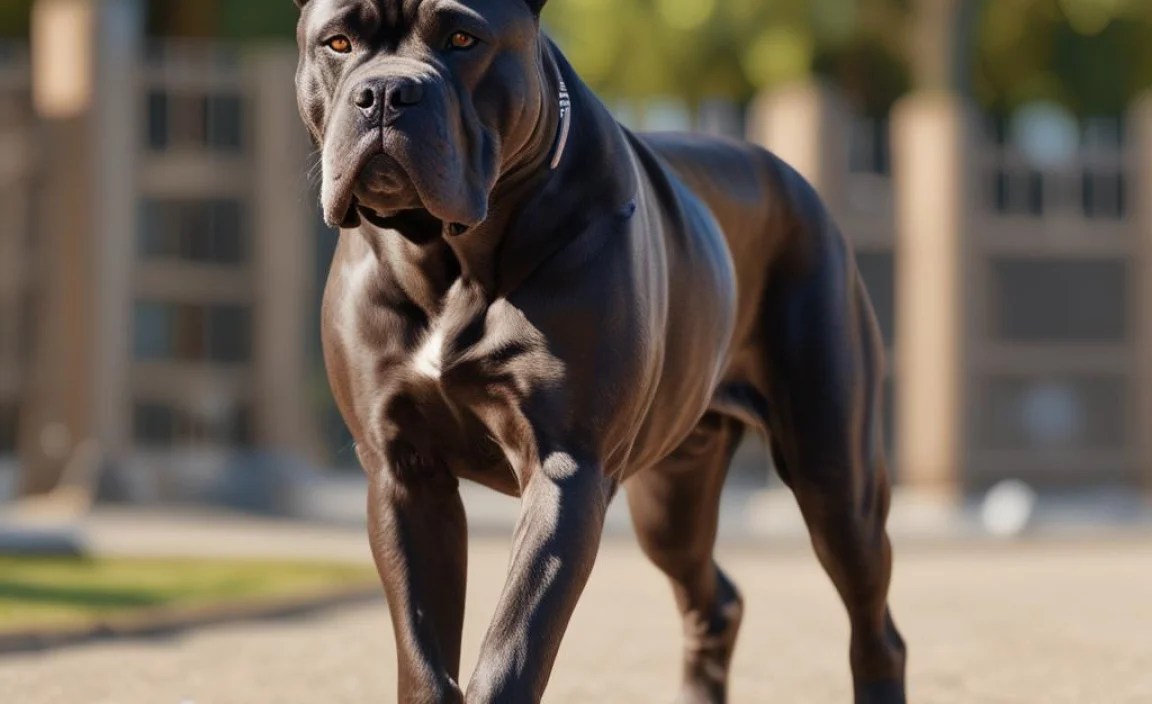
This is a sample plan and should be adjusted based on your dog’s energy levels, age, and your lifestyle. Always prioritize safety and your dog’s well-being.
Monday: Active Focus
- Morning: 45-minute brisk walk in the neighborhood.
- Afternoon: 30 minutes of fetch in a fenced yard.
- Evening: 15-minute training session (new tricks, obedience recall).
- Food: High-quality large-breed kibble (appropriate portions per feeding guide).
Tuesday: Mental Stimulation Day
- Morning: 30-minute walk, focusing on new routes.
- Afternoon: 30 minutes with puzzle toys and nose work games.
- Evening: 20-minute gentle stroll.
- Food: Standard feeding, perhaps adding a tablespoon of plain pumpkin for fiber if recommended by vet.
Wednesday: Endurance Outing
- Morning: 60-minute hike on a dog-friendly trail (ensure moderate terrain).
- Afternoon: Rest and short potty breaks.
- Evening: 20-minute easy walk.
- Food: Standard feeding, ensure plenty of water intake throughout the day.
Thursday: Strength and Play
- Morning: 40-minute walk with some interval sprints.
- Afternoon: 30 minutes of supervised tug-of-war and obedience work.
- Evening: 20-minute relaxing walk.
- Food: High-quality kibble, consider a small topper of plain, unsalted chicken broth for palatability.
Friday: Water or Agility Fun (Weather Permitting)
- Morning: 30-minute walk.
- Afternoon: 20-30 minutes of swimming (if accessible and safe) OR a short introductory agility session in the yard.
- Evening: 20-minute winding down walk.
- Food: Standard feeding.
Saturday: Socializing and Exploration
- Morning: Visit a dog-friendly park or meet with a well-known dog friend for playtime (ensure safe interactions).
- Afternoon: Relaxing nap.
- Evening: 40-minute walk exploring a new park.
- Food: Standard feeding, possibly a small, healthy treat for good behavior during socialization.
Sunday: Rest and Gentle Activity
- Morning: 30-minute leisurely walk.
- Afternoon: Gentle stretching or short training session.
- Evening: 20-minute quiet stroll.
- Food: Standard feeding, focus on hydration.
Remember to monitor your dog closely and adjust the intensity and duration of activities based on their response. The goal is consistency, not exhaustion.
Frequently Asked Questions About Cane Corso Exercise and Diet
Q1: How much exercise does a Cane Corso puppy need?
Cane Corso puppies need less intense exercise than adults. Focus on short play sessions (5-10 minutes, a few times a day) and short walks (5-10 minutes). Avoid long, strenuous activities to protect their rapidly growing joints. Always supervise play and ensure it’s not overwhelming.
Q2: Can my Cane Corso get too much exercise?
Yes, over-exercising can be detrimental, especially for puppies and senior dogs. Signs include extreme fatigue, lameness, or reluctance to move. It can lead to injuries and joint problems. Always tailor exercise to your dog’s age, health, and stamina.
Q3: What’s the best food for a Cane Corso with sensitive digestion?
For sensitive digestion, look for limited-ingredient diets using novel proteins (like duck or venison) or easily digestible carbohydrates (like sweet potato or peas). Hypoallergenic formulas are also an option. Consult your


