Cane Corso exercise at the dog park is essential for their physical health and mental well-being. A well-exercised Cane Corso is a happy, well-behaved companion, and the dog park offers a safe, controlled environment for them to play and socialize.
Taking your Cane Corso to the dog park is a fantastic way to burn off their energy and provide crucial socialization. These intelligent and powerful dogs need regular, vigorous activity to stay happy and healthy. Sometimes, figuring out exactly how much exercise a Cane Corso needs can feel a bit overwhelming, especially if you’re new to the breed. You might worry if they’re getting enough stimulation or treading too much. But don’t fret! This guide will walk you through making dog park visits a beneficial and enjoyable experience for both you and your Cane Corso, ensuring they get the most out of their outdoor adventures. Let’s dive into how to maximize the fun and function of your dog park excursions!
Why Dog Parks Are Great for Cane Corsos

Cane Corsos are naturally active and intelligent dogs. They thrive on having a job to do, and exercise is a critical part of that. Dog parks offer a unique environment that caters to their needs in several ways.
Physical Benefits
The sheer space in most dog parks allows your Cane Corso to run, leap, and play to their heart’s content. This kind of free-form movement is vital for maintaining a healthy weight, building strong muscles, and keeping their cardiovascular system in top shape. Unlike a structured walk on a leash, a dog park allows for bursts of energy, sprinting, and chasing. This is especially important for a larger breed like the Cane Corso, who has the potential for significant energy reserves.
Mental Stimulation
Exercise isn’t just about the body; it’s also about the mind. At the dog park, your Cane Corso is exposed to new sights, sounds, and smells. They interact with other dogs and people, which provides a wealth of mental stimulation. This constant engagement helps prevent boredom, which can lead to destructive behaviors or anxiety in intelligent dogs. Problem-solving (like figuring out how to get a ball or navigate a new doggy friend) keeps their minds sharp.
Socialization Opportunities
Proper socialization is key to raising a well-adjusted Cane Corso. The dog park is a prime location for them to learn how to interact positively with other dogs of various sizes and temperaments, as well as different types of people. Learning to read canine body language and navigate social cues is a skill they develop through these interactions. Positive experiences at the dog park can reinforce their confidence and make them more comfortable in various social settings outside the park.
Bonding with Your Dog
While your Cane Corso will be interacting with other dogs, the dog park can also be a fantastic place to strengthen your bond. Playing fetch, practicing commands in a distracting environment, or simply observing your dog enjoy themselves while you’re present builds trust and connection. It gives you insight into their personality and how they handle different situations.
Preparing Your Cane Corso for the Dog Park

Before you unleash your magnificent Cane Corso into the canine playground, a little preparation goes a long way to ensure a safe and positive experience for everyone.
Essential Gear Checklist
Having the right tools makes your dog park visit smoother and safer. Here’s what you’ll want to pack:
- Sturdy Leash: A 6-foot leash is ideal for managing your dog as you enter and exit. Avoid retractable leashes, as they offer less control.
- Secure Collar or Harness: Ensure it fits snugly but comfortably. A harness can be better for breeds with strong pulls and reduces the risk of tracheal collapse associated with collars. Consider a well-fitting, no-pull harness for better control.
- Water and Collapsible Bowl: Hydration is crucial, especially for active breeds. Bring plenty of fresh water.
- Poop Bags: Always be prepared to clean up after your dog. It’s a non-negotiable rule of dog parks.
- High-Value Training Treats: Small, tasty treats can be useful for rewarding good behavior or for quick recall exercises.
- First-Aid Kit: For minor scrapes or paw injuries, a small pet first-aid kit is a wise precaution.
- A Reliable Toy: If your dog enjoys fetch, a durable toy can add to the fun.
Health and Vaccinations
Your Cane Corso must be up-to-date on all vaccinations before visiting a public space like a dog park. This protects them from diseases and ensures they don’t pose a risk to other dogs. Recommended vaccinations often include rabies, distemper, and parvovirus. It’s also important that they are on a flea and tick preventative. A quick check-up with your veterinarian can confirm your dog is healthy and ready for off-leash adventures. Your vet can provide a list of recommended vaccinations and parasite control products for your region. You can find general recommendations for dog vaccination schedules from the American Veterinary Medical Association (AVMA).
Basic Obedience for Safety
A solid foundation in basic obedience is paramount. Your Cane Corso should reliably respond to commands like:
- “Come” (Recall): This is the most critical command for safety.
- “Leave It”: Essential for preventing them from picking up something undesirable or dangerous.
- “Sit” and “Stay”: Useful for managing moments of excitement or waiting.
- “Drop It”: Helpful if they pick up something they shouldn’t have.
These commands ensure you can manage your dog in a potentially chaotic environment and retrieve them if needed.
Dog Park Etiquette and Safety for Cane Corsos

Navigating the dog park requires a certain level of awareness and adherence to etiquette to ensure everyone, including your powerful Cane Corso, has a positive experience.
Choosing the Right Dog Park
Not all dog parks are created equal. When selecting one for your Cane Corso, consider:
- Size: A larger park is better for a breed that needs room to run.
- Separate Areas: If available, a section for larger, more energetic dogs can be ideal.
- Surface: Look for a well-maintained surface (grass, wood chips, or sand) rather than just dirt, which can become muddy and unsanitary.
- Fencing: Ensure the fencing is tall and secure, with no gaps where a dog could escape or get through. Reputable park designs often adhere to standards like those outlined by the California Department of Parks and Recreation for park infrastructure.
- Cleanliness: A well-maintained park will have plenty of trash cans and poop bag dispensers, and the ground will be regularly cleaned of waste.
Understanding Dog Body Language
It’s vital to be able to read your dog’s signals and those of other dogs. A playful dog might have a wagging tail (often held high), loose body posture, and take bows. Signs of stress or fear include a tucked tail, pinned ears, lip licking, yawning (when not tired), and avoidance behaviors. Signs of aggression can include stiffening, growling, snarling, and direct staring. If you see these signs in your dog or another, it’s time to intervene or leave.
Supervision is Key
Even with a well-trained and socialized Cane Corso, you must supervise closely. Never leave your dog unattended. Watch interactions to prevent misunderstandings or escalating conflicts. Intervening early is crucial. If you see two dogs getting too intense, distract them with a loud noise or call them away.
Introducing Your Cane Corso
When you first arrive, keep your Cane Corso on a leash and observe the other dogs. Let your dog get accustomed to the new environment and sniff the air. If the other dogs seem calm and welcoming, you can then let your dog off-leash. Introduce them to one or two calm, friendly dogs first. Avoid introducing them to an overcrowded or chaotic situation.
Dealing with Unwanted Interactions
If another dog is overly persistent, bullying your Cane Corso, or if your dog is showing signs of stress, it’s time to remove your dog from the situation. You can do this by calling your dog to you and walking away, or by physically picking them up if they are small enough and the situation is dire (though this is less likely with a Cane Corso). Most well-run parks have rules against owners who don’t supervise or clean up after their dogs; it’s important to report problematic behavior if necessary.
How to Maximize Cane Corso Exercise at the Dog Park
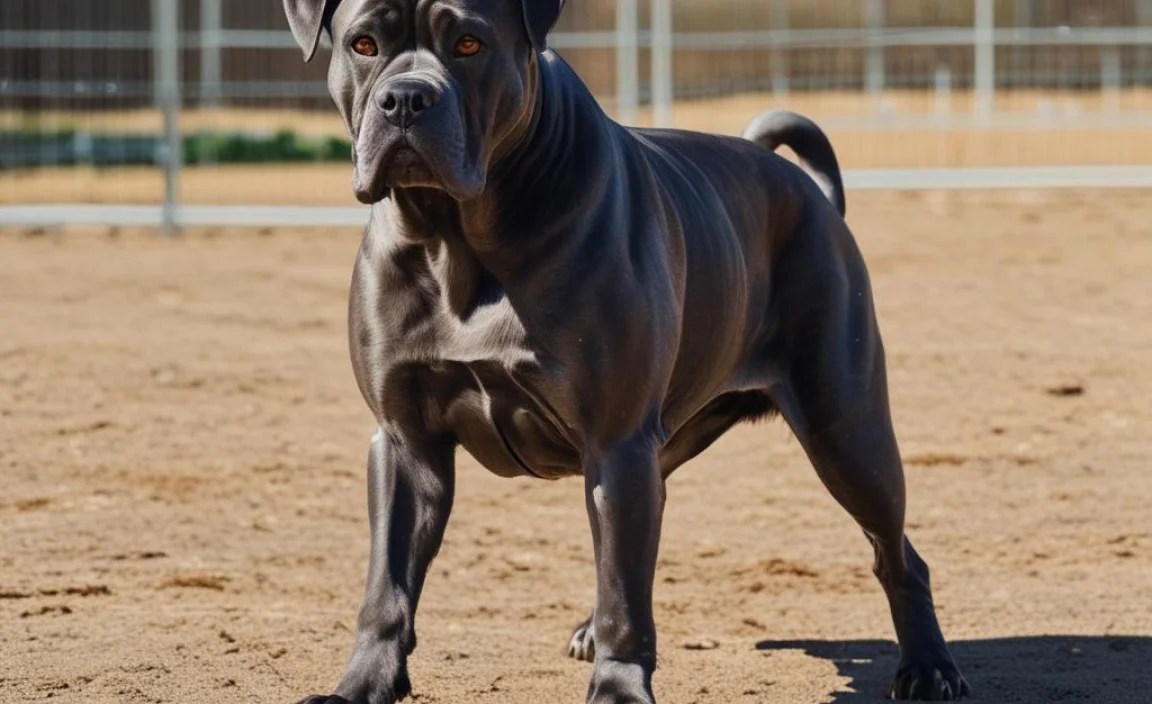
The dog park is more than just a place to let your Cane Corso run wild; it’s an opportunity to engage them actively.
Engaging Play Activities
- Fetch: A classic for a reason. If your Cane Corso loves to retrieve, bring their favorite durable toy. Vary the throws to keep them engaged.
- Tug-of-War: With a sturdy rope toy, tug can be a great outlet for their strength and natural instincts. Ensure you maintain control and stop if play gets too rough or if you suspect dominance issues.
- Social Play: Encourage interaction with well-matched playmates. Supervise to ensure it remains positive.
- Agility Drills: Use park benches or low walls (if safe and appropriate) for simple jumps or weaves, turning the park into a makeshift agility course.
Duration and Frequency of Visits
Cane Corsos are a large breed with significant energy. Aim for at least 30-60 minutes of vigorous activity at the dog park, ideally 3-5 times per week. The exact duration and frequency will depend on your individual dog’s age, health, and energy level. Puppies need shorter, more frequent sessions to avoid overexertion. Senior dogs may need less time and lower intensity. Paying attention to your dog’s cues—panting, slowing down, lying down—is the best way to know when they’ve had enough.
After-Park Care
Once you get home, consider these steps:
- Cool Down: Allow your dog to relax and drink water.
- Check for Injuries: Inspect paws for cuts or thorns, check ears for debris, and look for any signs of ticks.
- Grooming: Brush out any burrs or dirt, especially from their coat.
- Mental Recharge: Sometimes, a quiet puzzle toy or a chewer can help them wind down further after an exciting outing.
Factors Affecting Exercise Needs
Every dog is unique, and your Cane Corso’s exercise requirements will vary based on several factors.
Age
A Cane Corso puppy has different needs than an adult or a senior dog.
- Puppies (under 1 year): Their bones and joints are still developing. Exercise should be short, frequent, and low-impact. Avoid excessive jumping or long, strenuous runs. Dog park play should be brief and carefully supervised, focusing on positive socialization with calm, known adult dogs. Over-exercising can lead to developmental orthopedic issues.
- Adults (1-7 years): This is when they have the most energy and stamina. They benefit greatly from vigorous exercise like dog park runs, hiking, or strong play sessions. 45-90 minutes of exercise daily, split into sessions, is a good benchmark.
- Seniors (7+ years): While still needing to move, their exercise intensity and duration will decrease. Gentle walks and shorter, less rigorous dog park visits focusing on sniffing and light play are more appropriate.
Health and Fitness Level
A healthy, fit Cane Corso will have higher energy needs than one recovering from an illness or injury, or one who is overweight. Always consult your veterinarian before starting or significantly increasing an exercise routine, especially if your dog has any pre-existing health conditions like hip dysplasia, heart issues, or respiratory problems.
Temperament and Personality
Some Cane Corsos are more high-energy and driven than others. A dog bred for work or protection might have a different exercise requirement than one intended purely as a family pet. Observe your dog’s behavior. Do they seem restless even after a walk? Are they destructive when left alone? These could be signs they need more mental or physical stimulation.
Alternative and Complementary Exercises
While the dog park is excellent, it’s not your only option for exercising a Cane Corso. Variety is the spice of life for any dog!
Structured Walks and Hikes
Long, brisk walks in interesting environments are fantastic. Hiking offers varied terrain, which is excellent for building core strength and providing new sensory experiences. Ensure your Cane Corso is leashed on hikes in areas with wildlife or where leash laws apply.
Running and Jogging
If your dog is physically mature and healthy, running or jogging alongside you can be a great way for them to expend energy. Start slowly and gradually increase the distance and intensity. Consider using a waist leash for hands-free running.
Enrichment Activities at Home
Mental exercise is just as important as physical.
- Puzzle Feeders: These slow down eating and make your dog work for their food, providing mental stimulation.
- Training Sessions: Regular short training sessions (5-10 minutes) reinforce commands and engage their minds. Teaching new tricks can be challenging and rewarding.
- Nose Work Games: Hide treats around the house or yard and encourage your dog to find them.
Canine Sports
For advanced stimulation, consider trying sports like:
- Agility: Navigating obstacle courses.
- Dock Diving: For water-loving dogs.
- Obedience Trials: Formal testing of obedience skills.
- Protection Sports (with professional guidance): While the Cane Corso has protective instincts, formal sports like Schutzhund (IPO) require extensive, expert training.
These activities not only provide excellent exercise but also strengthen the bond between you and your dog and can channel their natural drives positively. Resources like the American Kennel Club (AKC) provide extensive information on various dog sports.
Common Dog Park Pitfalls and How to Avoid Them
Even with the best intentions, dog parks can sometimes present challenges. Being prepared can save you a lot of stress.
Overcrowding
A park with too many dogs, especially if they are all of similar energy levels or temperaments, can quickly become overstimulating and lead to conflicts. If a park is too crowded, consider coming back at a different time or opting for a different, less crowded exercise method.
Incompatible Dog Personalities
Not all dogs are friends, just like not all people are. Introducing a large, powerful breed like the Cane Corso into a mix of very small or timid dogs should be done with extreme caution. If your Cane Corso is being hassled or is showing signs of being overly dominant or anxious, it’s best to end the visit.
Poor Owner Management
Some owners fail to supervise their dogs, don’t clean up after them, or allow their dogs to engage in aggressive behavior. Recognize these situations and protect your dog by leaving if you feel unsafe or uncomfortable.
Unsanitary Conditions
If a park is not well-maintained, it can be a breeding ground for parasites and diseases. Always check for cleanliness before letting your dog off-leash. If you notice the park is consistently unclean, consider finding an alternative.
Your Cane Corso’s Reaction
Some Cane Corsos may be naturally more reserved or wary of other dogs. Others might be overly boisterous. Understanding your dog’s individual personality is key. If your dog seems consistently anxious, fearful, or aggressive at the dog park, it may not be the right environment for them, or they may need more desensitization and positive reinforcement training before returning.
Troubleshooting Common Cane Corso Exercise Needs
Sometimes, even with regular park visits, you might encounter specific issues related to your Cane Corso’s energy or behavior.
Too Much Energy Despite Exercise
If your Cane Corso still seems to have excess energy, even after park visits, consider:
- Increasing Duration: Extend your park visits or add another short one daily.
- Increasing Intensity: Incorporate more vigorous play like faster fetch or structured training sessions.
- Mental Stimulation: Boredom can manifest as restlessness. Introduce more puzzle toys, scent games, or new training challenges.
- Diet Check: Ensure you’re feeding a high-quality diet appropriate for their age and activity level, but also ensure they aren’t overeating, which can lead to sluggishness.
Lack of Interest in Other Dogs
Some Cane Corsos are naturally more independent or prefer human interaction over canine playmates. This is often fine! If your dog is happy and well-adjusted, they don’t need to be the life of the dog park party. Focus on activities they do enjoy, whether it’s fetch with you, exploring new trails, or advanced training.
Reluctance to Participate
If your Cane Corso is hesitant to play or engage, it could be due to:
- Fear or Anxiety:


