Cane Corso exercise dominance is best achieved through a structured, consistent, and varied plan that meets their physical and mental needs. A balanced approach combining daily walks, vigorous play, mental stimulation, and engaging activities builds confidence and a strong bond, preventing behavioral issues.
Is your majestic Cane Corso a bundle of pent-up energy? Do you find yourself wondering how to best channel that impressive power and intelligence? Many Cane Corso owners face the challenge of understanding and meeting their dog’s unique exercise needs. It’s a common frustration, especially when dogs aren’t properly exercised, leading to boredom and potential behavioral issues.
But don’t worry! With the right approach, you can create a fulfilling exercise routine that keeps your Cane Corso happy, healthy, and well-behaved. This guide will walk you through a proven plan, step-by-step, to establish that crucial balance.
Cane Corso Exercise Dominance: The Proven Best Plan

The Cane Corso, a breed known for its strength, loyalty, and protective instincts, requires a comprehensive exercise regimen to thrive. “Exercise dominance” in this context doesn’t mean overpowering your dog, but rather understanding and leading their energy in a positive and constructive way. This breed needs more than just a quick stroll around the block; they crave physical exertion, mental challenges, and a sense of purpose. A well-exercised Cane Corso is typically a calmer, more well-adjusted companion. Neglecting their exercise needs can lead to destructive behaviors, excessive barking, and anxiety.
Developing the “best plan” involves understanding the breed’s history as a working dog and channeling their natural drives appropriately. This isn’t about brute force; it’s about intelligent management of their energy. We’ll explore the essential components of a successful exercise program, from daily activities to specialized training, ensuring your Cane Corso reaches their full potential as a balanced canine citizen.
Understanding the Cane Corso’s Exercise Needs

Cane Corsos were originally bred in Italy as guard dogs, farm dogs, and even for hunting large game. This heritage means they possess a high energy level, intelligence, and a need to be physically and mentally engaged. Their exercise requirements vary depending on age, health, and individual temperament, but a general guideline for an adult Cane Corso is at least 60-90 minutes of vigorous activity per day.
This doesn’t mean one long, strenuous session. The most effective approach breaks down exercise into multiple parts throughout the day, incorporating:
- Physical Exercise: To burn off excess energy and maintain muscle tone.
- Mental Stimulation: To challenge their minds, preventing boredom and promoting problem-solving skills.
- Socialization and Training: To ensure they are well-behaved and confident in various situations.
A mismatch between the dog’s needs and the owner’s commitment to providing exercise can lead to frustration for both. By proactively understanding and addressing these needs, you can build a stronger bond and prevent many common behavioral issues.
The Core Components of a Cane Corso Exercise Plan

A truly effective plan for Cane Corso exercise dominance is not a one-size-fits-all solution. It’s a dynamic system built on consistency, variety, and understanding your specific dog. Here are the foundational pillars:
1. Daily Physical Activity: The Cornerstone
This is non-negotiable for a breed like the Cane Corso. Daily movement is crucial for their physical health, joint mobility, and overall well-being. Think of it as essential maintenance.
a. Brisk Walks: More Than Just a Stroll
Your daily walks should be more than a leisurely sniff-and-greet. Aim for a brisk pace that gets your Cane Corso’s heart rate up. This helps them burn energy and builds endurance.
- Duration: Dedicate at least two 30-minute brisk walks per day.
- Pace: Maintain a consistent, purposeful stride. Your dog should be walking beside or slightly behind you, demonstrating calm leadership.
- Leash Manners: Crucial for control and safety, especially with a powerful breed. Invest in a good quality, comfortable leash and consider a front-clip harness or a well-fitted head halter if you’re struggling with pulling. Practicing loose-leash walking daily reinforces your leadership and their controlled energy.
- Environment: Vary your walking routes to provide new sights and smells, adding an element of mental stimulation to the physical activity.
b. Running and Jogging: For the Energetic Duo
Once your Cane Corso is physically mature (typically 18-24 months, consult your vet), supervised running and jogging can be excellent. This is a great way to expend serious energy.
- When to Start: Wait until their growth plates have closed to avoid joint damage.
- Frequency: Incorporate short runs a few times a week as part of their routine.
- Safety First: Always check the weather. Avoid extreme heat or cold. Ensure your dog is hydrated.
- Leash Protocol: Continue to practice leash control even during runs.
c. Hiking Adventures: Exploring the Great Outdoors
Cane Corsos often enjoy exploring rugged terrain. Hiking provides excellent cardiovascular exercise and mental engagement through navigating varied landscapes and encountering nature.
- Preparation: Ensure your dog is healthy enough for longer excursions. Pack water, a portable bowl, and consider a pet first-aid kit.
- Trail Etiquette: Always keep your dog on a leash unless in a designated off-leash area where it is permitted and safe to do so. Be mindful of other hikers and their dogs.
- Terrain: Mix varied terrain for a more challenging workout.
2. Vigorous Play and Structured Activities: Burning Off Steam
Beyond structured walks, incorporating active playtime is essential for mental and physical release. This is where you can really engage your dog’s natural instincts in a controlled and fun manner.
a. Fetch and Retrieve Games: Instinctual Fun
Many dogs love to chase and retrieve. This game taps into their prey drive in a safe way.
- Tools: A durable, favorite fetch toy (like a sturdy ball or frisbee).
- Technique: Keep sessions engaging but not endless. Aim for short bursts of high-energy activity followed by calm reinforcement. You can also incorporate simple commands like “drop it” and “wait.”
- Safety: Ensure the play area is safe and free of hazards. Avoid over-exertion, especially in hot weather.
b. Tug-of-War: A Test of Self-Control
Tug-of-war can be a fantastic way to bond and teach impulse control. The key is that YOU initiate and end the game, and your dog must release the toy on command.
- Winning the Game: Teach your dog to release the toy when you say “drop it” or “out.” If they don’t, calmly stop the game until they release. This teaches them who is in control.
- Play Rules: Ensure teeth don’t touch skin. If they do, the game instantly stops.
- Reinforce Leadership: Always be the one to initiate and end the game.
c. Swimming: A Low-Impact Workout
Many Cane Corsos actually enjoy water! Swimming is an excellent low-impact exercise, particularly beneficial for older dogs or those with joint issues. Always supervise closely and ensure your dog is comfortable and safe around water.
- Introduction: Introduce water gradually and positively.
- Safety: Always supervise. Ensure safe entry and exit points. Consider a dog life vest for added safety.
3. Mental Stimulation: The Brain Workout
A dog’s brain needs exercise just as much as their body. Mental stimulation is crucial for preventing boredom, reducing anxiety, and developing their problem-solving skills, which significantly contributes to “exercise dominance” by keeping their minds engaged.
a. Puzzle Toys and Food Dispensers
These toys are designed to dispense treats or kibble as the dog manipulates them, making mealtime a fun challenge.
- Examples: Kongs filled with peanut butter or yogurt (frozen for a longer challenge), treat-dispensing balls, and interactive feeders.
- Benefit: Slows down eating and requires focus and problem-solving. You can find excellent options at reputable pet supply stores.
b. Scent Work and Nose Games
Harness your dog’s powerful sense of smell. This is incredibly satisfying for them.
- Simple Start: Hide treats around a room or yard and encourage your dog to find them.
- Advanced: Look into formal nose work classes. You can learn more about the benefits and techniques from organizations like the North American Canid Education Association (NACE).
c. Training Sessions: Reinforcing Bonds and Behaviors
Regular training is a form of mental exercise. It reinforces commands, builds focus, and strengthens your leadership role.
- Frequency: Short, frequent sessions (5-10 minutes) are more effective than one long session.
- Focus: Practice basic obedience, introduce new tricks, or work on specific challenges your dog might have.
- Positive Reinforcement: Always use positive reinforcement methods.
4. Structured Training and Breed-Specific Activities
Beyond basic obedience, consider activities that leverage the Cane Corso’s intelligence and protective nature in a controlled way.
a. Agility Training
While not all Cane Corsos will compete, basic agility can be incredibly beneficial. Navigating tunnels, jumps (at appropriate heights), and weave poles provides excellent physical and mental exercise.
- Focus: Builds body awareness, confidence, and responsiveness.
- Safety: Ensure jumps are set at appropriate heights and the course is safe, especially for their joints.
b. Schutzhund/IPO (Modern IPO): For Advanced Handlers
For experienced owners with well-socialized and trained Corsos, the sport of IPO (formerly Schutzhund) can be a demanding and rewarding activity that tests obedience, tracking, and protection. This requires significant dedication and professional guidance.
- Commitment: This is not a casual hobby; it requires rigorous training and a qualified instructor.
- Breed Fit: While not all Corsos are suited for this, some excel in demanding work.
5. Socialization: The Importance of Exposure
While not strictly “exercise,” proper socialization is vital for a well-balanced Cane Corso and influences their behavior during all activities.
- Early Start: Expose puppies to a wide variety of people, sounds, sights, and other well-behaved dogs.
- Ongoing: Continue socialization throughout adulthood.
- Controlled Interactions: Ensure interactions are positive and safe.
Structuring Your Cane Corso’s Weekly Exercise Plan
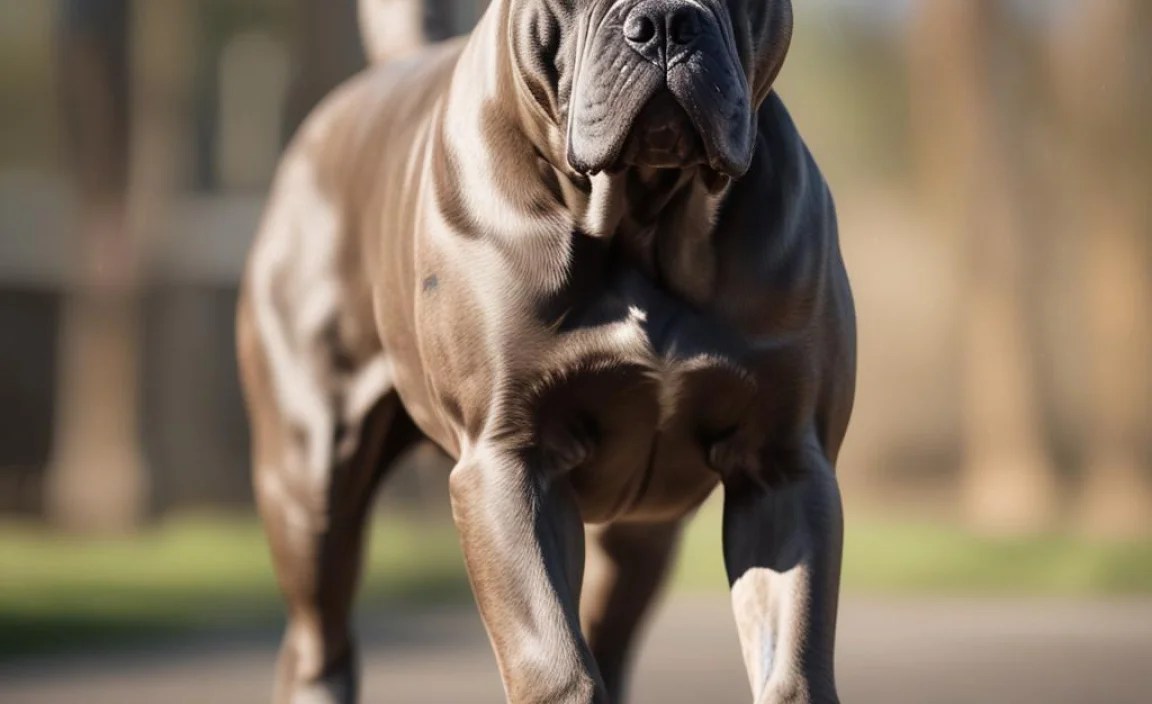
Here’s a sample weekly structure. Remember to adapt this based on your dog’s age, energy level, and your availability. Consistency is key!
Monday:
- Morning: 30-minute brisk walk.
- Afternoon: 15-minute fetch session or obedience training refresher.
- Evening: 30-minute brisk walk.
- Mental Stimulation: Food puzzle toy for dinner.
Tuesday:
- Morning: 45-minute hike or vigorous park visit (on leash).
- Afternoon: 10-minute tug-of-war session (controlled release).
- Evening: 30-minute brisk walk.
- Mental Stimulation: Scent game (hide-and-seek with treats).
Wednesday:
- Morning: 30-minute brisk walk.
- Afternoon: 20-minute agility practice or varied obedience exercises.
- Evening: 30-minute brisk walk.
- Mental Stimulation: Interactive feeding toy.
Thursday:
- Morning: 30-minute brisk walk.
- Afternoon: 20-minute jog or longer fetch session.
- Evening: 30-minute brisk walk.
- Mental Stimulation: Training session with new tricks.
Friday:
- Morning: 60-minute brisk walk or moderate hike.
- Afternoon: Free play in a secure yard or 15-minute fetch.
- Evening: 30-minute brisk walk.
- Mental Stimulation: Puzzle feeder.
Saturday:
- Morning: Longer adventure – extended hike, dog-friendly beach visit, or park (always on leash where required).
- Afternoon: Rest or light walk.
- Evening: 30-minute walk.
Sunday:
- Morning: 30-minute brisk walk.
- Afternoon: 20-minute training session, focusing on skills or introduction to new commands.
- Evening: 30-minute brisk walk.
- Mental Stimulation: Reward with a stuffed Kong.
Essential Gear for Cane Corso Exercise
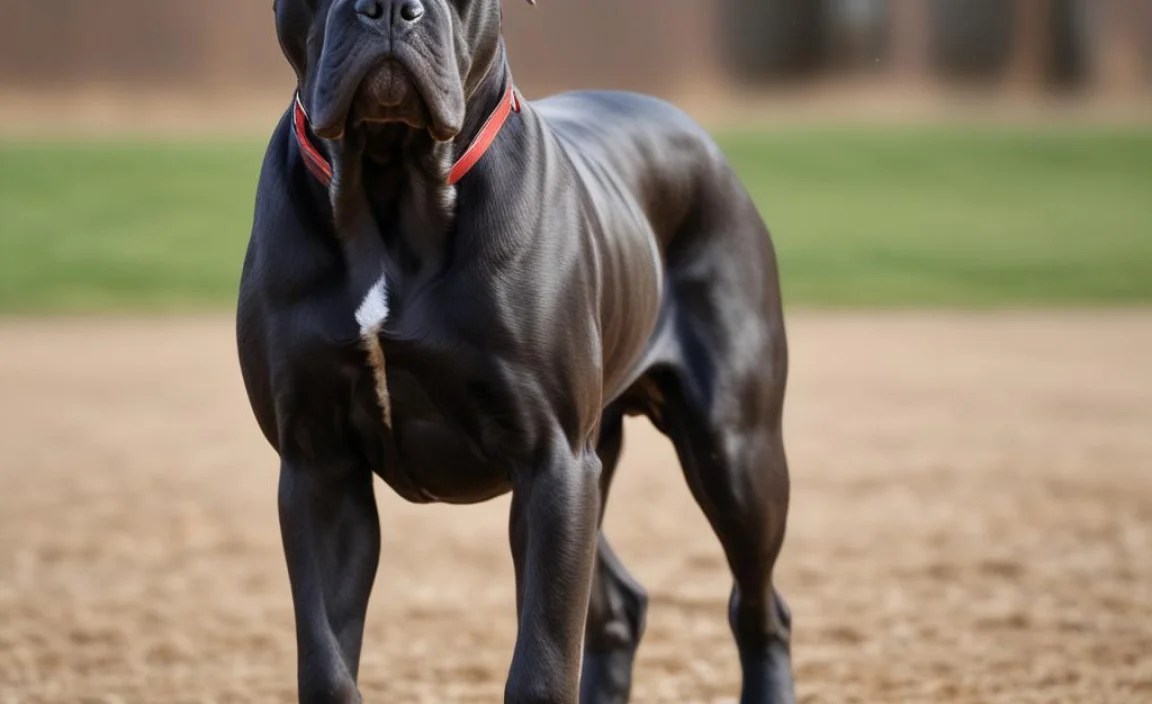
Having the right equipment makes exercise safer and more enjoyable. For a powerful breed like the Cane Corso, durability and control are paramount.
| Item | Description | Why It’s Important for Cane Corsos |
|---|---|---|
| Durable Leash | 6-foot, strong nylon or biothane material. | Provides secure control during walks and training. Biothane is waterproof and easy to clean. |
| Comfortable Collar/Harness | Well-fitting, wide collar or a no-pull front-clip harness. | Distributes pressure evenly to prevent injury and discomfort. A front-clip harness can help manage pulling. Visit a reputable store like Chewy’s harness selection for reliable options. |
| Sturdy Fetch Toys | Heavy-duty balls, durable chew toys, or sturdy frisbees. | Cane Corsos are strong chewers; toys need to withstand their bite force to prevent choking hazards. |
| Treat Pouch | Compact pouch for carrying training treats. | Keeps treats accessible for rewarding good behavior quickly during training and walks. |
| Water Bottle and Bowl | Collapsible bowl or dedicated portable water bottle. | Essential for keeping your dog hydrated during longer outdoor sessions, especially in warmer weather. |
| Dog Boots (Optional) | Protective footwear for extreme weather or rough terrain. | Can protect paws from hot pavement, ice, salt, or sharp rocks during hikes. |
When to Adjust the Plan
Your Cane Corso’s needs will evolve. Be observant and ready to adapt:
- Age: Puppies need less intense exercise than adults. Senior dogs may need shorter, gentler activities. Consult your veterinarian for age-specific recommendations.
- Health: Any medical condition, injury, or surgical recovery requires veterinarian-approved modifications to exercise levels.
- Weather: Extreme heat can be dangerous. On very hot days, opt for early morning or late evening exercise, and consider indoor mental stimulation. Cold weather might require shorter outings or protective gear.
- Behavioral Cues: If your dog is excessively panting, lagging behind, showing lameness, or seems overly fatigued, it’s time to stop and rest.
- Post-Exercise Soreness: Look for stiffness or reluctance to move. If this persists, reduce intensity or duration.
For further insights into canine health and exercise, the American Veterinary Medical Association (AVMA) offers excellent general advice on pet exercise.
Frequently Asked Questions About Cane Corso Exercise Dominance
Q1: How much exercise does a Cane Corso puppy need?
A: Cane Corso puppies need less intense exercise than adults. Focus on short, multiple play sessions, gentle walks (5 minutes per month of age, up to twice a day), and lots of positive socialization and training. Over-exercising a puppy can damage their developing joints. Always consult your vet for specific recommendations.


