For a healthy and happy Cane Corso, balancing their exercise and feeding needs is crucial. This guide provides essential tips for owners to ensure their powerful breed receives the right amount of activity and nutrition for optimal well-being, preventing common issues and promoting a long, vibrant life.
Cane Corsos are magnificent dogs, known for their loyalty and strength. But with their impressive size and energy, knowing just how much exercise they need and what to feed them can feel a little overwhelming, especially if this is your first time owning this majestic breed.
It’s easy to worry if you’re doing enough, or perhaps too much. This guide is here to take that worry away! We’ll walk you through simple, easy-to-follow steps to perfectly balance your Cane Corso’s exercise and diet, ensuring they stay happy, healthy, and fit. Get ready to see your powerful pup thrive with just a few key adjustments!
Understanding Cane Corso Exercise Requirements
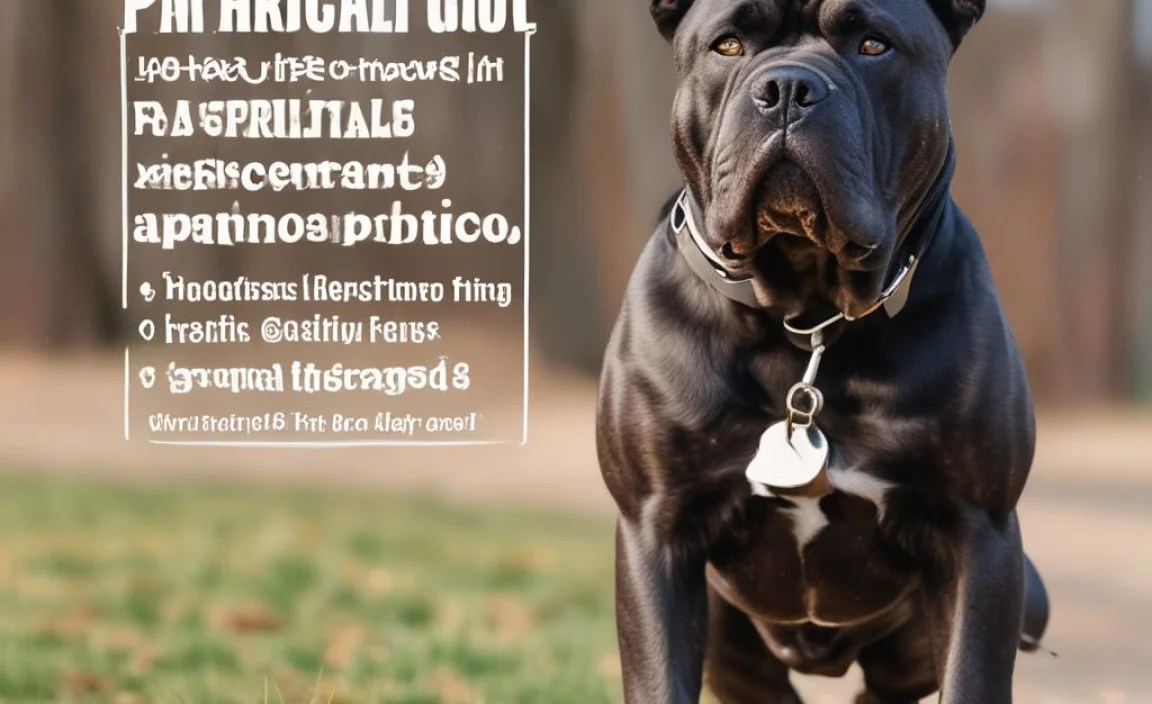
Cane Corsos are large, muscular dogs with a working heritage. They were originally bred in Italy as estate guardians and cattle drovers, meaning they have a natural inclination for activity and a need to be physically and mentally stimulated. Without adequate exercise, these intelligent and powerful dogs can become bored, leading to potential behavioral issues or weight gain. Providing the right kind of exercise is key to channeling their energy positively and keeping them in peak physical condition.
It’s important to remember that a Cane Corso’s exercise needs change as they grow. Puppies have different requirements than adult dogs, and senior dogs will need a gentler routine. Understanding these developmental stages will help you tailor their physical activity to their specific needs, ensuring both safety and effectiveness.
Puppy Exercise Considerations (Under 18 Months)
Cane Corso puppies grow rapidly. Their bones and joints are still developing, so it’s vital to avoid over-exercising them. High-impact activities can put undue stress on their growing bodies, potentially leading to long-term orthopedic problems. The general rule of thumb for puppy exercise is five minutes of formal exercise per month of age, twice a day.
- For a 4-month-old puppy: Aim for about 20 minutes of exercise twice a day. This could include short walks or free play in a secure area.
- For an 8-month-old puppy: You can increase this to around 40 minutes of exercise twice a day.
- For a 12-month-old puppy: They can typically handle up to 60 minutes of exercise twice a day.
Focus on gentle activities like short, supervised walks, playing fetch on soft surfaces, and controlled play with other well-behaved dogs. Avoid long, strenuous hikes, excessive jumping, or repetitive agility exercises until their growth plates have closed, which is typically around 18 months of age.
Mental stimulation is just as important for puppies. Puzzle toys, basic obedience training sessions, and introducing them to new, safe environments can help tire them out mentally and prevent boredom.
Adult Cane Corso Exercise (18 Months and Older)
Once your Cane Corso reaches physical maturity, their exercise needs will increase significantly. They generally require at least one to two hours of vigorous activity per day. This can be split into multiple sessions. A well-exercised adult Cane Corso is a happy and well-behaved companion.
Here’s a breakdown of effective exercise types for adult Cane Corsos:
Daily Walks: At least two brisk walks per day, each lasting between 30 to 60 minutes. These walks should be more than just a stroll; they should allow your dog to walk with a purpose, sniff, and explore. Leash training is essential for these powerful dogs to ensure safe and enjoyable walks, even in busy områdes. Introducing a good quality harness, like this Petsafe No-Pull Harness, can make walks much more manageable.
Advanced Training & Obedience: Continue with obedience training. Advanced commands, trick training, or even dog sports like Schutzhund (IPO) or advanced obedience trials can be highly rewarding and provide excellent mental and physical challenges. These activities tap into their heritage as working dogs.
Playtime: Include active playtime in your routine. This can involve playing fetch in a securely fenced yard, tug-of-war (with rules!), or introducing agility equipment if your dog shows an interest and is physically ready.
Socialization: While not strictly exercise, supervised playdates with other well-matched dogs can provide physical exertion and crucial social learning. Ensure the other dogs are similarly sized and have compatible temperaments.
Mental Stimulation Games: Incorporate puzzle feeders, scent work games, and new learning opportunities to keep their minds sharp. A tired dog is a good dog, and mental fatigue is just as powerful as physical fatigue.
Senior Cane Corso Exercise (7 Years and Older)
As your Cane Corso ages, their exercise needs will change. While they may not have the stamina for the intense workouts of their youth, regular, gentle exercise remains vital for maintaining muscle mass, joint health, and cognitive function. Many senior dogs still enjoy their routines, but you might need to adjust the duration and intensity.
- Shorter, More Frequent Walks: Instead of one long walk, opt for two or three shorter, slower-paced walks throughout the day.
- Gentle Swimming: If your dog enjoys water and has access to a safe swimming area, swimming is an excellent low-impact exercise for senior dogs, easing pressure on their joints.
- Low-Impact Play: Gentle fetch sessions with soft toys or quiet sniffing walks in interesting locations can be very beneficial.
- Mobility Aids: For dogs experiencing joint stiffness, consider gentle stretching exercises recommended by your veterinarian or assistive devices like dog booties for traction.
Always monitor your senior dog for signs of fatigue or discomfort, and consult your veterinarian about the most appropriate exercise plan for their individual health needs.
Cane Corso Feeding Guide: Fueling Your Gentle Giant

Proper nutrition is the cornerstone of your Cane Corso’s health, supporting their energy levels, muscle development, immune system, and overall longevity. Feeding a large breed dog like a Cane Corso requires careful consideration of their specific dietary needs, which differ significantly from smaller breeds.
The goal is to provide a balanced diet that supports strong bones and muscles without leading to excessive growth or weight gain. Rapid growth in large breeds can contribute to developmental orthopedic diseases like hip and elbow dysplasia. Therefore, selecting the right food and feeding the correct amount is paramount.
Choosing the Right Food
For Cane Corsos, it’s best to opt for high-quality kibble specifically formulated for large breeds. These foods typically:
- Have controlled calcium and phosphorus levels: Essential for healthy bone development.
- Contain Glucosamine and Chondroitin: To support joint health, a common concern in large breeds.
- Feature appropriate protein and fat content: To provide energy and support muscle mass without promoting unhealthy weight gain. Look for foods with named meat sources (e.g., chicken, lamb, beef) as the first few ingredients, rather than generic “meat by-products.”
- Are rich in essential fatty acids (Omega-3 and Omega-6): For a healthy coat and skin.
You can also consider large-breed puppy formulas for puppies under 18 months, as they are specifically designed to manage their growth rate. As they age, transition to an adult large-breed formula. Some owners also opt for raw or home-cooked diets, but these require meticulous planning and veterinary consultation to ensure they are nutritionally complete and balanced.
It’s a good idea to consult your veterinarian about specific food recommendations. They can assess your dog’s individual needs based on age, activity level, and any health conditions. Resources like FDA guidance on pet food can also be informative.
Feeding Cane Corso Puppies
Puppyhood is a critical time for nutrition. As mentioned, large-breed puppy food is essential to control growth. Puppies have smaller stomach capacities, so feeding multiple small meals throughout the day is recommended.
Feeding Schedule for Puppies:
- 8-12 weeks: 4 meals per day
- 3-6 months: 3 meals per day
- 6-12 months: 2-3 meals per day
The exact amount of food will vary by brand and the specific puppy’s needs. Always follow the feeding guidelines on the food packaging as a starting point, and monitor your puppy’s body condition. You should be able to feel their ribs easily but not see them protruding. Adjust portions as needed and consult your veterinarian if you have concerns.
Avoid free-feeding; scheduled mealtimes help establish a routine and allow you to monitor appetite.
Feeding Adult Cane Corsos
Once your Cane Corso is a year and a half to two years old, you can transition them to an adult large-breed formula. Adult feeding revolves around maintaining a healthy weight and providing sustained energy. Most adult Cane Corsos do well with two balanced meals per day, typically morning and evening.
General Feeding Guidelines for Adults:
The amount of food will depend on the caloric density of the food, your dog’s metabolism, and their activity level. A good starting point for a 100-pound adult Cane Corso might be:
- Moderate Activity: 3 to 4 cups of high-quality kibble per day.
- High Activity: 4 to 5 cups of high-quality kibble per day.
These are general estimates. It’s crucial to monitor your dog’s body condition. You should be able to feel their ribs with a light covering of fat, and they should have a visible waist from above and a tucked-up abdomen from the side. Use this as your guide, rather than just the amount on the bag. Adjusting portion sizes by ¼ to ½ cup can make a significant difference.
Here’s a sample table for adult feeding guidelines based on weight and activity level:
| Dog Weight | Moderate Activity (Cups/Day) | High Activity (Cups/Day) |
|---|---|---|
| 80 lbs (approx. 36 kg) | 2.5 – 3.5 | 3.5 – 4.5 |
| 100 lbs (approx. 45 kg) | 3 – 4 | 4 – 5 |
| 120 lbs (approx. 54 kg) | 3.5 – 4.5 | 4.5 – 5.5 |
| 130+ lbs (approx. 59+ kg) | 4 – 5 | 5 – 6 |
Note: These are approximate guides. Always adjust based on your dog’s individual body condition and the specific caloric content of their food.
It’s also wise to divide their daily intake into two meals to prevent bloat, a serious condition that large, deep-chested breeds are prone to. Feeding at a consistent time each day and avoiding strenuous exercise immediately before or after meals will further reduce this risk. Consider using slow-feeder bowls if your dog eats too quickly.
Feeding Senior Cane Corsos
Senior Cane Corsos can benefit from a senior-specific large-breed dog food or a high-quality adult formula with adjusted feeding amounts. As dogs age, their metabolism often slows down, and they may become less active. This means they may require fewer calories to maintain a healthy weight.
- Calorie Adjustment: Reduce food intake slightly if your senior dog is not as active to prevent weight gain, which can exacerbate joint issues.
- Digestibility: Opt for foods with highly digestible ingredients.
- Joint Support: Many senior formulas are enriched with glucosamine and chondroitin, or your vet may recommend supplements.
- Hydration: Ensure constant access to fresh water. Some seniors may benefit from wet food mixed in to increase moisture intake.
Monitor your senior dog for any changes in appetite, digestion, or weight. These can be indicators of underlying health issues that require veterinary attention.
Treats and Supplements
Treats should make up no more than 10% of your dog’s daily caloric intake. Choose healthy, low-calorie treats or use pieces of their regular kibble for training. Avoid feeding table scraps, as many human foods can be harmful to dogs, and it can disrupt their balanced diet.
Supplements are sometimes recommended, but always discuss them with your veterinarian first. Common supplements for large breeds include:
- Glucosamine and Chondroitin: For joint health.
- Omega-3 Fatty Acids (Fish Oil): For skin, coat, and anti-inflammatory benefits.
- Probiotics: To support digestive health.
Ensure any supplements you use are high-quality and specifically formulated for dogs.
Common Warnings and Prevention
Understanding potential issues related to exercise and feeding can help you proactively manage your Cane Corso’s health.
Bloat (Gastric Dilatation-Volvulus, GDV)
Cane Corsos, with their deep chests, are at a higher risk for bloat. This is a life-threatening condition where the stomach fills with gas and can twist. Prevention is key:
- Feed 2 smaller meals a day rather than one large one.
- Avoid strenuous exercise for at least an hour before and after meals.
- Use a slow-feeder bowl if your dog eats quickly.
- Keep them calm during and after meals.
- Consult your vet about prophylactic gastropexy surgery, especially for high-risk dogs. Resources like The American College of Veterinary Surgeons provide detailed information on GDV and its surgical management.
Developmental Orthopedic Diseases (DODs)
Conditions like hip dysplasia, elbow dysplasia, and osteochondritis dissecans (OCD) are common in large breeds. Proper nutrition during puppyhood is critical for prevention.
- Feed a large-breed puppy formula with controlled calcium and phosphorus levels.
- Avoid over-supplementation with calcium.
- Prevent excessive or high-impact exercise in puppies.
- Maintain a lean body condition; obesity puts extra stress on developing joints.
Obesity
Overfeeding and insufficient exercise lead to obesity, which can cause or worsen numerous health problems, including joint pain, heart disease, diabetes, and a shortened lifespan. Regular monitoring of your dog’s weight and body condition score is essential. Adjust food intake and increase exercise as needed.
Exercise-Induced Injury
Pushing a dog too hard, especially during growth phases, or not properly warming them up or cooling them down can lead to muscle strains, ligament tears, or other injuries. Always progress exercise routines gradually and be aware of environmental factors like heat or slippery surfaces.
FAQ: Cane Corso Exercise & Feeding
How much exercise does a Cane Corso puppy need?
Cane Corso puppies need controlled, age-appropriate exercise. A common guideline is five minutes of formal exercise per month of age, twice a day. For example, a 4-month-old puppy should have about 20 minutes of exercise each session, focusing on walks and gentle play, avoiding strenuous activities until they are around 18 months old and their growth plates have closed.
What is the best food for a Cane Corso?
The best food is a high-quality kibble specifically formulated for large breeds. Look for named meat as the first ingredient, controlled calcium and phosphorus levels, and added glucosamine and chondroitin for joint support. For puppies, use a large-breed puppy formula. Always consult your veterinarian for personalized recommendations.
How often should I feed my adult Cane Corso?
Adult Cane Corsos should typically be fed twice a day, in the morning and evening. This helps manage their energy levels and reduces the risk of bloat, a serious condition they are prone to.
Can I free-feed my Cane Corso?
No, it is not recommended to free-feed Cane Corsos. Scheduled mealtimes help with portion control, allow you to monitor appetite, and are crucial in preventing bloat. Free-feeding can lead to overeating and obesity.
How much water does a Cane Corso need?
Like all dogs, Cane Corsos need constant access to fresh, clean water. Their water intake can vary based on activity level, diet (kibble vs. wet food), and the weather. Monitor their water bowl and ensure


