A Cane Corso’s exercise and grooming needs are vital for their health and happiness. Regular exercise prevents boredom and destructive behaviors, while proper grooming maintains their coat and skin. This guide offers simple, actionable steps for owners to ensure their Cane Corso thrives.
Caring for a Cane Corso can feel like a big responsibility, especially when it comes to keeping them happy and healthy. Many new owners wonder about the best ways to manage their energetic Cane Corso’s exercise and grooming routines. It can be a bit confusing to figure out exactly how much activity they need or how often to brush them. But don’t worry, it’s simpler than you think! This guide is here to break down everything you need to know, making it easy to build a routine that works for both you and your magnificent Cane Corso. Get ready to learn how to keep your impressive companion in top shape, inside and out!
Cane Corso Exercise Grooming: Essential Guide
Understanding the Mighty Cane Corso
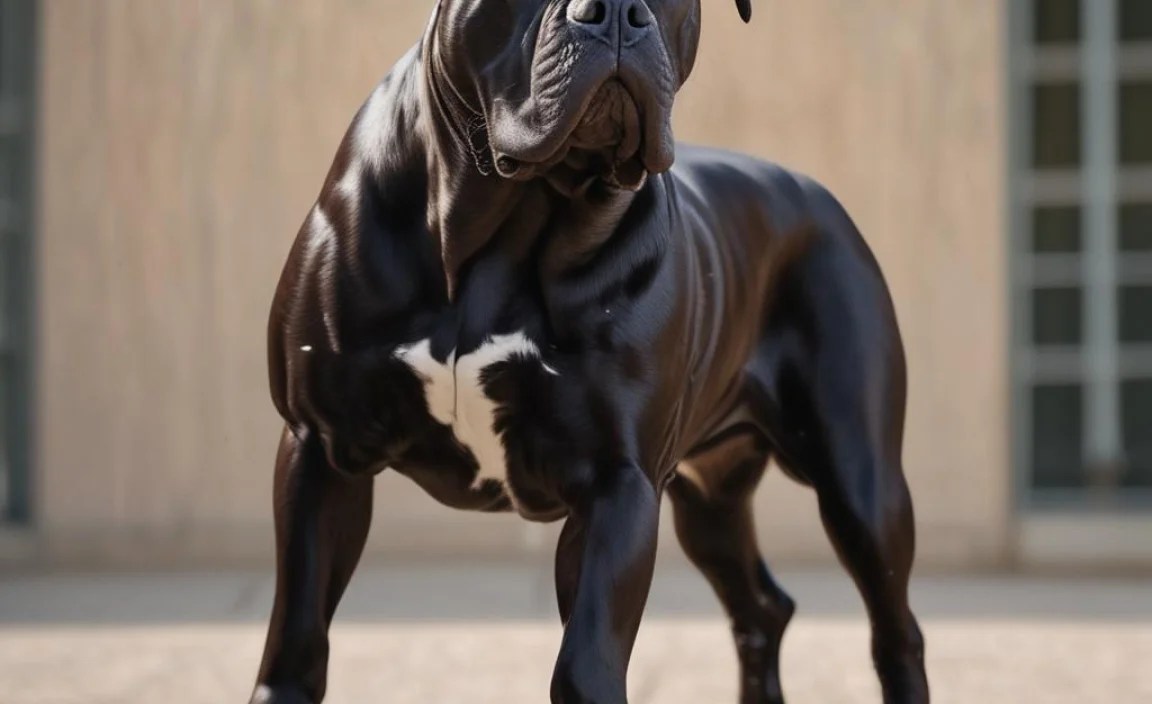
The Cane Corso is a powerful, majestic breed with a rich history as a fierce guardian and companion. Originating from Italy, these dogs are known for their intelligence, loyalty, and imposing physique. While their imposing presence might suggest they are high-maintenance, their grooming needs are surprisingly straightforward. However, their exercise requirements are significant due to their working dog heritage. A well-exercised and well-groomed Cane Corso is a happy and well-behaved Cane Corso.
The Importance of Cane Corso Exercise

Cane Corsos are large, muscular dogs bred for work. This means they possess a high energy level and a strong desire to be active. Insufficient exercise can lead to a variety of behavioral issues, including:
Destructive chewing: Bored dogs often chew on furniture, shoes, or anything they can get their paws on.
Excessive barking: A lack of physical and mental stimulation can result in a dog that barks out of frustration or boredom.
Restlessness and anxiety: Without an outlet for their energy, Cane Corsos can become anxious and unable to settle.
Weight gain: Like any breed, a sedentary lifestyle can lead to obesity, which brings a host of health problems.
Providing ample exercise not only keeps your Cane Corso physically healthy but also mentally stimulated, leading to a more balanced and content companion.
How Much Exercise Does a Cane Corso Need?
A good rule of thumb for an adult Cane Corso is at least 60 to 120 minutes of exercise per day. This should be a combination of different activities to keep them engaged.
Daily Walks: Aim for at least two walks a day, each lasting 30-60 minutes. These walks are crucial for physical activity, mental stimulation, and allowing your dog to explore their surroundings.
Active Playtime: Incorporate sessions of vigorous play. This could include fetch, tug-of-war, or even playing in a secure, fenced area.
Mental Stimulation: Exercise isn’t just physical. Puzzle toys, scent games, and obedience training sessions can tire a Cane Corso out just as effectively as a long walk. Visit resources like the Association of Professional Dog Trainers for ideas on mental enrichment.
Types of Exercise for Your Cane Corso
Variety is key to keeping your Cane Corso engaged and preventing boredom.
Structured Exercise
Leash Walks: Essential for controlled exploration and exercise. Vary your routes to keep things interesting.
Jogging/Running: Once your Cane Corso is fully grown (typically around 18-24 months), they can join you for runs. Start short and gradually increase the distance.
Hiking: Explore trails and enjoy nature together. Ensure the terrain is safe and suitable for your dog’s paws.
Play-Based Exercise
Fetch: A classic for a reason! Use durable toys suitable for a strong jaw.
Tug-of-War: A great way to engage their prey drive and build a bond. Always teach a “drop it” command.
Agility (Beginner): Simple courses in the backyard can be fun and challenging.
Swimming: Many Cane Corsos enjoy swimming, but always supervise them and ensure they are comfortable in the water.
Mental Stimulation Activities
Puzzle Toys: Fill treat-dispensing toys with kibble or treats.
Scent Games: Hide treats around the house or yard and encourage your dog to find them.
Obedience Training: Regular training sessions reinforce good behavior and provide mental work. Consider resources from veterinary behavioralists like Dr. Karen Overall for advanced training techniques.
Essential Cane Corso Grooming

Despite their imposing appearance, Cane Corsos have a short, dense coat that is relatively easy to maintain. Consistent grooming not only keeps them looking good but also helps you bond with your dog and allows you to spot any potential health issues early on.
Brushing Your Cane Corso
The Cane Corso’s short coat requires less frequent brushing than breeds with long or double coats, but it’s still important.
Frequency: Aim to brush your Cane Corso 1-2 times per week. This helps remove loose hair, dirt, and dander, and distributes natural oils for a healthy shine.
Tools: A good quality bristle brush or a grooming mitt is ideal. For shedding seasons, a slicker brush or a deshedding tool can be very effective in removing dead undercoat. Always choose tools that are gentle on the skin.
Technique: Brush in the direction of hair growth. Be gentle, especially around the face and legs. Pay attention to any mats or tangles that may form, though these are less common in short-coated breeds.
Bathing Your Cane Corso
Cane Corsos don’t typically need frequent baths. Over-bathing can strip their coat of natural oils, leading to dry, itchy skin.
Frequency: Bathe your Cane Corso only when they are visibly dirty or start to smell. For most dogs, this might be once every 1-3 months, or even less often.
Shampoos: Use a dog-specific shampoo. Human shampoos can be too harsh for a dog’s skin pH. Look for gentle, moisturizing formulas. If your dog has skin sensitivities, consult your veterinarian for recommendations, such as hypoallergenic options.
The Bathing Process:
1. Brush your dog thoroughly before the bath to remove loose hair and tangles.
2. Use lukewarm water.
3. Wet your dog thoroughly, avoiding getting water directly in their ears or eyes.
4. Lather with shampoo, starting from the neck and working your way down the body.
5. Rinse thoroughly until no soap residue remains.
6. Towel dry your dog, or use a dog-specific dryer on a cool setting if your dog tolerates it.
Ear Care
Cane Corso ears are typically cropped or naturally drop. Both types require regular cleaning to prevent infections.
Frequency: Check your dog’s ears weekly and clean them as needed, usually every 2-4 weeks.
Signs of Infection: Look for redness, swelling, excessive dirt or wax, or a foul odor. If you notice any of these, consult your veterinarian.
Cleaning: Use a veterinarian-approved ear cleaning solution. Gently fill the ear canal with the solution, massage the base of the ear, and then let your dog shake their head. Use a clean cotton ball or gauze to wipe away debris from the outer ear. Never use cotton swabs deep inside the ear canal.
Nail Trimming
Long nails can be painful for your dog and can affect their gait, potentially leading to skeletal issues.
Frequency: Trim nails every 3-4 weeks, or when you can hear them clicking on hard surfaces. Puppies may need more frequent trims as their nails grow quickly.
Tools: Use sharp dog nail clippers (guillotine or scissor-style) or a Dremel tool.
The Process:
1. Identify the quick (the pink part containing blood vessels and nerves) inside the nail.
2. Trim only a small portion of the nail at a time, just before the quick.
3. If you accidentally cut the quick, use styptic powder to stop the bleeding.
4. Make nail trimming a positive experience by offering treats and praise.
Dental Hygiene
Dental care is crucial for overall health. Poor dental hygiene can lead to gum disease, tooth loss, and even systemic health problems.
Frequency: Aim to brush your Cane Corso’s teeth daily, or at least several times a week.
Tools: Use a dog-specific toothbrush and toothpaste. Never use human toothpaste, as it can be toxic to dogs.
Technique: Gently lift your dog’s lips and brush in small circles, focusing on the outer surfaces of the teeth. Start with short sessions and gradually increase the time.
Integrating Exercise and Grooming into a Routine

Creating a consistent routine makes both exercise and grooming much easier.
Weekly Schedule Example
Here’s a sample schedule to help you organize your Cane Corso’s care:
Monday: Morning walk (45 mins), Evening walk (45 mins), Brush coat (15 mins)
Tuesday: Morning walk (30 mins), Playtime (30 mins), Evening walk (45 mins)
Wednesday: Morning walk (45 mins), Evening walk (45 mins), Tooth brushing (5 mins)
Thursday: Morning walk (30 mins), Scent game (20 mins), Evening walk (45 mins)
Friday: Morning walk (45 mins), Evening walk (45 mins), Brush coat (15 mins)
Saturday: Longer hike or park visit (90 mins total), Tooth brushing (5 mins)
Sunday: Morning walk (30 mins), Playtime & training (45 mins), Evening walk (45 mins)
This is just an example, and you should adjust it based on your dog’s age, energy level, and your personal schedule.
Seasonal Considerations
Summer: Be mindful of heat. Exercise during cooler parts of the day (early morning, late evening). Ensure fresh water is always available. Watch for signs of heatstroke.
Winter: While Cane Corsos have a short coat, extreme cold can still affect them. Consider a protective dog coat for very cold weather and shorter outings. Keep paws clean and dry after walks to prevent ice buildup and salt irritation. For paw care, you can explore balms and protective booties.
Shedding Seasons: Cane Corsos do shed, especially during spring and fall. You may need to increase brushing frequency during these times to manage loose fur.
Tools and Gear for Exercise and Grooming

Having the right equipment makes a big difference.
For Exercise
Sturdy Leash and Collar/Harness: A strong, comfortable leash and a well-fitting collar or harness are essential for safe walks. For powerful breeds like the Cane Corso, a front-clip harness or a head halter can offer better control. For insights on choosing the right harness, consult the American Kennel Club’s guide to dog harnesses.
Durable Toys: Invest in tough toys for fetch and tug-of-war that can withstand a strong chew.
Water Bottle and Bowl: For longer outings, carry a portable water dispenser.
For Grooming
Bristle Brush or Grooming Mitt: For regular coat maintenance.
Deshedding Tool: Useful during shedding seasons.
Dog-Specific Shampoo: Gentle and pH-balanced for canine skin.
Nail Clippers or Grinder: To keep nails trimmed.
Styptic Powder: For accidental nail bleeds.
Dog Toothbrush and Toothpaste: For dental hygiene.
Ear Cleaner: Veterinarian-approved solution.
Towel/Dog Dryer: For after baths.
Investing in Quality
While it might be tempting to buy the cheapest options, investing in good quality grooming tools and durable exercise gear will save you money and hassle in the long run. Well-made items are safer, more effective, and last longer, contributing to your Cane Corso’s comfort and well-being.
Common Challenges and Solutions
Even with the best intentions, you might encounter some hurdles.
Challenge: My Cane Corso is not motivated during walks.
Solution: Try varying your routes, incorporating short bursts of jogging, or bringing their favorite toy to make walks more exciting. Ensure they aren’t too tired or too full of food right before a walk. If your dog is hesitant, consider consulting a reward-based trainer.
Challenge: My Cane Corso dislikes being brushed or having their nails trimmed.
Solution: Introduce grooming tools gradually. Let them sniff the brush or clippers. Start with very short sessions, offering high-value treats and praise for calm behavior. Make it a positive experience. Desensitization and counter-conditioning techniques can be very effective.
Challenge: My Cane Corso has sensitive skin.
Solution: Always use hypoallergenic or oatmeal-based dog shampoos. Avoid bathing too frequently. If the problem persists, consult your veterinarian. They can help identify underlying allergies or recommend specific medicated shampoos. The American Academy of Veterinary Dermatology can be a good resource for skin concerns.
Challenge: My Cane Corso seems to have too much energy, even after exercise.
Solution: Ensure you are providing enough quality exercise and mental stimulation. Try more challenging puzzle toys, advanced training exercises, or introduce a new, stimulating activity like scent work.
The Link Between Exercise and Grooming Health
It’s important to understand that exercise and grooming aren’t just about appearance; they are fundamental to your Cane Corso’s health.
Healthy Skin and Coat: Brushing distributes natural oils, keeping the skin healthy and the coat shiny. This can prevent dryness, flakiness, and excessive shedding.
Joint Health: Proper weight management through regular exercise reduces stress on joints, which is crucial for large breeds like the Cane Corso.
Digestive Health: Exercise aids digestion and helps prevent conditions like bloat, which is a serious risk for deep-chested breeds. The American College of Veterinary Surgeons provides information on bloat prevention.
Mental Well-being: A tired dog is a good dog. Regular exercise and mental engagement reduce stress and anxiety, leading to better behavior overall, which can also make grooming sessions more pleasant.
When to Seek Professional Help
While this guide provides comprehensive advice, there are times when you should consult professionals:
Veterinarian: For any health concerns, skin issues, ear infections, or if you have questions about your dog’s dietary needs impacting their coat.
Professional Groomer: If you are uncomfortable with nail trimming, need help with de-shedding, or want a professional opinion on your dog’s coat health.
Certified Professional Dog Trainer (CPDT): For persistent behavioral issues related to energy levels, anxiety, or reactivity that might hinder exercise or grooming. The Certification Council for Professional Dog Trainers (CCPDT) is a good place to find certified professionals.
Frequently Asked Questions (FAQs)
Q1: How often should I walk my Cane Corso puppy?
For a Cane Corso puppy, start with shorter, more frequent walks, perhaps 2-3 times a day for 10-15 minutes each. As they grow and their bones develop (usually after 18 months for intense exercise), you can gradually increase the duration and intensity. Always consult your veterinarian about appropriate exercise levels for puppies to avoid joint damage as they grow.
Q2: Can I use a de-shedding tool on my Cane Corso every day?
No, it’s generally not recommended to use a de-shedding tool every day. While effective for removing loose undercoat during shedding seasons, over-use can irritate the skin. 1-2 times a week during peak shedding and 1-2 times a month otherwise is usually sufficient.
Q3: How can I make grooming less stressful for my Cane Corso?
Start grooming your Cane Corso when they are a puppy to get them used to it. Use positive reinforcement with treats and praise for calm behavior. Keep sessions short initially and gradually increase the duration. Never force them; if they become anxious, stop for the day and try again later. Make it a bonding experience.
Q4: My Cane Corso loves to chew. How can I channel this during exercise?
Chewing is a natural canine behavior. Provide durable chew toys and incorporate games like tug-of-war. When exercising, especially during walks, you can carry safe chew toys and offer them as rewards or distractions. Teaching a strong “drop it” command is essential for safety.
Q5: What signs should I look for that indicate my Cane Corso is getting enough exercise?
A well-exercised Cane Corso is typically calm when indoors, sleeps well, maintains a healthy weight, and doesn’t exhibit excessive destructive behaviors or constant barking from boredom. They should be alert and engaged but not restless or anxious.
Q6: Are Cane Corsos prone to any specific grooming-related health issues?
Cane Corsos are generally robust. However, like many large breeds with looser skin, they can be prone to skin fold infections if not kept clean and dry, especially in humid weather. Regular ear checks are also vital to prevent infections, and diligent dental care is important to prevent periodontal disease.
Conclusion
Cane Corsos are magnificent dogs that thrive with consistent care. By understanding and implementing a balanced exercise and grooming routine, you are not only ensuring their physical health and appearance but also fostering a strong bond and promoting a happy, well-behaved companion. Remember to adapt these guidelines to your individual dog’s needs, age, and energy level. Regular walks, engaging play, and consistent grooming—including brushing, bathing, nail care, and dental hygiene—are the cornerstones of responsible Cane Corso ownership. Enjoy the journey with your loyal and impressive friend, knowing you’re providing them with the best possible life.


