A Cane Corso exercise guard dog needs structured, daily physical and mental stimulation. Providing at least 1-2 hours of vigorous activity, including training and enrichment, is crucial for their well-being and protective instincts. This ensures a balanced, happy, and secure Cane Corso.
Cane Corso Exercise Guard Dog: Proven Vitality

Are you wondering how to channel your Cane Corso’s incredible energy and powerful build into a well-behaved companion? It’s common for owners of strong breeds like the Cane Corso to face challenges with excess energy, which can sometimes lead to unwanted behaviors. But don’t worry! With the right approach to exercise, you can ensure your Cane Corso is not only healthy and happy but also a calm and confident presence in your home. This guide will show you exactly how to provide the vital stimulation your Cane Corso needs.
We’ll explore the specific exercise requirements for this majestic breed, covering everything from daily routines to specialized activities that will keep your Cane Corso physically fit and mentally sharp. Get ready to unlock your dog’s full potential and build an even stronger bond with your powerful pup!
Understanding the Essence of the Cane Corso

The Cane Corso, a descendant of Roman war dogs, is a breed steeped in history and purpose. Originally bred for guarding property, livestock, and even people, they possess a natural instinct to protect. This innate drive, combined with their impressive physical presence, means they are not a breed for the novice owner. Their intelligence, loyalty, and imposing stature require responsible management, and a cornerstone of this management is providing adequate exercise.
A Cane Corso that is under-exercised can become restless, bored, and potentially destructive. This isn’t because they are “bad” dogs, but because their bodies and minds are built for activity and purpose. Think of them as athletes who need a rigorous training regimen to stay in peak condition. Meeting these needs ensures their vitality is channeled positively.
The “Why” Behind Cane Corso Exercise: More Than Just a Walk

Exercise for a Cane Corso is multifaceted. It’s not just about burning energy; it’s about:
- Physical Health: Maintaining a healthy weight, strong cardiovascular system, and robust joints. This is especially important as they are prone to certain orthopedic issues.
- Mental Stimulation: Preventing boredom, which can lead to anxiety and destructive behaviors. Engaging their minds keeps them happy and less likely to find their own “jobs” around the house that you might not appreciate.
- Behavioral Balance: A tired dog is a good dog. Proper exercise helps to temper their protective instincts and reduce reactivity, making them more manageable in everyday situations.
- Bonding: Engaging in activities together strengthens the relationship between you and your Cane Corso, fostering trust and understanding.
- Breed Purpose Fulfillment: Tapping into their natural guarding and working heritage in a controlled and constructive manner.
When we talk about a “Cane Corso exercise guard dog,” we’re referring to harnessing their inherent capabilities through appropriate outlets. This doesn’t mean training them to be aggressive, but rather ensuring their protective nature is managed with a strong foundation of physical and mental conditioning.
How Much Exercise Does a Cane Corso Really Need?
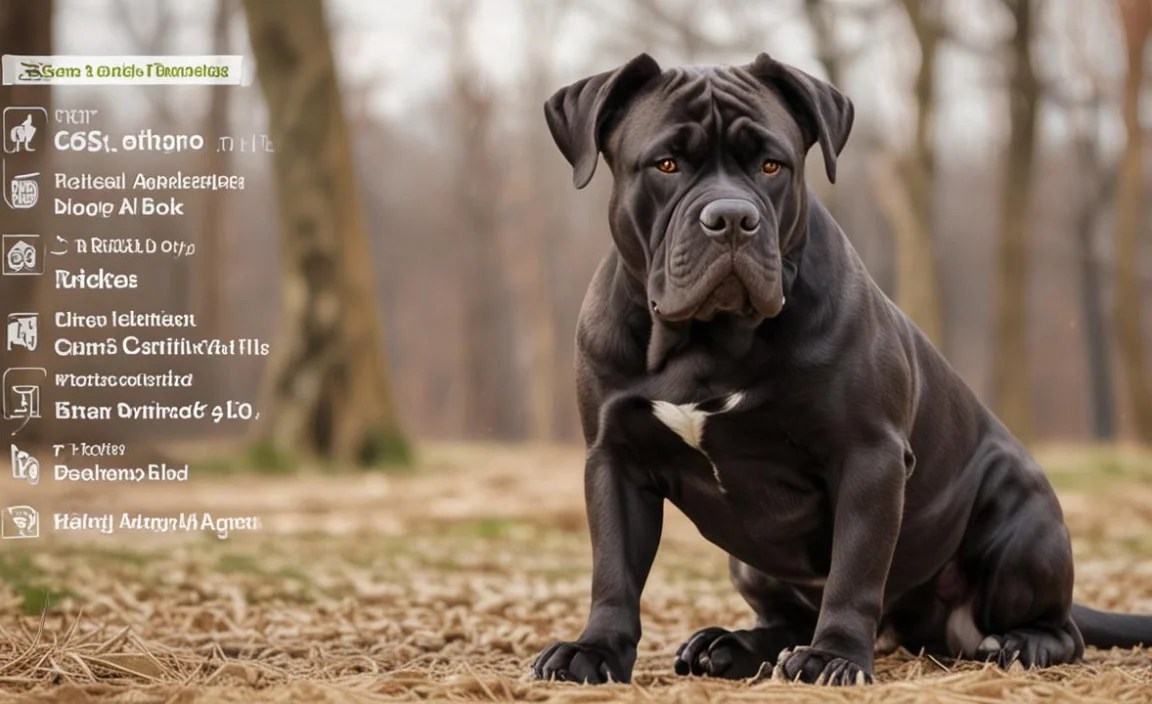
This is where many owners get confused. A quick walk around the block simply won’t cut it for a Cane Corso. These dogs need a significant amount of daily activity to thrive. Generally, an adult Cane Corso requires at least 1 to 2 hours of vigorous exercise per day. This can be broken down into multiple sessions.
Puppies have different needs. They require shorter, more frequent bursts of activity to protect their developing joints. Over-exercising a puppy can lead to long-term health problems. Consult your veterinarian for puppy-specific exercise guidelines.
Key factors influencing exercise needs include:
- Age: Puppies, adults, and seniors have varying requirements.
- Health: Any pre-existing conditions might necessitate modified exercise plans.
- Temperament: Some individuals within the breed may have higher energy levels than others.
- Climate: Extreme temperatures can affect when and how long you can safely exercise your dog.
Essential Elements of a Cane Corso’s Exercise Routine

A well-rounded exercise plan for your Cane Corso should incorporate a blend of activities. Here’s a breakdown of what works best:
1. Physical Stamina Building
This focuses on activities that get their heart pumping and muscles working.
- Brace Walking/Running: If you have a securely fenced area or can access safe, quiet trails, engaging in activities where your dog walks or runs beside you (not pulling ahead) can be beneficial. This can be done on walks, hikes, or even jogging. Ensure your dog is properly trained to walk nicely on a leash using a comfortable harness. Look for harnesses designed for strength and control, such as a well-fitted front-clip harness, to help manage their power.
- Swimming: Many Cane Corsos enjoy swimming. It’s an excellent low-impact exercise that builds muscle and cardiovascular health. Always supervise your dog closely when they are in or near water and consider a life vest for added safety.
- Fetch and Retrieve: While they might not have the same boundless enthusiasm for fetch as a Labrador, a good game of fetch with a durable toy can be a part of their routine. Opt for sturdy toys that can withstand their powerful jaws.
2. Mental Engagement and Enrichment
A tired mind is just as important as a tired body. Mental exercise prevents boredom and can be just as exhausting for your dog in a good way!
- Basic and Advanced Obedience Training: Regular training sessions, even if short (10-15 minutes), are crucial. Practicing commands like “sit,” “stay,” “come,” “down,” and “heel” sharpens their focus and reinforces your leadership.
- Puzzle Toys and Food Dispensing Toys: These toys require your dog to figure out how to get treats or kibble. They are excellent for stimulating problem-solving skills.
- Nose Work/Scent Games: Hide treats around the house or yard and encourage your dog to find them. This taps into their natural scenting abilities and is incredibly engaging.
- “Find It” Games: Start by showing your dog a favorite toy or treat, then hide it while they watch. As they get better, hide it when they aren’t looking.
- New Environments: Exposing your Cane Corso to different walking routes, parks (when appropriate and safe), and social situations (if well-socialized) provides constant mental stimulation.
3. Guardian Instinct Training
For a Cane Corso as a guard dog, channeling their instincts is key. This is not about aggression training; it’s about responsible management and creating a confident, controlled protector.
- Boundary Training: Teaching your dog to respect property lines and understand their role in guarding their territory in a non-aggressive way. This often involves reinforcing calm behavior when strangers approach the property.
- “Watch” or “Alert” Commands: You can teach your dog to alert you to someone approaching, but critically, also teach them a “quiet” command or a “relax” command to de-escalate the situation.
- Controlled Socialization: Positive encounters with a variety of people and well-behaved dogs from a young age are essential for developing a stable temperament.
- “Show Me” or “Where is?” Games: These can subtly encourage them to observe and report on their surroundings, a gentle nod to their guarding heritage.
Remember, responsible guarding involves awareness and alert, not indiscriminate aggression. For advanced guardian training, consulting with a certified professional trainer specializing in protection breeds is highly recommended. Reputable organizations like the American Kennel Club (AKC) offer resources on finding qualified trainers.
Recommended Gear for Cane Corso Exercise
Having the right equipment can make exercise safer and more enjoyable for both you and your Cane Corso.
Essential Gear:
- Sturdy, Well-Fitted Harness: A tactical harness with good padding and multiple leash attachment points is ideal. Look for options with a front clip to help with directional control and discourage pulling.
- Durable Leash: A 6-foot, non-retractable leash made of strong material like nylon or biothane offers good control.
- High-Value Treats: Small, easily digestible, and highly motivating treats are essential for training and reward.
- Durable Fetch Toys: Balls, frisbees, and chew toys made from tough rubber or reinforced materials.
- Water Bottle and Bowl: For longer outings, staying hydrated is crucial.
- Poop Bags: Always be prepared to clean up after your dog.
- Optional: Dog Boots: To protect paws from hot pavement, rough terrain, or ice.
Creating a Daily Exercise Schedule
Consistency is key. Here’s a sample schedule for an adult Cane Corso:
| Time | Activity | Duration | Notes |
|---|---|---|---|
| 7:00 AM | Morning Walk / Brisk Pace | 30-45 minutes | Focus on leash manners and exploring the neighborhood. |
| 12:00 PM | Midday Mental Stimulation | 15-20 minutes | Puzzle toy or short training session. |
| 5:00 PM | Afternoon Exercise | 45-60 minutes | Could be fetch, swimming, a longer hike, or agility work. |
| 8:00 PM | Evening “Potty Break” Walk & Cool Down | 10-15 minutes | Relaxed pace, reinforcing calm behavior. |
This is a template; adjust it based on your dog’s specific energy levels, your schedule, and the weather. For example, on weekends, you might incorporate a longer hike rather than multiple short walks.
Exercise Considerations for Cane Corso Puppies
Cane Corso puppies are bundles of boundless energy, but their growing bodies need special care. Over-exercising can lead to developmental orthopedic diseases like hip or elbow dysplasia. The general rule for puppies of any breed is the “5-minute rule”: 5 minutes of formal exercise per month of age, twice a day.
So, a 4-month-old puppy should have 20 minutes of structured exercise twice a day. This includes leash walks. Free play in a safe, enclosed yard is also beneficial but should be supervised to prevent overexertion.
Key points for puppies:
- Short, Frequent Sessions: Multiple short play and training sessions are better than one long one.
- Focus on Socialization: Proper socialization during the critical puppy period (3-16 weeks) is more important than strenuous physical exercise.
- Gentle Introduction to Activities: Introduce new experiences, sounds, and sights gradually and positively.
- Avoid High-Impact Activities: No jumping from heights, repetitive jumping, or forced endurance activities.
Always consult your veterinarian or a certified puppy trainer for personalized exercise advice for your Cane Corso puppy. You can find excellent resources on puppy development from organizations like the American Veterinary Medical Association (AVMA).
Advanced Activities for the Cane Corso
Once your Cane Corso is a mature adult and has received basic training, you might explore more advanced activities to truly challenge them:
- Agility: While not typically thought of as an agility breed, many Cane Corsos excel and enjoy courses designed for larger dogs. It combines physical and mental challenges.
- Protection Sports (IPO/Schutzhund/IGP): These are highly specialized sports that require expert training and handlers. They are designed to showcase a dog’s intelligence, obedience, courage, and tracking abilities in a controlled environment. Training should only be undertaken with certified, ethical trainers who prioritize the dog’s welfare and temperament stability. The Pharaoh Hound Club of America (PHCA) (and other reputable breed clubs) often has links to training resources for various canine sports.
- Canicross: This is essentially cross-country running with your dog. Your dog wears a special harness that attaches to a belt you wear, allowing them to pull you along. It’s a fantastic workout for both of you.
- Carting or Draft Work: Some larger breeds can be trained to pull a cart or sled. This is a traditional working dog activity that can be reintroduced as a sport.
These activities demand a high level of commitment and responsibility from the owner. They are excellent for providing intense physical and mental engagement but are suited for well-trained, mature dogs.
Common Pitfalls to Avoid
Even with the best intentions, owners can make mistakes when exercising their Cane Corsos.
- Underestimation of Energy Levels: Assuming a few short walks are enough for such a powerful breed.
- Lack of Mental Stimulation: Focusing solely on physical exercise and neglecting activities that challenge their minds.
- Inconsistent Routine: Sporadic exercise can lead to unpredictable behavior.
- Over-Exercising Puppies: Especially on hard surfaces or for too long, leading to joint damage.
- Lack of Socialization: Not exposing the dog to various people, places, and other dogs in a controlled, positive manner. This can lead to fearfulness or reactivity.
- Ignoring Warning Signs: Not paying attention to your dog’s body language for signs of fatigue, overheating, or distress.
- Relying on Retractable Leashes: These offer poor control for large, strong breeds and can be dangerous.
Breed Comparison: Cane Corso vs. Other Breeds in Exercise Needs
It’s helpful to understand where the Cane Corso fits in terms of exercise compared to other popular breeds:
| Breed | Daily Exercise Needs (Adult) | Primary Exercise Types | Key Considerations |
|---|---|---|---|
| Cane Corso | 1-2 hours vigorous | Stamina building, mental enrichment, controlled guarding tasks. | Requires structured activity; channeling instincts is important. |
| Golden Retriever | 1 hour moderate to vigorous | Fetch, swimming, long walks, obedience, retrieving. | Enjoys human interaction and activities; prone to weight gain if under-exercised. |
| Husky | 1-2 hours vigorous | Running, pulling (sledding/canicross), long-distance walking, agility. | High energy, bred for endurance; require significant mental and physical outlets. |
| Cocker Spaniel | 30-60 minutes moderate | Walking briskly, fetch, scent games, training. | Happy to be with family; moderate needs but enjoy mental challenges. |
| Great Pyrenees | 30-60 minutes moderate | Leisurely walks, patrolling their territory, light hiking. | Independent; less focused on high-intensity cardio, more on watchful presence. Needs space. |
As you can see, the Cane Corso falls into the category of breeds requiring substantial daily exercise, much like the Husky, but with a stronger emphasis on managed guarding instincts and structured mental work alongside physical stamina.
Health Benefits of Proper Exercise
Beyond behavioral benefits, consistent, appropriate exercise is vital for your Cane Corso’s long-term health:
- Weight Management: Obese dogs are at higher risk for diabetes, heart disease, arthritis, and a shortened lifespan. Regular activity burns calories and builds lean muscle.
- Joint Health: Moderate exercise strengthens the muscles that support the joints, which is crucial for large breeds prone to orthopedic issues like hip dysplasia. The key is appropriate exercise, avoiding overstraining developing joints.
- Cardiovascular Health: A strong heart and healthy lungs are built through consistent aerobic activity.
- Digestive Health: Physical activity helps regulate the digestive system.
- Cognitive Function: Keeping the brain active through training and puzzle toys can help maintain cognitive function as the dog ages.
When to Seek Professional Help
While this guide offers comprehensive advice, there are times when professional intervention is necessary:
- Behavioral Concerns: If your Cane Corso exhibits extreme reactivity, aggression, severe anxiety, or destructive behaviors that you cannot manage, consult a certified professional dog trainer or a veterinary behavior


