Mastering Cane Corso exercise guard training involves understanding your dog’s noble guarding instincts and channeling them through consistent, positive reinforcement. This guide provides essential techniques for building confidence and control during exercise, ensuring a safe and well-behaved protector.
Cane Corsos are magnificent dogs, known for their loyalty and protective nature. Many owners wonder how to best manage their dog’s innate guarding instincts, especially during everyday activities like exercise. It can be a bit confusing to know what’s appropriate and how to build trust.
You want your Cane Corso to be a happy, well-adjusted companion, and that includes having excellent control even when their protective instincts are naturally heightened. This article will walk you through the key principles of Cane Corso exercise guard training, making it easy and stress-free. We’ll cover everything from understanding their natural behaviors to implementing effective, positive training methods.
Understanding the Cane Corso’s Guarding Instincts

Cane Corsos were originally bred as estate guardians and protectors, and this deep-seated instinct is part of their heritage. It’s not about aggression; it’s about vigilance and loyalty to their family and territory. Understanding this core trait is the first step in effective training. They are naturally attuned to potential threats and are programmed to defend their loved ones. This doesn’t mean they are always on high alert or prone to unprovoked aggression. Instead, it manifests as a strong sense of responsibility and watchful awareness.
When we talk about guard training in the context of exercise, we’re not aiming to create an attack dog. Instead, we focus on channeling their natural protective tendencies into controlled behaviors. This means teaching them to recognize real threats versus benign situations, to respond to your commands even when their instincts are activated, and to remain calm and confident. It’s about building a partnership where your Cane Corso understands their role is to protect their family with you, not independently of you.
Instinct vs. Trained Behavior
It’s crucial to differentiate between a dog’s natural guarding instinct and a trained guard dog. Instinct is what a dog does without being taught – like barking at a stranger approaching the house. Trained guarding behavior is a learned response, honed through specific exercises under the guidance of a skilled trainer, often for professional security work. For the average pet owner, the goal is to manage and refine the instinct, not to develop a professional guard dog skill set. This involves teaching boundaries, impulse control, and reliable obedience.
A Cane Corso’s instinct might be to bark or posture when someone approaches during a walk. Our goal in exercise training is to shape this into a calm alert, followed by responsiveness to commands like “leave it” or “heel.” We want them to rely on your leadership and training, rather than just reacting impulsively. This builds trust and ensures their protective nature is a positive asset, not a liability.
The Importance of Exercise for Cane Corsos

Cane Corsos are powerful, muscular dogs that require significant physical and mental stimulation. Without adequate exercise, their energy can be misdirected, potentially leading to behavioral issues like destructiveness, excessive barking, or anxiety. Regular, structured exercise is not just about physical health; it’s a vital component of their mental well-being and behavior management. It helps them expend pent-up energy, reduces stress, and strengthens the bond between dog and owner.
A physically and mentally tired Cane Corso is a more relaxed and well-behaved Cane Corso. Exercise provides an outlet for their natural energy and helps diffuse strong instincts in a constructive way. It’s also an excellent opportunity to practice obedience and reinforce your leadership. Think of it as a daily necessity for their overall happiness and your peace of mind. The benefits extend beyond just burning energy; it helps them develop healthy habits and strengthens their confidence in a positive way.
Physical Needs
Cane Corsos typically need at least 1-2 hours of vigorous exercise per day. This should be a combination of activities. Brisk walks, jogging, playing fetch, and swimming are excellent options. Their strong build means they can handle strenuous activity, but it’s important to ensure it’s appropriate for their age and health. Puppies, for example, need less intense exercise to protect their developing joints.
Always consult with your veterinarian about the appropriate exercise regimen for your specific dog, especially if they have any underlying health conditions. Senior dogs or those recovering from injury might need modified routines. The key is consistency. Daily exercise, tailored to your dog’s capabilities, is far more beneficial than sporadic, intense bursts.
Mental Stimulation Needs
Beyond physical exertion, Cane Corsos thrive on mental challenges. This can include puzzle toys, scent work, learning new tricks, or engaging in structured training sessions. Mental fatigue is just as important as physical fatigue for preventing boredom and destructive behaviors. Integrating mental stimulation into their daily routine keeps their minds sharp and engaged, contributing to a balanced temperament.
Think about activities that make your Cane Corso think. This could be as simple as asking them to “find it” with their favorite toy hidden around the house, or more involved tasks like learning a new command. Mental exercises tap into their intelligence and problem-solving abilities, which are crucial for this capable breed. A challenged mind is a happy mind, and a happy mind is less likely to create mischief.
Essential Components of Cane Corso Exercise Guard Training

Effective exercise guard training for a Cane Corso isn’t about harsh methods; it’s about building a strong foundation of trust, clear communication, and controlled exposure. The goal is to teach your dog to remain calm, responsive, and under your control, even in stimulating situations. This training focuses on building confidence in both dog and owner, ensuring that their protective instincts are managed appropriately within the context of everyday life.
The core principles revolve around preparedness, reinforcement, and understanding your dog’s signals. We want to proactively shape their responses rather than reactively correct unwanted behaviors. This approach fosters a deeper understanding between you and your Cane Corso, making training a collaborative and rewarding experience. Remember, consistency is key to success.
1. Building a Strong Foundation: Obedience and Socialization
Before you even think about specific “guard training” during exercise, a solid foundation in basic obedience and thorough socialization is paramount. A well-behaved Cane Corso is one that listens to commands, such as “sit,” “stay,” “come,” and “heel.” These commands are the building blocks for any advanced training. Socialization, exposing your Cane Corso to a variety of people, places, sounds, and other dogs in a positive way from a young age, helps them understand what is normal and not a threat.
A dog that is fearful or under-socialized is more likely to react defensively. Proper socialization helps them develop confidence and discernment. They learn to differentiate between a friendly passerby and a genuine potential threat. Without this groundwork, any attempts at exercise guard training can be counterproductive and even dangerous.
Essential Obedience Commands
- Sit/Stay: Crucial for controlling your dog when distractions arise.
- Heel: Keeps your dog close and controlled by your side during walks.
- Come: Ensures your dog returns to you when called, a vital safety command.
- Leave It: Teaches your dog to disengage from something they are interested in, like a squirrel or another dog.
- Down: A calming command that can help settle your dog.
Socialization Dos and Don’ts
- Dos: Introduce new sights, sounds, and calm, well-behaved dogs. Visit different environments like parks (when safe), pet-friendly stores, and quiet streets. Keep interactions positive and short, ending on a good note.
- Don’ts: Force interactions. Overwhelm your dog. Allow negative experiences. Let them greet every dog or stranger without assessing the situation. Flood them with too many stimuli at once.
2. Positive Reinforcement Techniques
Positive reinforcement is the most effective and humane way to train any dog, including a Cane Corso. This involves rewarding desired behaviors with treats, praise, or toys. When your Cane Corso exhibits calm behavior during exercise, or correctly responds to a command, reward them. This strengthens the association between the behavior and the positive outcome, making them more likely to repeat it.
Avoid punishment-based methods. These can create fear, anxiety, and unpredictable aggression, which is the opposite of what you want in a well-managed guardian breed. Focus on what you do want your dog to do, and reward that. This builds confidence and a strong, trusting relationship.
3. Controlled Exposure During Exercise
The key to exercise guard training is controlled exposure. This means gradually introducing your Cane Corso to situations that might trigger their guarding instinct, in a controlled and positive manner. Start in low-distraction environments and slowly increase the level of difficulty as your dog shows progress.
This could involve walking past other dogs at a distance, having a calm person walk by at a distance, or practicing commands in a slightly busier park. The goal is for your dog to learn that these situations are not threats and that they can remain calm and responsive to your cues. If they start to show signs of stress or over-excitement, you’ve likely moved too fast. Back up to a level where they can succeed.
4. Understanding Canine Body Language
Becoming adept at reading your Cane Corso’s body language is critical. Knowing the early signs of stress, anxiety, or an impending reaction allows you to intervene before a situation escalates. Signs can include lip licking, yawning when not tired, whale eye (showing the whites of their eyes), stiffening, or a high-held tail. Learning to recognize these subtle cues will help you manage your dog’s environment and training effectively.
Pay attention to their:
- Ears: Forward and alert vs. pinned back or rotating.
- Tail: Relaxed wag vs. stiff and high, or tucked.
- Posture: Relaxed and loose vs. stiff, tense, or lowering their body.
- Mouth: Soft panting vs. tight lips, excessive panting, or lip curling.
These signals are your dog’s way of communicating their emotional state. By understanding them, you can prevent problems before they start.
Cane Corso Exercise Guard Training: Step-by-Step Guide
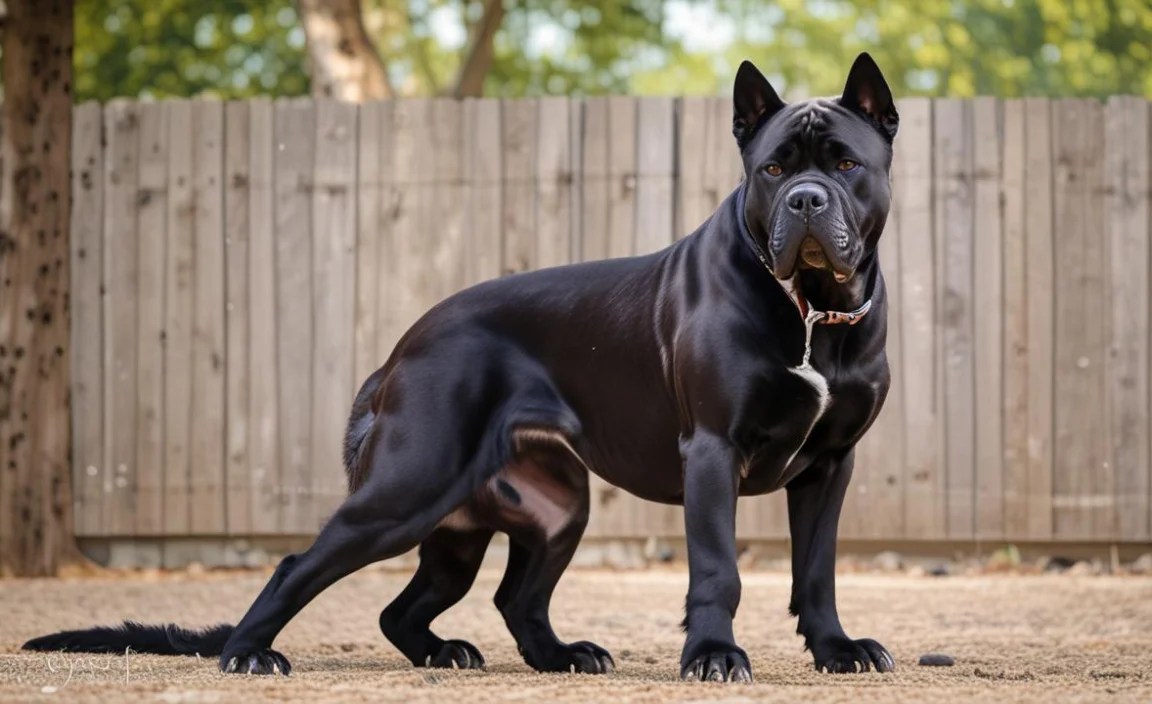
This guide focuses on building confidence and control during walks and other exercises, shaping your Cane Corso’s natural protective instincts into a well-behaved partnership.
Step 1: Master the “Heel” Command
A strong “heel” command is fundamental. It ensures your Cane Corso walks calmly by your side, not pulling ahead or lagging behind. This provides a sense of control and partnership during walks.
How to Train:
- Hold a high-value treat in your hand near your dog’s nose.
- Encourage them to walk beside your left leg (or right, if you prefer) by moving the treat forward.
- As they walk with you, say “Heel.”
- Reward them frequently with the treat and praise.
- Gradually increase the distance and duration of the heel.
- Introduce minor distractions, always rewarding successful heeling.
- Practice in different environments.
If your dog pulls ahead, stop walking. Only resume when they return to the heel position. If they lag, use an encouraging tone or lure them forward.
Step 2: Practice “Leave It” Near Stimuli
“Leave It” is essential for teaching your dog to disengage from tempting distractions like squirrels, other dogs, or interesting smells. This command is key to preventing unwanted reactivity.
How to Train:
- Start at home with a basic object (e.g., a treat on the floor).
- Cover the treat with your hand. When your dog tries to get it, move your hand away and say “Leave It.”
- The moment they back away or look at you, say “Yes!” and give them a different, higher-value treat from your other hand.
- Gradually increase difficulty by placing the treat on the floor, then uncovering it, then tossing it away if they don’t try to grab it.
- Practice with toys, then move to real-life stimuli during walks.
- Start at a distance where your dog is not yet reacting, gradually getting closer as they improve.
The goal is for them to look at the item and then look to you for their reward.
Step 3: Controlled Greetings and Encounters
This step involves teaching your Cane Corso how to calmly pass other dogs or people.
How to Train:
- Identify a quiet area where you can see approaching dogs or people from a distance.
- As soon as you spot an approaching dog/person, get your dog’s attention.
- Start rewarding calm behavior (e.g., looking at you, maintaining heel).
- Continue rewarding as the dog/person passes at a comfortable distance.
- If your dog becomes fixated or reactive, increase the distance and try passing further away.
- Gradually decrease the distance over many sessions as your dog remains calm and responsive.
- Ensure your dog is on a secure leash and harness.
This teaches them that passing by calmly leads to positive reinforcement.
Step 4: Building Confidence with Environmental Challenges
Expose your Cane Corso to various environments and mild “intrusions” in a controlled, positive way to build their confidence and reduce potential reactivity.
How to Train:
- Varying Terrain: Walk on different surfaces (grass, gravel, pavement, sand) and around mild obstacles (e.g., gentle slopes).
- Mild Noises: Walk near areas with distant, non-threatening sounds (e.g., distant traffic, children playing at a park). Reward calm behavior.
- Controlled Passings: Have a friend walk by at a distance while you are practicing obedience. Reward your dog for staying focused on you.
- “Stranger Toss”: With a trusted friend, have them walk by and without interaction, toss a tasty treat towards your dog. This creates a positive association with strangers without the dog needing to engage.
- Enrichment Walks: Allow your dog time to sniff and explore on walks. This is mentally stimulating and helps them process their environment calmly.
The goal is to ensure your dog remains relaxed and responsive to you, even when encountering new experiences.
Step 5: Reinforcing Calmness During Periods of Vigilance
Cane Corsos naturally tend to be vigilant. This exercise teaches them to be alert but not overly anxious or reactive, and to look to you for guidance.
How to Train:
- Identify situations where your dog naturally becomes alert (e.g., sounds at the door, seeing someone approach the yard).
- When they show mild alertness (e.g., ears perk up, a low rumble), calmly approach them and reward them for not escalating their behavior.
- If they bark, wait for a pause in the barking and then reward the quiet moment and a calm demeanor.
- Teach a “quiet” command by rewarding them when they stop barking, even for a second.
- Practice “go to your place” or “sit” commands during these alert moments.
- Ensure they understand that you are in charge of assessing threats.
This helps them understand that their vigilance is noted, but your calm leadership is what matters most.
Tools and Gear for Support

The right equipment can significantly aid your training efforts, providing safety and better control during exercise. Investing in quality gear ensures your Cane Corso is secure and that you have the best tools to manage their power.
Leashes and Collars
A standard flat collar or a front-clip harness is often suitable for daily walks. A front-clip harness can help reduce pulling by redirecting your dog’s momentum back towards you. For training, a standard 6-foot leash made of durable nylon or leather is recommended. Martingale collars can be useful for dogs that are prone to backing out of their collars, but ensure they are fitted correctly and used humanely.
Avoid retractable leashes, as they offer less control and can be hazardous. For powerful breeds like Cane Corsos, a high-quality, secure leash is non-negotiable.
Harnesses vs. Collars
Here’s a quick comparison to help you decide:
| Type | Pros | Cons | Best For |
|---|---|---|---|
| Flat Collar | Simple, comfortable for dogs not prone to pulling. Easy to attach ID tags. | Can cause neck strain if dog pulls hard. Not secure for dogs that slip collars. | Well-trained dogs, dogs that don’t pull, attaching ID tags. |
| Front-Clip Harness | Reduces pulling by redirecting. Excellent for control without neck pressure. | Can chafe if not fitted properly. May alter gait slightly in some dogs. | Dogs that pull a lot, training focus on loose-leash walking. |
| Back-Clip Harness | Distributes pressure more evenly across the chest. Comfortable for many dogs. | Offers less anti-pulling leverage compared to front-clip |


