Cane Corso exercise history reveals a deep need for consistent physical and mental stimulation rooted in their working dog heritage. Meeting these needs ensures a well-behaved, healthy companion.
Owning a Cane Corso is a rewarding experience, but it comes with specific needs. Many new owners wonder about the right amount and type of exercise for this powerful breed. Are you finding it tricky to understand what your Cane Corso really needs to thrive? It’s common to feel a bit overwhelmed with such a large and intelligent dog. Don’t worry! We’ll break down the history behind their exercise requirements and give you clear, easy steps to follow. Get ready to learn how to keep your Cane Corso happy and healthy with the right kind of activity.
Understanding the Cane Corso’s Roots: More Than Just a Guard Dog

To truly understand the exercise needs of a Cane Corso today, we have to look back at their history. The Cane Corso Italiano, or “Italian Mastiff,” has ancient origins. They were developed in southern Italy for work. Their ancestors were Roman Molossers, powerful dogs used for war and guarding. Later, they evolved into farm dogs, protecting livestock and property from predators and intruders, and also serving as capable hunters of large game.
This working heritage is crucial. It means the Cane Corso was selectively bred for traits like:
Strength and Stamina: They needed to be physically capable of long days of work, often in varied terrains.
Intelligence and Trainability: To perform complex tasks like herding, guarding, and hunting, they needed to be smart and responsive to commands.
Courage and Loyalty: Essential for protecting their families and property.
Agility: Despite their size, they were bred to be athletic and able to move quickly when needed.
These are not traits found in dogs bred solely for companionship. The Cane Corso was a working partner, and their exercise needs reflect this. They require more than just a quick walk around the block. They need activities that engage their body and their mind, mimicking the demands placed upon their ancestors. Understanding this historical context helps us appreciate why they are the way they are and how best to care for them.
The Evolution of Cane Corso Exercise: From Fields to Family Homes

As agricultural practices changed and the role of working dogs shifted throughout the 20th century, the Cane Corso’s life also evolved. While their jobs on farms and estates lessened, their inherent need for activity and purpose remained. Fortunately, their intelligence and desire to please have made them adaptable.
In modern times, the Cane Corso has found a place as a devoted family protector and companion. However, the physical and mental demands of their ancestors still resonate within their genetics. If these needs aren’t met, their pent-up energy and intelligence can manifest in undesirable behaviors like excessive barking, destructive chewing, or even anxiety.
So, what does this historical evolution mean for your home exercise routine? It means providing a balanced approach:
Physical Exercise: Burning off their substantial energy reserves.
Mental Stimulation: Engaging their sharp minds to prevent boredom and frustration.
Purposeful Activities: Giving them a sense of responsibility or a “job” to do, even if it’s just learning a new trick.
Failing to provide adequate physical and mental outlets can lead to a dog that is unfulfilled and potentially problematic. This is why understanding their history directly informs their present-day exercise requirements and leads to a more well-adjusted canine companion.
Proven Breed Needs: Decoding Cane Corso Exercise Requirements
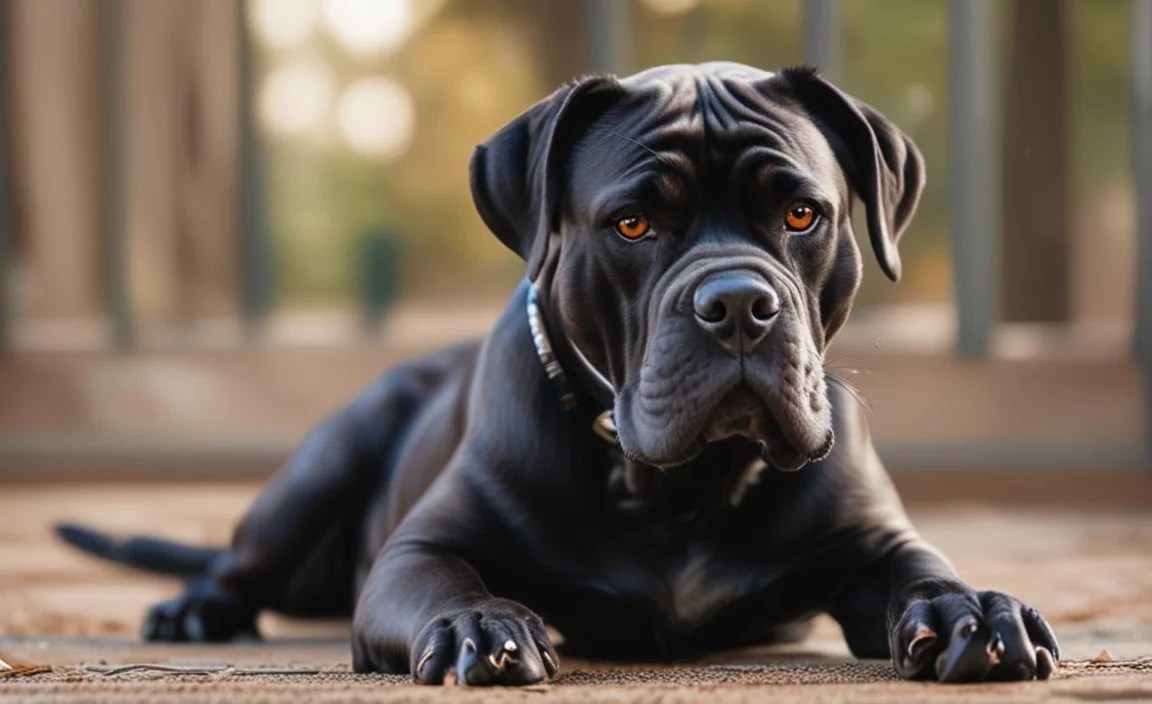
The Cane Corso is a large, powerful breed that requires a significant amount of regular exercise to stay healthy and well-behaved. Their exercise needs are not just about physical stamina; they are also deeply rooted in their intelligence and protective instincts. Ignoring these needs can lead to issues such as destructiveness, excessive barking, and behavioral problems.
Here’s a breakdown of their proven exercise requirements:
1. Daily Physical Activity: Building Stamina and Strength
Cane Corsos have a naturally high energy level, a trait inherited from their working ancestors. They need vigorous daily exercise to keep their bodies strong and their minds sharp.
Duration: Aim for at least 60-90 minutes of vigorous exercise per day. This can be broken into two or three sessions.
Intensity: This should include activities that get their heart rate up. Think brisk walks, jogging, or controlled play.
Consistency: Daily exercise is far more beneficial than sporadic bursts of activity. A consistent routine helps manage their energy effectively.
A simple walk around the block is often insufficient for a breed like the Cane Corso. They benefit from structured activity that challenges their physical capabilities.
2. Mental Stimulation: Engaging the Intelligent Mind
As intelligent dogs bred to make decisions in their working roles, Cane Corsos need mental challenges just as much as physical ones. Boredom can quickly lead to frustration and unwanted behaviors.
Puzzle Toys: These toys dispense treats when the dog manipulates them, requiring problem-solving.
Training Sessions: Regular obedience training, trick training, or even advanced agility work is excellent for mental engagement.
Scent Games: Hiding treats or toys and letting your Cane Corso use its powerful nose to find them is a fantastic way to tire their brain.
New Environments: Exploring new parks or walking routes can provide novel sensory experiences.
Mental exercise can be just as tiring as physical exercise. A tired mind is a happy mind, and a happy mind is less likely to create mischief.
3. Socialization and Controlled Exposure
While not strictly “exercise” in the physical sense, positive social interactions and controlled exposure to various stimuli are vital for a well-rounded Cane Corso.
Early Socialization: Exposing puppies to different people, dogs, sounds, and environments helps them grow into confident adults.
Controlled Interactions: Supervised playdates with well-behaved, known dogs can be beneficial.
Exposure to Daily Life: Taking your Cane Corso on outings (where appropriate and safe) helps them learn about the world and remain calm in different settings.
Proper socialization helps prevent fear-based aggression and ensures your Cane Corso can navigate different situations with confidence.
4. Not Over-Exercising Young Puppies
It’s crucial to remember that young Cane Corso puppies are still developing. Over-exercising them, especially on hard surfaces or with high-impact activities, can damage their developing joints.
Puppy Exercise: Short, frequent play sessions and gentle walks are best.
Leash Training: Focus on polite leash walking and basic obedience in their early months.
Consult Your Vet: Always consult your veterinarian on appropriate exercise levels for puppies as they grow.
The goal is to build a healthy foundation, not to push them too hard too soon.
Meeting these proven breed needs ensures your Cane Corso remains a happy, healthy, and well-adjusted member of your family.
A Balanced Exercise Regimen: Integrating Exercise Types
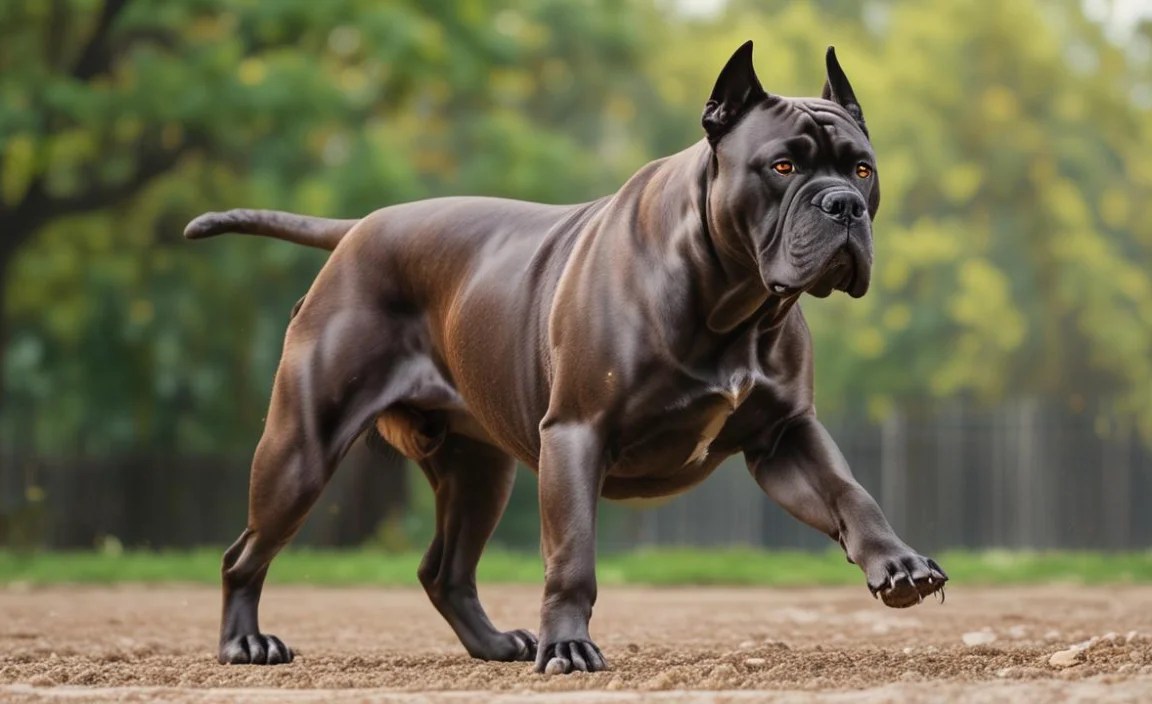
To truly meet your Cane Corso’s needs, it’s best to blend different types of exercise into a daily and weekly routine. This ensures both their physical and mental batteries are fully charged. Think of it as a well-rounded fitness plan for your canine companion.
Here’s how you can integrate various exercise types:
Morning Routine: Kickstarting the Day
Brisk Walk: A good 30-45 minute walk to get the blood flowing and explore the neighborhood. Use this time for obedience cues like “sit” at crosswalks or “heel” when other dogs pass.
Sniffing Time: Allow your Cane Corso to sniff and explore during the walk. This is vital mental stimulation.
Afternoon Engagement: Active Play or Training
Fetch or Tug-of-War: A 15-20 minute session of energetic play in a safely fenced yard. Tug-of-war can be especially good for building a bond and teaching impulse control (e.g., “drop it”).
Short Training Session: A 10-15 minute session focusing on new tricks, reinforcing obedience, or practicing impulse control exercises.
Evening Wind-Down: Mental and Light Physical Activity
Puzzle Toy: Offer a stimulating puzzle toy filled with their dinner kibble or a favorite healthy treat. This can keep them occupied and mentally engaged for 20-30 minutes.
Gentle Walk: A shorter, more relaxed 20-30 minute walk, allowing them to decompress.
Weekly Additions: Variety and Adventure
Hiking: Longer hikes in nature are fantastic for burning energy and providing new sensory experiences. Ensure the terrain is safe and your dog is comfortable.
Dog Parks (with caution): If your Cane Corso is well-socialized and enjoys the company of other dogs, supervised visits to a well-maintained dog park can be an option, but always prioritize safety and observe their behavior closely. Not all Cane Corsos are suited for dog parks.
Canine Sports: Consider introductory classes for sports like scent work, agility, or obedience competitions. These are excellent for bonding and channeling their natural abilities.
Swimming: If your Cane Corso enjoys water, swimming is a low-impact, high-energy exercise that’s great for their joints.
A good rule of thumb is to strive for at least 60-90 minutes of total exercise time per day, with a good mix of physical exertion and mental challenges.
Example Weekly Schedule:
This is a sample and should be adjusted based on your dog’s age, health, and individual temperament.
| Day | Morning (30-45 min) | Afternoon (20-30 min) | Evening (20-30 min) |
| :——– | :—————— | :———————— | :————————- |
| Monday | Brisk Walk, Sniffing | Fetch, Tug-of-War | Puzzle Toy |
| Tuesday | Jogging/Running | Obedience Training Focus | Gentle Walk, Scent Game |
| Wednesday | Brisk Walk, Sniffing | Longer Fetch Session | Puzzle Toy |
| Thursday | Endurance Walk | Trick Training | Gentle Walk, Reward Timing |
| Friday | Brisk Walk, Sniffing | Controlled Tug-of-War | Puzzle Toy |
| Saturday | Hike (60-90 min) | Relaxed Yard Play | Light Mental Games |
| Sunday | Swimming (if able) | Obedience Reinforcement | Gentle Walk, Cuddle Time |
Important Note: Always ensure your Cane Corso is properly hydrated during and after exercise, especially in warm weather.
Essential Gear for Cane Corso Exercise
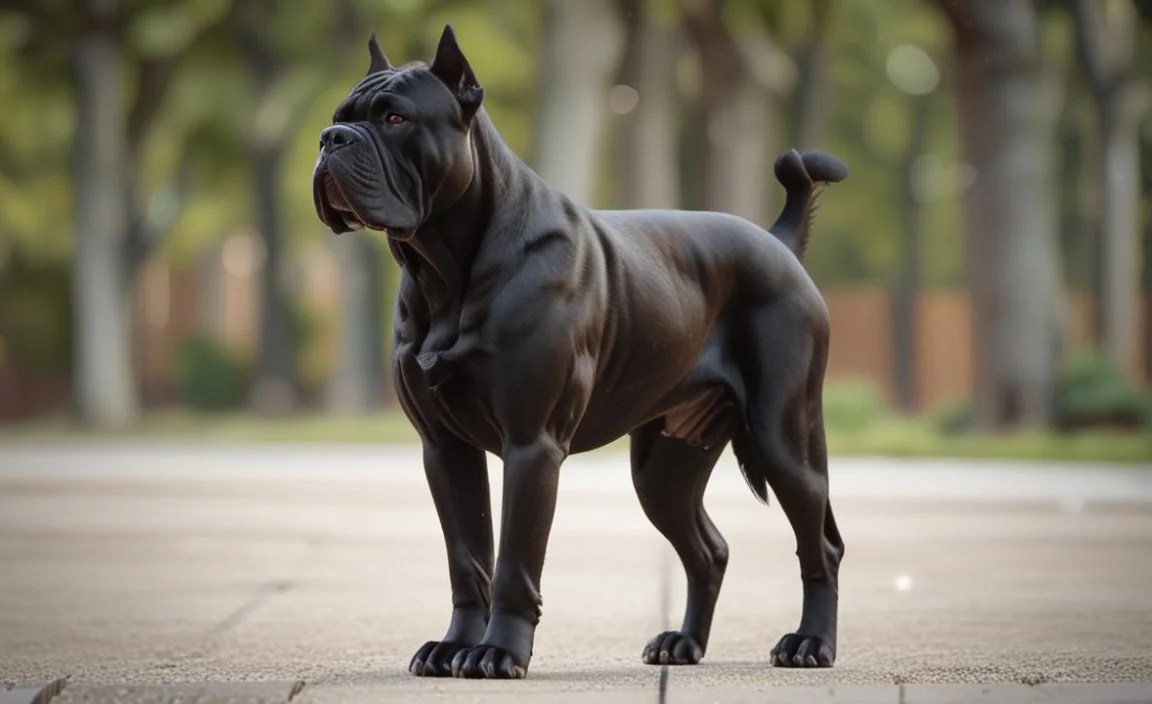
Having the right gear can make exercising your Cane Corso safer, more effective, and more enjoyable for both of you. For a powerful breed like the Cane Corso, sturdy and well-fitting equipment is paramount.
Here are some essential items:
Sturdy Leash: A 6-foot, durable leash made of nylon or leather is ideal. Avoid retractable leashes, as they offer less control with a strong dog.
Comfortable Collar or Harness: A well-fitted flat collar or a no-pull harness can be effective. For training, a front-clip harness is often recommended as it redirects the dog’s forward momentum gently. Ensure it’s snug enough that they can’t slip out but loose enough to fit two fingers underneath. Many owners prefer a martingale collar for added security if their dog is prone to slipping collars.
High-Quality Treats: Small, high-value treats are essential for training and rewarding good behavior during walks and training sessions.
Water Bottle and Bowl: Especially for longer outings or warm weather, carrying fresh water is crucial. Collapsible bowls are very convenient.
Poop Bags: Always be prepared to clean up after your dog.
Durable Toys: For fetch or tug, choose toys that are specifically designed for large, strong breeds. Look for brands that emphasize durability. Examples include heavy-duty rubber toys or robust chew ropes.
Appropriate Footwear (for you!): Comfortable, supportive shoes are a must, especially for long walks or runs.
Optional: Reflective Gear: For early morning or evening walks, reflective vests for both you and your dog, or reflective leashes/collars, enhance visibility.
When choosing gear, prioritize durability, function, and your dog’s comfort and safety. Always ensure collars and harnesses are properly fitted. Brands like Ruffwear offer highly durable options for active dogs, and many veterinary-approved trainers recommend specific types of no-pull harnesses for breeds with pulling tendencies.
Safety First: Exercise Considerations for Your Cane Corso
Exercising a powerful breed like the Cane Corso requires careful attention to safety. Their size and strength mean that if things go wrong, they can go wrong quickly. Prioritizing safety ensures that exercise remains a positive and beneficial part of your dog’s life.
Here are key safety considerations:
Supervision: Always supervise your Cane Corso during exercise, especially if they are playing with other dogs or engaging in new activities.
Awareness of Surroundings: Be mindful of potential hazards such as traffic, off-leash dogs that may be aggressive, slippery surfaces, or toxic plants.
Weather Conditions:
Heat: Cane Corsos can be susceptible to heatstroke. Avoid strenuous exercise during the hottest parts of the day in warm weather. Stick to early mornings or late evenings. Ensure plenty of water is available and consider cooling mats or a dip in water if possible.
Cold: While they have a coat, extreme cold can still affect them. If it’s very cold, shorten your exercise sessions and consider a protective coat if your dog seems uncomfortable.
Paw Care: Check your Cane Corso’s paws regularly for cuts, scrapes, or signs of irritation, especially after walking on rough terrain or hot pavement. Paw balms can help protect and heal their pads.
Joint Health: As a large breed, Cane Corsos are prone to joint issues like hip and elbow dysplasia. Avoid high-impact activities on hard surfaces, especially during their growth phase. Consult your veterinarian about supplements that can support joint health, such as glucosamine and chondroitin. Websites like the American Kennel Club (AKC) Health provide excellent resources on breed-specific health concerns.
Appropriate Fields/Parks: When visiting dog parks, assess the environment. Are the other dogs well-behaved? Is the fencing secure? Is the area clean? If your dog shows signs of stress or discomfort, it’s time to leave.
Hydration: Always carry water, especially on longer or more strenuous outings. Dehydration can happen quickly and is dangerous, particularly with large, muscular dogs.
Avoid Overexertion: Learn to recognize signs of fatigue in your dog, such as excessive panting, lagging behind, or seeking shade. Don’t push them past their limits.
Respect Their Size and Strength: Understand that Cane Corsos are powerful dogs. Teach them impulse control and polite greeting manners to prevent accidental injuries to people, especially children or the elderly.
Leash Control: Keep your Cane Corso on a leash in unfenced areas, not only for their safety but also for the safety of others.
By being prepared and vigilant, you can ensure that your Cane Corso’s exercise routine is a positive and safe adventure.
Frequently Asked Questions About Cane Corso Exercise
Here are answers to some common questions beginner Cane Corso owners have about exercise.
Frequently Asked Questions
How much exercise does a Cane Corso puppy need?
Young Cane Corso puppies have developing joints, so avoid over-exercising. Focus on short, frequent play sessions and gentle walks (about 5 minutes per month of age, per day, for example, a 4-month-old puppy might get 20 minutes of structured walking per day, split into sessions) on soft surfaces. Always supervise and consult your vet on specific exercise for your growing puppy.
Is a daily walk enough for an adult Cane Corso?
A daily walk is essential but usually not enough on its own for an adult Cane Corso. They typically need at least 60-90 minutes of vigorous exercise daily, which should include more than just a leisurely stroll. Consider adding jogging, structured play sessions, or mental challenges.
Can Cane Corsos overheat easily?
Yes, Cane Corsos, like many brachycephalic (short-nosed) or heavily built breeds, can be more prone to overheating. It’s vital to avoid strenuous exercise in hot weather, ensure constant access to fresh water, and watch for signs of heat exhaustion.
Are Cane Corsos good for apartment living if exercised properly?
While Cane Corsos are not ideal for small apartments due to their size and energy levels, proper and consistent exercise routines (60-90 minutes of vigorous activity daily, plus mental stimulation) can make it manageable for an adult dog. However, they thrive best with some outdoor space.
What are the signs my Cane Corso isn’t getting enough exercise?
Signs include destructiveness (chewing furniture, digging), excessive barking or howling, restlessness, hyperactivity, attention-seeking behaviors, and potential aggression out of frustration or boredom.
Should I let my Cane Corso run off-leash?
This depends heavily on your dog’s training, temperament, and the environment. While some Cane Corsos with excellent recall might be safe in a securely fenced, familiar area, it’s


