Cane Corso exercise is crucial for successful house training. Regular physical and mental stimulation prevents destructive behaviors and promotes a calm, trainable dog. Focused exercise routines build confidence and a strong bond, making potty training easier and more consistent for your Cane Corso.
Welcoming a Cane Corso into your home is an exciting time! These magnificent dogs are known for their loyalty and protective nature. However, like many powerful breeds, a Cane Corso’s energy needs careful management. If you’re struggling with house training accidents or finding your canine companion a bit too boisterous indoors, the key might lie not just in the potty breaks themselves, but in how much exercise your gentle giant is getting. A tired dog is a good dog, and for a breed as intelligent and active as the Cane Corso, this couldn’t be more true. Let’s dive into how a smart exercise plan can transform your house training journey.
The Undeniable Link Between Cane Corso Exercise and House Training Success

It might seem like a simple cause and effect, but the connection between exercise and successful house training for a Cane Corso is profound. These dogs are bred for work and protection, meaning they have a natural reservoir of energy that needs a healthy outlet. When that energy isn’t channeled properly, it can manifest in ways that hinder house training, such as:
Anxiety and restlessness: An under-exercised dog can become anxious and unable to settle, leading to frequent urges to go outside, often at inappropriate times.
Destructive chewing: Boredom and pent-up energy are prime culprits behind your new Cane Corso chewing on furniture or other household items. This can be a sign they need more physical or mental stimulation.
Accidents: A dog that hasn’t had the chance to relieve themselves during a proper outdoor session might hold it, only to have an accident indoors later when they finally feel overwhelmed. Conversely, a dog so full of pent-up energy might not focus on pottying outdoors and may still have an accident inside.
By understanding and implementing a robust exercise routine, you’re not just tiring your dog out; you’re building a foundation for a well-behaved companion and setting yourself up for smoother house training.
Understanding the Cane Corso’s Exercise Needs

Before we get into specific routines, it’s crucial to understand what drives your Cane Corso’s energy levels. These aren’t lap dogs; they’re powerfully built and athletic. While their exercise needs can vary based on age, individual temperament, and health, most adult Cane Corsos thrive on a good amount of daily activity. Puppies and adolescent dogs will have different needs – more frequent, shorter bursts of activity are usually better for their developing joints.
The American Kennel Club (AKC) emphasizes that while breeds like the Cane Corso are intelligent and capable, they require consistent training and socialization. Exercise is a cornerstone of this, preventing behavioral issues that can arise from boredom or lack of stimulation.
Age-Appropriate Exercise: A Key Consideration
Puppyhood (2-6 months): Focus on short, frequent walks (5 minutes per month of age, twice a day) and play sessions. Avoid strenuous, high-impact activities that could harm their growing bones. Mental stimulation through training and puzzle toys is also vital.
Adolescence (6-18 months): Energy levels surge. Longer walks, jogging (once fully grown and cleared by a vet), and more engaging play sessions are appropriate. Continue consistent training and socialization.
Adulthood (18 months+): This is when your Cane Corso can handle more robust exercise. Aim for at least 60-90 minutes of moderate to vigorous activity daily, broken into sessions.
Crafting a Genius House Training Exercise Plan

The “genius” aspect of this plan comes from its integration. We’re not just exercising to tire them out; we’re exercising with purpose to support house training. This means timing, consistency, and variety are your best friends.
Morning Routine: Setting the Tone for the Day
The morning is critical. Your Cane Corso has likely slept through the night and needs to relieve themselves.
1. Immediate Outing: As soon as your Cane Corso wakes up, leash them and take them directly outside to their designated potty spot. Don’t play or let them get distracted. The goal is immediate relief.
2. Positive Reinforcement at the Potty Spot: When they eliminate, praise them enthusiastically and offer a high-value treat. This association is key to them understanding “this is where I potty.”
3. Post-Potty Play Session: After they have successfully pottied, engage in a fun play session in the yard or a short, brisk walk. This rewards them for doing their business and helps them burn off morning energy before you start your day or settle into training sessions. This structured routine teaches them that pottying outside is the first and most important task of the morning.
Mid-Day Bursts of Energy: Keeping Them Engaged
If you’re home during the day, or if you have a dog walker coming, midday activity is crucial.
Energizing Walks: A brisk 30-45 minute walk is ideal. Focus on a good pace, allowing your Cane Corso to sniff and explore their environment. This not only exercises their body but also their mind.
Interactive Play: Games like fetch, tug-of-war (with rules!), or even scent games can be incredibly effective for burning energy. Remember to keep play sessions structured and interactive.
Training Sessions: Short, frequent training sessions (5-10 minutes) are fantastic mental exercise. Practicing commands, working on impulse control, or teaching new tricks can be as tiring as physical activity.
Evening Wind-Down: Preparing for Rest
The evening routine should help your Cane Corso transition from a day of activity to a night of rest.
1. Pre-Dinner Potty Break: Take them out for a potty break before their meal, just like in the morning.
2. Post-Dinner Calm Walk: A slightly more relaxed walk after dinner can aid digestion and help them settle. Focus on calm sniffing and enjoying the surroundings rather than a vigorous pace.
3. Chew Time: Provide a safe, engaging chew toy. This self-soothing activity is perfect for winding down and can prevent them from seeking out inappropriate items to chew.
Types of Exercise to Maximize House Training for Your Cane Corso

Not all exercise is created equal, especially when it comes to supporting house training. A varied approach keeps your Cane Corso engaged and ensures they’re developing physically and mentally.
Physical Exercise: The Foundation
Brisk Walks: The backbone of any Cane Corso’s exercise routine. Aim for at least two substantial walks daily. The key is “brisk” – you should feel a good pace. Many resources, like the veterinary site VCA Animal Hospitals, suggest that consistent exercise is vital for managing weight and overall health, which indirectly supports good behavior.
Running/Jogging (Age Permitting): Once your Cane Corso is physically mature (usually around 18-24 months, and after a vet check), they can enjoy running. This is a fantastic way to burn serious energy. Introduce it gradually.
Swimming: If your Cane Corso enjoys water, swimming is a low-impact, high-energy-burning activity. It’s excellent for building muscle and stamina without stressing their joints.
Fetch and Retrieve Games: Great for short bursts of high-energy activity. Ensure your dog has good recall before playing in unfenced areas, or use a long line.
Mental Stimulation: The Brain Workout
Mental exercise is often overlooked but is just as crucial as physical exercise for a breed as intelligent as the Cane Corso. A mentally tired dog is also a calm dog, less prone to mischief and more receptive to training.
Puzzle Feeders and Treat-Dispensing Toys: These toys make your dog work for their food or treats, providing a significant mental challenge. Brands like Kong or Nina Ottosson offer excellent options.
Scent Games: Hide treats around the house or yard and encourage your dog to find them. This taps into their natural instincts and is incredibly engaging.
Obedience Training: Even simple commands like “sit,” “stay,” and “come” require focus and can be mentally tiring. Introduce new commands or practice existing ones regularly.
“Find It” Games: A step up from hiding treats, you can hide a favorite toy and encourage them to find it using their nose and problem-solving skills.
Socialization as an Exercise Outlet
Proper socialization isn’t just about letting your dog meet others; it’s about positive new experiences that engage their senses and intellect.
Controlled Playdates: With well-behaved, vaccinated dogs of similar size and energy levels.
Visits to New, Safe Environments: Parks (where allowed), hiking trails, or even just driving to a new neighborhood for a walk can provide novel sensory input.
What to Avoid: Common Exercise Mistakes
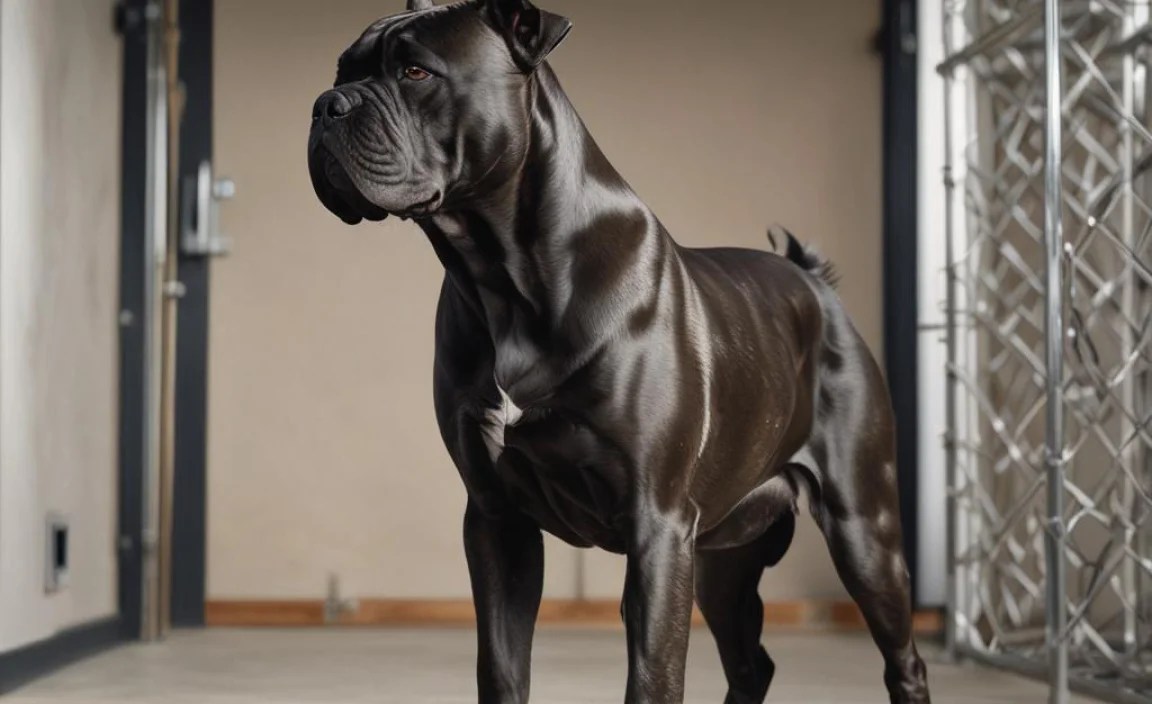
To truly create a “genius” house training plan through exercise, it’s important to know what not to do.
Over-exercising Puppies: This can lead to joint damage. Stick to the age-appropriate guidelines.
Strenuous Activities in Extreme Weather: Heatstroke and cold injuries are serious risks. Always monitor conditions.
Unstructured, Constant “Yard Time”: While free play is good, it’s not a substitute for focused walks and structured play that tires a dog out effectively.
Forcing Interaction: If your dog is showing signs of fear or stress around other dogs or people, don’t force them. This can create negative associations.
Neglecting Mental Stimulation: A physically tired dog can still be mentally bored and prone to issues.
Integrating Exercise with House Training Signals
The “genius” part is combining everything. You want to recognize your Cane Corso’s signals for needing to go outside and have an exercise routine that supports this.
Recognizing Potty Cues
Even with ample exercise, your Cane Corso will give signals they need to go:
Circling
Sniffing the ground intently
Whining or pacing
Suddenly stopping play or activity
Heading towards the door
When you see these, it’s time for an immediate trip to the potty spot. Even if it’s only been an hour since their last outing, respond to the cue.
Timing is Everything: Post-Nap, Post-Meal, and Post-Play
These are prime times when dogs typically need to relieve themselves.
Post-Nap: As soon as they wake from sleep, take them out.
Post-Meal: Within 15-30 minutes after eating or drinking, it’s time for another potty break.
Post-Play: Immediately after a vigorous play session, take them for a quick potty break.
By ensuring these crucial times are covered by well-timed potty breaks and that your overall exercise prevents them from getting over-excited or anxious, you’ll greatly reduce accidents.
Tools and Gear to Enhance Exercise and Training
Having the right equipment can make exercising your Cane Corso easier and more effective, directly benefiting your house training efforts.
Essential Gear for Walks and Outings
Sturdy Leash: A 6-foot nylon or leather leash is standard and works well. For training focus, a hands-free leash can be beneficial.
Comfortable Collar or Harness: A well-fitting flat collar or a no-pull harness can be excellent. For breeds like the Cane Corso, a harness that distributes pressure across the chest rather than the throat is often recommended. Look for options like the Kurgo Tru-Fit harness, often praised for its durability and safety features.
Poop Bags: Always be prepared! Biodegradable options are environmentally friendly.
Water Bottle and Collapsible Bowl: Essential for longer outings to keep your dog hydrated.
Mental Stimulation Aids
Interactive Puzzle Toys: Brands like KONG offer durable toys that can be filled with treats or kibble to keep your dog occupied and mentally challenged.
Treat-Dispensing Balls: Great for encouraging active play and mental engagement.
Lick Mats: Can be used with peanut butter or yogurt for a calming, distracting treat that also provides mental stimulation.
Training Aids
High-Value Treats: Small, soft, and highly palatable treats that your dog absolutely loves will make training sessions much more effective.
Clicker: For clicker training, a consistent marker can help your dog understand exactly when they’ve performed the desired behavior, speeding up learning.
Case Study Snapshot: The Impact of Exercise on House Training
Meet “Titan,” a two-year-old Cane Corso who was a bundle of energy and nerves. His owners, Sarah and Mark, were frustrated with frequent accidents in the house, despite diligent potty breaks. Titan would often seem restless, pacing and looking out windows, which would then be followed by an accident.
Sarah and Mark implemented a new routine based on the principles discussed:
Morning: Immediate potty break on waking, followed by a 15-minute fetch session in the yard.
Midday: A 45-minute brisk walk, incorporating short obedience cues.
Evening: Post-dinner leisurely walk, followed by 20 minutes with a stuffed KONG.
Added: Two 5-minute training sessions daily focused on impulse control.
Within three weeks, Sarah and Mark noticed a dramatic shift. Titan was more settled, his pacing reduced significantly, and the number of house-training accidents dropped by over 80%. He was sleeping better at night and seemed more eager to please during training. The key takeaway? Channeling Titan’s substantial energy and mental needs through structured exercise and play directly reduced his anxiety and improved his ability to “hold it” and respond to potty cues.
Frequently Asked Questions About Cane Corso Exercise and House Training
Q1: How much exercise does a Cane Corso puppy need daily?
For Cane Corso puppies, a good rule of thumb is to aim for about 5 minutes of formal exercise per month of age, twice a day. So, a 3-month-old puppy would benefit from two 15-minute sessions. Focus on brisk walks and gentle play, avoiding strenuous impact activities that could harm their developing joints. Mental stimulation through short training sessions and puzzle toys is also vital.
Q2: Is it okay for my Cane Corso to run for long distances?
Once your Cane Corso reaches physical maturity (typically around 18-24 months, and after consulting with your veterinarian), they can certainly enjoy longer runs. However, always introduce running gradually. Start with shorter distances and gradually increase duration and intensity. Monitor your dog for signs of fatigue or discomfort. Swimming is a wonderful low-impact alternative for high-energy burning.
Q3: My Cane Corso has accidents even after walks. What’s wrong?
Several factors could be at play. While exercise is key, ensure your potty breaks are consistent and timed correctly (after waking, eating, drinking, and playing). Also, consider if the walks are long enough or vigorous enough to truly tire them out. Sometimes, accidents can stem from underlying anxiety, stress, or even medical issues. If the problem persists despite a good exercise and potty routine, a vet check is recommended. You might also need to revisit basic house training principles with increased supervision and positive reinforcement.
Q4: Can I use puzzle toys instead of walks sometimes?
Puzzle toys and mental stimulation are incredibly beneficial and a vital part of a well-rounded exercise plan. However, they cannot fully replace physical exercise for a breed with the energy needs of a Cane Corso. Physical activity helps build stamina, muscle tone, and cardiovascular health. Mental stimulation addresses different needs like problem-solving and focus. The ideal approach is a combination of both daily.
Q5: How do I know if my Cane Corso is getting enough exercise?
Signs your Cane Corso might not be getting enough exercise include restlessness, destructive chewing or digging, excessive barking, weight gain, lethargy (unexpectedly), and difficulty settling down indoors. Conversely, a well-exercised Cane Corso is generally calmer, more focused, sleeps better, and is more receptive to training and commands. Look for a healthy balance where they have energy for activities but can also relax.
Q6: Is it safe to walk my Cane Corso in hot weather?
Extreme heat poses a significant risk of heatstroke for all dogs, including Cane Corsos. Their brachycephalic-like facial structure (though less pronounced than some breeds) can make breathing harder in the heat. If you must exercise them in warmer weather, do so during the coolest parts of the day (early morning or late evening). Stick to shorter, slower walks. Always ensure they have access to fresh water and can rest in the shade. Wetting them down can help. If temperatures are very high (above 80°F or 27°C with humidity), it’s best to keep exercise to a minimum indoors with indoor games or training.
Putting It All Together: Your Consistent Approach
Remember, house training a Cane Corso (or any dog) is a journey, not a race. The exercise plan we’ve discussed is a powerful tool, but consistency is paramount. Every day, strive to provide:
Timed potty breaks: Especially upon waking, after meals, and after play.
Adequate physical exercise: Tailored to their age and energy level.
Engaging mental stimulation: To keep their sharp minds occupied.
Positive reinforcement: For good behavior, especially successful pottying outdoors.
**


