In summary: Proper Cane Corso exercise is crucial for this powerful breed’s physical health, mental well-being, and good behavior. Aim for at least 60-120 minutes of varied activity daily, combining structured training, vigorous play, and controlled walks to ensure your Cane Corso stays happy, healthy, and well-adjusted.
Bringing a Cane Corso into your home means welcoming a devoted, athletic, and intelligent companion. These majestic dogs, also known as Italian Mastiffs, have a rich history as guardians and working dogs. This heritage means they have substantial energy reserves and a strong drive to be active. Without enough exercise, even the most well-meaning Cane Corso can become bored, restless, or develop behavioral issues.
But don’t worry! Understanding your Cane Corso’s specific exercise needs is simpler than you might think. This guide will walk you through everything you need to know to keep your Italian Mastiff happy, healthy, and brimming with vitality through the right kind of exercise. Get ready to unlock your dog’s full potential!
Understanding Cane Corso Exercise Needs: Why It’s More Than Just a Walk

Cane Corsos are not couch potatoes. They were bred for demanding jobs, and their physical and mental makeup reflects this. They possess incredible strength, stamina, and intelligence, which all need an outlet. Insufficient exercise can lead to a range of problems, from destructive chewing and excessive barking to anxiety and even aggression. Think of it like this: a tired dog is a good dog, but a bored dog can be a handful. Providing consistent and appropriate exercise is one of the foundational pillars of responsible Cane Corso ownership. It’s not just about burning off energy; it’s about providing mental stimulation, reinforcing your bond, and ensuring they are a well-adjusted member of your family.
The amount and type of exercise a Cane Corso needs will vary based on their age, health, and individual temperament. A young, boisterous puppy will have different needs than a senior dog, and an active adult working dog will require more than a Cane Corso primarily living as a family pet. However, the general consensus for a healthy adult Cane Corso is a significant commitment to daily activity. This isn’t a breed that can be satisfied with a quick potty break around the block. They thrive on engagement and purpose.
This understanding is vital. When you commit to meeting your Cane Corso’s exercise requirements, you’re investing in their overall quality of life and a more harmonious relationship between you. Let’s dive into the specifics of what makes for effective Cane Corso exercise.
How Much Exercise Does a Cane Corso Need Daily?

As a general guideline, adult Cane Corsos require a minimum of 60 to 120 minutes of exercise per day. This might seem like a lot, but it’s essential for their physical and mental well-being. This exercise time should be broken down into several sessions throughout the day to prevent fatigue and keep them engaged. Think of morning walks, an active play session in the afternoon, and an evening stroll.
For puppies, the rule of thumb is five minutes of formal exercise per month of age, twice a day. So, a 4-month-old puppy should have about 20 minutes of structured exercise twice daily. Overexercising puppies can be detrimental to their developing joints. Always consult your veterinarian for specific puppy exercise recommendations.
Senior Cane Corsos may need less intense exercise, but regular, modified activity can still be very beneficial. Shorter, gentler walks and low-impact activities can help maintain mobility and cognitive function.
Factors Influencing Exercise Needs:
- Age: Puppies and senior dogs have different requirements than adults.
- Health Conditions: Dogs with arthritis, heart conditions, or other health issues will need a veterinarian-approved exercise plan.
- Temperament: Some individual dogs are naturally more energetic or high-drive than others within the breed.
- Activity Level of Owner: If you’re an avid hiker, your Cane Corso will likely be able to keep up with more vigorous activities.
- Environmental Factors: Extreme weather conditions (heat, cold, rain) may necessitate indoor alternatives.
It’s always best to observe your dog for signs of fatigue or overexertion. Panting excessively even in a cool environment, lagging behind, or a reluctance to continue are all indicators that it’s time to slow down or stop.
Types of Exercise for Your Cane Corso

A varied exercise routine is key to keeping your Cane Corso engaged and preventing boredom. Relying on just one type of activity can quickly become monotonous for an intelligent breed like the Cane Corso. Mixing different forms of exercise will challenge them physically and mentally, leading to a more well-rounded and happy dog.
1. Structured Walks and Hikes
Regular walks are fundamental. For a Cane Corso, these should be purposeful and brisk, not just leisurely strolls. Aim for walks where your dog is engaging with their environment and you, rather than pulling you along or sniffing every inch of sidewalk excessively. Leash training is paramount for this breed due to their size and strength. Teaching them to walk nicely by your side is a crucial part of their exercise regimen.
Hikes in natural settings offer excellent opportunities for extended exercise. The varied terrain provides a physical challenge, and the abundance of new sights, sounds, and smells offers significant mental stimulation. Always ensure your Cane Corso is on a leash in areas where wildlife might be present or where local leash laws apply. Reputable sources like the National Park Service offer valuable information on understanding and respecting leash regulations in outdoor recreational areas.
2. Vigorous Play and Fetch
Games of fetch, tug-of-war (with proper rules to prevent resource guarding), and other energetic play sessions are fantastic for burning off pent-up energy. These activities also serve as excellent training opportunities, reinforcing commands like “fetch,” “drop it,” and “leave it.” Use durable toys that can stand up to your Cane Corso’s strong jaws.
When playing fetch, focus on drills that involve bursts of speed and controlled stops. This mimics the athletic demands of their ancestral roles. Ensure the playing surface is safe and not overly hard, especially for younger or older dogs, to protect their joints.
3. Mental Stimulation and Training Sessions
Don’t underestimate the power of mental exercise! For intelligent breeds like the Cane Corso, a mentally challenging activity can be just as exhausting and rewarding as physical exertion. Short, consistent training sessions throughout the day are vital. Practicing obedience commands, teaching new tricks, or engaging in scent work can all contribute significantly to their overall “exercise” quotient.
Puzzle toys, treat-dispensing toys, and even simple hide-and-seek games with treats can keep their minds sharp and active. These activities prevent boredom and can help curb less desirable behaviors that stem from a lack of mental engagement.
4. Swimming
Many Cane Corsos enjoy swimming, and it’s an excellent low-impact exercise, especially for dogs with joint issues or during warmer months. It provides a full-body workout and builds stamina without stressing their skeletal system. Always introduce your Cane Corso to water gradually and ensure they are in a safe, supervised environment. Never force a dog to swim if they are afraid.
5. Dog Sports
For owners and dogs who enjoy a challenge, consider participating in dog sports. Activities like agility, obedience trials, or Schutzhund (now IPO/IGP) can be incredibly beneficial if approached correctly. These sports require a high degree of training, physical conditioning, and mental focus, making them ideal for the intelligent and driven Cane Corso. Always seek out qualified instructors who understand the breed.
Sample Weekly Exercise Plan for an Adult Cane Corso

Here’s a sample plan to give you an idea of how to structure your Cane Corso’s weekly exercise. Remember, this is a template, and you should adjust it based on your dog’s individual needs and your lifestyle.
| Day | Morning (Approx. 30-40 mins) | Afternoon (Approx. 30-40 mins) | Evening (Approx. 20-30 mins) |
|---|---|---|---|
| Monday | Brisk walk on leash, focus on heel work and responsiveness. | Fetch in a secure yard or park. Incorporate short training sessions with new commands. | Leisurely walk, allowing for some exploration and sniffing. |
| Tuesday | Longer hike on a trail with varied terrain. | Mental stimulation: puzzle toys and gentle obedience practice. | Short, brisk walk. |
| Wednesday | Interval training walk: fast-paced segments followed by walking pace. | Tug-of-war (controlled) and trick training. | Relaxed walk in a different neighborhood. |
| Thursday | Steady-paced walk, practicing loose-leash walking. | Supervised swimming session (if available and dog enjoys it). | Short potty break and stretching walk. |
| Friday | Obstacle course walk: incorporating stepping over small objects or navigating gentle slopes. | Intensive training session focusing on obedience or a specific skill. | Moderate walk, allowing ample sniff time. |
| Saturday | Extended hike or park visit with running opportunities. | Free play with durable toys and social interaction if appropriate. | Gentle walk to wind down. |
| Sunday | Active play session (fetch, flirt pole) followed by a short rest. | Mental games: scent work, “find the treat” inside. | Short, calming stroll. |
Important Considerations for the Weekly Plan:
- Listen to your dog: If your dog seems tired, reduce the intensity or duration.
- Weather: Adjust activities for extreme heat or cold. Consider indoor options.
- Recovery: Ensure there are days with slightly less intense activity to allow for muscle recovery.
- Socialization: If your dog is comfortable and well-socialized, incorporate opportunities for positive interactions with other dogs.
Cane Corso Exercise Gear Essentials
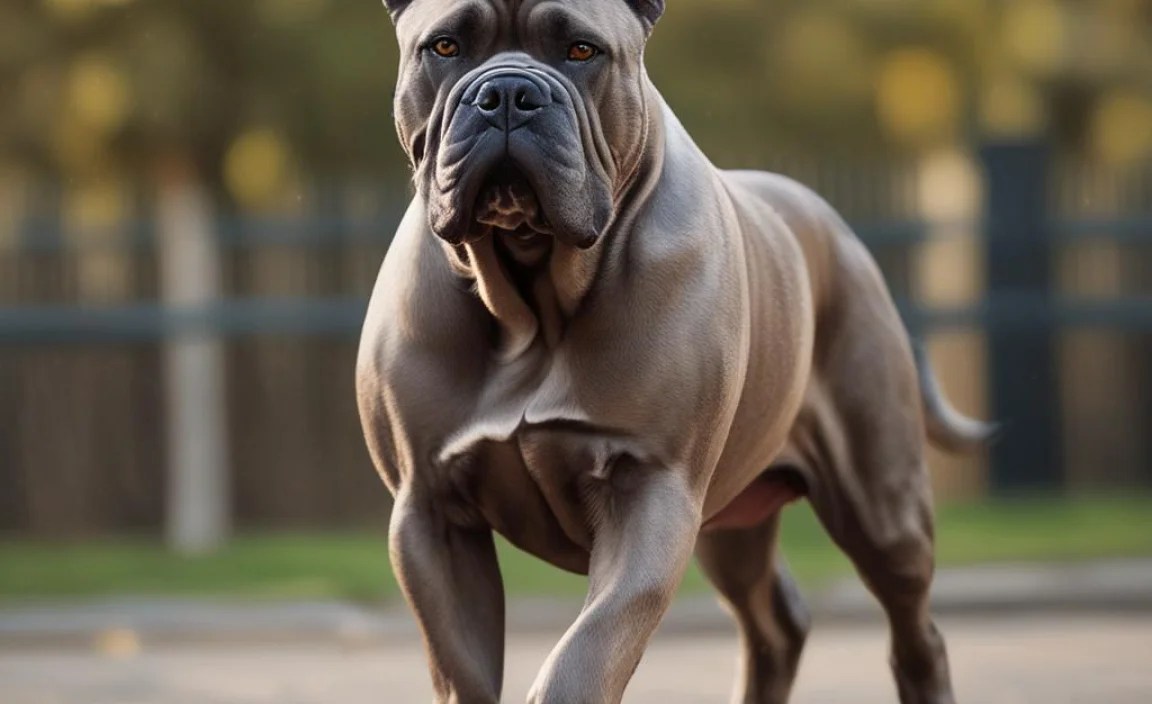
Having the right gear can make exercise sessions safer, more comfortable, and more effective for both you and your Cane Corso. Let’s look at some key items:
1. Harness or Collar
For walks, a sturdy, well-fitted harness is often recommended for Cane Corsos. It distributes pressure across their chest and shoulders, reducing strain on their neck, which is particularly important for a dog with their powerful build. Look for front-clip harnesses, which can help with leash control. A strong, well-fitting flat collar is also acceptable for everyday wear and identification tags, but for training and stronger control, a harness is usually preferred. Avoid choke chains or prong collars, as they can cause injury and do little to promote positive training. For more on effective leash control, the American Kennel Club offers great advice on leash training techniques.
2. Leash
A durable, comfortable leash is a must. A standard 6-foot nylon or leather leash is usually ideal for walks. Avoid retractable leashes, as they offer less control and can be dangerous if they malfunction or snap. For training, a 10-15 foot lead can be useful for practicing longer-distance commands, provided you have a secure area.
3. Sturdy, Safe Toys
Cane Corsos have strong jaws, so invest in toys made from durable, safe materials. Rubber chew toys, heavy-duty ropes for tug-of-war, and tough fetch toys are good options. Always supervise your dog during play to ensure they don’t chew off and ingest pieces of their toys. Kongs stuffed with treats are excellent for mental enrichment and can keep them occupied during downtime.
4. Water Bottle and Bowl
For any exercise session longer than 30 minutes, especially in warm weather, bringing fresh water is non-negotiable. Collapsible water bowls or specialized pet water bottles are convenient for on-the-go hydration.
5. Reflective Gear and Lights
If you exercise your Cane Corso during dawn, dusk, or at night, safety is paramount. Reflective vests for your dog and a light-up collar or leash attachment will make them highly visible to vehicles and cyclists.
6. Protective Footwear
In some environments, like hot pavement in summer or icy, salted sidewalks in winter, paw protection may be necessary. Dog booties or paw balms can help prevent burns, cracks, and irritation.
Investing in quality gear shows you’re serious about your dog’s well-being and safety during their exercise routines.
Potential Pitfalls and How to Avoid Them
Even with the best intentions, some challenges can arise when exercising a powerful breed like the Cane Corso. Being aware of these potential pitfalls can help you navigate them successfully.
1. Overexertion and Heatstroke
Cane Corsos, like many brachycephalic (short-nosed) breeds, can be susceptible to heatstroke. Their sturdy build means they can overheat quickly. Always exercise during the cooler parts of the day in warm weather. Provide ample water and watch for signs like excessive panting, drooling, lethargy, or vomiting. If you suspect heatstroke, move your dog to a cooler environment immediately and contact your veterinarian. Thorough research by organizations like the American Veterinary Medical Association (AVMA) details the critical risks and prevention strategies associated with heat-related illnesses in pets.
2. Joint and Bone Issues
Cane Corsos are prone to hip and elbow dysplasia. While genetics play a role, improper exercise, especially during their rapid growth periods, can exacerbate these conditions. Avoid high-impact activities like jumping or long runs on hard surfaces for puppies and young dogs. Ensure they maintain a healthy weight to reduce stress on their joints.
3. Leash Reactivity and Pulling
Due to their strength, a Cane Corso that pulls on the leash can be difficult to manage. This is where consistent leash training from an early age is crucial. If your Cane Corso exhibits leash reactivity (barking or lunging at other dogs or people), it’s essential to seek professional help from a certified trainer to address the underlying cause of the behavior.
4. Boredom and Destructive Behavior
A bored Cane Corso can become a destructive Cane Corso. If your dog is chewing furniture, digging holes, or exhibiting excessive barking, it’s often a sign they aren’t getting enough physical and mental stimulation. Increase the duration or intensity of their exercise and introduce more puzzle toys and training sessions.
5. Aggression and Fear-Based Behaviors
While Cane Corsos are naturally protective, improper socialization or lack of sufficient appropriate exercise can sometimes manifest as fear-based aggression or over-protectiveness. Early and ongoing positive socialization, combined with consistent training and exercise, is key to preventing these issues. If aggression is a concern, consult a professional, positive-reinforcement-based trainer immediately.
By being mindful of these potential issues and taking proactive steps to prevent them, you can ensure your Cane Corso’s exercise routine is safe, beneficial, and enjoyable.
Frequently Asked Questions About Cane Corso Exercise
Q1: How much exercise does a Cane Corso puppy need?
A1: For puppies, a general rule is about five minutes of formal exercise per month of age, twice a day. For example, a 3-month-old puppy should have about 15 minutes of exercise, twice daily. Avoid strenuous activities and long runs on hard surfaces until they are fully grown to protect their developing joints.
Q2: Can my Cane Corso get enough exercise indoors?
A2: While indoor activities like puzzle toys, training sessions, and indoor games can provide valuable mental stimulation, they generally don’t suffice for a Cane Corso’s significant physical energy needs. Outdoor exercise like walks and play is essential.
Q3: What are signs that my Cane Corso is getting too much exercise?
A3: Signs include excessive panting even when not hot, lagging behind on walks, extreme lethargy, limping, loss of appetite, or a reluctance to engage in activities they once enjoyed. Always monitor your dog and allow for rest periods.
Q4: Is running a good exercise for Cane Corsos?
A4: Yes, running can be excellent as part of their routine, especially for adult, healthy Cane Corsos. However, it should be introduced gradually and not be the sole form of exercise. Ensure surfaces are not too hard, and always avoid running with puppies or dogs with known joint issues. Consider running on softer trails or grass.
Q5: My Cane Corso seems lazy. Do they still need a lot of exercise?
A5: Even a dog that seems less energetic often still requires a good amount of daily activity to


