Cane Corso exercise is crucial for managing their immense power and ensuring a happy, well-behaved dog. Provide consistent, stimulating physical and mental activities daily to meet their needs.
Owning a Cane Corso is a rewarding experience, but these incredible Italian Mastiffs have a lot of energy to burn! If you’re wondering how to properly exercise your Cane Corso, you’re in the right place. Many owners find it challenging to channel their dog’s natural strength and drive into positive outlets. This can sometimes lead to frustration for both you and your furry friend. But don’t worry! With a little knowledge and a consistent routine, you can easily keep your Cane Corso happy, healthy, and well-behaved. We’ll walk you through everything you need to know, from daily walks to stimulating games, making Cane Corso exercise simple and effective for any owner.
Understanding the Cane Corso’s Exercise Needs

The Cane Corso is a breed built for power, protection, and athleticism. Originating from Italy, they were historically used as cattle drovers, war dogs, and estate guardians. This heritage means they have a natural inclination for activity and a brain that needs stimulation. Simply put, a bored or under-exercised Cane Corso can become a destructive or anxious one. Providing sufficient exercise isn’t just about preventing mischief; it’s fundamental to their physical and mental well-being.
An adult Cane Corso typically needs at least 60 to 90 minutes of vigorous exercise per day. This isn’t just a leisurely stroll around the block. They need activities that challenge their bodies and minds. Puppies, of course, have different needs, as over-exercising young joints can be detrimental. We’ll delve into age-specific requirements later, but the general rule of thumb is to keep them active and engaged.
Why Proper Exercise Matters
Physical Health: Regular exercise helps maintain a healthy weight, strengthens muscles and bones, and promotes good cardiovascular health. This is vital for a large breed like the Cane Corso, helping to prevent common issues such as hip and elbow dysplasia, bloat, and heart conditions.
Mental Stimulation: Cane Corsos are intelligent dogs. Without mental challenges, they can become bored, leading to destructive behaviors like chewing, digging, or excessive barking. Exercise, especially activities that involve problem-solving or learning, keeps their minds sharp and engaged.
Behavioral Management: A well-exercised dog is generally a calmer, more obedient dog. Pent-up energy can manifest as anxiety, aggression, or nervousness. Consistently meeting their exercise needs can curb these undesirable behaviors and make them a more pleasant companion.
Bonding: Engaging in activities with your Cane Corso strengthens your bond. It’s a fantastic way to build trust and deepen your relationship, making training easier and your life together more harmonious.
Tailoring Exercise to Your Cane Corso’s Age

The amount and type of exercise your Cane Corso needs will change significantly as they grow. It’s crucial to adjust their routine to match their developmental stage.
Cane Corso Puppies (Under 1 Year)
Puppyhood is a time of rapid growth, and their bones and joints are still developing. Over-exercising can lead to serious long-term health problems.
Focus: Gentle play, short, controlled walks, and basic training are key.
Frequency: Multiple short bursts of activity throughout the day are better than one long session. Think 5-10 minutes of play or a short walk a few times a day.
Type: Socialization walks (short distance), gentle fetch in a safe, soft area, puzzle toys, and positive reinforcement training sessions. Avoid forced running, jumping from heights, or long, strenuous hikes until they are physically mature.
Rule of Thumb: A common guideline for structured exercise is the “five-minute rule” per month of age, twice a day. So, a 4-month-old puppy could handle around 20 minutes of exercise twice daily.
Adolescent Cane Corsos (1-2 Years)
As they approach maturity, their stamina increases, but they’re still growing. They can handle more sustained activity but still need careful management.
Focus: Gradually increasing the duration and intensity of exercise. Introduction to more varied activities.
Frequency: Aim for longer sessions, gradually building up to the adult recommendation of 60-90 minutes.
Type: Longer walks, jogging (on soft surfaces, and at their pace), supervised fetch, agility introduction, and engaging obedience exercises. Continue mental stimulation with new training cues and trick training.
Adult Cane Corsos (2+ Years)
Once they are fully physically mature, your Cane Corso can handle more demanding exercise routines. Consistency is now paramount.
Focus: Maintaining a regular, vigorous schedule that includes both physical exertion and mental challenges.
Frequency: Daily commitment of 60-90 minutes of moderate to vigorous exercise.
Type: Vigorous walks or hikes, running, swimming, structured playtime, advanced training, and scent work.
Senior Cane Corsos
Even as they age, senior Cane Corsos still benefit from regular, albeit gentler, exercise. It helps maintain muscle mass, joint health, and mental acuity.
Focus: Low-impact activities and gentle mental stimulation.
Frequency: Shorter, more frequent walks may be preferred. Listen to your dog’s cues.
Type: Slow, leisurely walks, gentle swimming, short puzzle toy sessions, and calm obedience practice. Consult your veterinarian about any specific needs or limitations.
Essential Cane Corso Exercise Activities
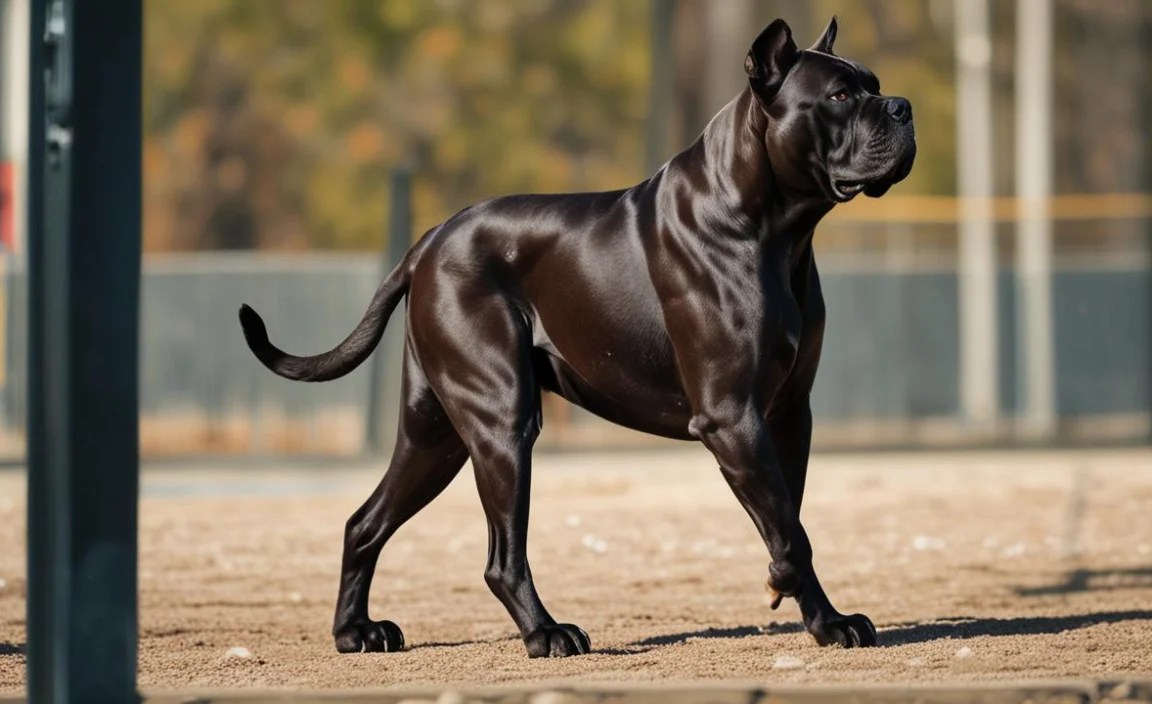
Let’s dive into the types of activities that will keep your Italian Mastiff happy and healthy. A balanced approach combining physical and mental stimulation is best.
1. Walking and Hiking
This is the cornerstone of any dog’s exercise routine, and for a Cane Corso, it’s non-negotiable.
Daily Walks: Aim for at least two walks per day, each lasting 30-45 minutes, or one longer walk of 60-90 minutes.
Leash Manners: Because of their size and strength, good leash manners are vital. Cane Corsos can be powerful pullers if not trained correctly. Start training early and practice consistently.
Varying Routes: Don’t just walk the same loop every day. Exploring new sights, sounds, and smells provides significant mental enrichment.
Hiking: If you have access to trails, hiking is an excellent way for your Cane Corso to burn energy. Ensure trails are safe for large dogs, and keep them on a leash where required or if they have a strong prey drive. Always check local park regulations, some may have specific rules for large or powerful breeds.
2. Fetch and Play
Interactive play is a great way to engage your dog and burn energy.
Fetch: While not all Cane Corsos are natural retrievers, many enjoy a game of fetch. Use sturdy toys suitable for a large dog’s mouth.
Tug-of-War: This can be a fantastic way to build a strong bond and engage their natural instincts. Ensure you establish clear rules: the human always initiates and ends the game, and the dog must release the toy on command. Never let the game become overly aggressive.
Controlled Play: Always supervise play, especially with other dogs or smaller children, to ensure everyone is safe and having fun.
3. Swimming
Many Cane Corsos enjoy water, and swimming is a fantastic low-impact exercise that’s easy on their joints.
Safety First: Always introduce your dog to water gradually and under strict supervision. Ensure they can get out of the water easily. Never force a dog into the water.
Water Parks & Lakes: If you have access to dog-friendly swimming spots, this can be a rewarding activity on warmer days. Ensure the water quality is good and that there are no hidden dangers.
Life Vest: For dogs that aren’t strong swimmers or when exploring deeper waters, a well-fitting life vest is a great safety precaution.
4. Mental Stimulation Exercises
Physical exercise is only half the equation. Mental exercise is just as important for preventing boredom and enhancing their overall well-being.
Puzzle Toys: These dispense treats or kibble when manipulated, requiring problem-solving. They are excellent for keeping a dog engaged while you’re busy.
Scent Work: Hide treats around the house or yard and encourage your dog to find them. This taps into their natural scenting abilities and is incredibly rewarding. You can even start basic nose work games by teaching them to find specific objects.
Training Sessions: Keep training sessions short, fun, and frequent. Teach new tricks, practice obedience commands, or work on agility obstacles.
“Find It” Games: Hide a favorite toy and encourage your dog to find it. As they get better, you can hide it in more challenging locations.
5. Dog Sports and Activities
For particularly energetic or driven Cane Corsos, consider enrolling in dog sports.
Agility: While requiring training and practice, agility can be a great outlet for their energy and intelligence. Focus on courses that are suitable for larger breeds.
Obedience/Rally: These sports formalize obedience training and provide structured challenges.
Dock Diving: If your dog loves water, this can be a thrilling sport.
Essential Gear for Cane Corso Exercise
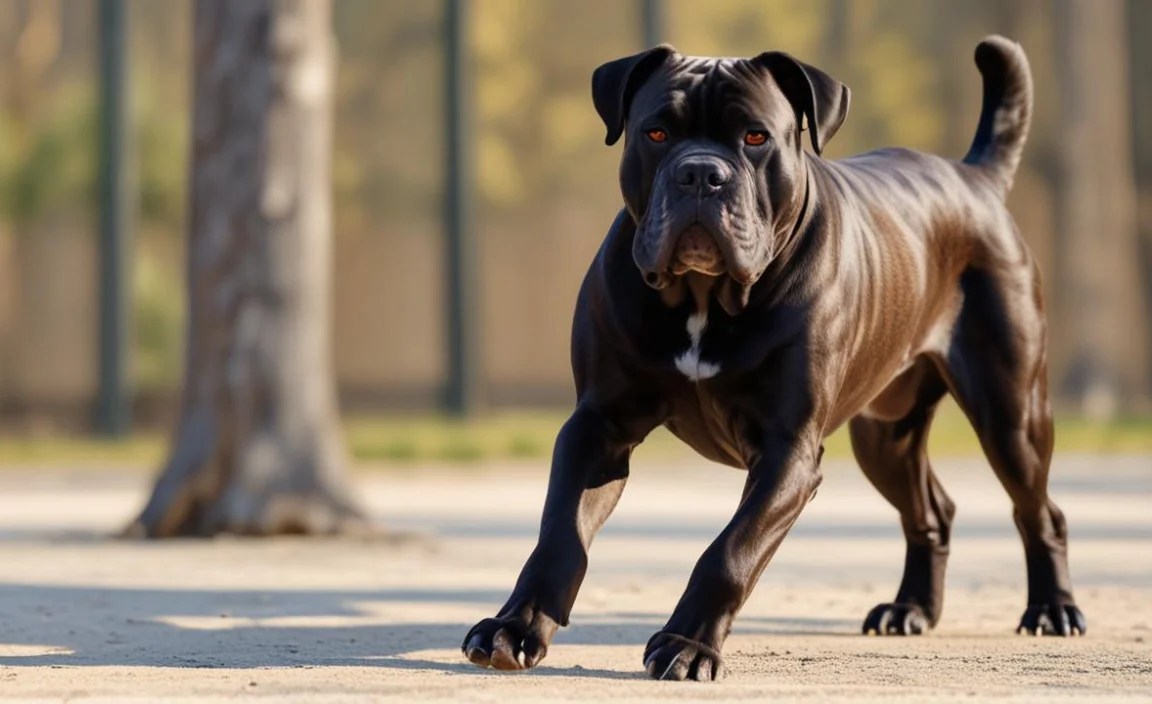
The right gear can make exercise safer and more enjoyable for both you and your Cane Corso.
High-Quality Leash: A sturdy 6-foot leash is ideal for walks and training. Avoid retractable leashes, as they offer less control for powerful breeds.
Comfortable Collar or Harness: A well-fitting, flat collar with an ID tag is essential. For walks where you want to minimize pulling or for added safety, a no-pull harness like a front-clip harness can be very effective. Ensure it doesn’t chafe or restrict their movement.
Sturdy Toys: Invest in durable toys designed for powerful chewers. Kongs, West Paw toys, and very tough rubber balls are good options.
Water Bottle and Bowl: Especially for longer excursions, carrying water is crucial. Collapsible bowls are convenient.
Treat Pouch: For training and rewarding desired behaviors during walks or play.
Poop Bags: Always be prepared to clean up after your dog.
Training and Exercise: A Powerful Partnership

Exercise and training go hand-in-hand for a well-adjusted Cane Corso. A dog that is physically tired is often more receptive to learning.
Obedience is Key: A solid foundation of basic obedience commands (sit, stay, come, down, heel) is crucial for managing a powerful breed like the Cane Corso, especially on walks and in public.
Positive Reinforcement: Use reward-based training methods. This builds trust and makes training a positive experience for your dog.
Recall Training: A reliable recall is paramount for safety, allowing you to call your dog back to you in potentially risky situations.
Socialization: Proper socialization from a young age, exposing them to various people, places, and other well-behaved dogs, is vital. This helps them understand how to behave appropriately in different environments. Understanding canine body language is essential for safe interactions. The American Kennel Club (AKC) offers excellent resources on breed standards and general dog behavior.
Potential Challenges and How to Overcome Them
Even with the best intentions, you might face some hurdles.
Pulling on the Leash: This is common with strong breeds. Consistent training with a good harness and positive reinforcement for slack-leash walking is essential.
Destructive Chewing: Often a sign of boredom or excess energy. Ensure adequate physical and mental exercise, provide appropriate chew toys, and consider management strategies like crate training when unsupervised.
Over-Excitement in Public: Proper socialization and desensitization, combined with controlled introductions to new environments, can help. Practice calm behavior on the leash in low-distraction areas first.
Enthusiasm vs. Exhaustion: It’s easy to overdo it, especially with eager dogs. Always monitor your Cane Corso for signs of fatigue, heatstroke, or overexertion.
Table: Daily Exercise Recommendation by Age
| Age Group | Daily Exercise Duration | Intensity & Focus | Notes |
| :—————- | :———————- | :————————————————- | :———————————————————————- |
| Puppy (8-16 wks) | 15-30 minutes total | Gentle play, short walks, basic training | 5-minute rule per month of age, twice daily. Avoid overexertion. |
| Puppy (4-12 mo) | 30-60 minutes total | Longer play sessions, varied walks, continued training | Gradually increase duration. Monitor joints. |
| Adolescent (1-2 yrs) | 60-90 minutes total | Moderate to vigorous activity, varied exercise | Building stamina, introducing more complex activities. |
| Adult (2+ yrs) | 60-90 minutes | Vigorous physical activity & mental stimulation | Consistent schedule is key. Can handle more intense workouts. |
|


