Managing your Cane Corso’s exercise budget is achievable with smart planning. By understanding essential costs for toys, treats, and potential training, you can create a cost-effective monthly plan that keeps your powerful companion happy and healthy without breaking the bank. Focus on free activities and durable gear for maximum savings.
Cane Corso Exercise Monthly Budget: Essential Savings

Caring for a Cane Corso is a rewarding experience, but it also comes with responsibilities, especially when it comes to their exercise needs. These magnificent dogs are powerful and energetic, requiring significant physical and mental stimulation. Understanding the potential costs involved in keeping them exercised is key to managing your budget effectively. Many new owners worry about the ongoing expenses, but with a little insight and careful planning, you can ensure your Cane Corso gets the activity they need without breaking the bank.
This guide will walk you through the essential elements of your Cane Corso’s exercise budget. We’ll break down what you might need, where you can save money, and how to get the most out of your investment in your dog’s well-being. Get ready to discover simple strategies that make big differences!
Understanding Your Cane Corso’s Exercise Needs
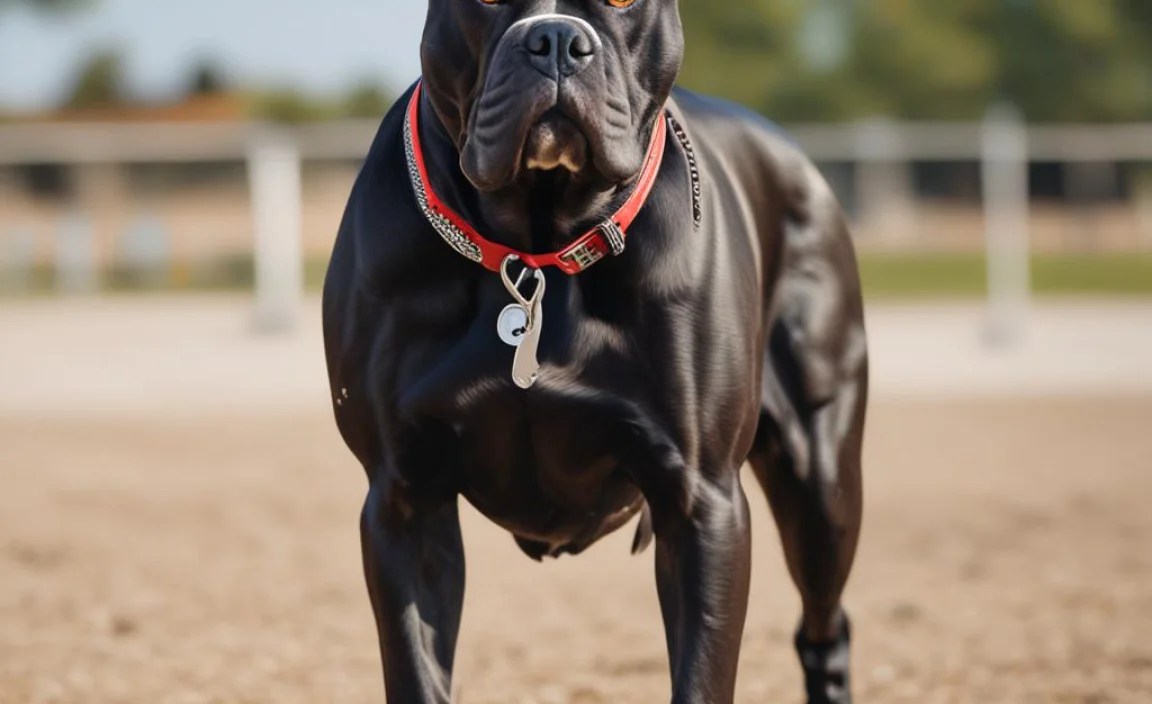
Before we dive into budgets, it’s crucial to understand why exercise is so vital for a Cane Corso. These dogs were bred for guarding and protection, tasks that require strength, intelligence, and stamina. Insufficient exercise can lead to a range of behavioral issues, including destructiveness, anxiety, and aggression. Physically, a lack of activity can contribute to obesity and related health problems.
A typical Cane Corso needs at least 1-2 hours of exercise daily. This should be a mix of:
- Physical Activity: Brisk walks, jogging, secure yard play, swimming (if they enjoy it), and fetch.
- Mental Stimulation: Training sessions, puzzle toys, scent games, and socialization.
The intensity and duration will vary based on your dog’s age, health, and individual temperament. For example, a young, energetic Corso will need more than a senior dog with arthritis.
Key Budget Categories for Cane Corso Exercise

When thinking about your monthly exercise budget, several key areas will likely come up. While some are one-time purchases, others are ongoing costs that contribute to your monthly spending.
1. Gear and Equipment
Quality gear is an investment in both your dog’s safety and enjoyment, and often, spending a little more upfront on durable items can save you money in the long run by reducing the need for frequent replacements.
Essential Gear:
- Leash and Collar/Harness: For a strong breed like the Cane Corso, a sturdy, reliable leash (at least 6 feet, made of nylon or leather) and a well-fitting, strong collar or a secure harness are non-negotiable. Consider a front-clip harness for better control during walks.
- Chew Toys: Cane Corsos have strong jaws. Durable rubber toys (like Kongs), indestructible chew toys, and robust rope toys are excellent for mental engagement and satisfying their chewing instincts during downtime.
- Fetch/Interactive Toys: Balls, frisbees (made of dog-safe materials), and durable tug toys provide outlets for energy and bonding.
- Puzzle Toys and Treat Dispensers: These are invaluable for mental stimulation and can help slow down fast eaters.
Optional (but beneficial) Gear:
- Dog Boots: For extreme weather conditions (hot pavement or icy sidewalks).
- Life Vest: If you plan on taking your Corso swimming.
- Backpack: For weighted walks once your dog is fully grown and healthy (with vet approval).
2. Training and Socialization
Proper training and early socialization are paramount for a well-behaved Cane Corso, and they directly contribute to a happy, exercised dog. This aspect of their development can have associated costs.
- Training Classes: Group obedience classes are excellent for socialization and learning basic commands, which can be a fun way to exercise them mentally and physically.
- Private Training Sessions: For specific behavioral issues or advanced training, private trainers are essential.
- Training Treats: High-value, healthy treats used during training sessions are a recurring cost.
The need for formal training often lessens after the initial puppy and adolescent stages, but ongoing practice and occasional refresher sessions can be beneficial. You can find many free socialization opportunities at dog parks or through organized playdates.
3. High-Value Rewards and Treats
Treats are vital for training and can also be used to engage your dog with puzzle toys. Opt for healthy, low-calorie options where possible.
- Training Treats: Small, palatable treats that are easy to dispense during active training or walks.
- Long-Lasting Chews: Natural chews like bully sticks or dental chews can keep them occupied and provide mental stimulation.
- Food-Based Puzzles: Using a portion of their daily kibble in a puzzle toy is a cost-effective way to provide mental engagement.
Consider making your own dog treats to save money and control ingredients.
4. Outdoor Activities and Accessories
While many outdoor activities are free, some may involve minor costs.
- Adventure Gear: If you plan on hiking, consider a comfortable dog backpack.
- Transportation: If your favorite exercise spots require driving, factor in fuel costs.
- Entrance Fees: Some specialized dog parks or activity centers might have fees.
Estimating Your Monthly Cane Corso Exercise Budget

Creating a realistic budget involves estimating costs for each category. Keep in mind that these figures are averages and can vary significantly based on location, brand choices, and how you source your supplies.
Initial Investment (One-Time or Infrequent Purchases)
These are typically higher costs incurred when you first get your dog or when items wear out.
| Item | Estimated Cost Range | Notes |
|---|---|---|
| Heavy-Duty Leash (Nylon/Leather) | $20 – $40 | Durability for a strong breed is key. |
| Sturdy Collar or Secure Harness | $30 – $70 | Front-clip harnesses offer control. Measure carefully. |
| Durable Chew Toys (e.g., Kong Extreme) | $15 – $30 each | Invest in 2-3 robust toys. |
| Interactive Fetch Toy (e.g., sturdy ball, frisbee) | $10 – $25 | Choose dog-specific, durable options. |
| Quality Puzzle Toy | $20 – $40 | Can last for years if cared for properly. |
| Training Clicker/Whistle | $5 – $15 | Small but essential for some training methods. |
| Dog Boots (Optional) | $30 – $50 for a set | Consider if you live in extreme climates. |
| Life Vest (Optional) | $40 – $80 | Essential for water safety. |
Recurring Monthly Expenses
These are the costs that you’ll likely encounter each month.
| Item | Estimated Monthly Cost Range | Notes |
|---|---|---|
| High-Value Training Treats | $10 – $30 | Depends on training frequency and treat size. |
| Natural Chews (e.g., Bully Sticks, Dental Chews) | $15 – $40 | Use as rewards or for occupying. Varies by type and size. |
| Replacement Toys (Occasional) | $5 – $15 (averaged out) | Set aside a small amount monthly for wear and tear. |
| Training Classes (if ongoing) | $50 – $150 (per course) | Can be a one-time fee for a course that might last 4-8 weeks. |
| Private Training Sessions (if needed) | $50 – $150 per session | Highly variable, used as needed for specific issues. |
| Fuel for Outings (if applicable) | $10 – $25 | Estimate based on your travel habits. |
Sample Monthly Budget for a Cane Corso
Let’s put it together for a hypothetical month:
- Treats: $20
- Natural Chews: $25
- Toy Replacement Fund: $10
- Fuel for park visits: $15
- Total Estimated Monthly Exercise Budget: $70
This sample budget assumes you have already purchased the initial gear. If you are enrolled in a group training class that month, you would add that cost. Private sessions would be an additional, usually occasional, expense.
Essential Savings Strategies for Cane Corso Exercise

Now, let’s focus on how to keep your Cane Corso’s exercise expenses manageable. Smart choices can significantly reduce your monthly outlay without compromising your dog’s well-being.
1. Invest in Durable, High-Quality Gear
It might seem counterintuitive, but buying the cheapest leash or toy can be more expensive in the long run. A Cane Corso’s strength means they can destroy flimsy items quickly, leading to frequent replacements and potential safety hazards. Look for brands known for their durability:
- For leashes/collars: Brands like Mendota, Kurgo, or even well-constructed leather options.
- For toys: Kong Extreme line, GoughNuts, or West Paw Design are excellent choices for power chewers.
Read reviews from owners of large, strong breeds to get recommendations.
2. Prioritize Free and Low-Cost Activities
The most effective exercise for your Cane Corso doesn’t have to cost a cent!
- Walking and Hiking: Explore local parks, trails, or even just your neighborhood. Varying routes keeps things interesting. The American Hiking Society offers resources for finding dog-friendly trails.
- Running/Jogging: If you’re a runner, your Cane Corso can be a great companion. Start slow and build endurance together.
- Playing Fetch in a Safe Space: A securely fenced yard is ideal. If you don’t have one, research local dog parks (though be mindful of other dogs and ensure your Corso has solid recall and is well-socialized).
- Home Training Sessions: Practice basic obedience, teach new tricks, or engage in scent work games indoors. This is fantastic mental exercise.
- Socialization: Arrange playdates with known, compatible dogs.
By maximizing these free activities, you heavily reduce the need for expensive entertainment options.
3. DIY and Smart Shopping
Get creative with your spending:
- Make Your Own Treats: Simple recipes using ingredients like peanut butter, oats, and pumpkin are healthy and cost-effective.
- Repurpose Household Items: Old t-shirts can be braided into tug toys. Sturdy cardboard boxes can be used for DIY scent games.
- Shop Sales and Use Coupons: Keep an eye out for promotions at pet supply stores and online retailers.
- Consider Used Gear: For items like backpacks or life vests, looking for gently used options can save money, provided they are in excellent condition.
4. Leverage Existing Resources
Don’t reinvent the wheel:
- Online Training Resources: Many reputable trainers offer free tips and basic training content online. For example, the Association of Professional Dog Trainers (APDT) often shares valuable articles and resources.
- Borrow or Swap: If you know other dog owners, consider borrowing specialized equipment you might only need occasionally.
5. Smart Treat Management
Treats are valuable, but they can add up. Use them strategically:
- Use Kibble for Training: Especially during longer training sessions, a portion of their daily kibble can be used as a reward, reducing the need for extra treats.
- Portion Control: Break larger treats into smaller pieces to make them last longer.
- Choose Lower-Cost, Healthy Options: Carrots, apple slices (seeds removed), or green beans can be excellent, inexpensive rewards for some dogs.
- Puzzle Toys with Kibble: Filling treat-dispensing toys with their regular food is a fantastic way to provide mental work without extra calories or cost.
Addressing Potential Unexpected Costs
While planning for regular exercise expenses is important, it’s also wise to be prepared for the occasional surprise.
- Toy Replacement: Even durable toys can eventually break. Factor a small amount into your budget for unplanned replacements.
- Emergencies: While not directly an exercise cost, a severe injury from rough play or an accident could lead to vet bills. Having an emergency fund or pet insurance is always advisable.
- Behavioral Support: Sometimes, exercise alone isn’t enough to curb problem behaviors. A sudden need for specialized training or modification might arise.
Having a small buffer in your budget for these unforeseen circumstances can prevent stress.
A Realistic Monthly Budget Breakdown
Let’s revisit our sample budget and see how savings strategies can impact it. For this example, we’ll assume standard initial gear is already purchased, and the dog is healthy.
| Category | Potential Cost (No Savings) | Savings Strategies Applied | Revised Monthly Cost |
|---|---|---|---|
| Treats (High-Value & Chews) | $40 | Use kibble for training, make own treats, break larger chews. | $20 |
| Interactive/Puzzle Toys | $25 (averaged for replacement) | Invest in fewer, more durable toys; DIY scent games. | $10 |
| Activity Fees (e.g., occasional park entry) | $20 | Focus on free parks and public trails. | $5 |
| Training Reinforcement (Occasional treats) | $15 | Utilize kibble or small, inexpensive treats. | $5 |
| Miscellaneous (e.g., fuel for trips) | $20 | Optimize trips, combine errands. | $15 |
| Total Estimated Monthly Exercise Budget | $120 | $55 |
As you can see, by implementing smart savings strategies, you can reduce the monthly exercise budget significantly for your Cane Corso, making it much more manageable.
Conclusion
Providing your Cane Corso with adequate exercise and mental stimulation is non-negotiable for their health and happiness, and by extension, for a peaceful household. The good news is that managing the associated monthly budget is entirely achievable. By prioritizing durable gear, embracing free and low-cost activities, shopping smartly, and being strategic with treats, you can create a comprehensive exercise plan that nourishes your dog’s body and mind without straining your finances. Remember, a well-exercised Cane Corso is a content Cane Corso, and that’s an investment worth every penny, carefully budgeted or not.
Frequently Asked Questions
Q1: How much money should I budget monthly for my Cane Corso’s exercise?
A: A realistic monthly budget for your Cane Corso’s exercise can range from $50 to $150, depending on your choices. This typically covers treats, occasional toy replacements, and potential fuel. Initial gear purchases will be higher but are not a recurring monthly cost.
Q2: What are the most important types of exercise for a Cane Corso?
A: Cane Corsos need a mix of physical and mental exercise. This includes brisk walks or jogs, secure yard play, obedience training, puzzle toys, and scent games. Aim for 1-2 hours of combined activity daily. More information can be found from resources like the American Kennel Club (AK


