Cane Corso exercise and nutrition are crucial for their robust health, preventing obesity, and managing energy levels. A balanced diet paired with appropriate physical activity tailored to their age and breed needs is key to a happy, healthy Cane Corso life.
Bringing a Cane Corso into your home is an exciting journey with a magnificent breed! These powerful dogs have specific needs, especially when it comes to staying active and eating right. It’s easy to feel overwhelmed by all the advice out there, but don’t worry! We’re going to break down exactly what your Cane Corso needs to thrive, from the best foods to the perfect amount of exercise. This guide will make sure your gentle giant stays fit, healthy, and full of life. Let’s dive into the essential steps to getting their exercise and nutrition just right!
Understanding Cane Corso Needs: More Than Just Size

Cane Corsos are large, muscular dogs with a rich history as guardians and working companions. Their physique demands careful attention to both what goes into their bodies and how they use that energy. It’s not just about feeding them a lot or letting them run wild; it’s about a balanced approach tailored to their specific breed characteristics and life stage. Understanding these nuances will help you provide the best possible care, ensuring they live a long, healthy, and happy life by your side.
Why Exercise and Nutrition Go Hand-in-Hand
Think of food as fuel. For an active breed like the Cane Corso, the type and amount of fuel are just as important as the engine running it – their body and muscles. Proper nutrition provides the building blocks for strong bones, healthy organs, and a shiny coat. Exercise, on the other hand, burns that fuel efficiently, strengthens their muscles and cardiovascular system, and keeps their mind engaged. Without both, you risk health issues:
- Poor Nutrition: Can lead to deficiencies, obesity, or conditions like hip dysplasia being exacerbated. Overfeeding, especially during growth phases, can be detrimental.
- Lack of Exercise: Contributes to weight gain, boredom, destructive behaviors, and can worsen joint problems.
- Imbalance: Even with good food, a lack of appropriate exercise means the calories aren’t being used, leading to fat storage. Conversely, high activity with poor nutrition won’t provide the necessary energy and recovery.
For Cane Corsos, who can grow quite large, getting this balance right from puppyhood through their senior years is critical for preventing common health problems associated with large breeds.
Cane Corso Exercise Essentials
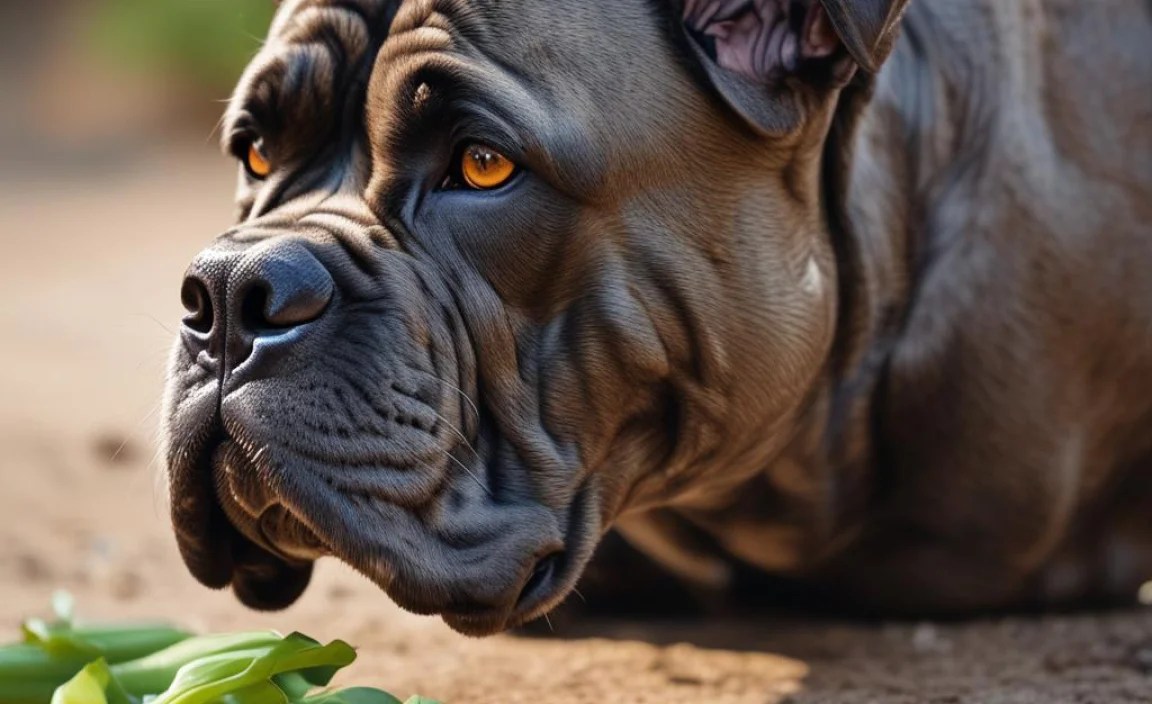
Cane Corsos are not typically hyperactive dogs, but they are powerful and athletic. Their exercise routine should be consistent, engaging, and appropriate for their age and physical condition.
Puppy Exercise (0-18 Months)
Puppyhood is a critical time for bone and joint development. Overtraining can lead to serious, permanent damage. The general rule of thumb for puppies is 5 minutes of structured exercise per month of age, per day. So, a 4-month-old puppy gets about 20 minutes of structured exercise per day, a 6-month-old gets 30 minutes, and so on. This is structured exercise, like leash walks, not free play in the yard.
Key Points for Puppies:
- Short, Frequent Walks: Two or three short walks per day are better than one long one.
- Avoid High-Impact Activities: No jumping off high places, long-distance running, or strenuous ball-throwing until their growth plates have closed.
- Socialization is Key: Safe exposure to different environments, sights, sounds, and calm, vaccinated dogs is crucial for development.
- Mental Stimulation: Puzzle toys and training sessions are as important as physical activity for a growing puppy’s mind.
Adult Cane Corso Exercise (18 Months – 7 Years)
Once your Cane Corso has reached physical maturity, you can ramp up their exercise routine. Adults need a good amount of activity to maintain muscle mass, a healthy weight, and prevent boredom.
Daily Requirements for Adults:
- Structured Walks: Aim for at least 60-90 minutes of brisk walking per day, broken into two sessions. This helps them burn energy and explore their surroundings.
- Playtime: Incorporate interactive play like fetch (with a durable toy!), tug-of-war (with rules!), or supervised romps with other well-matched dogs.
- Mental Challenges: Keep their minds sharp with obedience training, new tricks, scent games, or agility courses.
- Stamina Building: Longer hikes or longer play sessions can be introduced gradually.
It’s important to observe your dog for signs of fatigue. Overexertion in hot weather can be very dangerous for any dog, especially large breeds.
Senior Cane Corso Exercise (7+ Years)
As your Cane Corso ages, their exercise needs will change. While they may not have the boundless energy of a youngster, regular, adapted activity is still vital for maintaining mobility, managing weight, and providing mental stimulation.
Adapting for Seniors:
- Shorter, More Frequent Walks: Instead of one long walk, opt for two or three shorter, gentler strolls.
- Low-Impact Activities: Swimming is an excellent option as it’s easy on the joints. Gentle leash walks on soft surfaces are also good.
- Focus on Mobility: Gentle range-of-motion exercises can help keep joints limber. Consult your vet for recommendations.
- Mental Stimulation Remains Strong: Even if they can’t play fetch for long, puzzle toys and short training sessions can keep their minds active and engaged.
Always consult your veterinarian about the best exercise plan for your senior Cane Corso, especially if they have any underlying health conditions like arthritis.
Types of Exercise for Cane Corsos
Variety is the spice of life, and that’s true for your Cane Corso’s exercise routine too! Mixing up activities keeps them engaged and works different muscle groups.
Recommended Activities:
- Brisk Walking/Hiking: Excellent for building stamina and exploring.
- Running (with caution): Only for mature, healthy dogs. Start slow and build up distance.
- Swimming: A fantastic low-impact exercise that’s great for joints. Ensure supervision and a safe entry/exit point.
- Fetch/Tug-of-War: Great for bonding and burning energy, but establish rules.
- Dog Sports: Activities like Obedience, Rally, and Barn Hunt can be mentally and physically stimulating.
- Canine Enrichment Activities: This includes scent work, puzzle toys, and “find it” games.
For more on outdoor activities and gear, check out guides on Kayaking With Dog and Outdoor Activities to make your adventures safe and fun.
Cane Corso Nutrition: Fueling Your Gentle Giant

Feeding a Cane Corso is more than just filling a bowl. It’s about providing a diet that supports their large frame, energy levels, and overall health throughout their life stages. Choosing the right food and understanding portion control are paramount.
Choosing the Right Food
The market is flooded with dog food options, which can be confusing. For a breed like the Cane Corso, focus on high-quality, high-protein, and moderate-fat diets. Look for foods with meat as the primary ingredient. Large breed formulas are often beneficial as they contain controlled levels of calcium and phosphorus to support bone development, especially in puppies.
Key Ingredients to Look For:
- High-Quality Protein Sources: Chicken, beef, lamb, fish.
- Healthy Fats: Omega-3 and Omega-6 fatty acids for skin and coat health.
- Complex Carbohydrates: Sweet potatoes, brown rice, oats for sustained energy.
- Vitamins and Minerals: Essential for overall bodily function.
What to Avoid:
- Artificial Colors, Flavors, and Preservatives.
- Excessive Fillers: Like corn, wheat, and soy, especially if your dog shows sensitivities.
- Low-Quality Protein Sources: Meat by-products of unknown origin.
Always check the AAFCO (Association of American Feed Control Officials) statement on the packaging to ensure the food is complete and balanced for your dog’s life stage. Reputable organizations like the FDA offer guidance on choosing pet food.
Feeding Guidelines: Life Stages
Nutritional needs change significantly as your Cane Corso grows and ages. Tailoring their diet to their current stage of life is crucial.
Puppies (0-18 Months)
Cane Corso puppies grow rapidly and need a diet formulated for large-breed puppies. This helps ensure controlled bone and joint development, preventing issues like rapid growth that can strain developing frames.
Key Nutritional Components:
- Calcium and Phosphorus Ratio: Crucial for bone health. Too much or too little can cause problems.
- Moderate Fat Content: High fat can lead to excessive calorie intake and unhealthy growth.
- Protein: High-quality protein for muscle development, but not excessively high.
Feeding should be divided into 3-4 meals per day for young puppies, gradually reducing to 2 meals around 6 months of age.
Adults (18 Months – 7 Years)
Adult Cane Corsos need a balanced diet to maintain their muscular build and energy levels for daily activity. The focus shifts to maintaining lean muscle mass and preventing weight gain.
Key Nutritional Components:
- High-Quality Protein: Essential for muscle maintenance.
- Balanced Carbohydrates: For sustained energy.
- Controlled Fat: To manage calorie intake and prevent obesity.
They typically transition to 2 meals per day.
Seniors (7+ Years)
Senior Cane Corsos often have slower metabolisms and may experience health issues like arthritis. Their diet should support joint health and be easier to digest.
Key Nutritional Components:
- Reduced Calorie Density: To combat slower metabolism and prevent weight gain.
- Joint Support Nutrients: Glucosamine and chondroitin can be beneficial.
- Easier Digestibility: Gentle ingredients help with sensitive stomachs.
- Omega-3 Fatty Acids: For their anti-inflammatory properties.
Some seniors may benefit from a senior-specific large-breed formula or a veterinary-recommended diet.
Portion Control and Feeding Schedules
It’s easy to overfeed a large dog, especially if they look hungry! Accurate portioning is key to preventing obesity-related health issues.
How to Determine Portions:
- Read the Dog Food Bag: The most common starting point. Look at the feeding chart based on your dog’s current weight and age.
- Consult Your Veterinarian: They can provide the most accurate recommendation based on your dog’s metabolism, activity level, and health status.
- Monitor Body Condition: You should be able to feel your dog’s ribs easily under a thin layer of fat, and they should have a visible waist when viewed from above. If you can’t feel ribs, you’re likely feeding too much.
Sample Feeding Schedule (Adult):
This is a general guideline and should be adjusted based on your dog’s specific food and needs.
| Mealtime | Approximate Time | Portion Size (Example based on 2 cups per day) |
|---|---|---|
| Breakfast | 7:00 AM | 1 cup |
| Dinner | 6:00 PM | 1 cup |
Remember that treats should account for no more than 10% of your dog’s daily caloric intake. If you “free-feed” (leaving food out all day), switch to scheduled meals. This allows you to monitor intake and prevent overeating.
Common Nutrition Pitfalls for Cane Corsos
Avoiding common mistakes can save your Cane Corso a lot of discomfort and prevent expensive veterinary bills.
- Overfeeding: The most common pitfall, leading to obesity which strains joints and organs.
- Feeding Table Scraps: Human food can be too fatty, salty, or contain toxic ingredients for dogs.
- Inappropriate Puppy Food: Feeding a regular puppy food instead of a large-breed puppy formula can lead to developmental issues.
- Sudden Diet Changes: Switching food brand or type too quickly can cause digestive upset. Introduce new food gradually over 7-10 days.
- Ignoring Health Conditions: Inflammatory bowel disease, allergies, or kidney issues require specialized diets. Always consult your vet.
Integrating Exercise and Nutrition for Optimal Health

The synergy between proper exercise and a balanced diet is what truly creates a healthy Cane Corso. It’s a holistic approach to their well-being.
The Role of Hydration
Water is essential for all bodily functions, from digestion to temperature regulation. Ensure your Cane Corso has constant access to fresh, clean water. This is especially important during and after exercise.
- Always Available: Leave water bowls accessible at home.
- On the Go: Carry a portable water bottle and bowl for walks, hikes, and car rides. Collapsible bowls are fantastic gear for this.
- Monitor Intake: Changes in drinking habits can indicate health problems.
Supplements: When and If Needed
A high-quality diet should provide most of the nutrients your Cane Corso needs. However, some supplements might be beneficial, particularly for large breeds prone to joint issues.
- Glucosamine & Chondroitin: Often recommended for joint health, especially as dogs age or for those with known joint issues.
- Omega-3 Fatty Acids (Fish Oil): Can help with skin health, coat shine, and have anti-inflammatory properties.
- Probiotics: Can support digestive health.
Important: Always consult your veterinarian before starting any supplements. They can advise on appropriate dosages and types based on your dog’s individual needs and health status.
Recognizing Signs of Health Concerns
Your vigilance plays a huge role in your Cane Corso’s health. Be aware of changes that might signal an issue related to exercise or nutrition.
- Lethargy: Unusual tiredness could mean they aren’t getting enough nutrients or have an underlying health problem.
- Weight Changes: Rapid weight gain or loss is a significant red flag.
- Digestive Issues: Vomiting, diarrhea, or constipation can point to dietary problems.
- Coat Quality: A dull, dry, or flaky coat can indicate nutritional deficiencies.
- Lameness or Stiffness: This might suggest joint issues exacerbated by too much or too little exercise, or poor nutrition.
- Excessive Thirst or Urination: Can signal diabetes or kidney issues.
If you notice any of these signs, don’t hesitate to contact your veterinarian. Early detection is key to successful treatment.
Frequently Asked Questions (FAQ)
Q1: How much exercise does a Cane Corso puppy really need?
For puppies, stick to approximately 5 minutes of structured exercise per month of age, per day. For instance, a 5-month-old puppy needs about 25 minutes of walks/structured activity each day. This prevents over-exertion during their critical growth phases.
Q2: Can my Cane Corso eat human food?
While some human foods are safe in moderation (like plain, cooked chicken or certain vegetables), many are harmful. Avoid toxic foods like grapes, onions, garlic, chocolate, and xylitol. It’s best to stick to a high-quality dog food diet and use dog-specific treats.
Q3: My Cane Corso is overweight. What should I do?
If your Cane Corso is overweight, the first step is to consult your veterinarian for a physical exam and to rule out any underlying health issues. They will help you determine an ideal weight and create a safe, gradual plan involving reduced caloric intake and increased, appropriate exercise.
Q4: Is it okay to run with my Cane Corso?
Yes, once your Cane Corso is fully grown (around 18-24 months old) and has been cleared by your vet for strenuous activity, running can be a great way to exercise them. Start with shorter distances and gradually increase them. Always ensure they have plenty of water and avoid running in extreme heat.
Q5: What kind of food should I feed my adult Cane Corso?
Feed your adult Cane Corso a high-quality dog food formulated for large breeds. Look for a food with named meat sources as the first few ingredients, moderate fat, and appropriate levels of calcium and phosphorus. Your veterinarian can recommend specific brands or types.


