Master your Cane Corso’s energy with essential, proven exercise training tips for a happy, well-behaved dog.
The Cane Corso, a majestic Italian Mastiff, is known for its loyalty and protective nature. However, beneath that formidable exterior lies a dog with significant energy reserves. Without proper exercise and mental stimulation, this powerful breed can become bored, anxious, and even destructive. This can be frustrating for owners, especially those new to the breed.
But don’t worry! This guide will provide you with essential, proven tips for Cane Corso exercise training, ensuring your gentle giant is a happy, healthy, and well-adjusted companion. We’ll cover everything from daily needs to advanced training techniques, making it easy for any owner to succeed.
Understanding the Cane Corso’s Exercise Needs

Cane Corsos are not couch potatoes. They are athletic dogs bred for guarding and working. This means they require a substantial amount of physical activity and mental engagement to thrive. An under-exercised Cane Corso can develop behavioral issues due to pent-up energy and lack of stimulation. It’s crucial to understand that “exercise” for a Cane Corso isn’t just about a quick walk around the block. It’s about providing a multifaceted approach that addresses both their physical and mental needs.
Their powerful build and working heritage mean they need more than just a stroll. We need to think about activities that challenge them, both physically and mentally. This prevents boredom, which can lead to destructive chewing, excessive barking, or even anxiety-related behaviors. A well-exercised Cane Corso is generally a calmer, more obedient, and happier dog.
Physical Activity: The Foundation of a Happy Cane Corso
The most obvious component of exercise training is physical activity. Cane Corsos need daily opportunities to burn off energy. This doesn’t mean grueling marathon training, but consistent, engaging movement.
Daily Requirements
- Walking: Aim for at least two walks per day, each lasting 30-60 minutes. These walks should be brisk and engaging, not just a leisurely stroll.
- Running/Jogging: If you are a runner, your Cane Corso can often be an excellent companion once they are physically mature (typically after 18-24 months, consult your vet).
- Playtime: Incorporate vigorous play sessions in a securely fenced yard. Fetch, tug-of-war (with clear rules), and chasing games are great options.
Age-Appropriate Exercise
It’s vital to tailor exercise to your Cane Corso’s age and physical development. Over-exercising a puppy can lead to joint problems, while an older dog might need gentler activities.
- Puppies (up to 12 months): Focus on shorter, more frequent play sessions. Avoid long, strenuous walks or repetitive high-impact activities that can harm their developing joints. A good rule of thumb is 5 minutes of structured exercise per month of age, twice a day (e.g., a 5-month-old gets a 25-minute walk or play session).
- Adults (18 months – 7 years): This is when they can handle more intensive and longer exercise sessions. The daily walks and playtime mentioned above are ideal.
- Seniors (7+ years): Senior Cane Corsos still need exercise to maintain mobility and health, but it should be adjusted. Shorter, slower walks and gentle play are usually best.
Mental Stimulation: The Brain Workout
A Cane Corso’s intelligence needs to be challenged just as much as their body. Mental stimulation is crucial for preventing boredom and developing a well-rounded dog. Think of it as “job” for their brain!
Puzzle Toys and Food Dispensing Games
These toys require your dog to figure out how to get treats or kibble. They are excellent for keeping a Cane Corso occupied and engaged.
- Examples: Kongs stuffed with food, interactive treat balls, snuffle mats.
- Benefits: Reduces boredom, builds problem-solving skills, can slow down fast eaters.
Training Sessions
Short, regular training sessions are fantastic for mental stimulation. Teaching new tricks, reinforcing basic commands, or practicing obedience exercises keeps their mind sharp.
- Frequency: Aim for 5-10 minute sessions several times a day.
- Variety: Mix up commands and tricks to keep it interesting.
Nose Work and Scent Games
Cane Corsos have a strong prey drive and a good nose! Engaging them in scent games can be incredibly rewarding and tiring for them.
- Hide-and-Seek: Hide treats around the house or yard and let your dog find them.
- Scent Toys: Use specific toys or a few drops of a dog-safe essential oil (like lavender, diluted and used sparingly) on a fabric swatch hidden for your dog to find.
Structured Exercise Training for Cane Corsos
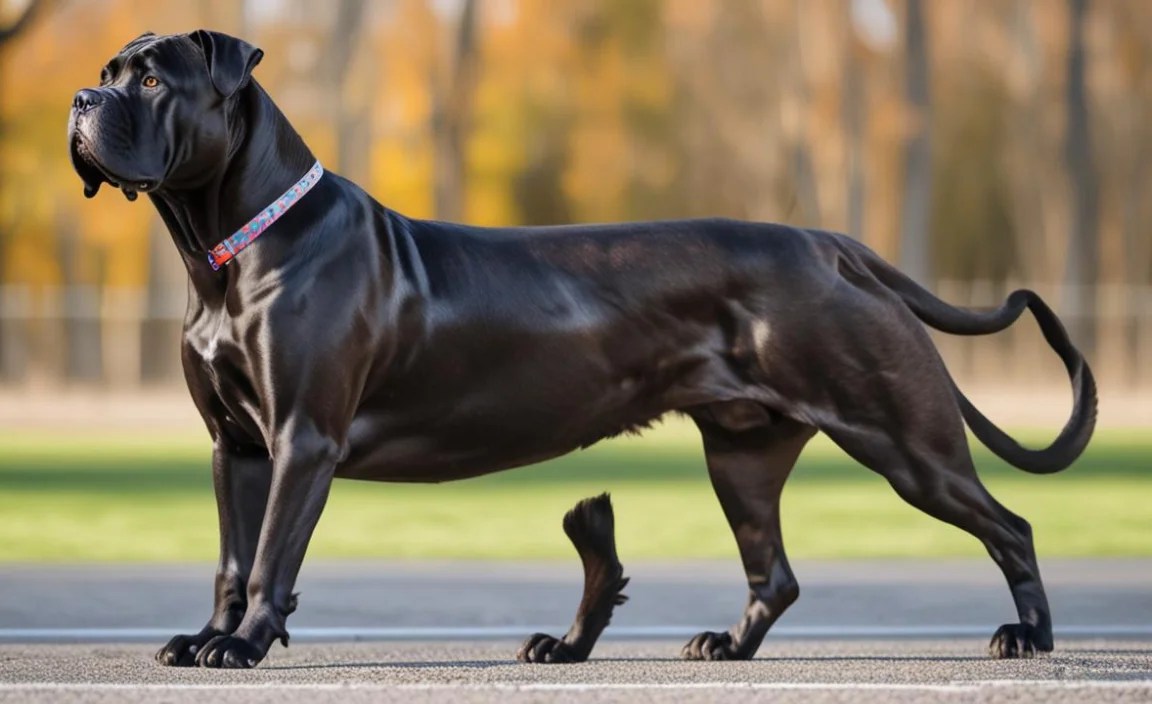
Simply letting your Cane Corso loose doesn’t always translate to effective exercise. Structured training ensures they get the most benefit and learn good habits along the way. This is where “exercise training” truly comes into play.
Leash Training and Walking Etiquette
A powerful dog like a Cane Corso needs to walk politely on a leash. This requires consistent training.
Essential Tools for Walking
- Sturdy Leash: A 6-foot, non-retractable leash made of durable material like nylon or leather is ideal.
- Harness: A well-fitting front-clip harness can help reduce pulling and give you more control. Avoid choke chains or prong collars, as they can cause injury and are unnecessary with proper training.
- Collar: A flat buckle collar with an ID tag is essential, but may not be sufficient for strong pullers on its own.
Common Leash Walking Issues and Solutions
Pulling, lunging, and reactivity are common issues. Patience and positive reinforcement are key.
- Loose-Leash Walking: Reward your dog with treats and praise when the leash is slack. If they pull, stop walking until the leash loosens.
- Distraction Training: Practice in low-distraction environments first, gradually increasing the challenge.
- Positive Reinforcement: Use high-value treats and enthusiastic praise to mark good behavior.
For more detailed guidance on leash training techniques, resources like the American Kennel Club’s breed page on Cane Corsos offer breed-specific insights and link to general training resources.
Agility and Obstacle Training
Agility is a fantastic way to combine physical and mental exercise. It builds confidence, strengthens the bond between you and your dog, and provides a great outlet for their energy.
Benefits of Agility
- Improved physical fitness.
- Enhanced coordination and balance.
- Increased mental engagement and problem-solving.
- Boosted confidence and self-esteem.
- Strengthened owner-dog relationship.
Getting Started with Agility (DIY or Classes)
You don’t need a full agility course to start. Many obstacles can be created at home or are readily available.
- Tunnels: Children’s play tunnels are a great starting point.
- Jumps: Start with low jumps (or even just a bar laid on the ground) and gradually increase height as your dog matures and shows capability. Never force a dog to jump higher than they are comfortable with.
- Weave Poles: You can set up guide sticks or use PVC pipes to create a basic channel for weaving.
- A-frames & Dogwalks: Start with low, wide surfaces and teach your dog to walk across.
Important Note: Always introduce agility equipment gradually and positively. Ensure your dog is physically mature before introducing complex or high-impact movements. Consult with a professional agility trainer for proper technique and safety guidelines.
Structured Play and Fetch
Fetch is a classic for a reason, but it needs to be managed, especially with a powerful breed like the Cane Corso.
Rules for a Positive Fetch Game
- “Drop It” Command: Teach your dog to release the toy on command. This prevents them from hoarding the toy or refusing to give it back.
- Controlled Fetch Do not let them grab the toy and run away. Call them back to you to release it.
- Vary the Toy: Use different types of toys (balls, frisbees, durable chew toys) to keep it interesting.
- Preventive Measures: Avoid throwing hard objects like rocks. Opt for softer, dog-safe toys that are less likely to cause injury to their mouth or teeth.
Tug-of-War: A Controlled Challenge
Tug-of-war can be a fantastic exercise and bonding activity when done correctly. It allows your dog to use their powerful jaws and instincts safely.
Essential Tug Rules for Cane Corsos
- “Out” Command: Teach a solid “out” or “drop it” command. This is non-negotiable.
- Control the Game: You initiate and end the game.
- No Biting Hands: If teeth touch skin, the game instantly stops.
- Let Them Win Sometimes: Allow your dog to feel successful by letting them “win” the tug occasionally.
- Use a Dedicated Tug Toy: Have a specific toy just for tug-of-war to differentiate it from other play or chew toys.
Advanced Training and Exercise Integration
Once your Cane Corso masters the basics, you can explore more advanced ways to integrate exercise with training.
Canine Sports and Activities
Beyond agility, other canine sports can be incredibly beneficial.
- Rally Obedience: Combines obedience with agility-like exercises, providing mental and physical challenge.
- Protection Sports (with caution): While Cane Corsos are naturally protective, participation in formal protection sports like Schutzhund (IPO/IGP) should only be undertaken with experienced, ethical trainers and after your dog is fully mature and has solid obedience. This is not for beginners.
- Weight Pulling: For physically robust and mature Cane Corsos, this can be a great strength-building activity, but needs very careful introduction and conditioning from an experienced professional to prevent injury.
Environmental Enrichment
Varying your dog’s environment can turn routine exercise into an adventure.
- Hiking: Explore new trails. Ensure you are prepared with water and assess the terrain for your dog’s safety.
- Beach Days: If accessible and safe, swimming and running on the beach can be excellent exercise. Always supervise near water.
- Urban Exploration: If your dog is well-socialized and comfortable, introduce them to different sights, sounds, and smells in safe urban environments.
The Importance of Rest and Recovery
Just like human athletes, dogs need rest. Ensure your Cane Corso has ample downtime.
- Adequate Sleep: Most adult dogs sleep 12-14 hours a day.
- Quiet Time: Provide a comfortable, safe space where they can relax undisturbed.
- Monitor for Fatigue: Watch for signs of overexertion like excessive panting, lagging behind, or reluctance to move.
Nutrition and Exercise: A Powerful Combination

What your Cane Corso eats directly impacts their energy levels and ability to exercise safely. A balanced diet is crucial.
Choosing the Right Food
Look for a high-quality dog food formulated for large breeds. These typically have appropriate levels of protein, fat, and essential nutrients to support healthy growth and energy.
- Ingredient Quality: Prioritize foods with real meat as the primary ingredient.
- Life Stage Formulas: Ensure the food is appropriate for your dog’s age (puppy, adult, senior).
- Consult Your Vet: Your veterinarian can recommend specific brands or types of food based on your dog’s individual needs.
Feeding Schedule and Exercise Timing
It’s generally recommended to feed your Cane Corso at least two meals per day. Avoid exercising your dog vigorously for at least an hour before and after meals to reduce the risk of bloat, a serious condition more common in large, deep-chested breeds.
- Morning: Feed after their morning walk.
- Evening: Feed after their evening play session or walk, ensuring ample rest time afterward.
Hydration is Key
Always ensure fresh, clean water is available, especially before, during, and after exercise. For longer outings, carry water and a bowl for your dog.
Common Mistakes to Avoid in Cane Corso Exercise Training

Even with the best intentions, trainers can make mistakes. Being aware of these common pitfalls can help you avoid them.
Mistake 1: Underestimating Their Energy
Cane Corsos are not small dogs and their energy needs are significant. A short walk is rarely enough.
Mistake 2: Over-Exercising Puppies
Too much strenuous activity can damage developing joints and lead to long-term orthopedic problems. Always adhere to age-appropriate exercise guidelines.
Mistake 3: Inconsistent Training
Sporadic training sessions won’t yield the best results. Regularity is key for building good habits and a strong bond. The American Veterinary Medical Association (AVMA) emphasizes responsible pet ownership, which includes consistent training.
Mistake 4: Lack of Mental Stimulation
A physically tired dog might be quiet, but a mentally stimulated dog is truly content. Don’t neglect brain games and training.
Mistake 5: Not Socializing Adequately
While not strictly exercise, proper socialization is crucial for a balanced dog. A well-exercised but unsocialized Cane Corso may still exhibit fear-based reactivity. Introduce them to various people, places, and other dogs (safely) from a young age.
Frequently Asked Questions (FAQ)
Q1: How much exercise does a Cane Corso puppy need daily?
A: For puppies up to 12 months, aim for about 5 minutes of structured exercise per month of age, twice daily. For example, a 6-month-old puppy might need two 30-minute sessions of play or gentle walks.
Q2: Can I run with my Cane Corso?
A: Yes, once your Cane Corso is physically mature (typically 18-24 months old) and has completed their basic obedience training. Start with short distances and gradually increase them. Always consult your veterinarian before beginning any strenuous exercise program.
Q3: My Cane Corso pulls a lot on walks. What can I do?
A: Use a front-clip harness and practice loose-leash walking techniques: stop moving when they pull, and only proceed when the leash slackens. Reward them with treats and praise for walking nicely beside you. Consistency is key.
Q4: Is it okay to play tug-of-war with my Cane Corso?
A: Yes, tug-of-war can be a great game if managed properly. Teach a solid “out” command, you initiate and end the game, and enforce rules about not biting hands. This helps your dog understand boundaries and release control.
Q5: How can I mentally stimulate my Cane Corso at home?
A: Use puzzle toys, treat-dispensing toys, interactive feeders, and play scent games like hide-and-seek. Short, frequent training sessions teaching new tricks or reinforcing obedience commands are also excellent mental workouts.
Q6: What are the signs my Cane Corso is getting too much exercise?
A: Signs include excessive panting, lagging behind on walks, reluctance to move, sore muscles, or a general lack of energy afterward. Senior dogs and puppies are more susceptible to overexertion.
Conclusion: Building a Balanced Life with Your Cane Corso
Cane Corso exercise training is not just about burning energy; it’s about building a well-rounded, confident, and happy companion. By understanding their heritage as working dogs, providing consistent physical activity, and engaging their sharp minds, you can prevent behavioral issues and strengthen your bond. Remember to tailor exercise to your dog’s age, health, and individual temperament. Always use positive reinforcement, introduce new activities gradually, and consult with your veterinarian or a certified professional dog trainer when needed. With dedication and the right approach, your Cane Corso can thrive, becoming the devoted, well-behaved family member you both deserve.


