Proper Cane Corso exercise is crucial for a well-behaved dog. A balanced routine involving physical activity, mental stimulation, and consistent training prevents destructive behaviors and promotes a healthy, happy canine companion. This guide provides proven methods for meeting your Cane Corso’s exercise needs.
Your Cane Corso is a magnificent breed, full of power and intelligence. But with that comes a need for dedicated exercise. Without enough physical and mental outlets, many strong breeds, including the Cane Corso, can become bored and develop unwanted behaviors like chewing, excessive barking, or even aggression. It’s a common frustration for owners, but it’s completely manageable!
You don’t need to be a professional trainer or have a huge backyard. With the right approach, you can provide your Cane Corso with the exercise and mental engagement they crave. This guide will walk you through exactly how to do it, step-by-step, making it easy and effective.
Understanding Your Cane Corso’s Exercise Needs
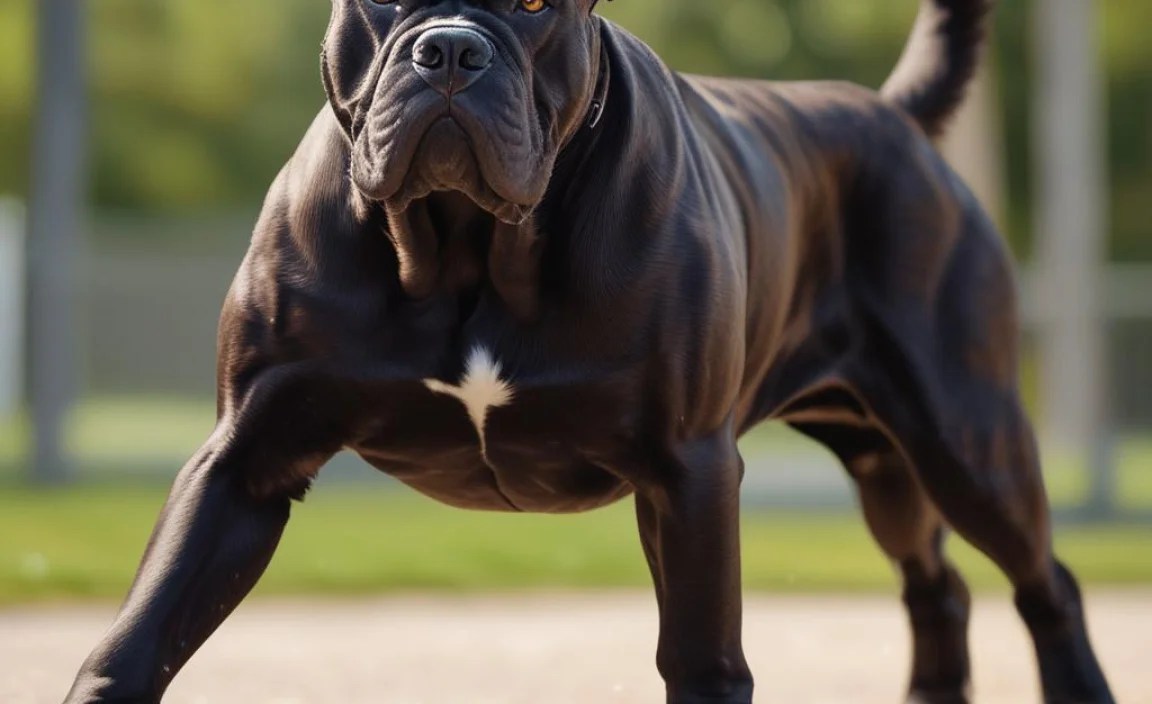
Cane Corsos are a historically active breed, originally bred for guarding, herding, and fighting. This heritage means they possess a significant amount of energy and require a substantial amount of exercise and mental stimulation to thrive. Under-exercised Cane Corsos can become restless, destructive, and anxious. It’s not about “tiring them out” in a brute force way, but rather about engaging their minds and bodies in a controlled, constructive manner.
Physical vs. Mental Exercise
It’s vital to understand that “exercise” for a Cane Corso encompasses more than just physical exertion. While running and playing are important, their intelligence demands mental challenges too. A good exercise plan balances both.
- Physical Exercise: This includes activities that get their heart rate up and help them expend pent-up energy. Think walks, runs, fetch, and structured play.
- Mental Exercise: This involves activities that challenge their brain, encouraging problem-solving and focus. Puzzle toys, training sessions, and scent work fall into this category.
A dog that is mentally stimulated is often less likely to be physically destructive. They’ll be calmer and more responsive to training when their brains are engaged.
How Much Exercise Does a Cane Corso Need?
The exact amount of exercise can vary based on an individual dog’s age, health, and temperament. However, as a general guideline, most adult Cane Corsos benefit from at least 60-90 minutes of focused exercise per day. This can be broken down into multiple sessions. Puppies and senior dogs will have different needs:
- Puppies (under 18 months): Need shorter, more frequent bursts of exercise. Over-exercising can harm their developing joints. Focus on short play sessions and basic training.
- Adults (18 months to 7 years): Require the most consistent and significant exercise.
- Seniors (7+ years): Exercise needs decrease. Gentle walks and mentally stimulating activities are best, avoiding strenuous activity.
The Proven Way to Train Through Exercise

The key to training your Cane Corso through exercise is consistency, structure, and engagement. It’s about building a positive relationship while meeting their needs. This isn’t just about burning energy; it’s about channeling that energy into behaviors you want to see.
Step 1: Establish a Daily Routine
Consistency is king for Cane Corsos. A predictable schedule helps them feel secure and understand what’s expected of them. This routine should include dedicated times for feeding, potty breaks, training, and of course, exercise.
A sample daily schedule might look like this for an adult Cane Corso:
| Time | Activity | Notes |
|---|---|---|
| 7:00 AM | Morning Walk (30 minutes) | Brrisk pace to get heart rate up. Focus on loose-leash walking. |
| 8:00 AM | Breakfast & Puzzle Toy | Feed in a food puzzle to slow down eating and provide mental work. |
| 12:00 PM | Short Potty Break & Quick Toss | Ensure hydration and a quick energy release. |
| 5:00 PM | Training Session (15-20 minutes) | Focus on commands, tricks, or impulse control. Positive reinforcement is key. |
| 6:00 PM | Evening Walk/Play (45 minutes) | Can be a leisurely stroll or a game of fetch in a secure area. |
| 9:00 PM | Wind-down & Potty Break | Quiet time before bed. |
Step 2: Prioritize Quality Walks
Walks are more than just a potty break. They are an incredible opportunity for training and bonding. For a powerful breed like the Cane Corso, mastering leash manners is paramount.
- Loose-Leash Walking: Train your Cane Corso to walk beside you without pulling. Use positive reinforcement, rewarding them with treats and praise when the leash is slack. If they pull, stop walking until the leash loosens. This teaches them that pulling halts forward progress.
- Environmental Exposure: Walks expose your dog to new sights, sounds, and smells. This socializes them to varying environments, which is crucial for preventing fear-based reactivity.
- Structured Walking: Incorporate mini-training sessions during walks. Practice “sit” at curbs, “stay” while you observe something, or even simple recall exercises in a safe, enclosed area.
For more information on effective leash training techniques, consult resources from organizations like the American Kennel Club, which offers excellent, science-backed advice.
Step 3: Engage Their Minds with Training and Games
Cane Corsos are intelligent and learn quickly. Mental stimulation is just as important as physical exercise. It prevents boredom and strengthens your bond.
Obedience Training
Regular training sessions are non-negotiable. They reinforce good manners and provide mental work. Focus on commands like “sit,” “stay,” “come,” “down,” and “leave it.” Make training sessions short, fun, and rewarding. Always end on a positive note.
Impulse Control Exercises
These exercises teach your dog to think before acting, which is vital for a strong breed. Examples include:
- “Leave It”: Teaching them to ignore tempting objects or food.
- “Wait” or “Stay”: Before eating, going through doors, or receiving a toy.
- Controlled Toy Play: Rewarding them for dropping a toy when asked.
Nose Work and Scent Games
Harnessing their natural scenting abilities is a fantastic way to engage their minds. Start simple:
- Hide treats around a room and encourage your dog to find them.
- Use puzzle toys that dispense treats when manipulated correctly.
- Explore advanced scent detection games as your dog progresses.
A great resource for learning about scent games is the Fenzi Dog Sports Academy, which often shares free tips and resources.
Step 4: Incorporate Physical Activities Beyond Walks
Varying physical activities keeps things interesting and challenges your Cane Corso in different ways.
Fetch and Tug-of-War
These are classic dog games that can burn a lot of energy. Ensure you have rules for tug-of-war, like “drop it,” to maintain control. For fetch, use toys that are durable and sized appropriately for your Cane Corso.
Dog Sports and Agility
If you have the time and resources, consider dog sports. While Cane Corsos might not break speed records in agility like smaller breeds, they can excel at sports that require strength, intelligence, and focus, such as:
- Protection Sports (Schutzhund/IPO/IGP): Requires advanced training and is not for novice owners or dogs. It involves obedience, tracking, and protection work.
- Weight Pulling: A strength-based sport that builds muscle and confidence.
- Canicross/Bikejoring: If your dog is healthy and well-trained, these can be excellent endurance activities for you both. It’s crucial to use proper harness equipment designed for pulling.
It’s essential to ensure your dog is physically mature and healthy enough for strenuous activities, especially impact sports. Consulting with a veterinarian is always recommended before starting.
Swimming
Many dogs love swimming, and it’s a low-impact exercise that’s great for joints. Ensure your Cane Corso is comfortable with water and introduce them gradually. Always supervise them closely.
Step 5: Socialization is Key
While not strictly “exercise,” proper socialization is intrinsically linked to a well-behaved and well-adjusted Cane Corso. Exposure to various people, places, and other well-behaved dogs from a young age is critical. Crucially, interactions should be positive and controlled.
Why Socialization Matters for Exercise:
- Reduces Fear/Anxiety: A well-socialized dog is less likely to be fearful or territorial in new environments, making walks and outings more pleasant and safer.
- Improves Behavior Around Other Dogs: Controlled introductions can help your Cane Corso learn appropriate dog-dog manners, making park visits or meeting neighbors’ pets less stressful.
- Builds Confidence: Positive experiences build confidence, which can translate into a more stable and less reactive Cane Corso overall.
Gear for Cane Corso Exercise

Having the right gear can make exercise safer, more comfortable, and more effective for both you and your Cane Corso.
Must-Have Equipment
- Sturdy Leash: A 6-foot nylon or leather leash is usually a good choice. Avoid retractable leashes, as they offer less control.
- Comfortable Collar or Harness: A well-fitting flat collar or a martingale collar is suitable for many dogs. For strong pullers or dogs with delicate tracheas, a high-quality front-clip harness can be very effective for training. A no-pull harness can significantly aid in loose-leash walking.
- High-Value Treats: Small, soft, and highly palatable treats are essential for rewarding good behavior during training and walks.
- Durable Chew Toys: To satisfy chewing needs and provide a safe outlet for their strong jaws.
- Interactive Puzzle Toys: For mental stimulation at home.
- Poo Bags: Always be prepared to clean up after your dog.
Optional but Beneficial Gear
- GPS Tracker: For peace of mind, especially during outdoor adventures.
- Dog Booties: To protect paws from hot pavement, salt, or rough terrain.
- Cooling Vest: Essential for preventing overheating in warm weather.
- Portable Water Bowl: For hydration during longer outings.
- Bicycle Attachment/Skijoring Harness: ONLY for dogs that are mature, healthy, and properly trained for these activities. Always prioritize safety and consult a vet.
When choosing gear, prioritize durability and safety. Check out reputable brands like Chewy or KONG for durable and effective products designed for powerful breeds.
Addressing Common Exercise Challenges

Even with the best intentions, you might encounter challenges. Here are some common issues and how to address them:
Challenge 1: Pulling on the Leash
Solution: Implement consistent loose-leash walking training using positive reinforcement. Cease forward movement when tension is felt. Consider a front-clip harness to help redirect pulling. Be patient; it takes time and repetition.
Challenge 2: Lack of Motivation for Exercise
Solution: This is rare for healthy Cane Corsos but can happen. Rule out any underlying health issues with your vet. Try different types of activities, use high-value treats and toys, or exercise with another enthusiastic dog. Ensure the weather isn’t too extreme.
Challenge 3: Destructive Behavior When Left Alone
Solution: This often indicates insufficient physical and mental stimulation. Ensure your dog gets adequate exercise and mental engagement before you leave. Provide safe chew toys and puzzles. Consider crate training or a dog-proofed room for safety when unsupervised.
Challenge 4: Overexcitement During Play
Solution: Teach impulse control. Use “wait” or “pause” cues before throwing a toy. If play becomes too intense, calmly end the session. Reinforce calm behavior with praise and gentle petting.
Table of Pros and Cons of Different Exercise Types
| Exercise Type | Pros | Cons |
|---|---|---|
| Daily Walks | Excellent for socialization, routine building, and controlled exploration. Low impact. | Can become boring if repetitive. May not provide enough intense physical exertion for some dogs. Requires good leash manners. |
| Fetch/TUG | Burns significant energy quickly. Encourages interaction and play drive. Good for bonding. | Can lead to overexcitement or possessiveness if not managed. Requires toys. Can be hard on joints if done excessively without proper warm-up. |
| Training Sessions | Provides crucial mental stimulation. Builds strong owner-dog bond. Reinforces good behavior. | Requires owner time and consistency. Can be challenging if the dog is overtired or not motivated. |
| Scent Games/Puzzle Toys | Highly engaging for intelligent breeds. Prevents boredom. Can be done indoors. | May not provide sufficient physical exertion on its own. Requires some initial setup and teaching. |
| Dog Sports (Agility, Weight Pulling) | Excellent for channeling breed-specific instincts (if applicable). Builds extreme confidence and fitness. Offers advanced mental and physical challenges. | Requires significant commitment to training and often specialized facilities. Not suitable for all dogs or owners. Can be high-impact and risk injury if not managed correctly. |
| Swimming | Low-impact on joints. Great for dogs that enjoy water. Can be a good workout. | Not all dogs enjoy water. Requires access to safe swimming areas. Risk of drowning and hypothermia if not supervised. |
Frequently Asked Questions (FAQ)
Is a small yard enough for a Cane Corso?
A small yard is not a substitute for structured exercise and mental stimulation. While it’s useful for quick potty breaks, your Cane Corso will still need daily walks, training sessions, and playtime to meet their physical and mental needs. They are working dogs and need engagement beyond just space.
How do I stop my Cane Corso from chewing furniture when bored?
This is a classic sign of under-stimulation. Ensure your Cane Corso gets at least 60-90 minutes of active exercise and mental training daily. Provide interactive puzzle toys when you leave, and ensure they have appropriate, durable chew toys. Never punish your dog for chewing; instead, proactively provide appropriate outlets.
Can I run with my Cane Corso?
Yes, you can run with your Cane Corso, but only once they are fully grown (typically after 18-24 months, as their growth plates need to be closed) and have been properly conditioned. Start with short runs on softer surfaces and gradually increase distance and intensity. Always monitor for signs of fatigue or distress. Consult your veterinarian before starting any strenuous running program.
What are the signs my Cane Corso is getting enough exercise?
A well-exercised Cane Corso is typically calm and relaxed indoors, sleeps well at night, has a healthy appetite, and exhibits fewer destructive or anxious behaviors. They should be responsive to commands and seem content.
How do I introduce my Cane Corso to water safely?
Start by letting them explore shallow water’s edge, perhaps with a favorite toy. Offer treats and praise for calm behavior. Never force them. Use a long, floating leash for initial supervised swims in calm, safe areas. Ensure they can easily get out and always keep them wet or cool in warm environments after swimming. Check with your vet on suitability for swimming if you have concerns about their health.
<h3 id=”faq


