Cane Corso eye care is crucial for your gentle giant’s well-being. Regular cleaning, monitoring for changes, and understanding common issues will help keep their precious eyes healthy and bright, ensuring a happy life together.
Cane Corsos are magnificent dogs with striking personalities, and just like any beloved pet, they need regular care to stay healthy and happy. One area that sometimes gets overlooked, but is incredibly important, is their eye care. Their beautiful, expressive eyes are windows to their soul, and keeping them clear and comfortable is a vital part of being a responsible owner.
You might wonder if your Cane Corso’s eyes need special attention, especially with those soulful brown eyes. Don’t worry! This guide is here to walk you through everything you need to know, in simple steps that anyone can follow. We’ll cover what to look for, how to clean them gently, and what to do if you see something concerning. Let’s get started on this journey to sparkling eyes for your Cane Corso!
Why Cane Corso Eye Care Matters

Cane Corsos are prone to certain eye conditions that, if not addressed, can lead to discomfort, vision problems, or even more serious health issues. Early detection and consistent care are your best tools. Think of it like regular check-ups for yourself – they help catch small issues before they become big ones. For Cane Corsos, this means paying attention to their eyes during your daily grooming routine. It’s not just about looks; it’s about their overall health and quality of life. A healthy eye means a happier, more active dog.
Understanding Common Cane Corso Eye Concerns
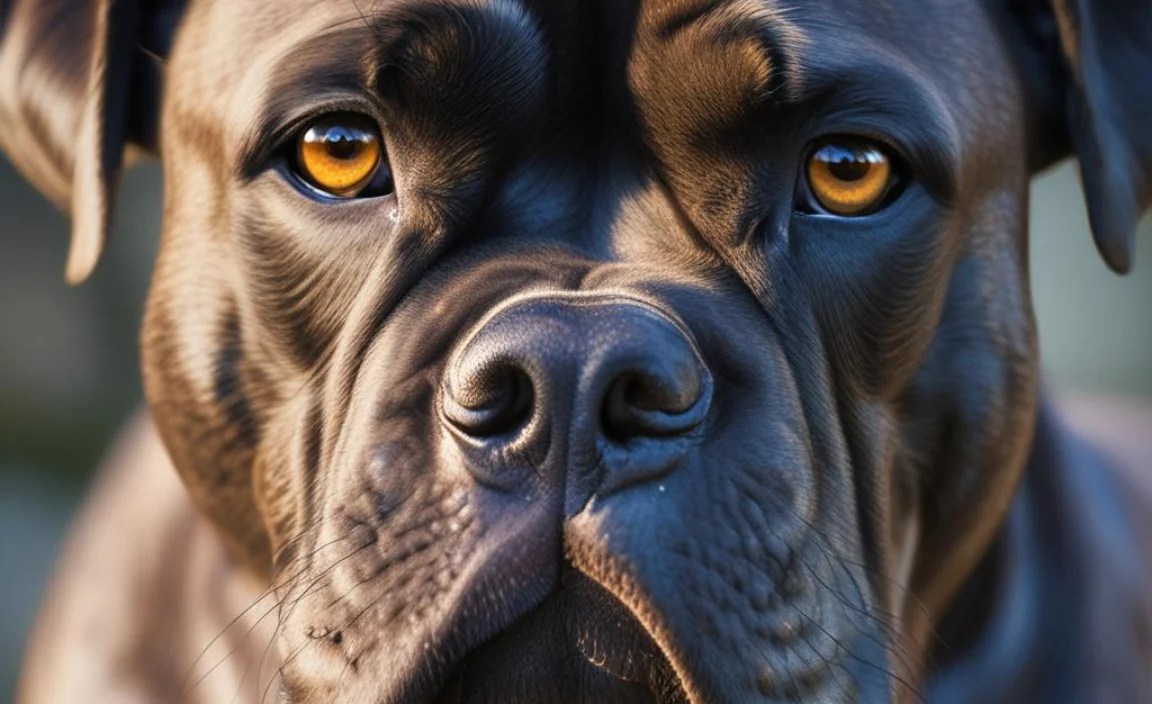
While Cane Corsos are generally robust dogs, some breeds are predisposed to specific eye conditions. Knowing these can help you be more vigilant.
Cherry Eye (Proplapsed Gland of the Third Eyelid)
This condition often looks like a red, cherry-like lump protruding from the inner corner of your dog’s eye. It happens when the gland of the third eyelid prolapses, or pops out. It’s more common in younger dogs and needs veterinary attention to prevent infection and further damage.
Entropion
This is when the eyelid rolls inward, causing the eyelashes to rub against the surface of the eye. This can be very uncomfortable and lead to corneal abrasions.
Ectropion
The opposite of entropion, ectropion is when the eyelid droops or rolls outward, exposing the inner surface. This can lead to dryness and irritation of the eye.
Distichiasis
Here, extra eyelashes grow from abnormal spots on the eyelid margin, often pointing towards the eye. These can cause irritation and chronic conjunctivitis.
Pigmentary Keratitis
This is a condition where pigment deposits on the cornea, often starting at the edge. It can be a response to chronic irritation or inflammation and can sometimes affect vision.
Dry Eye (Keratoconjunctivitis Sicca – KCS)
This happens when the tear glands don’t produce enough tears, leading to a dry, irritated eye surface. Symptoms include thick, colored discharge, redness, and a dull appearance to the eye. This is a condition that requires lifelong management with medication.
Your Daily Cane Corso Eye Care Routine

Incorporating eye care into your dog’s daily routine is simple and effective. It doesn’t take much time and can make a world of difference.
Step 1: Gentle Cleaning
Regularly cleaning your Cane Corso’s eyes helps remove debris, discharge, and potential irritants.
What you’ll need:
Soft, lint-free cloths or cotton balls
Lukewarm distilled water or a vet-approved canine eyewash solution
How to do it:
1. Dampen a cloth or cotton ball with the water or eyewash.
2. Gently wipe away any discharge or debris from the corner of the eye towards the outside.
3. Use a clean cloth or cotton ball for each eye to avoid spreading any potential infection.
4. Be very gentle! You are just wiping away what’s there, not scrubbing.
Step 2: Inspecting the Eyes
During the cleaning process, take a moment to really look at your dog’s eyes.
What to look for:
Clearity: Are the whites of the eyes clear or are they red and inflamed?
Discharge: Is there a little clear or whitish discharge, or is it thick, colored (yellow/green), and excessive?
Lumps or swelling: Do you see any unusual bumps on the eyelids or around the eye?
Cloudiness: Does the surface of the eye look clear, or is it hazy or cloudy?
Redness: Is there any noticeable redness in the white part of the eye or on the inner eyelids?
Behavior: Is your dog squinting, pawing at their eyes, or sensitive to light?
Step 3: Managing Tear Stains (If Applicable)
Some Cane Corsos, especially those with lighter fur around their eyes, can develop tear stains. These are reddish-brown marks caused by porphyrins in the tears.
Cleaning Tear Stains:
Use a damp, soft cloth to gently wipe the stained area daily.
You can use a specialized tear stain remover for dogs, following the product instructions carefully. Always choose products recommended by your veterinarian.
Keeping the fur around the eyes trimmed short can help prevent moisture buildup and reduce staining.
Tools and Supplies for Cane Corso Eye Care

Having the right supplies on hand makes eye care much easier.
Lint-free cloths or cotton balls: Essential for gentle wiping.
Distilled water: A safe and simple option for rinsing and cleaning.
Veterinarian-approved eyewash: Your vet can recommend a specific product for your dog.
Saline solution: Can be used for flushing out mild irritants.
Soft towel: For drying gently after cleaning.
Treats: To make the experience positive for your dog!
When to Call the Veterinarian

Your vigilant observation during daily care is key. If you notice any of the following signs, it’s time to schedule a vet visit:
Sudden or excessive eye discharge (especially yellow or green)
Persistent redness or inflammation
Squinting or holding one eye shut
Any visible injury to the eye
Cloudiness or changes in eye color
A growth or lump on the eyelid or around the eye
Your dog pawing excessively at their eye
Any signs of pain or distress
Prompt veterinary care can often prevent complications and ensure your Cane Corso gets the correct treatment, whether it’s medication, a minor procedure, or simply advice on managing a chronic condition. For comprehensive advice on canine eye conditions, the American Veterinary Medical Association (AVMA) offers valuable resources.
Preventing Eye Problems in Your Cane Corso
While genetics play a role in some conditions, you can take steps to minimize risks and promote good eye health.
Regular Grooming: As discussed, daily cleaning prevents buildup.
Diet and Hydration: A balanced diet supports overall health, which includes eye health. Ensure your dog always has access to fresh, clean water.
Protect from Irritants: Avoid exposing your dog’s eyes to harsh chemicals, smoke, or dust. When playing outdoors or in dusty environments, keep an eye on them.
Avoid Head-Out-the-Window Syndrome: While dogs love car rides, the wind and debris can easily irritate or injure their eyes. Consider a doggy seatbelt or carrier for safer travel.
Regular Vet Check-ups: Annual or semi-annual vet visits allow for early detection of any developing issues, including eye health.
Understanding Canine Eye Anatomy Basics
A quick look at how a dog’s eye works can help you appreciate its intricacies.
The eye has several key parts:
| Part | Function | What to Watch For |
|---|---|---|
| Cornea | The clear outer layer that covers the iris and pupil. It helps focus light. | Cloudiness, scratches, inflammation (keratitis). |
| Iris | The colored part of the eye that controls the size of the pupil. | Unusual color changes or growths. |
| Pupil | The opening in the center of the iris that allows light to enter. | Abnormal size or responsiveness to light. |
| Lens | Located behind the iris and pupil; focuses light onto the retina. | Clouding (cataracts). |
| Retina | The tissue lining the back of the eye; converts light into neural signals. | (Difficult for owners to observe directly; symptoms include vision loss, dilated pupils). |
| Third Eyelid (Nictitating Membrane) | A thin membrane that sweeps across the eye for protection and to spread tears. | Prolapse (Cherry Eye), inflammation. |
Your Cane Corso’s third eyelid is particularly important for eye moisture and protection. When it’s functioning well, you won’t see it. If it becomes a prominent feature, it often signals an issue.
A Deeper Dive: Cleaning Techniques and Solutions
When it comes to cleaning your Cane Corso’s eyes, gentleness and the right products are paramount.
Choosing the Right Cleaning Solution
Lukewarm Distilled Water: For everyday use, this is the safest and simplest option. It’s free of minerals that could irritate the eyes.
Veterinarian-Prescribed Eyewash: If your dog has allergies or a recurring issue, your vet might suggest a specific prescription or over-the-counter canine eyewash. These are formulated to be gentle and effective.
Saline Solution: Unpreserved, sterile saline solution (like that used for contact lenses, but check the label to ensure no additives) can be a good option for flushing minor debris.
Avoid: Human eye drops, witch hazel, alcohol, or harsh soaps. These can cause significant irritation and damage.
The Best Cleaning Method
1. Get Your Dog Comfortable: Start by gently petting your dog and speaking in a calm, reassuring voice. Have treats ready to reward good behavior.
2. Prepare Your Supplies: Have your chosen solution, clean cloths/cotton balls, and treats within easy reach.
3. Isolate the Eyelid: Gently pull down your dog’s lower eyelid to create a small pocket.
4. Apply Solution to Cloth: Moisten your cloth or cotton ball with the solution. Do not apply the solution directly into the eye unless specifically instructed by your vet.
5. Gentle Wiping: With the damp cloth, gently wipe from the inner corner of the eye outward. This helps to move any discharge away from the tear duct.
6. Clean the Eyelid Area: You can also gently wipe the fur around the eye to remove any crusting.
7. Repeat on the Other Eye: Use a fresh cloth or cotton ball for the second eye to prevent cross-contamination.
8. Dry Gently: If needed, gently pat the area dry with a clean, soft towel.
9. Reward: Give your dog a treat and praise for being a good sport!
If your dog is really resistant, don’t force it. Try for short sessions and gradually increase the time. If resistance is strong, consult your vet or a professional groomer for tips.
Grooming Tools You Might Need
Beyond basic cleaning supplies, a few specialized grooming tools can be very helpful.
Fine-toothed comb: To gently remove any crusty discharge or debris from the fur around the eyes.
Small, rounded-tip scissors: For carefully trimming hair that might be growing into the eyes. Always use scissors with rounded tips for safety.
Dematting comb: If your Cane Corso has long fur around the face prone to matting, this can help.
For detailed information on grooming a Cane Corso, including facial hair management, resources like the American Kennel Club (AKC) breed pages can be very informative.
Dietary Impact on Eye Health
A well-balanced diet is fundamental to a dog’s overall health, including their eyes. Certain nutrients are particularly important for vision and eye health.
Omega-3 Fatty Acids: Found in fish oil, these can help reduce inflammation and may be beneficial for conditions like dry eye.
Antioxidants: Vitamins E and C, as well as beta-carotene, can help protect eye cells from damage caused by free radicals. These are found in fruits and vegetables (ensure any you feed are dog-safe).
Taurine: While more commonly known for heart health, taurine is also important for eye function. It’s an essential amino acid, meaning dogs can’t produce it on their own and must get it from their diet. High-quality dog foods typically contain adequate taurine.
When choosing a food for your Cane Corso, look for high-quality brands that list a good animal protein source as one of the first ingredients. If you’re considering supplements, always consult your veterinarian first. They can recommend appropriate dosages and types based on your dog’s individual needs and health status.
FAQ: Your Cane Corso’s Eye Care Questions Answered
Q1: How often should I clean my Cane Corso’s eyes?
A1: It’s a good idea to check and gently wipe around your Cane Corso’s eyes daily, especially the corners, to remove any buildup or discharge. This helps prevent irritation.
Q2: What if my Cane Corso’s eyes look red?
A2: Redness can indicate irritation, allergies, or infection. If you notice persistent redness, it’s best to consult your veterinarian. They can diagnose the cause and prescribe appropriate treatment.
Q3: Can I use human eyewash for my dog?
A3: It’s generally not recommended. Human eyewash products may contain ingredients that are too harsh for a dog’s eyes. Always use a product specifically formulated or recommended by your veterinarian for canine eye care.
Q4: My dog’s eye is bulging or looks like a cherry. What should I do?
A4: This sounds like potential “cherry eye.” It needs immediate veterinary attention. Do not try to push it back in yourself. The vet can determine the best course of action for treatment.
Q5: Are Cane Corsos known for having eye problems?
A5: Like many large breeds, Cane Corsos can be prone to certain eye conditions, such as entropion, ectropion, and cherry eye. Regular monitoring and prompt veterinary care are important for managing these predispositions.
Q6: How can I tell if my dog has vision loss?
A6: Signs can include bumping into objects, a reluctance to navigate stairs, dilated pupils, or a visible cloudiness in the eyes. If you suspect vision loss, schedule a veterinary appointment right away.
Conclusion: A Lifelong Commitment to Clear Vision
Caring for your Cane Corso’s eyes is a simple yet profound way to contribute to their overall health and happiness. By incorporating gentle daily cleaning into your routine, staying observant for any changes, and knowing when to seek professional veterinary advice, you are providing the best possible care for your loyal companion. Remember, those beautiful eyes are how they experience the world, and ensuring they remain clear, comfortable, and healthy is a rewarding part of the bond you share. Keep up the great work, and enjoy many happy, clear-eyed years with your magnificent Cane Corso!


