Cane Corso eye care involves myth-busting common misconceptions to ensure your giant breed dog has healthy, clear vision. Proper understanding and consistent care prevent many potential eye issues, keeping your Corso happy and seeing well.
Cane Corsos are magnificent dogs with striking looks, but their large size and beautiful eyes can sometimes be prone to specific care needs. Many owners, especially those new to the breed, encounter confusing or inaccurate information about how to best care for their Corso’s eyes. This can lead to unnecessary worry or, worse, overlooking important preventative measures.
The goal here is simple: to cut through the noise, address those pervasive myths, and give you straightforward, reliable advice for keeping your Cane Corso’s eyes healthy and bright. Let’s clear up the confusion and empower you with the knowledge to provide excellent eye care for your beloved canine companion.
Understanding Cane Corso Eye Anatomy and Common Concerns
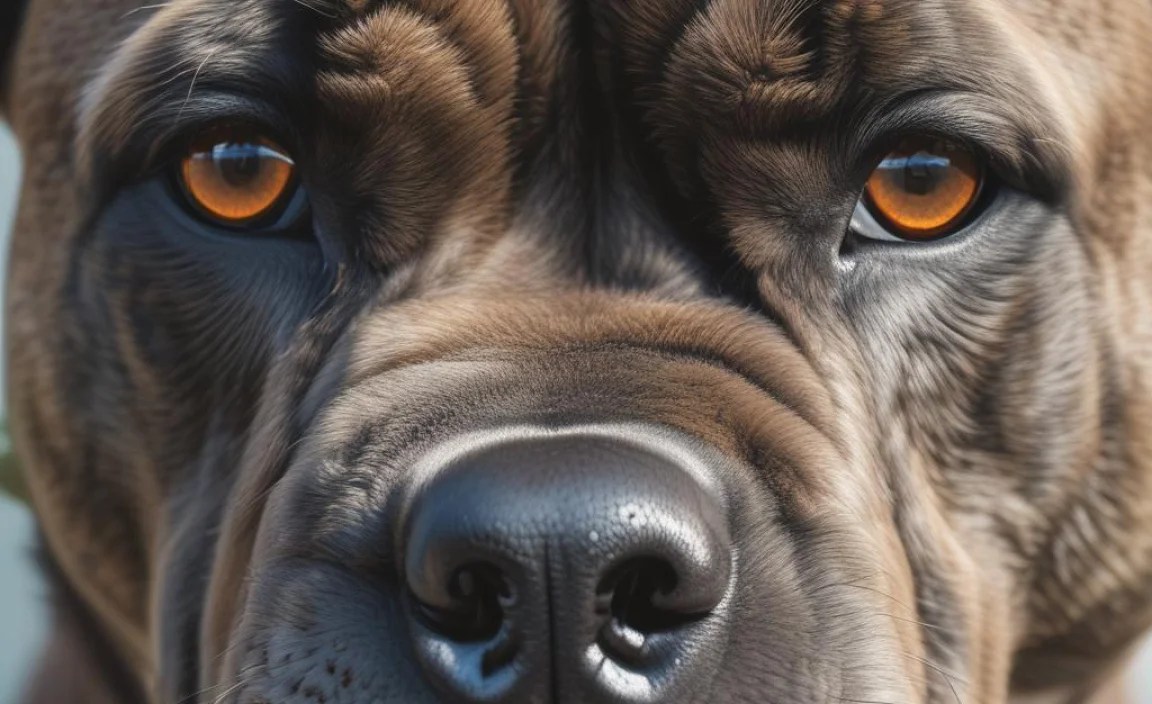
Before we tackle the myths, it’s helpful to understand a little about a Cane Corso’s eyes and why they might need special attention. Cane Corsos are a large breed, and like many giant breeds, certain genetic predispositions can affect their eyes. Their characteristic “noble” look often includes prominent eyes, which can make them more susceptible to environmental irritants and physical trauma. Understanding this anatomy helps us appreciate why myth-busting is so crucial.
The Cane Corso’s eye structure isn’t inherently fragile, but breed characteristics can influence potential issues. For instance, conditions like entropion and ectropion, where eyelids roll inward or outward, can affect them. These can cause irritation, discomfort, and increase infection risk if not managed. Similarly, their tendency towards larger eyes can sometimes be associated with a higher risk of certain conditions like cherry eye or even more serious issues if not monitored. Being aware of what’s normal and what to watch out for is the first step towards effective eye care.
Common environmental factors can also play a role. Dust, wind, pollen, and even certain shampoos or grooming products can irritate a dog’s eyes. For a breed like the Cane Corso, which is often active outdoors, exposure to these elements is a daily reality. This is where consistent, correct care routines become essential, and where understanding what not to do (dispelling myths!) can save a lot of trouble.
Cane Corso Eye Care: Debunking the Myths

Let’s dive into some of the most common myths surrounding Cane Corso eye care and lay down the facts.
Myth 1: Cane Corsos’ Eyes Are Just Naturally Weepy, So There’s Nothing You Can Do.
This is a widespread notion, and while some breeds are more prone to tear staining than others, attributing excessive eye discharge solely to breed nature can be misleading. While minor “sleepies” in the corner of the eye are normal, significant, persistent watering (epiphora) or discharge that is colored (green, yellow), thick, or accompanied by redness and swelling is not normal. This can indicate an underlying issue that needs veterinary attention.
The Reality:
- Normal vs. Abnormal Discharge: A small amount of clear, watery discharge or crusting in the corners upon waking is typical for many dogs.
- Causes of Excessive Weeping: Persistent tearing can be caused by genetic conditions (like entropion/ectropion), blocked tear ducts, allergies, irritants (dust, pollen, smoke), infections, injuries, or even foreign objects in the eye.
- Actionable Steps: Gently clean away any minor discharge with a soft, damp cloth or a veterinarian-approved eye wipe daily. If you notice a significant increase in tearing, discharge color change, redness, pawing at the eye, or cloudiness, consult your veterinarian immediately.
Myth 2: You Can Use Human Eye Drops to Treat Your Cane Corso’s Eye Issues.
This is a dangerous myth! Human medications, including eye drops, are formulated for human physiology and can be harmful, even toxic, to dogs. What might seem like a good idea in a pinch can lead to severe irritation, allergic reactions, or even long-term damage to your dog’s eyes.
The Reality:
- Species-Specific Medications: Canine eyes are different from human eyes. Medications designed for humans can have incorrect pH levels, concentrations, or active ingredients that are unsafe for dogs.
- Diagnostic Importance: Eye problems require a proper diagnosis from a veterinarian. Using human drops will not address the root cause and may mask symptoms, delaying vital treatment.
- Vet-Prescribed Solutions: Always use eye drops or ointments that have been prescribed by your veterinarian specifically for your Cane Corso. They will choose a product that is safe, effective, and appropriate for the diagnosed condition.
Myth 3: If the Eye Looks Red, It’s Just a Minor Irritation That Will Go Away.
Redness in the eye (conjunctivitis) is a common symptom, but it’s a sign that something is wrong. Like in humans, a red eye in a dog can range from mild irritation to something quite serious like an abrasion, infection, or more complex ocular disease.
The Reality:
- Redness Indicates Inflammation or Irritation: A red eye signals inflammation, irritation, or infection of the conjunctiva (the membrane lining the eyelid and covering the white part of the eye).
- Potential Underlying Issues: This redness could be due to allergies, foreign bodies, dry eye disease (keratoconjunctivitis sicca), glaucoma, uveitis, or injury.
- Professional Diagnosis is Key: Never assume redness is minor. A veterinarian needs to examine the eye to determine the cause and appropriate treatment. They have specialized tools for this, such as a Schirmer tear test or a fluorescein stain to check for corneal scratches.
Myth 4: “Cherry Eye” Isn’t a Big Deal; It Will Just Go Back in On Its Own.
Cherry eye, or prolapse of the third eyelid gland, is more common in certain breeds, and while it sometimes corrects itself, it often requires veterinary intervention. If left untreated, it can lead to complications.
The Reality:
- What is Cherry Eye? The third eyelid has a gland at its base that helps produce tears. When this gland prolapses (pops out), it appears as a red, cherry-like mass in the corner of the eye.
- Risks of Neglect: A prolapsed gland can become dry, irritated, infected, or injured. It can also interfere with vision.
- Surgical Correction is Often Necessary: While veterinarians may try temporary lubrication or anti-inflammatory drops, the most common and effective treatment is surgical repositioning of the gland back into its proper place. Early surgical intervention is usually recommended to prevent chronic irritation and secondary issues.
Myth 5: Dark-Eyed Cane Corsos Don’t Need Sun Protection.
While darker eye pigment offers some natural protection, all dogs, regardless of eye color, can be susceptible to damage from prolonged exposure to intense UV rays. Think of it like human skin – darker skin has more protection, but sunburn is still possible.
The Reality:
- UV Radiation Risks: Prolonged exposure to strong sunlight can contribute to conditions like cataracts and possibly ocular cancers in dogs, just as it can in humans.
- Outdoor Active Breed: Cane Corsos are often active dogs who enjoy being outdoors. This increases their potential exposure to UV radiation.
- Mitigation Strategies: While not always necessary, consider limiting your dog’s direct sun exposure during peak UV hours. For extremely sensitive dogs or in very harsh conditions, dog-specific UV-protective eyewear (doggles) can be an option, though this can be challenging to get dogs accustomed to. Ensuring they are in shaded areas during long outdoor sessions is a good practice.
Myth 6: Regular Grooming is All That’s Needed for Cane Corso Eye Health.
Grooming is important for removing external debris and maintaining a tidy appearance, but it does not replace proper veterinary care or regular checks for eye health.
The Reality:
- External Cleaning: Brushing fur around the eyes can prevent matting and remove loose debris. Gently wiping away discharge with a damp cloth is good hygiene.
- Internal Health Matters: Grooming doesn’t detect underlying diseases like glaucoma, dry eye, or early signs of cataracts, which require medical diagnosis and treatment.
- Holistic Approach: Eye care is a combination of daily hygiene, regular professional grooming, vigilant owner observation, and timely veterinary check-ups.
Essential Cane Corso Eye Care Practices
Now that we’ve busted some myths, let’s focus on proven, actionable steps for maintaining your Cane Corso’s eye health.
Daily Eye Checks and Cleaning
This is your first line of defense. Make it a habit to look at your dog’s eyes every day.
- What to Look For: Check for redness, swelling, cloudy appearance, excessive discharge (color, consistency, amount), or if your dog is pawing at their eyes.
- Gentle Cleaning: Use a clean washcloth dampened with lukewarm water and gently wipe away any discharge or sleep from the corners of the eyes. Be careful not to rub directly against the eyeball.
- Specialized Wipes: For stubborn discharge or tear stains, veterinarian-approved pet eye wipes can be very effective. Avoid using ordinary baby wipes or tissues, which can leave fibers or contain irritants.
Understanding Tear Stains on Cane Corsos
Tear staining is common in many breeds and can be a cosmetic issue or a sign of an underlying problem.
Tear stains appear as reddish-brown streaks running down from the inner corners of the eyes. This discoloration is caused by a pigment called porphyrin in tears. While some breeds are genetically predisposed to excessive tearing, it’s crucial to rule out medical causes first.
Causes and Solutions for Tear Stains:
- Medical Issues (Most Important to Rule Out): Blocked tear ducts, allergies, infections, irritants, or eyelid abnormalities can cause increased tearing. Your vet must diagnose and treat these.
- Diet: Sometimes, sensitivities in a dog’s diet can contribute. Discuss high-quality, balanced food options with your vet.
- Grooming: Keeping the fur around the eyes trimmed short can help prevent irritation and moisture buildup.
- Wipe Downs: Regular cleaning with pet-specific eye wipes can remove excess porphyrin before it stains. Some owners use specially formulated tear stain removers, but always consult your vet before using any product regularly, and opt for gentle, natural options.
Nutrition and Hydration for Eye Health
What you feed your Cane Corso significantly impacts their overall health, including their eyes.
A balanced diet rich in essential vitamins and minerals is vital. Antioxidants like Vitamin E and C, as well as essential fatty acids like Omega-3s, are particularly beneficial for eye health. Omega-3 fatty acids, for example, can help reduce inflammation and support the function of the retina.
Dietary Recommendations:
- High-Quality Dog Food: Choose a reputable brand of dog food formulated for large breeds. Look for foods that list antioxidants and essential fatty acids in their ingredients.
- Supplements (with Vet Approval): Your veterinarian may recommend specific eye health supplements containing ingredients like lutein, zeaxanthin, bilberry extract, or high levels of Omega-3s. Never give supplements without consulting your vet, as incorrect dosages can be harmful.
- Hydration: Ensure your Cane Corso always has access to fresh, clean water. Dehydration can affect overall health, including the health of the eyes.
The Role of Regular Veterinary Check-ups
Preventative care is paramount for a breed like the Cane Corso, and this includes regular vet visits.
Annual wellness exams are crucial for catching potential eye problems early. During these visits, your veterinarian will perform a thorough eye examination, which might include checking vision, intraocular pressure, and the overall health of the eye structures. If your dog has certain predispositions, your vet may recommend more frequent or specialized eye examinations.
What to Expect at Vet Visits:
- Visual Acuity Tests: Checking if your dog can see and track objects.
- Ophthalmoscopic Exam: Using an ophthalmoscope to look inside the eye at the retina, optic nerve, and blood vessels.
- Tonometry: Measuring intraocular pressure to screen for glaucoma. A common and effective tool is the Tono-Pen Avia Vet Tonometer.
- Slit Lamp Examination: Used to examine the front structures of the eye, including the cornea and lens.
- Fluorescein Staining: A dye applied to the eye to detect corneal abrasions or ulcers.
Environmental Factors and Protection
Protecting your Cane Corso’s eyes from environmental hazards is a key part of their daily care.
Just as you protect your own eyes from wind, dust, and sun, so too should you consider your dog’s exposure. A Cane Corso’s active lifestyle often means encountering various elements. Vigilance in monitoring their surroundings and providing protection when necessary can prevent discomfort and injury.
Tips for Environmental Protection:
- Wind and Dust: When out on a windy or dusty trail or at the beach, be mindful of how much debris is being kicked up. If your dog seems bothered, consider limiting their time in such conditions or looking for sheltered areas.
- Chemicals: Be cautious with lawn treatments or cleaning products around your home. Ensure they are pet-safe and do not have strong fumes that could irritate your dog’s eyes. Rinse thoroughly if any substance accidentally splashes near their face.
- Foreign Objects: Always check your dog’s eyes after activities like running through tall grass or playing fetch in dusty parks for any grass seeds, burrs, or other foreign bodies.
- Sun Exposure: As mentioned before, be mindful of prolonged, direct sun exposure, especially during peak hours.
Common Eye Conditions in Cane Corsos (and What to Do)

Understanding specific conditions helps owners be prepared.
While not all Cane Corsos will experience these, knowing about them increases your ability to recognize symptoms and seek prompt veterinary care.
Entropion and Ectropion
These are common eyelid abnormalities in many dog breeds, including giant breeds.
- Entropion: The eyelid rolls inward, so the lashes and fur rub against the cornea, causing irritation and pain.
- Ectropion: The eyelid sags or rolls outward, exposing the conjunctiva and cornea, which can lead to dryness, irritation, and infection.
- Symptoms: Excessive tearing, squinting, redness, pawing at the eye, discharge.
- Diagnosis & Treatment: A veterinarian diagnoses these conditions. Surgical correction (eyelid reconstruction) is often the most effective treatment to restore the eyelid to its normal position.
Cherry Eye
We touched on this myth, but it’s important enough to detail.
Cherry eye occurs when the gland of the third eyelid prolapses or protrudes. This gland is responsible for about 30-50% of the eye’s tear production.
- Appearance: A red, fleshy mass appearing in the corner of the eye.
- Symptoms: Visible mass, excessive tearing, potential for eye discharge, mild irritation.
- Diagnosis & Treatment: Veterinarians diagnose cherry eye visually. Surgical repositioning of the gland is the standard treatment, often referred to as an “ablation” or “tucking” procedure. Early treatment is best to preserve gland function and prevent chronic dryness.
Conjunctivitis (Pink Eye)
Inflammation of the conjunctiva.
This is a common ailment with various causes.
- Causes: Bacterial or viral infections, allergies, irritants (dust, smoke, shampoo), foreign bodies, or underlying eye conditions like dry eye.
- Symptoms: Redness, swelling, discharge (can be watery, clear, or pus-like), squinting, and sometimes pain.
- Diagnosis & Treatment: A vet will determine the cause. Treatment varies from antibiotic or antiviral eye drops to anti-inflammatory medications or allergy management.
Corneal Ulcers/Abrasions
Scratches or sores on the surface of the eye.
These are often caused by physical trauma.
- Causes: Pawing at the eye, foreign bodies, rough play, scratches from branches or other objects, or underlying conditions like dry eye that makes the cornea more vulnerable.
- Symptoms: Severe pain, excessive tearing, redness, squinting, cloudiness of the cornea, and visible damage if significant.
- Diagnosis & Treatment: A veterinarian uses fluorescein stain to diagnose ulcers. Treatment typically involves antibiotic eye drops to prevent infection and pain relief. Severe ulcers may require surgery.
Glaucoma
A serious condition involving increased pressure inside the eye.
Glaucoma can lead to rapid vision loss and blindness if not treated.
- Causes: Can be primary (genetic) or secondary to other eye diseases (e.g., inflammation, tumors). Cane Corsos are not listed as a high-risk breed for primary glaucoma by major veterinary ophthalmology bodies, but it can still occur.
- Symptoms: Redness, dilated pupil, cloudy cornea, pain, squinting, visible swelling of the eyeball, and progressive vision loss.
- Diagnosis & Treatment: Diagnosed by measuring intraocular pressure (tonometry). Treatment aims to reduce pressure and preserve vision, often involving medication or surgery.


