Quick Summary: Essential Cane Corso eye care involves gentle daily cleaning to prevent infections and maintain vision. Regular checks for discharge, redness, or cloudiness are key to early detection of issues, ensuring your Cane Corso’s eyes stay healthy and vibrant.
Cane Corso Eye Care Dominance: Proven Essential
Does your Cane Corso have watery eyes or a little gunk building up? It’s a common sight! These majestic dogs, with their big, expressive eyes, sometimes need a little extra help to keep them sparkling clean and healthy. You might worry about what it means, but don’t let it stress you out. With a few simple steps, you can easily manage your Cane Corso’s eye care and keep those beautiful eyes clear. This guide will walk you through everything you need to know to protect your gentle giant’s vision.
Why Cane Corso Eye Care Is So Important

Cane Corsos are magnificent dogs, known for their loyalty and strong protective nature. Their prominent eyes, while stunning, can be more susceptible to certain issues. Because their muzzle structure is relatively short, their eyes can sometimes protrude slightly more than other breeds, making them a bit more exposed to irritants like dust, pollen, and even stray hairs. This is why consistent, gentle eye care isn’t just about appearance; it’s crucial for preventing discomfort, infection, and potential vision problems down the line.
Neglecting eye care can lead to a range of issues, from minor irritations to more serious conditions like conjunctivitis (pink eye), dry eye (keratoconjunctivitis sicca), or even corneal ulcers. Early detection and consistent care are your best tools to ensure your Cane Corso enjoys clear vision throughout their life. Think of it as a small daily ritual that makes a big difference for your beloved companion.
Understanding Common Cane Corso Eye Issues
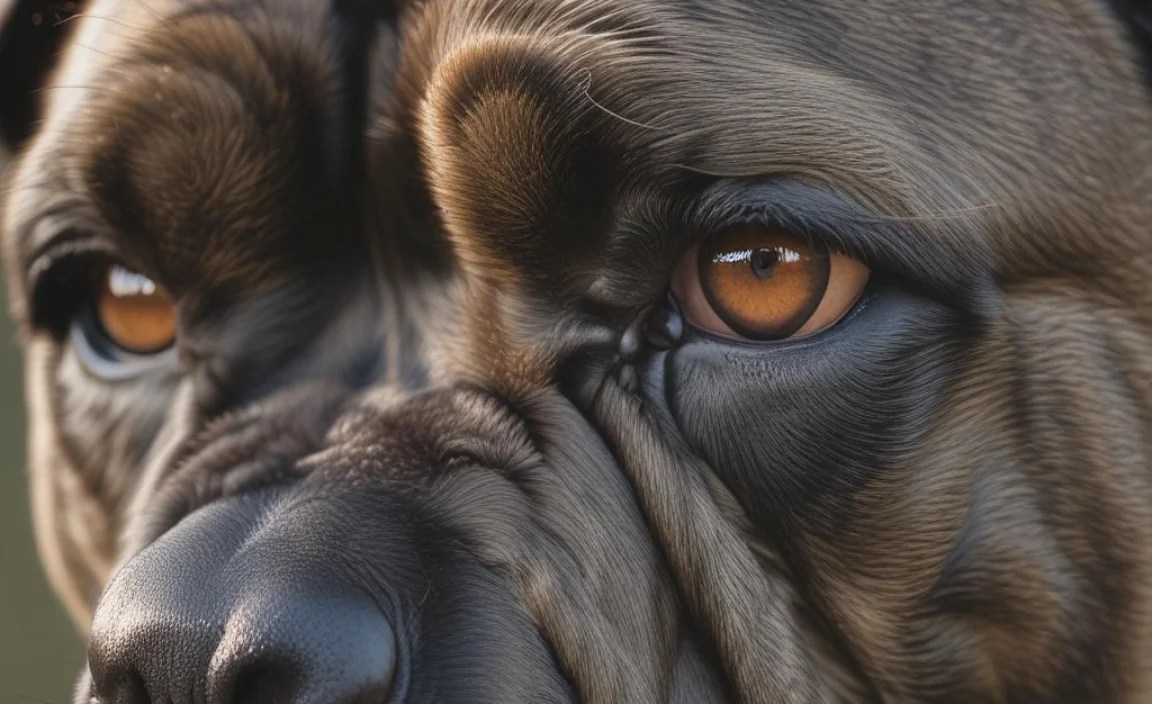
While Cane Corsos are generally robust, a few eye conditions are more common in the breed. Knowing what to look for can help you act fast if something seems off.
Eye Discharge
A little bit of sleep-crusties in the morning is normal for many dogs. However, excessive discharge—whether it’s clear, white, yellow, or green—can signal a problem. Clear discharge might indicate allergies or a minor irritant. Yellow or green discharge is more concerning and usually points to an infection.
Redness or Swelling
If you notice the whites of your Cane Corso’s eyes look pink or red, or if the eyelids appear swollen, it’s a sign of inflammation. This could be due to an injury, an allergic reaction, or an infection.
Cloudiness or Haze
A cloudy or hazy appearance on the surface of the eye (the cornea) can be serious. It might indicate a corneal ulcer or other diseases that affect vision. This needs immediate veterinary attention.
Excessive Tearing
Sometimes called epiphora, this is when your dog’s eyes seem to be constantly watering. This can happen due to allergies, blocked tear ducts, or even the shape of their eyelids.
Squinting or Pawing at the Eye
If your Cane Corso is squinting, holding an eye partially or fully closed, or frequently pawing at their face, it’s a clear sign of pain or discomfort. This indicates something is bothering their eye.
Essential Tools for Cane Corso Eye Care

Gathering the right supplies makes the process much easier and more effective. You don’t need a lot, but having these on hand will be a lifesaver.
- Veterinarian-Approved Eye Wipes or Solution: Your vet can recommend specific products. Look for gentle, pH-balanced solutions designed for dogs. Avoid human-grade products, as they can be too harsh.
- Soft, Lint-Free Cloths or Cotton Balls: These are ideal for wiping away discharge without irritating the eye.
- Gloves (Optional but Recommended): For hygiene, especially if there’s a suspected infection.
- A Calm Environment: Choose a quiet, comfortable space where your dog feels relaxed.
- Treats! Positive reinforcement is key to making this a pleasant experience.
Your Step-by-Step Guide to Cane Corso Eye Care

Cleaning your Cane Corso’s eyes doesn’t have to be complicated. Follow these simple steps for a safe and effective routine.
Step 1: Prepare Your Supplies and Your Dog
Get everything ready before you approach your dog. Have your wipes or solution and cloths within easy reach. Choose a time when your Cane Corso is relaxed, perhaps after a good walk or a meal. Gently pet your dog and speak in a soothing voice to signal that this is a calm, bonding time.
Step 2: Gently Hold Your Dog
Have your dog sit or lie down comfortably. You might want to have a helper gently restrain them, or you can carefully use your forearm to keep their head steady. Make sure not to force them; if they are resistant, break it up into shorter sessions.
Step 3: Clean Around the Eye
Take a damp, lint-free cloth or a vet-approved eye wipe. Gently wipe away any discharge or debris from the outer corner of the eye, moving away from the eye itself. You can also use a very gentle circular motion around the eye area, but be extremely careful not to touch the eyeball directly.
Important Note: Never use the same part of the cloth or wipe for both eyes. Use a fresh wipe or a clean section of the cloth for the second eye to prevent spreading any potential infection. If using a cleaning solution, dampen a clean cloth with it, then proceed with wiping.
Step 4: Address Deeper Crud (If Necessary)
For any stuck-on gunk near the tear duct, you can use a cotton ball lightly dampened with the vet-approved solution. Gently dab and hold it against the crud for a few seconds to soften it, then carefully wipe it away. Again, always work from the inner corner outwards and away from the eye.
Step 5: Dry the Area
Use a clean, dry, soft cloth to gently pat the area dry around the eye. This helps prevent moisture from lingering, which can lead to irritation.
Step 6: Reward Your Dog!
This is the most important step! Give your Cane Corso plenty of praise and a tasty treat for their cooperation. This positive reinforcement helps them associate eye cleaning with good things, making future sessions much easier.
Preventing Common Cane Corso Eye Problems
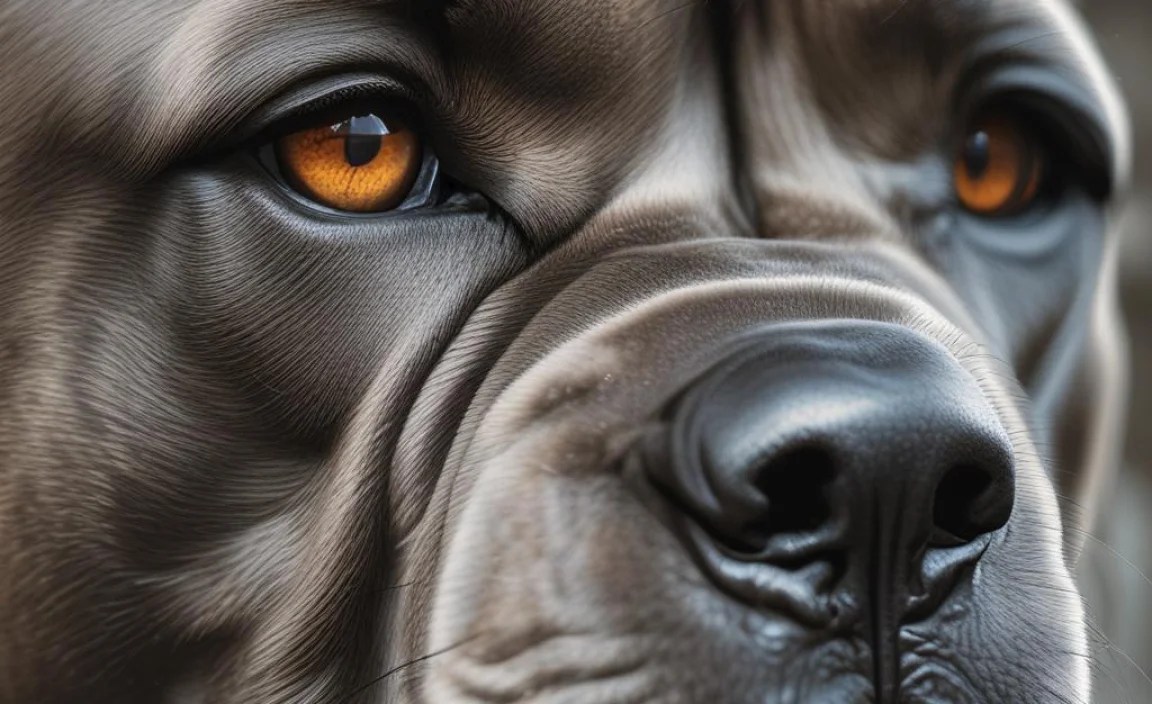
Daily care is your first line of defense, but there are other proactive measures you can take.
- Regular Visual Checks: Make it a habit to visually inspect your dog’s eyes daily. Look for any redness, discharge, cloudiness, or signs of irritation.
- Keep the Face Clean: Gently wipe your dog’s face, especially around the eyes, after meals or if they get dirty during outdoor play.
- Manage Allergies: If environmental allergies are suspected, talk to your vet about potential treatments or ways to minimize exposure.
- Protect from Irritants: When you’re out and about, be mindful of dusty or windy environments that can irritate their eyes.
- Avoid Harsh Chemicals: Keep cleaning products and other strong scents away from your dog’s face.
When to Call the Veterinarian
While daily cleaning is important, it’s not a substitute for professional veterinary care. You should contact your vet immediately if you notice:
- Sudden or excessive eye discharge (especially if it’s yellow or green)
- Significant redness or swelling of the eye or eyelids
- Cloudy or opaque appearance of the eye
- Your dog is squinting, pawing at their eye, or showing signs of pain
- Any visible injury to the eye
- Changes in vision or behavior related to their eyes
Your veterinarian can accurately diagnose eye conditions and prescribe the appropriate treatment, which might include medicated eye drops, ointments, or other therapies. For more information on common eye conditions in dogs, the American Veterinary Medical Association (AVMA) provides excellent resources.
Cane Corso Eye Care Needs: A Comparative Look
While all dogs benefit from eye care, some breeds might have slightly different needs due to their facial structure or predisposition to certain conditions. Understanding this can give you perspective:
| Breed | Typical Eye Shape/Protrusion | Common Eye Concerns | Eye Care Recommendation |
|---|---|---|---|
| Cane Corso | Moderate brachycephaly, prominent eyes | Discharge, potential for irritation due to exposure, entropion/ectropion | Daily gentle cleaning, regular checks. Monitor for irritation. |
| Golden Retriever | Medium muzzle, moderately deep-set eyes | Conjunctivitis, cataracts (genetic), pigmentary keratitis | Regular checks, occasional cleaning of discharge. Work with vet on genetic predispositions. |
| Pug / Bulldog (Brachycephalic breeds) | Very short muzzle, significantly protruding eyes | Dry eye, corneal ulcers, persistent discharge due to shallow eye sockets and lack of protective eyelids. | Frequent daily cleaning, specialized ointments may be needed. High risk, requires vigilant care. |
| Siberian Husky | Almond-shaped eyes, not particularly protruding | Juvenile cataracts, progressive retinal atrophy (PRA), dry eye | Regular checks, genetic screening is important. Less prone to external irritation. |
| Cocker Spaniel | Protruding, round eyes, often obstructed by long fur | Entropion, cherry eye, cataracts, dry eye. Irritation from fur. | Diligent grooming around eyes, regular cleaning. May require topical treatments for dryness. |
| Great Pyrenees | Deep-set eyes, sometimes heavy eyebrows/furnishings | Entropion, ectropion, conjunctivitis. Irritation from facial hair. | Regular cleaning, especially if facial hair hangs over eyes. Monitor for eyelid issues. |
As you can see, while the basic principles of cleanliness apply universally, the frequency and intensity of care can vary. Cane Corsos fall somewhere in the middle, with their prominent eyes requiring consistent attention to prevent foreign body irritation and infection.
Addressing Grooming and Fur Interference
A Cane Corso’s coat, while not as long as some breeds, can still grow in a way that bothers their eyes. Stray hairs near the eyes can cause constant irritation, leading to increased tearing and rubbing. Regular grooming is key here:
- Trimming: You or your groomer can carefully trim any longer hairs around the eyes. Be very cautious to avoid poking your dog or cutting too close to the eye itself. Specialized pet grooming scissors with rounded tips are recommended.
- Brushing: Daily brushing of the head and facial area can help keep stray hairs from falling into the eyes.
- Professional Grooming: Consider professional grooming every 6-8 weeks for a thorough check and trim. Discuss eye-area grooming with your groomer.
For any concerns about hair growth or its impact on your dog’s eyes, always consult your veterinarian or a professional groomer.
Diet and Hydration: The Inside Story on Eye Health
What you feed your Cane Corso and how much water they drink can also play a role in their overall health, including eye health. A balanced diet rich in omega-3 and omega-6 fatty acids can support healthy skin and coat, which in turn can contribute to better eye health by reducing inflammation and maintaining moisture.
Ensure your dog’s food is high-quality and appropriate for their age and activity level. Look for foods that list good protein sources as the primary ingredients. Antioxidants, like those found in fruits and vegetables, can also be beneficial for eye health.
Hydration is equally critical. Dehydration can affect the moisture levels in your dog’s eyes, potentially leading to dryness and irritation. Always ensure your Cane Corso has access to fresh, clean water throughout the day.
For detailed recommendations on canine nutrition, the National Center for Biotechnology Information (NCBI) has extensive research papers on the topic, offering insights into factors influencing pet health and diet.
Can Eye Care Training Be Part of Their Routine?
Absolutely! Making eye care a positive experience from a young age will pay dividends. The goal is desensitization and association with positive reinforcement.
- Start Early: Begin when your Cane Corso is a puppy.
- Gentle Touch: Accustom them to gentle touches around their face and head without doing any cleaning.
- Introduce Tools Gradually: Let them sniff the wipes or solution bottle.
- Short Sessions: Keep initial “training” sessions very short – just a few seconds of touching or wiping.
- Praise and Treats: Always end with praise and a high-value treat.
- Build Up: Gradually increase the duration and the amount of cleaning you do.
If your dog becomes anxious or stressed, take a step back. You can always consult with a professional dog trainer or your veterinarian for techniques to help anxious dogs cope with handling.
FAQ: Your Cane Corso Eye Care Questions Answered
Q1: How often should I clean my Cane Corso’s eyes?
A1: For most Cane Corsos, a gentle cleaning of any discharge or debris around the eyes once a day is sufficient. However, if your dog produces more discharge, you might need to clean them more often. Always consult your vet for personalized advice.
Q2: What if my Cane Corso’s eye is red and watery?
A2: Redness and excessive watering can indicate irritation, an allergic reaction, or infection. It’s best to schedule a visit with your veterinarian to get a proper diagnosis and treatment plan. Do not use over-the-counter eye drops without veterinary approval.
Q3: Can I use baby wipes to clean my Cane Corso’s eyes?
A3: It’s generally not recommended. Baby wipes can contain fragrances, alcohol, or other chemicals that might be too harsh for your dog’s delicate eye area and can cause irritation or stinging. Stick to vet-approved eye wipes or solutions.
Q4: My Cane Corso blinks a lot and rubs their eye. Should I worry?
A4: Yes, this is a strong indicator that something is bothering their eye, possibly a foreign object, an injury, or a condition like entropion (eyelid rolling inward) or ectropion (eyelid rolling outward). See your vet promptly to have it checked.
Q5: What are the signs of a serious eye infection in my Cane Corso?
A5: Signs include thick, colored discharge (yellow/green), severe redness, swelling of the eyelids, cloudiness in the eye, persistent squinting, and signs of pain. Seek veterinary care immediately if you notice these symptoms.
Q6: Does diet affect my Cane Corso’s eye health?
A6: A balanced diet rich in antioxidants and essential fatty acids can support overall health, including eye health. While diet isn’t a cure for all eye conditions, good nutrition helps maintain healthy tissues and can reduce inflammation.
Conclusion: A Lifetime of Clear Vision
Maintaining your Cane Corso’s eye health is an essential part of responsible dog ownership. By incorporating a simple, gentle daily cleaning routine and staying vigilant for any changes, you can significantly contribute to your dog’s comfort and prevent potential vision problems. Remember, consistency is key, and positive reinforcement makes it a bonding experience for both of you. Your Cane Corso’s bright, clear eyes are a window to their loyal spirit, and with this simple guide, you can help keep them that way for years to come. Always consult your veterinarian if you have any concerns; they are your best partner in ensuring your canine companion enjoys a healthy and happy life.


