Quick Summary:
Cane Corso eye care involves regular cleaning to prevent infections, monitoring for common issues like cherry eye and entropion, and understanding breed-specific needs. Prompt veterinary attention is crucial for any vision problems. This guide covers essential facts for keeping your Corso’s eyes healthy.
Cane Corso Eye Care Facts: Essential Guide
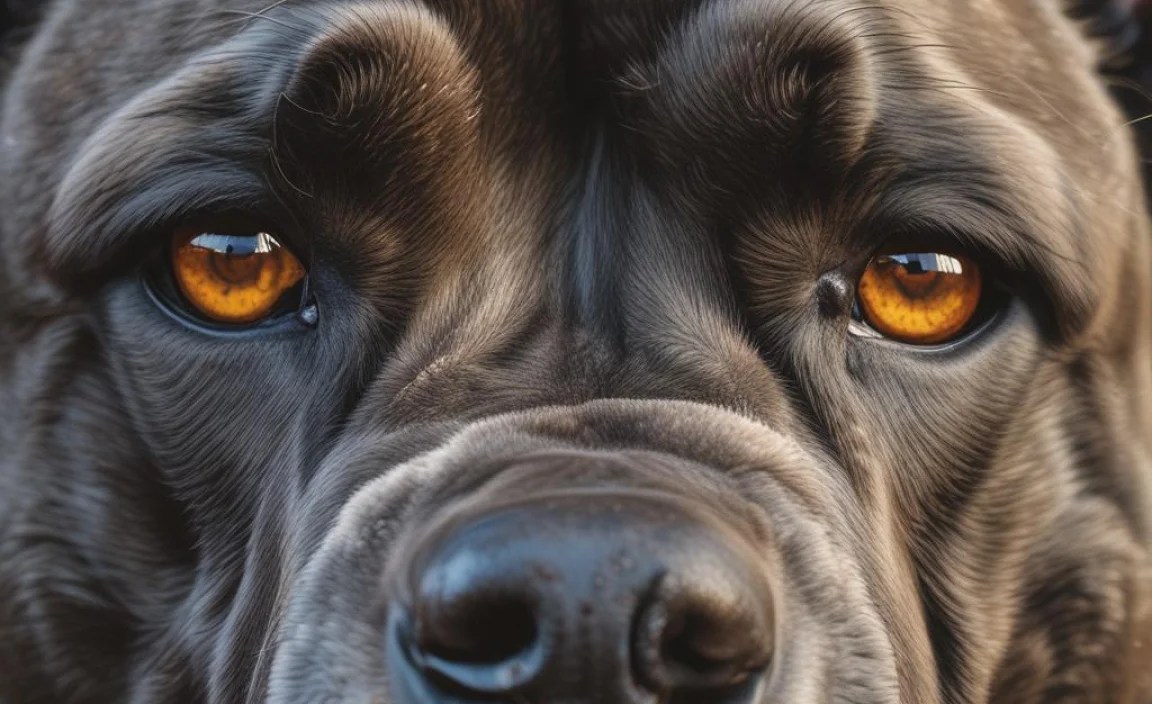
Your Cane Corso’s bright, expressive eyes are windows to their soul, but they can also be prone to certain issues. Keeping those gorgeous peepers healthy doesn’t have to be complicated! Many eye concerns are preventable with simple, regular care and by knowing what to look for. We’ll walk you through the essential facts you need to know to ensure your magnificent Corso enjoys clear vision throughout their life. Let’s dive into understanding and caring for your Cane Corso’s eyes, making it easy and stress-free.
Understanding Your Cane Corso’s Eyes

Cane Corsos, with their noble appearance, possess striking eyes that are, unfortunately, sometimes susceptible to specific health conditions. Being aware of these potential issues is the first step in proactive care. Their deep-set eyes, while beautiful, can sometimes trap debris, leading to irritation. Furthermore, certain genetic predispositions mean they might be more prone to conditions like entropion and ectropion, or even the dreaded “cherry eye.” Regular observation and gentle care can make a significant difference in preventing discomfort and maintaining good vision.
Common Cane Corso Eye Conditions
It’s helpful for every Cane Corso owner to be familiar with the eye conditions that can affect this breed. Knowing the signs and symptoms means you can act quickly if something isn’t right. Early detection and professional veterinary care are key to managing these conditions effectively.
Entropion and Ectropion
These conditions relate to the eyelids. Entropion is when the eyelid rolls inward, causing the lashes to rub against the eyeball. This can lead to irritation, pain, and even corneal damage. Ectropion is the opposite, where the eyelid rolls outward, exposing the inner surface. This leaves the eye vulnerable to dryness and infection. Both can be genetic and sometimes require surgical correction.
Cherry Eye (Prolapsed Nictitating Membrane)
This condition happens when the third eyelid’s gland, also known as the nictitating membrane, swells and protrudes from the corner of the eye, looking like a red, cherry-like mass. It can affect one or both eyes and, if left untreated, can lead to dryness and infection. Surgery is often the recommended treatment.
Distichiasis
Distichiasis occurs when extra eyelashes grow from the eyelid margin, often from the duct of a tear gland. These abnormal lashes can rub against the cornea, causing irritation and discomfort. Treatment options range from plucking the errant hairs to surgical removal, depending on severity.
Conjunctivitis (Pink Eye)
While not exclusive to Cane Corsos, conjunctivitis is common and can be caused by allergies, infections (bacterial or viral), irritants, or other underlying eye conditions. Symptoms include redness, swelling, discharge (which can be watery, clear, or thick and colored), and squinting. It’s important to get a diagnosis from your vet to ensure appropriate treatment.
Corneal Ulcers
These are sores on the surface of the cornea, which is the clear front part of the eye. They can be caused by trauma (like a scratch from a foreign object or rough play), infections, or inadequate tear production. Severe ulcers can lead to vision loss if not treated promptly.
Essential Cane Corso Eye Care Routine

Establishing a routine for your Cane Corso’s eye care is vital. It’s not just about treating problems; it’s about preventing them. A consistent approach will help you spot any changes early and keep your dog comfortable.
Daily Checks and Cleaning
Make it a habit to look at your dog’s eyes every day. A quick check takes only a moment and can save a lot of trouble later.
- Observation: Look for redness, cloudiness, excessive tearing, discharge, or any swelling. Also, check if your dog is squinting or pawing at their eyes, as these are signs of discomfort.
- Gentle Wiping: Use a soft, damp cloth or a pet-specific eye wipe to gently clean away any discharge or debris from the corners of their eyes. Always wipe away from the eye, never towards it. Use a separate wipe or cloth for each eye to prevent spreading potential infections.
- Avoid Irritants: Be mindful of shampoos, flea treatments, or other products that might get into your dog’s eyes. Rinse thoroughly during baths.
Bathing and Grooming Considerations
Grooming plays a role in eye care, especially for breeds with facial folds or noticeable eye structures.
- Facial Trims: If your Cane Corso’s facial hair grows long, it can sometimes poke into their eyes. Keep this hair trimmed short, being extremely careful not to cut the eye itself. Consider professional grooming for this delicate task.
- Bathing Habits: When bathing, tilt your dog’s head back slightly to prevent water and soap from running directly into their eyes. Rinse the face area very carefully.
When to See the Veterinarian

While daily checks and cleaning are important, there are times when professional help is non-negotiable. Your veterinarian is your best resource for diagnosing and treating any eye concerns.
Red Flags: Signs of Eye Problems
Don’t hesitate to call your vet if you notice any of the following:
- Sudden or excessive tearing
- Thick, colored discharge (yellow or green)
- Persistent redness or swelling of the eyelids or eye
- Cloudiness or a bluish haze on the surface of the eye
- Visible growth or mass in or around the eye
- Squinting, blinking excessively, or holding the eye shut
- Rubbing or pawing at the eyes
- Visible injury to the eye
- Changes in vision or disorientation
Veterinary Diagnostic Tools
Your vet has a range of tools to accurately diagnose eye problems. Understanding these can help you feel more prepared for a vet visit.
For instance, a common test is the Schirmer Tear Test, which measures tear production. This is crucial for diagnosing dry eye (keratoconjunctivitis sicca or KCS). Another important test is the Fluorescein Stain Test, used to detect corneal ulcers or scratches. A dye is applied to the eye, and it stains any areas of corneal damage, making them visible under a special blue light.
To learn more about common dog eye conditions and their diagnosis, the American Veterinary Medical Association (AVMA) provides excellent, reliable information for pet owners.
Treatment Options
Treatment will vary greatly depending on the diagnosis.
- Medicated Eye Drops/Ointments: These are commonly prescribed for infections, inflammation, and dry eye. It’s critical to use them precisely as directed by your vet.
- Surgery: Procedures like entropion/ectropion correction or cherry eye repair are often surgical. Your vet will discuss the best approach and expected outcomes.
- Lifestyle Adjustments: Sometimes, managing environmental factors like dust or allergens can help. For conditions like dry eye, lifelong management with medications might be necessary.
Preventative Measures and Best Practices
Prevention is always better than cure, and this holds true for your Cane Corso’s eye health. Implementing good habits can significantly reduce the risk of common eye problems.
Choosing the Right Diet
A balanced, high-quality diet is fundamental for overall health, including eye health. Nutrients play a role in maintaining healthy tissues and supporting immune function, which can help fight off infections.
Key nutrients to look for in dog food that are beneficial for eye health include:
- Omega-3 Fatty Acids: Found in fish oil, these can help reduce inflammation and support retina health.
- Antioxidants (Vitamins E & C): These help combat oxidative stress, which can damage eye tissues over time.
- Certain Carotenoids: Lutein and zeaxanthin, found in some fruits and vegetables, are important for retinal health.
Always choose a dog food that is formulated for your dog’s life stage and size. If you have concerns about your dog’s specific nutritional needs for eye health, consult your veterinarian. They can provide tailored recommendations, potentially including supplements if necessary. For an overview of canine nutrition, the Purina guide to dog food nutrition offers valuable insights.
Environmental Safety
Your dog’s surroundings can impact their eyes. Be mindful of potential hazards:
- Yard Hazards: Keep an eye out for sharp objects, thorny plants, or debris in your yard that could potentially scratch your dog’s eyes during play.
- Dust and Smoke: Excessive dust, smoke from fires, or strong chemical fumes can irritate the eyes. Try to minimize exposure.
- Controlled Play: While energetic play is great, supervise interactions with other dogs to prevent accidental eye injuries.
Regular Veterinary Check-ups
Routine wellness exams are crucial. Your veterinarian will perform a basic eye exam as part of their overall assessment. These check-ups allow for early detection of any developing issues, often before you notice any symptoms at home. Mention any concerns you have about your dog’s eyes, no matter how minor they seem.
Cane Corso Eye Care Product Guide

Having the right tools can make routine eye care easier for both you and your Cane Corso. It’s important to use products specifically designed for dogs and to use them safely.
Recommended Products
- Pet-Specific Eye Wipes: These are pre-moistened wipes formulated to be gentle and effective for cleaning around a dog’s eyes. Look for brands that are hypoallergenic and free from harsh chemicals.
- Saline Eye Solution for Dogs: A sterile saline solution can be used to flush out mild debris or irritants. Ensure it’s specifically labeled for veterinary use.
- Soft, Lint-Free Cloths: Alternatively, you can use small pieces of soft, clean cotton or microfiber cloth.
- Prescription Eye Medications: These will only be prescribed by your veterinarian for specific conditions. Always administer them exactly as directed.
Products to Avoid
It’s equally important to know what not to use.
- Human Eye Drops: These can contain ingredients that are harmful to dogs.
- Rubbing Alcohol or Peroxide: Never use these to clean around your dog’s eyes. They are highly irritating and damaging.
- Rough materials: Avoid using rough towels or tissues that can leave fibers or scratch the delicate skin around the eyes.
How to Administer Eye Drops/Ointments
Getting medication into a dog’s eyes can be tricky, but with practice, it becomes easier:
- Preparation: Have the medication ready and clean your hands thoroughly. If using a wipe or cloth, have it ready.
- Positioning: Gently hold your dog’s head steady. You might need a second person to help restrain or comfort your dog.
- Applying: For drops, tilt your dog’s head back slightly. Gently pull down the lower eyelid to create a small pocket. Hold the dropper above the eye (but not touching it) and carefully dispense the prescribed number of drops into the pocket.
- For Ointments: Similarly, create the pocket with the lower lid and gently squeeze a thin ribbon of ointment into the pocket.
- Closing the Eye: After administering the drops or ointment, gently close your dog’s eye and massage the eyelid softly for a few seconds. This helps distribute the medication.
- Reward: Offer praise and a treat immediately afterward to create a positive association with the process.
Frequently Asked Questions about Cane Corso Eye Care
Q1: How often should I clean my Cane Corso’s eyes?
It’s a good idea to check your Cane Corso’s eyes daily for any signs of redness, discharge, or irritation. Gentle wiping with a soft, damp cloth or a pet-specific eye wipe can be done as needed, typically once a day, to remove any minor debris or discharge.
Q2: My Cane Corso has a red, swollen lump in the corner of its eye. What should I do?
This sounds like it could be “cherry eye,” which is a prolapsed gland of the third eyelid. It’s important to see your veterinarian as soon as possible. While it might not be painful, it increases the risk of infection and dry eye, and it usually requires veterinary treatment or surgery.
Q3: Can I use human eye drops for my Cane Corso if they have watery eyes?
No, you should never use human over-the-counter eye drops on your dog without consulting your veterinarian. Human medications can contain ingredients that are not suitable for dogs and could cause harm or worsen the condition.
Q4: What are the signs of dry eye in Cane Corsos?
Signs of dry eye (KCS) can include persistent redness, thick mucus discharge, a dull appearance to the eye, and sometimes a dry, crusty eyelid. Your dog might also squint or paw at their eye. A simple Schirmer Tear Test by your vet can diagnose this condition.
Q5: How can I prevent my Cane Corso from getting eye infections?
Regular cleaning to remove debris, avoiding irritants like harsh shampoos near the eyes, ensuring good nutrition, and prompt veterinary care for any existing issues all contribute to preventing eye infections. Keeping their environment clean also helps.
Q6: My Cane Corso’s eyes look cloudy. Is this serious?
Cloudiness in the eye can indicate several issues, including cataracts, glaucoma, or corneal swelling. All of these can affect vision and require professional evaluation. Please schedule an appointment with your veterinarian immediately to determine the cause and appropriate treatment.
Conclusion
Caring for your Cane Corso’s eyes is an integral part of ensuring their overall health and well-being. By incorporating a simple daily routine of observation and gentle cleaning, staying informed about breed-specific eye conditions, and knowing when to seek professional veterinary care, you can proactively protect your loyal companion’s precious sight. Remember, early detection and consistent care are your most powerful tools. With this knowledge and commitment, you can help your magnificent Cane Corso enjoy a lifetime of clear vision and happy adventures.


