Proper Cane Corso eye care ensures your guard dog stays healthy and alert, safeguarding their vision for optimal performance and companionship. Regular checks prevent common issues.
Keeping your Cane Corso’s eyes healthy is vital for their role as a vigilant guard dog and beloved family member. Many owners wonder about the best ways to care for those intelligent, watchful eyes. It can feel like a big responsibility, but with simple, consistent practices, you can help your furry friend see the world clearly for years to come. This guide will walk you through everything you need to know, making eye care easy and effective. Let’s dive into how you can protect your Cane Corso’s precious sight!
Cane Corso Eye Care Guard Dog: Proven Pet Health

Your Cane Corso is more than just a pet; they are a protector, a companion, and a loyal member of your family. Their keen eyesight is crucial for their guarding instincts and everyday life. Ensuring their eyes are healthy is a key part of responsible ownership, preventing discomfort and maintaining their ability to perform their duties with confidence. This comprehensive guide will equip you with the knowledge to provide excellent eye care for your Cane Corso.
Understanding Cane Corso Eyes
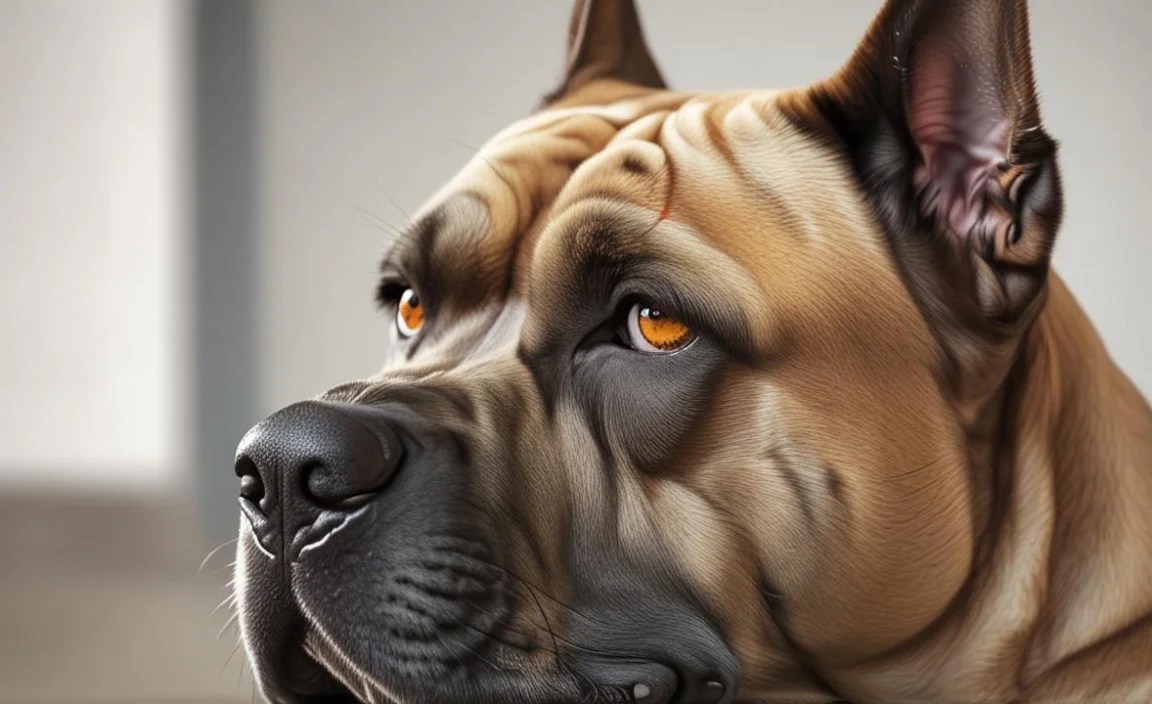
Cane Corsos, with their noble stature and striking appearance, also have eyes that require attentive care. These dogs were historically bred for guarding and working, tasks that rely heavily on good vision. Their large, expressive eyes, while beautiful, can sometimes be prone to certain conditions due to their breed characteristics and facial structure.
Common Eye Concerns in Cane Corsos
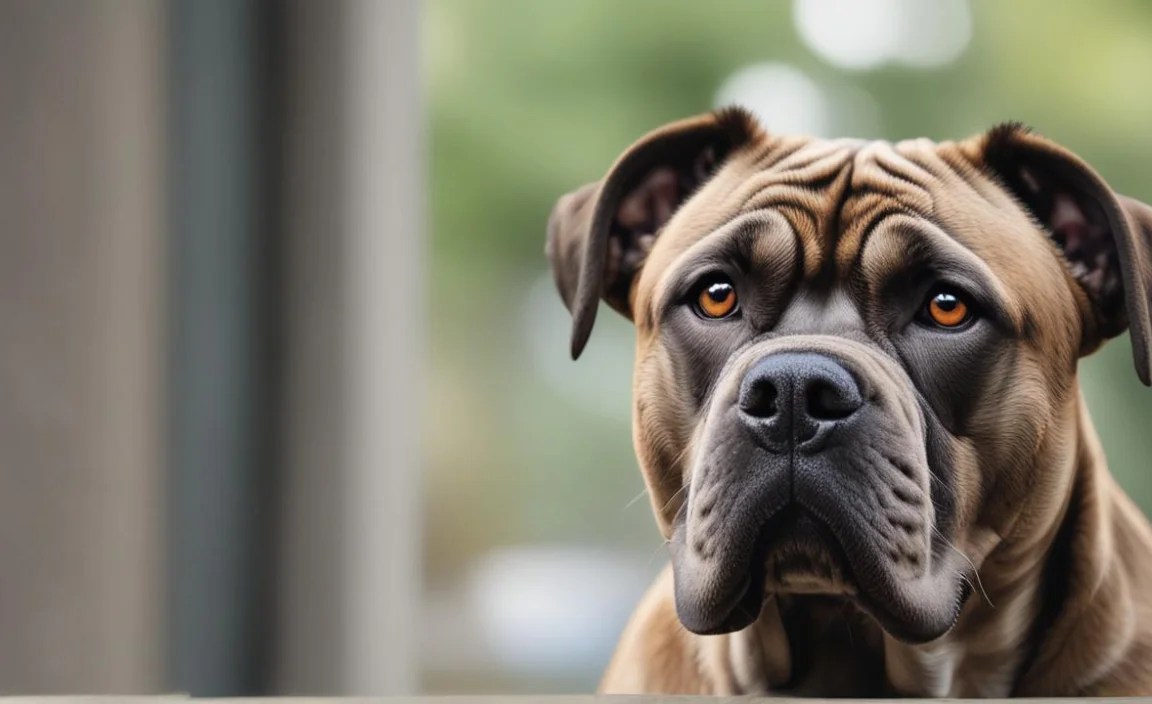
While not all Cane Corsos will experience these issues, awareness is the first step in prevention and early detection.
Cherry Eye (Prolapsed Nictitating Membrane): This occurs when the gland of the third eyelid becomes inflamed and pops out, appearing as a red, cherry-like mass in the corner of the eye.
Entropion: A condition where the eyelid rolls inward, causing the eyelashes to rub against the cornea. This can lead to irritation, pain, and potential corneal ulcers.
Ectropion: The opposite of entropion, where the eyelid rolls outward, exposing the inner surface and leading to dryness and irritation.
Distichiasis: Abnormal growth of eyelashes that can rub against the eye’s surface, causing irritation and potential damage.
Corneal Ulcers: Scratches or sores on the surface of the eye, often caused by injury, irritation from conditions like entropion, or other underlying issues.
Cataracts: Clouding of the lens, which can impair vision and may be hereditary or age-related.
Glaucoma: A serious condition that increases pressure within the eye, potentially leading to blindness if not treated promptly.
Understanding these potential issues is important, but don’t let it worry you. With proper care and regular vet visits, most of these can be managed effectively.
Daily Eye Care Routine for Your Cane Corso
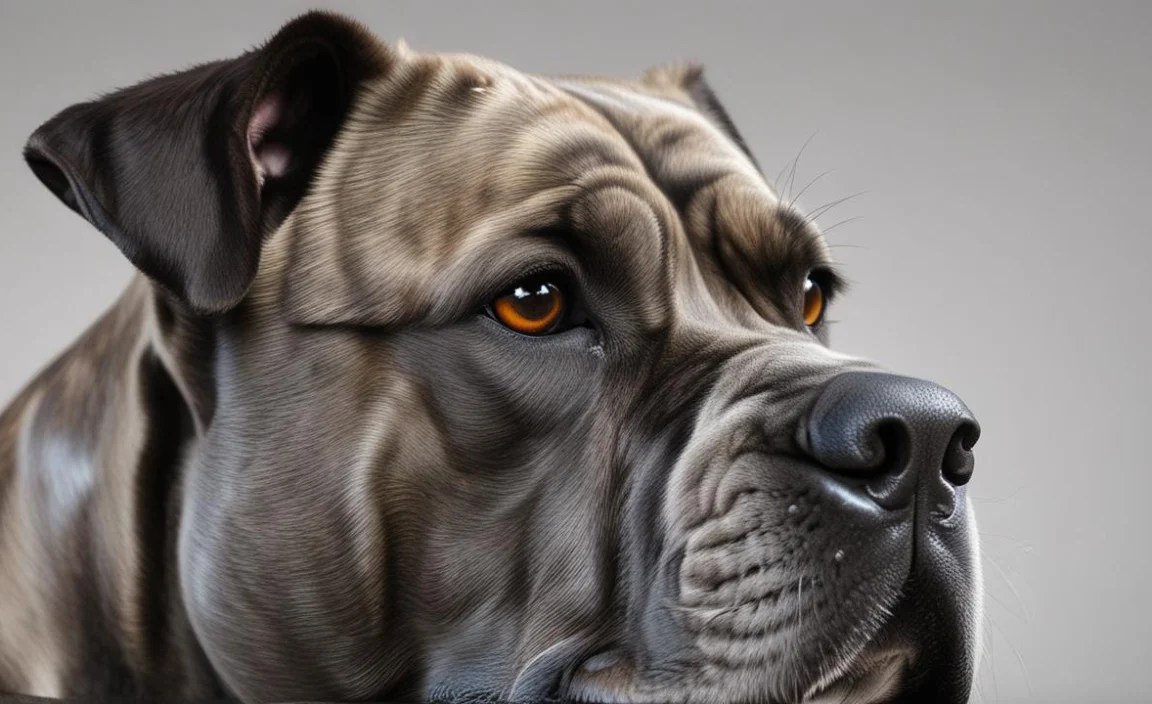
Establishing a daily routine is the cornerstone of maintaining your Cane Corso’s eye health. Consistency makes it easy to spot any changes and ensures their eyes are kept clean and comfortable.
Step-by-Step Daily Cleaning
1. Gather Your Supplies: You’ll need clean, soft cloths or cotton pads (preferably disposable ones to avoid cross-contamination), and lukewarm water or a veterinarian-approved canine eye-cleaning solution.
2. Gentle Handling: Approach your dog calmly and speak in a soothing voice. Gently hold their head steady.
3. Wipe Away Debris: Moisten a cloth or pad with lukewarm water or the cleaning solution. Gently wipe away any discharge, dust, or debris from around the outer corner of the eye. Always wipe away from the eye, never towards it.
4. Use a Fresh Cloth: For each eye, use a clean cloth or pad to prevent spreading any potential infection.
5. Address Stains (if applicable): Some Cane Corsos may develop tear stains. While often cosmetic, persistent staining can indicate an underlying issue. Gentle cleaning can help, but consult your vet if staining is severe or accompanied by redness or irritation.
6. Inspection: During this process, take a moment to look closely at the eyes. Note any redness, swelling, unusual discharge (color, consistency), cloudiness, or signs of pain (squinting, pawing at the eye).
Pro-Tip: Make this routine a positive experience. Offer praise and a small treat afterward to associate eye cleaning with good things.
What to Avoid During Daily Cleaning
Using cotton balls: The fibers can sometimes stick to the eye’s surface.
Using harsh chemicals or human products: These can irritate or damage your dog’s eyes.
Touching the eyeball directly: Always clean around the eye, not on the cornea.
Rubbing vigorously: This can cause damage or discomfort.
Choosing the Right Eye Care Products

Selecting the correct products can make a significant difference in the effectiveness and safety of your Cane Corso’s eye care.
Veterinarian-Approved Solutions
Always consult your veterinarian before using any new eye cleaning product. They can recommend specific brands or types of solutions that are safe and effective for your dog’s needs. Look for products that are:
Sterile: To prevent introducing bacteria.
pH-balanced for canine eyes: Human tears have a different pH.
Free from harsh chemicals, dyes, or fragrances: These can cause irritation.
Some common types of solutions include:
Saline Eye Washes: Gentle and effective for rinsing away debris.
Specialized Eye Cleansers: Formulated to break down tear stains and remove mild irritants.
DIY vs. Professional Products

While plain lukewarm water can be used for simple wiping, it’s generally recommended to use commercially prepared, vet-approved products for more thorough cleaning or if you notice specific issues. These products are formulated for ocular safety and efficacy.
Recognizing Signs of Eye Problems
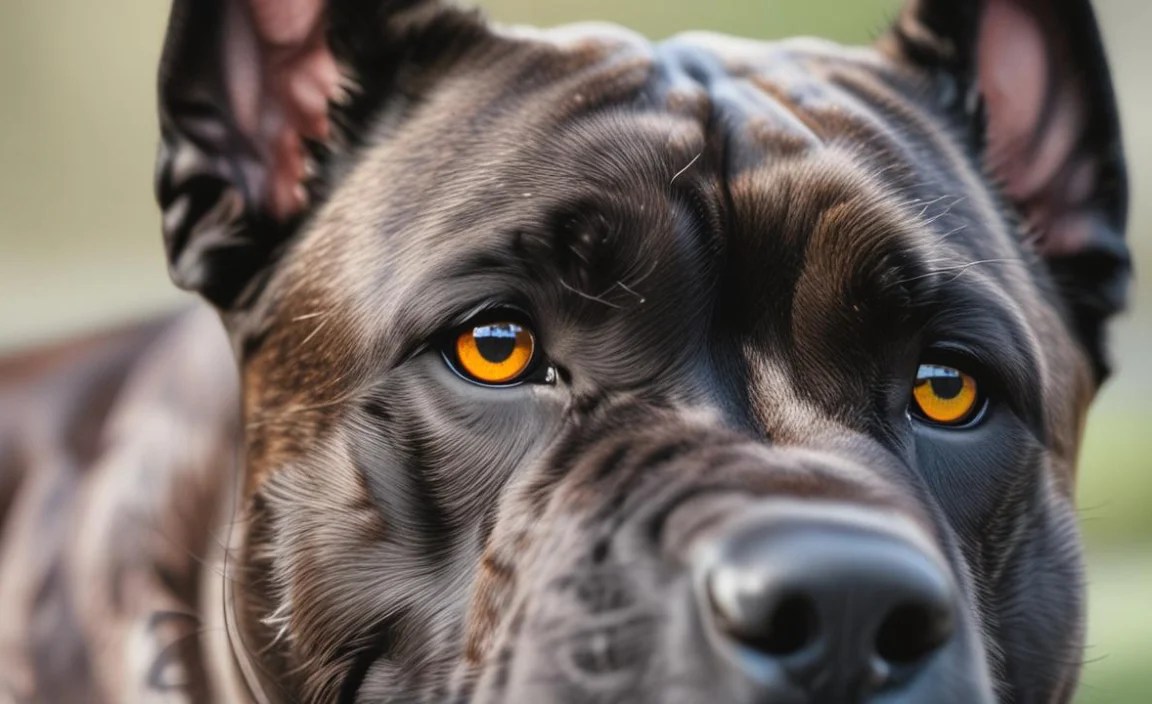
As a responsible owner, you are the first line of defense in detecting eye issues. Learning to spot the signs can lead to early intervention and better outcomes for your Cane Corso.
Visual Cues to Watch For

Redness or Inflammation: The whites of the eyes (sclera) appear pink or red.
Excessive Tearing (Epiphora): More tears than usual running down the face.
Discharge: Changes in the amount, color (yellow, green, white), or consistency (watery, thick, pus-like) of eye discharge.
Squinting or Pawing: Your dog consistently closes or partially closes one eye, or repeatedly paws at it. This is a strong indicator of pain or discomfort.
Cloudiness or Haze: The cornea (the clear outer layer of the eye) appears cloudy or has a milky appearance.
Swelling: The eyelids or the area around the eye appears swollen.
Visible Foreign Objects: You can see something stuck in the eye.
Behavioral Changes: Lethargy, reluctance to play, or changes in how they navigate their environment due to vision impairment.
When to Seek Veterinary Care
Prompt veterinary attention is crucial for any suspected eye issue. Don’t delay if you observe any of the following:
Sudden onset of severe pain or discomfort.
Any change in vision or apparent blindness.
Deep green or yellow discharge, which often indicates infection.
A visible wound or trauma to the eye.
Persistent redness, swelling, or squinting.
Cloudy or discolored cornea.
Your veterinarian will perform a comprehensive eye exam, which may include tests like a Schirmer tear test (to measure tear production), a fluorescein stain (to detect corneal ulcers), and tonometry (to measure intraocular pressure for glaucoma).
Diet and Eye Health
A balanced diet plays a role in overall health, including the health of your dog’s eyes. Certain nutrients are vital for maintaining good vision.
Nutrients Essential for Eye Health
Omega-3 Fatty Acids: Found in fish oil, these can help reduce inflammation and support retinal health. Look for dog foods fortified with EPA and DHA.
Antioxidants (Vitamins E and C): These help protect eye cells from damage caused by free radicals. Foods rich in these vitamins, like sweet potatoes and blueberries (in moderation, as part of a healthy diet), can be beneficial.
Lutein and Zeaxanthin: These carotenoids are found in the retina and help filter harmful blue light and act as antioxidants, protecting against age-related macular degeneration (relevant in dogs too). Brightly colored vegetables can be good sources.
Table 1: Nutrient Sources for Cane Corso Eye Health
| Nutrient | Primary Benefit for Eyes | Food Sources (Dog-Friendly) |
| :——————– | :—————————————————— | :———————————————————- |
| Omega-3 Fatty Acids | Reduces inflammation, supports retinal health. | Salmon, sardines, flaxseed oil (ensure appropriate dosage). |
| Vitamin E | Antioxidant, protects against cellular damage. | Sunflower seeds (crushed, in moderation), sweet potatoes. |
| Vitamin C | Antioxidant, supports eye tissue. | Blueberries, strawberries (as occasional treats). |
| Lutein & Zeaxanthin | Filters blue light, antioxidant protection for retina. | Spinach, kale, corn, peas (cooked and incorporated into a balanced diet). |
Always consult your veterinarian before adding supplements to your dog’s diet. They can advise on appropriate dosages and if supplements are necessary based on your dog’s specific food and health condition.
Environmental Factors and Eye Protection
The world your Cane Corso navigates can impact their eyes. Simple precautions can go a long way in protecting them from environmental hazards.
Protecting Eyes from Sun and Dust

Sunlight: Just like humans, dogs can be sensitive to bright sunlight, especially those with lighter-colored fur around their eyes. If you spend long hours outdoors, consider a dog-safe sun visor or hat, particularly if your dog shows signs of squinting in bright light.
Dust and Debris: When exercising in dusty areas, hiking, or working outdoors, consider protective eyewear designed for dogs. Brands like Rex Specs offer goggles that shield eyes from wind, dust, and even UV rays, while allowing for normal vision. This can be particularly helpful in preventing corneal scratches.
Wind: High winds can dry out eyes and blow irritants into them. Ensuring your dog is not directly exposed for extended periods in very windy conditions can help.
Preventing Injuries
Rough Play: While Cane Corsos are robust, supervise any rough play, especially with smaller or more fragile dogs, as accidental pokes or scratches can occur.
Sharp Objects: Be mindful of hazards in your yard or walking paths, such as thorny bushes, broken branches, or sharp debris.
At-Home Hazards: Keep cleaning supplies and chemicals out of reach. When grooming, be careful not to accidentally poke the eye with scissors or brushes.
Training Your Cane Corso for Eye Care
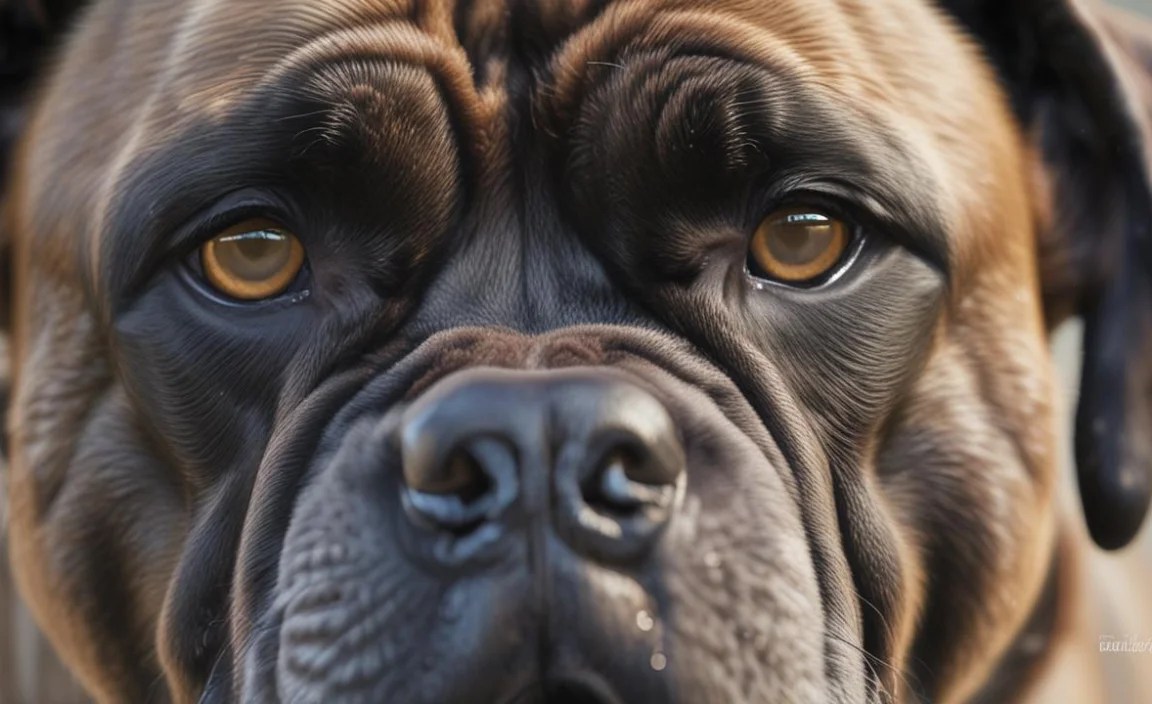
Getting your Cane Corso accustomed to having their eyes examined and cleaned is a crucial part of their training, especially for a breed that might be wary of handling if not properly desensitized.
Desensitization and Counter-Conditioning
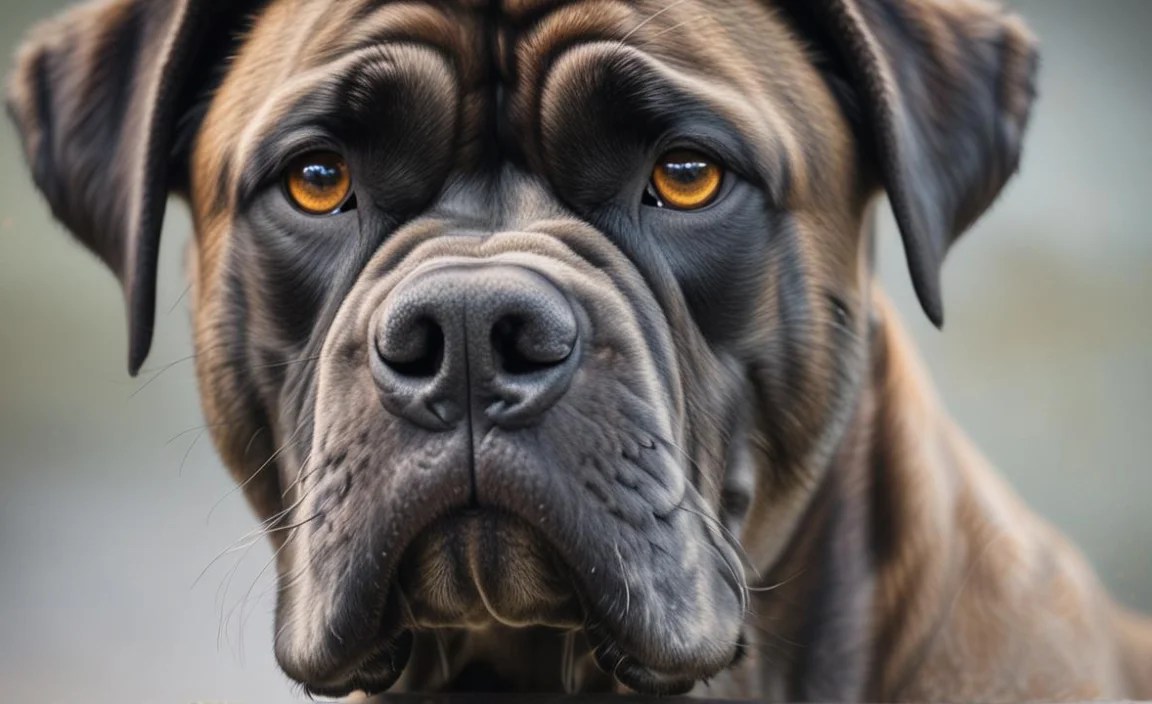
This process involves gradually getting your dog comfortable with the actions associated with eye care.
1. Start Short and Sweet: Begin by simply touching the fur around your dog’s eyes for a second or two. Offer a treat and praise immediately.
2. Increase Duration: Gradually increase the amount of time you touch the area.
3. Introduce the Cloth: Let your dog sniff a clean, dry cloth. Then, gently touch the cloth to the fur near their eye, followed by a treat and praise.
4. Introduce Moisture: Moisten a cloth with plain water and repeat the process.
5. Actual Wiping: When your dog is comfortable, proceed to a gentle wipe. Always pair this with rewards and positive reinforcement.
6. Handling the Eyelids: Once they are used to cleaning, gently touch their eyelids. The goal is to make them comfortable with you looking closely at and touching around their eyes.
Key Point: Never force your dog. If they show signs of stress, back off and try again later with a shorter, easier step. The aim is to create a positive association, making veterinary visits and home care stress-free for both of you.
Common Eye Care Scenarios and Solutions

Let’s look at how to handle some common scenarios you might encounter.
Scenario 1: Mild Discharge/Crusts
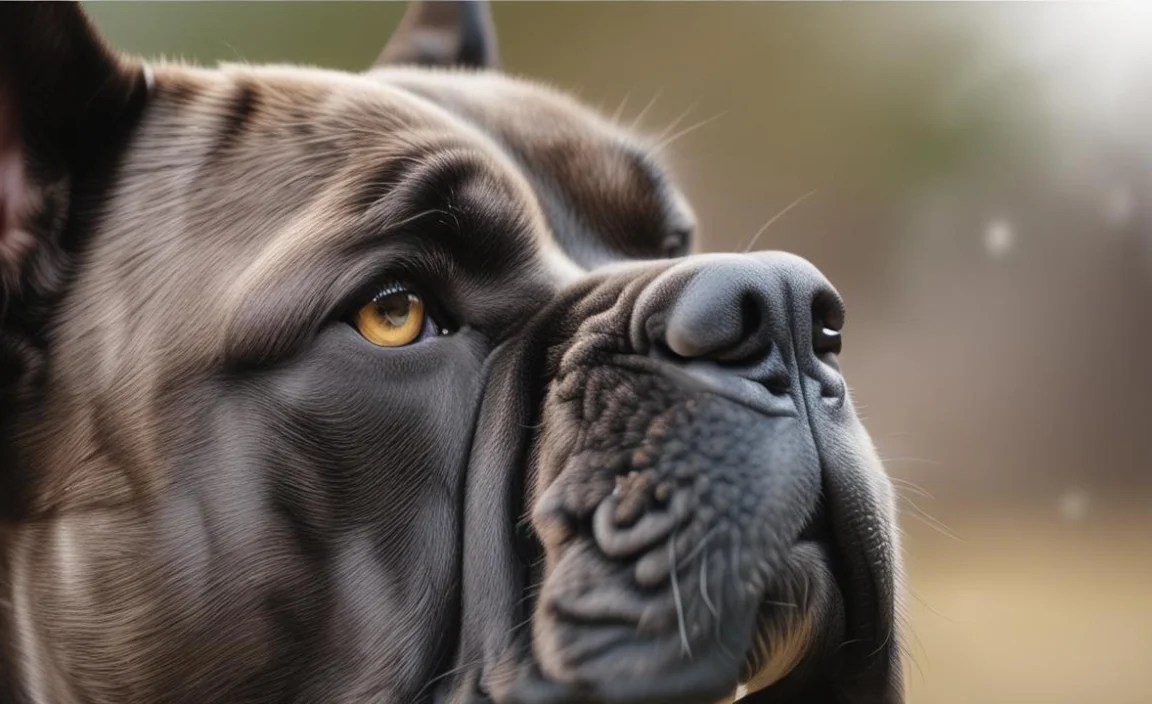
Action: Use a damp, warm cloth or a vet-approved canine eye wipe to gently clean away the discharge. Wipe from the inner corner outwards.
When to Worry: If the discharge becomes yellow, green, is present in large amounts, or if the eye is red and swollen, see your vet.
Scenario 2: A Red, Irritated Eye
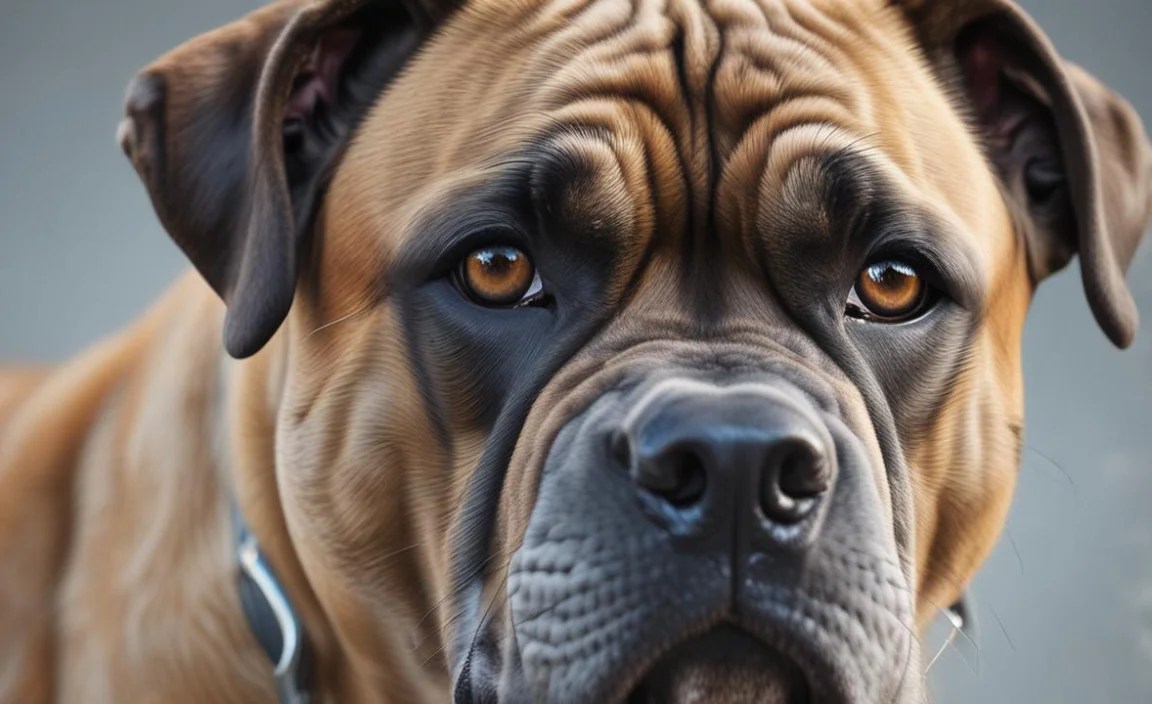
Action: Try a gentle rinse with sterile saline eye wash (designed for dogs). Avoid touching the eye directly.
When to Worry: If redness persists for more than a day, is accompanied by squinting, pain, or discharge, or if you suspect an injury, seek veterinary care immediately.
Scenario 3: Eye Seems Cloudy
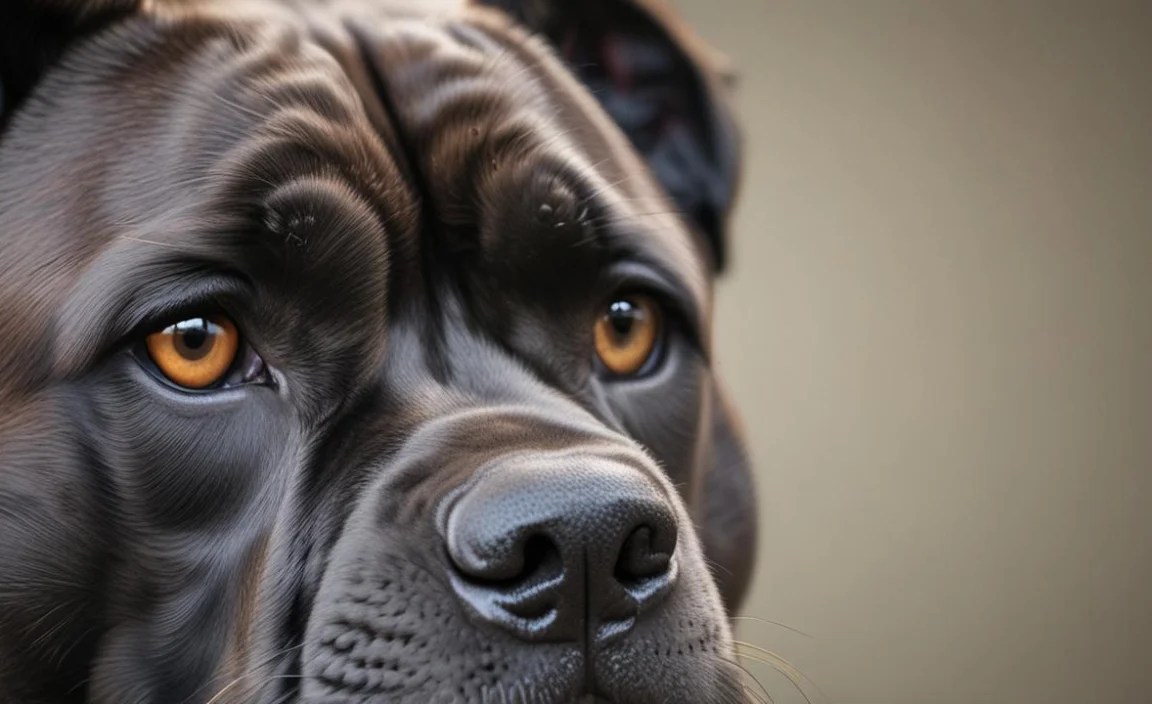
Action: Do not attempt to treat at home.
When to Worry: Any cloudiness or change in the clarity of the eye’s surface requires an urgent veterinary exam. This could indicate a corneal ulcer, cataracts, or other serious conditions.
Breed Standard and Eye Health

The breed standard for the Cane Corso emphasizes a strong, healthy dog. While the standard doesn’t dictate specific eye care practices, it underscores the importance of good health and conformation. Responsible breeding practices aim to minimize genetic predispositions to debilitating eye conditions. When choosing a Cane Corso, inquire about health clearances for the parents, including OFA (Orthopedic Foundation for Animals) eye certifications, which can help identify hereditary eye diseases.
The Role of Regular Veterinary Check-ups

Far beyond just vaccinations, your veterinarian is your most important partner in your Cane Corso’s eye health.
Annual Exams: A routine annual wellness exam should include a thorough check of your dog’s eyes.
Breed-Specific Knowledge: Your vet is aware of common breed-related eye issues and can screen for them.
Early Detection: They can often identify subtle signs of disease that an owner might miss.
Diagnosis and Treatment:** Crucially, they can diagnose and prescribe appropriate treatment for various eye conditions.
Don’t underestimate the value of these check-ups. They are your best proactive measure against serious eye problems.
Frequently Asked Questions About Cane Corso Eye Care
How often should I clean my Cane Corso’s eyes?

For routine cleaning of minor discharge, daily or every other day is usually sufficient. If you notice more debris or tearing, you may need to clean them more frequently, but always use a gentle approach.
Can I use human eye drops on my Cane Corso?

No, it is never safe to use human eye drops on your dog without explicit instruction from your veterinarian. Human medications can be too strong or contain ingredients harmful to canine eyes.
What should I do if my Cane Corso gets something in its eye?

First, try to remain calm. Gently flush the eye with a dog-specific sterile saline eye wash. Avoid rubbing. If rinsing doesn’t remove the object, or if your dog shows signs of pain or distress, contact your veterinarian immediately.
Are Cane Corsos prone to tear stains?

Some Cane Corsos may experience tear staining, especially those with lighter fur. While often a cosmetic issue, it can sometimes be linked to excessive tearing due to allergies, diet, or blocked tear ducts. Regular gentle cleaning can help manage it, but consult your vet if it’s severe or persistent.
How can I tell if my Cane Corso’s eye problem is serious?

Serious signs include significant pain (squinting, whimpering), sudden vision loss, discharge that is thick yellow or green, swelling, excessive bleeding, or a visible injury to the eye. Any drastic change or symptom of pain warrants an immediate vet visit.
Should I use homemade remedies on my dog’s eyes?

It’s best to avoid homemade remedies unless specifically advised by your veterinarian. Many common household ingredients can be irritating or even toxic to a dog’s sensitive eyes. Stick to vet-approved products or plain, clean water for gentle cleaning.
Conclusion
Caring for your Cane Corso’s eyes is an integral part of keeping them healthy and ensuring they can confidently fulfill their guardian role and enjoy life with you. By incorporating a simple daily cleaning routine, staying vigilant for any signs of concern, providing a balanced diet rich in eye-healthy nutrients, and protecting them from environmental hazards, you are taking significant steps towards preserving their precious sight. Remember, your veterinarian is your most valuable ally; regular check-ups are essential for early detection and treatment of any potential issues. With consistent, gentle care and a proactive approach, you can help your magnificent Cane Corso maintain clear, healthy vision for many years of loyal companionship and vigilant guardianship.


