Cane Corso eye care is crucial to proactively prevent and manage common health issues. Regular observation, gentle cleaning, and prompt veterinary attention are key to maintaining your Cane Corso’s vision and comfort. This guide provides essential steps for concerned owners.
Cane Corso eyes, like those of many large breeds, can be prone to specific health challenges. Keeping them clear and healthy might seem complicated, but it’s really about understanding what to look for and how to help. This guide will walk you through the common eye issues Cane Corsos face, what you can do at home to support their eye health, and when it’s time to call the vet. You don’t need to be a vet to make a big difference in your furry friend’s eye care.
Understanding Cane Corso Eye Health

Cane Corsos are magnificent dogs known for their loyalty and protective nature. However, their distinctive features can sometimes make them susceptible to certain eye conditions. Recognizing these potential issues early is the first step in ensuring your companion enjoys a lifetime of clear vision and comfort.
Common Cane Corso Eye Health Issues
Several conditions can affect a Cane Corso’s eyes. Being aware of these allows for quicker identification and intervention.
Entropion and Ectropion
These are common eyelid abnormalities. Entropion occurs when the eyelid rolls inward, causing the lashes to rub against the cornea, leading to irritation, pain, and potential infection. Ectropion is when the eyelid rolls outward, exposing the conjunctiva and cornea, which can lead to dryness and a higher risk of infection or injury.
In both cases, the eye’s natural protective mechanisms are compromised. This constant exposure can lead to chronic inflammation and discomfort for your Cane Corso. Proper hygiene and, often, surgical correction are the primary treatments.
Cherry Eye (Third Eyelid Gland Prolapse)
The third eyelid in dogs contains a tear-producing gland. When this gland prolapses, it appears as a red, fleshy mass in the corner of the eye, resembling a cherry. This can obstruct vision and may lead to dryness or irritation.
While not always painful, cherry eye needs attention as it can interfere with tear production and increase the risk of secondary infections. Treatment typically involves surgical repositioning of the gland, rather than removal, to preserve its function.
Corneal Ulcers
A corneal ulcer is a scratch or injury to the surface of the cornea, the clear part of the eye. These can be caused by trauma, foreign objects, or conditions like entropion. Symptoms include squinting, redness, excessive tearing, and a cloudy appearance of the eye.
Prompt veterinary care is essential for corneal ulcers. Left untreated, they can lead to serious complications, including infection and even vision loss. Your vet will diagnose the cause and prescribe appropriate treatment, which may include antibiotic eye drops and pain relief.
Cataracts
Cataracts are a clouding of the lens in the eye, which impairs vision. They can be inherited, caused by diabetes, aging, or injury. In their early stages, cataracts may not significantly affect your dog’s vision, but they can progress and lead to blindness.
Regular eye exams by your veterinarian can help detect cataracts early. If they progress to a point where they significantly impact your dog’s quality of life, surgical options may be available through a veterinary ophthalmologist.
Glaucoma
Glaucoma is a condition characterized by increased pressure inside the eye. This pressure can damage the optic nerve and retina, leading to vision loss and blindness. It can be primary (inherited) or secondary (caused by other eye diseases).
Glaucoma is a serious condition that often requires lifelong management. Symptoms can include a visibly enlarged eyeball, redness, pain, and cloudiness of the cornea. Early detection and treatment are crucial to preserving vision. If you suspect glaucoma, seek immediate veterinary attention.
Progressive Retinal Atrophy (PRA)
PRA is a group of genetic diseases that affect the retina of the eye, causing gradual degeneration of the photoreceptor cells. This leads to progressive vision loss, starting with night blindness and eventually progressing to complete blindness.
Unfortunately, there is no cure for PRA. Responsible breeders screen their dogs for genetic conditions, but it can still occur. The focus for owners is on adapting to their dog’s vision loss, ensuring a safe environment, and providing consistent routines.
Essential Cane Corso Eye Care Routine at Home

Maintaining your Cane Corso’s eye health isn’t just about spotting problems; it’s about daily and weekly practices that help prevent issues and keep their eyes comfortable.
Daily Eye Checks
A quick peek at your dog’s eyes every day can make a world of difference.
Observe for Redness: Check for any unusual redness in the whites of the eyes or around the eyelids.
Look for Discharge: Note the type and amount of discharge. A small amount of clear or slightly mucousy discharge can be normal, but yellow, green, or excessive discharge often indicates a problem.
Check for Cloudiness: Look for any haziness or a cloudy appearance on the surface of the eye.
Assess for Swelling: Ensure the eyelids and surrounding areas don’t appear swollen or puffy.
Gentle Cleaning Techniques
Keeping the area around your Cane Corso’s eyes clean can prevent irritation and the buildup of debris.
Gather Your Supplies: You’ll need a soft, clean cloth or cotton balls, and plain warm water or a vet-approved eye wash solution.
Moisten the Cloth/Cotton: Dampen the cloth or cotton ball with water or solution.
Wipe Gently: Gently wipe away any discharge or debris from the corner of the eye outwards. Use a fresh cloth or cotton ball for each eye to avoid spreading potential infection.
Never Rub: Avoid rubbing directly on the eye itself. The goal is to remove matter from the surrounding areas.
Avoid Hydrogen Peroxide or Rubbing Alcohol: These can be too harsh and cause significant irritation or damage.
Proper Ear and Face Hair Management
For breeds with facial hair, like some Cane Corsos, keeping this hair trimmed and away from the eyes is vital.
Trim Long Hairs: If your dog’s facial hair grows long enough to potentially irritate the eyes, carefully trim it. If you are not comfortable doing this, a professional groomer can help.
Keep Clean: Ensure the fur around the eyes stays clean and dry. Moisture trapped in fur can lead to bacterial growth and irritation.
When to Seek Veterinary Professional Help

Knowing the signs that require professional attention is as important as daily care. Don’t hesitate to contact your veterinarian if you notice any of the following.
Warning Signs Requiring Immediate Veterinary Attention
Sudden or Severe Eye Pain: Your dog may squint excessively, paw at their eye, or cry out.
Visible Injury to the Eye: If you suspect your dog has been hit in the eye or something has lodged in it.
Significant, Persistent Discharge: Especially if it’s yellow, green, or bloody.
Cloudy or Distorted Vision: A milky or blurry appearance to the eye’s surface.
Protrusion of the Eyeball: If the eye appears to be bulging out of its socket.
Complete Loss of Vision: If your dog suddenly seems disoriented or bumps into things.
Constant Tearing or Redness: If it doesn’t resolve with gentle cleaning.
The Role of Your Veterinarian
Your vet is your most important partner in maintaining your Cane Corso’s eye health. They can perform thorough eye examinations, diagnose specific conditions, and recommend the best course of treatment. Diagnostic tools may include:
Ophthalmoscopic Exam: Using specialized instruments to look at the internal structures of the eye.
Schirmer Tear Test: To measure tear production, helpful for diagnosing dry eye.
Fluorescein Stain: A dye that highlights corneal abrasions or ulcers. From the American College of Veterinary Ophthalmologists, you can find more detailed information on common eye conditions.
Intraocular Pressure Measurement (Tonometry): To diagnose glaucoma.
Breed-Specific Considerations for Cane Corsos
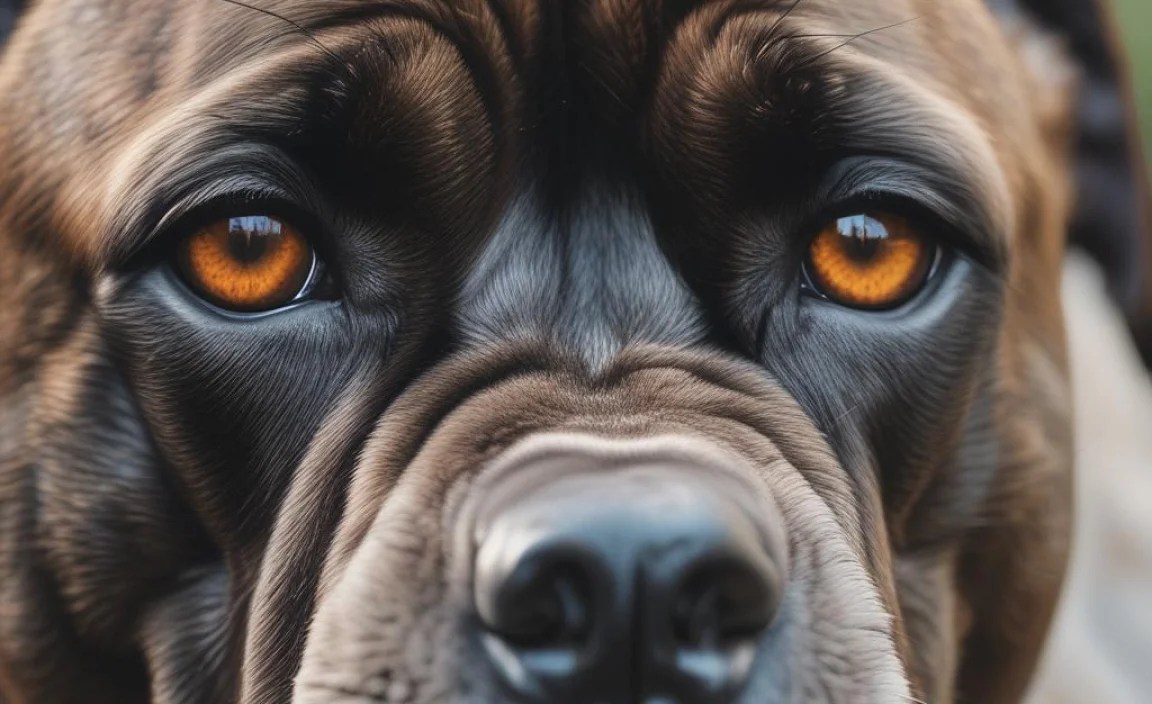
While many eye issues can affect any dog, certain predispositions are more common in specific breeds. For Cane Corsos, understanding these can help you be more vigilant.
Genetics and Predispositions
Cane Corsos, like many large and brachycephalic (short-nosed) breeds, can be genetically predisposed to conditions like entropion, ectropion, and cherry eye. Responsible breeders will screen their breeding stock for known genetic eye disorders to minimize the risk passed on to puppies.
It’s vital to discuss a puppy’s lineage and any known health clearances with your breeder. For example, conditions like Progressive Retinal Atrophy (PRA) have genetic components in many dog breeds, and awareness of this can guide your choices and veterinary care.
Lifespan and Eye Health
As Cane Corsos age, they can be more susceptible to age-related eye conditions such as cataracts and glaucoma, similar to humans. Regular veterinary check-ups become even more critical as your dog enters their senior years.
Maintaining overall health through proper nutrition and exercise can also indirectly support eye health. For instance, managing conditions like diabetes can prevent secondary complications like cataracts. The American Kennel Club provides breed information that can be helpful for owners.
Preventative Measures and Long-Term Eye Health

Proactive care is the best defense against many eye problems. Here are key strategies to ensure your Cane Corso’s eyes remain healthy for years to come.
Nutrition and Hydration
A balanced diet rich in essential vitamins and antioxidants plays a role in overall health, including eye health.
High-Quality Dog Food: Choose a reputable brand that provides a complete and balanced diet. Look for foods fortified with Omega-3 fatty acids, often derived from fish oil, which can support eye health.
Antioxidant-Rich Foods: Certain fruits and vegetables, when fed in moderation and as part of a healthy diet, can provide beneficial antioxidants. Examples include blueberries and carrots, but always consult your vet before adding significant new foods to your dog’s diet.
Adequate Water Intake: Ensure your Cane Corso always has access to fresh, clean water. Dehydration can affect all bodily systems, including the eyes.
Protective Gear and Environment
Protecting your dog from environmental hazards is crucial for preventing eye injuries.
Avoid Irritants: Keep your dog away from smoke, dust, and strong chemical fumes that can irritate their eyes.
Supervise Outdoor Activities: When your Cane Corso is running in thick brush, playing fetch, or engaged in other vigorous activities, be mindful of potential eye hazards like flying debris or pointy branches.
Consider Protective Eyewear: For certain activities like riding in a car with the windows down or during intense outdoor adventures, specialized dog goggles can offer protection from wind, dust, and debris. Brands like Doggles offer such products.
Regular Veterinary Check-ups
Consistent professional care is non-negotiable.
Annual Wellness Exams: These should always include a thorough eye examination by your veterinarian.
Follow-Up Care: Adhere strictly to any treatment plans prescribed by your vet, including administering all medications as directed.
Cane Corso Eye Care: A Practical Comparison Table
Understanding the difference between everyday care and signs that require veterinary intervention is key.
| Aspect of Care | Everyday/Home Care | Veterinary Intervention |
| :—————— | :—————————————————– | :———————————————————- |
| Observation | Daily look for redness, discharge, cloudiness. | Professional examination using specialized tools. |
| Cleaning | Gentle wiping with damp cloth/vet-approved wash. | May prescribe medicated washes or require sedation for deep cleaning/surgery. |
| Minor Irritation| Monitor, gentle cleaning. | May prescribe antibiotic/steroid drops or ointments. |
| Suspected Injury| Do not touch. Protect eye from further harm. | Immediate examination, diagnosis (e.g., ulcer, foreign body). |
| Discharge | Clear or slightly mucousy usually okay; monitor. | Yellow, green, bloody, or excessive discharge requires vet. |
| Eyelid Issues | Monitor for irritation; trim facial hair around eyes. | Diagnosis of entropion/ectropion; surgical correction often needed. |
| Vision Changes | Observe for bumping into objects, hesitation. | Diagnosis of cataracts, glaucoma, PRA; treatment/management plans. |
Frequently Asked Questions About Cane Corso Eye Care
Q1: How often should I clean my Cane Corso’s eyes?
A: You should check your Cane Corso’s eyes daily for any issues. Gentle cleaning is only necessary if you notice minor discharge or debris. Over-cleaning can sometimes cause irritation, so stick to cleaning only when needed and use a gentle technique.
Q2: My Cane Corso’s eyes are red and watery. Should I use human eye drops?
A: Never use human eye drops on your dog without consulting your veterinarian. Human medications can be harmful to dogs and may not treat the underlying cause of the redness and watering. It’s best to have your vet examine the eye to determine the cause and prescribe the correct medication.
Q3: What is the best way to trim hair around my Cane Corso’s eyes?
A: If your Cane Corso has long facial hair that might irritate their eyes, it’s important to keep it trimmed. Use blunt-tipped scissors and trim carefully, or have a professional groomer do it. The goal is to keep the hair from touching the eyeball or eyelid margins. Always be gentle and cautious.
Q4: Can a Cane Corso go blind from untreated eye infections?
A: Yes, untreated eye infections can lead to serious complications, including damage to the cornea and internal structures of the eye, which can unfortunately result in partial or complete vision loss and blindness.
Q5: Are there specific foods that are good for Cane Corso eye health?
A: A balanced diet rich in Omega-3 fatty acids, antioxidants, and vitamins can support overall eye health. Look for high-quality dog foods that include these nutrients. Some veterinarians may also recommend specific supplements, but always consult with them before adding anything to your dog’s diet.
Q6: If my Cane Corso develops cataracts, will they eventually be blind?
A: Not necessarily. Cataracts vary in severity, and some dogs can live with mild cataracts without significant vision loss. However, if cataracts progress and obscure vision substantially, blindness can occur. Surgical options can be considered in some cases to restore vision, performed by a veterinary ophthalmologist.
Conclusion
Keeping your Cane Corso’s eyes healthy is an ongoing commitment that pays dividends in your dog’s comfort and quality of life. By incorporating daily checks and gentle cleaning into your routine, understanding breed-specific predispositions, and knowing when to seek professional veterinary care, you are providing the best possible foundation for your loyal companion’s vision. Remember, early detection and consistent care are your most powerful tools in managing and preventing common Cane Corso eye health issues. Your dedication to their well-being is what makes you a great dog owner.


