Cane Corso eye care protection is vital for keeping your giant breed healthy and comfortable, preventing common issues like infections and irritations with simple, regular routines.
Welcome, fellow dog lovers! As a proud Cane Corso owner, you know these magnificent dogs are more than just pets; they’re loyal guardians and cherished family members. Like any of us, their eyes can be sensitive. Keeping them clear and comfortable is a big part of their overall health. It might sound complicated, but protecting your Cane Corso’s eyes is actually quite straightforward. We’ll walk through easy steps to keep those expressive eyes sparkling. You’ll learn how to spot potential problems early and what to do. Let’s dive into giving your Cane Corso the best eye care!
Cane Corso Eye Care Protection: Your Essential Dog Guide

The Cane Corso, with its majestic presence and devoted nature, deserves the best care. A crucial, often overlooked, aspect of their well-being is eye health. Their large size and prominent facial features can make them more susceptible to certain eye conditions. Regular attention to their eyes can prevent a host of discomforts and potential health issues. This guide is designed to be your go-to resource for beginner-friendly, actionable advice on Cane Corso eye care protection. We’ll cover everything from daily cleaning to recognizing signs of trouble.
Understanding Cane Corso Eye Anatomy and Common Concerns
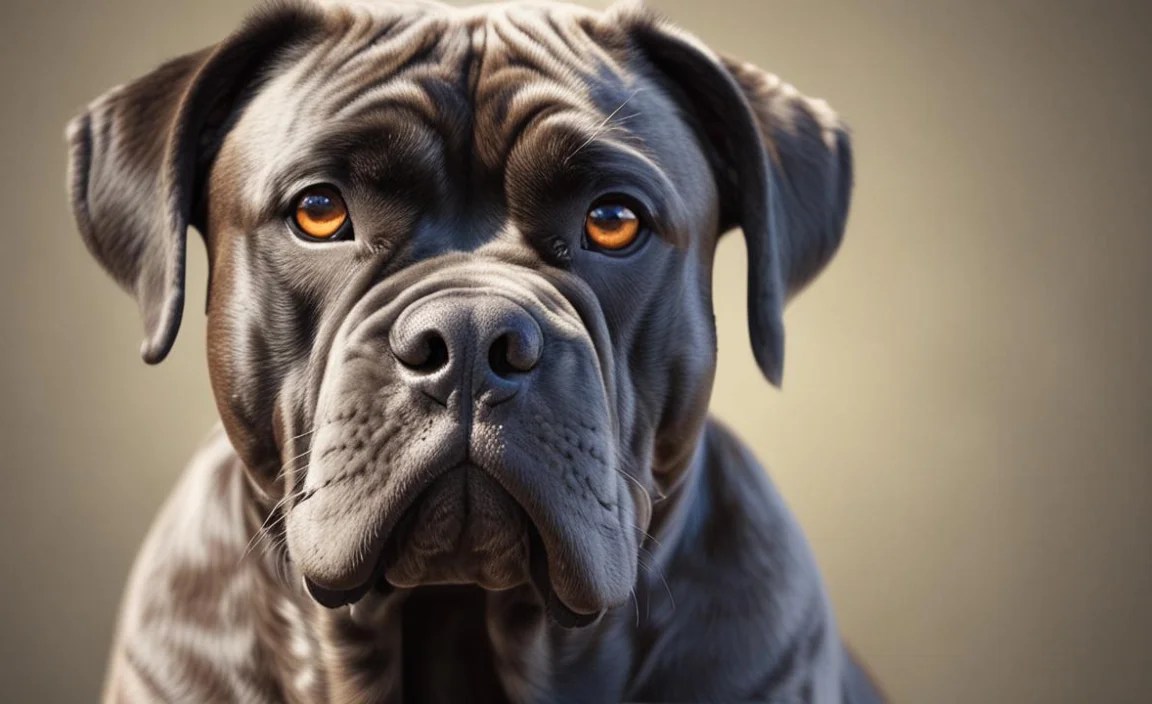
Before we jump into care, let’s briefly understand why Cane Corsos might need extra eye attention. Their breed characteristics, like loose facial skin and prominent eyes, can sometimes lead to issues.
Ectropion: This is when the eyelid droops outward, exposing the inner lining of the eyelid. This can allow irritants to get into the eye more easily and can cause dryness and inflammation.
Entropion: The opposite of ectropion, this is when the eyelid rolls inward, causing the eyelashes or fur to rub against the surface of the eye. This can be very uncomfortable and lead to corneal damage.
Cherry Eye (Adenoma of the Third Eyelid Gland): This condition involves the gland of the third eyelid popping out, looking like a red, cherry-like mass in the corner of the eye. It can affect tear production and lead to dry eye or infections.
Proptosis: This is a serious condition where the eyeball protrudes from the socket. It’s typically caused by trauma and requires immediate veterinary attention.
General Irritation: Like all dogs, Cane Corsos can get dust, debris, pollen, or even shampoo in their eyes, leading to redness and discomfort.
Knowing these can help you be more vigilant!
Daily Eye Care: The Foundation of Protection

Just like brushing your dog’s teeth or giving them a bath, daily eye checks are a simple yet powerful way to protect your Cane Corso. It doesn’t take much time, and becoming familiar with your dog’s normal eye appearance is key.
Step-by-Step Daily Eye Cleaning Routine
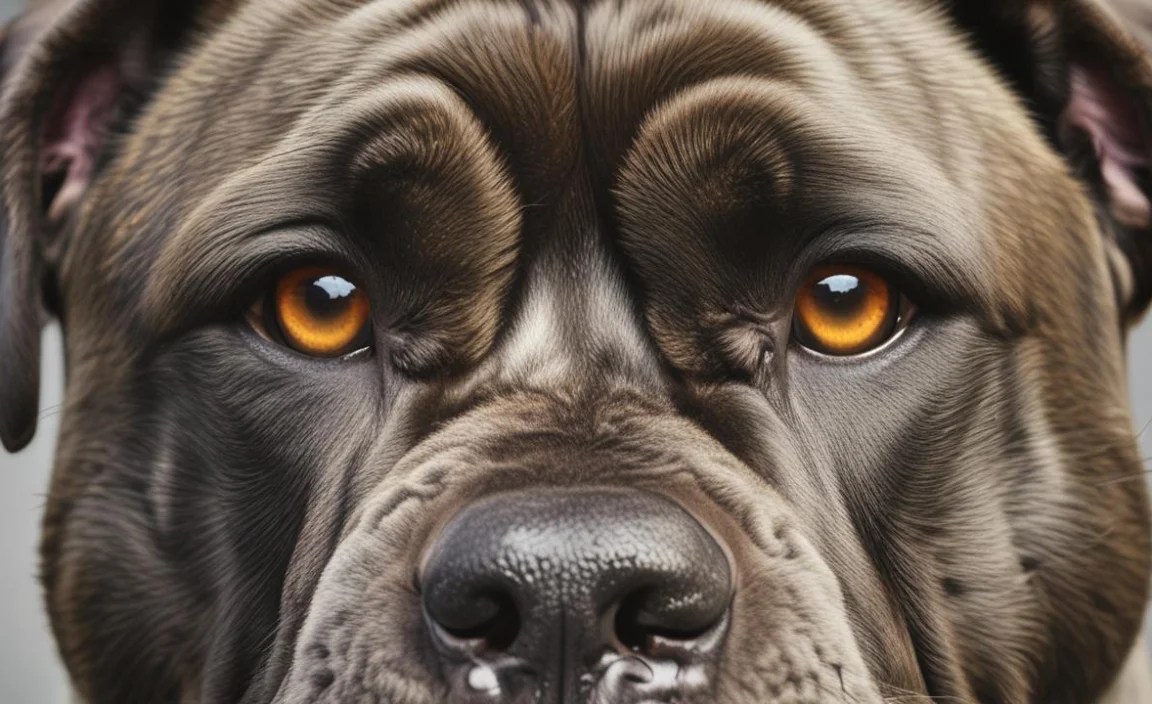
1. Gather Your Supplies:
Soft, clean cloths or cotton balls (fresh for each eye wipe).
Lukewarm water.
Veterinarian-approved sterile eye wash solution (optional, but recommended for mild cleans).
A calm and quiet environment.
2. Prepare the Area: Have your dog sit or lie down comfortably. Speak in a soothing voice to keep them relaxed.
3. Gentle Wiping:
Dampen a corner of a clean cloth or a cotton ball with lukewarm water or the approved eye wash.
Gently wipe away from the inner corner of the eye towards the outer corner.
Use a new cloth or cotton ball for each eye to prevent spreading any potential infection.
Carefully remove any visible gunk, discharge, or debris. Be very gentle – you are just wiping the surface.
4. Check for Redness or Swelling: While you’re there, take a quick look. Are the whites of their eyes bright? Is there any puffiness or unusual redness? Subtle changes are easier to spot when you’re doing this regularly.
5. Positive Reinforcement: Offer praise and a small treat afterward. This makes it a positive experience for your Cane Corso, so they’ll be more cooperative next time.
Key Tip: Never use harsh chemicals, rubbing alcohol, or peroxide. If you notice significant discharge, a change in color (like yellow or green), excessive tearing, squinting, or pawing at the eyes, it’s time to call your vet.
Recognizing the Signs of Eye Problems
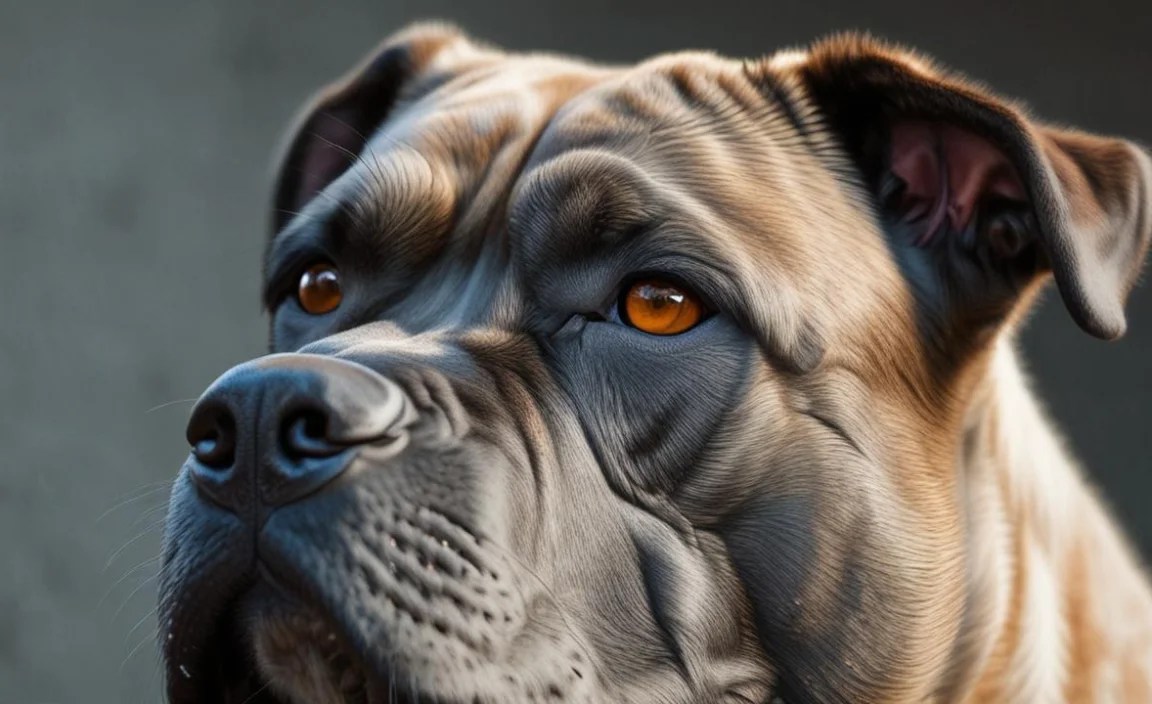
Early detection is crucial for effective treatment. Your Cane Corso can’t tell you when something is wrong, but their eyes will show you. Being observant is your superpower here!
Excessive Tearing (Epiphora): More tearing than usual, often leading to tear stains on their fur, especially under the eyes.
Discharge: Look for changes in the amount, color, or consistency of eye discharge. Clear and watery might be normal for a quick sweep, but thick, pus-like (yellow/green) discharge is a sign of infection.
Redness or Swelling: The whites of the eyes should be white. Redness, bloodshot appearance, or swelling around the eye or eyelids warrants a vet visit.
Cloudiness or Discoloration: The cornea (the clear front part of the eye) should be transparent. Any haziness, blue tint, or brown spots can indicate serious issues like cataracts or corneal ulcers.
Squinting or Blinking Excessively: This is often a sign of pain or irritation.
Rubbing Eyes: If your dog is constantly pawing at their eyes or your furniture/rugs, they are likely uncomfortable.
Sensitivity to Light (Photophobia): If your dog avoids bright lights or keeps their eyes closed in well-lit areas.
If you notice any of these signs, don’t wait. Schedule an appointment with your veterinarian promptly.
External Factors Affecting Cane Corso Eyes
Beyond routine cleaning, several external factors can impact your Cane Corso’s eye health, especially if you enjoy outdoor activities with them.
Protecting Eyes During Outdoor Adventures

Cane Corsos are active dogs, and their noses often lead them into all sorts of environments. While exploring, their eyes can encounter dust, sand, wind, and even UV radiation.
Wind and Dust: On windy days or in dusty areas, consider a well-fitting dog visor or goggles designed specifically for dogs. These can prevent irritants from blowing into their eyes. Brands like Rex Specs offer protective eyewear that can shield eyes from debris.
Sun Protection: While less common, prolonged exposure to intense sunlight can affect their eyes. Ensuring they have shaded areas to rest in during long outdoor excursions is beneficial.
Water Activities: During swimming or kayaking, water can carry irritants. A quick rinse with clean water or an approved eye wash after water sports can help. Be mindful not to splash water directly into their eyes too forcefully.
Yard Work and Gardening: If you’re gardening, especially with your dog nearby, be aware of flying dirt or plant debris. Keeping them a safe distance away or supervising them closely is important. Some plants can also be irritating if they get into the eyes.
The Role of Diet and Hydration

A healthy body starts from within, and that includes the eyes! Proper nutrition and hydration support overall health, including ocular health.
Omega-3 Fatty Acids: These can be beneficial for eye health. Foods rich in omega-3s, like certain fish oils, can help reduce inflammation. Always discuss supplements with your vet before introducing them into your dog’s diet.
Antioxidants: Vitamins A, C, and E are powerful antioxidants that can help protect eye cells from damage. A high-quality dog food formulated for large breeds will typically provide these nutrients.
Hydration: Dehydration can affect tear production, which is essential for keeping eyes moist and flushing out debris. Ensure your Cane Corso always has access to fresh, clean water.
Grooming and Its Impact on Eye Health

Grooming plays a surprisingly important role in keeping your Cane Corso’s eyes protected.
Facial Hair Trims: For breeds with longer facial hair around the eyes, regular, careful trimming can prevent hairs from growing into the eyes and causing irritation. Use blunt-tipped scissors and go slowly, or have a professional groomer handle this task to avoid accidental eye injuries.
Keeping the Face Clean: Regularly wiping away any drool or food debris from around the muzzle can prevent bacteria from transferring to the eyes.
Veterinary Care and When to Seek Professional Help

Your veterinarian is your most valuable partner in maintaining your Cane Corso’s health, including their vision.
Routine Veterinary Check-ups
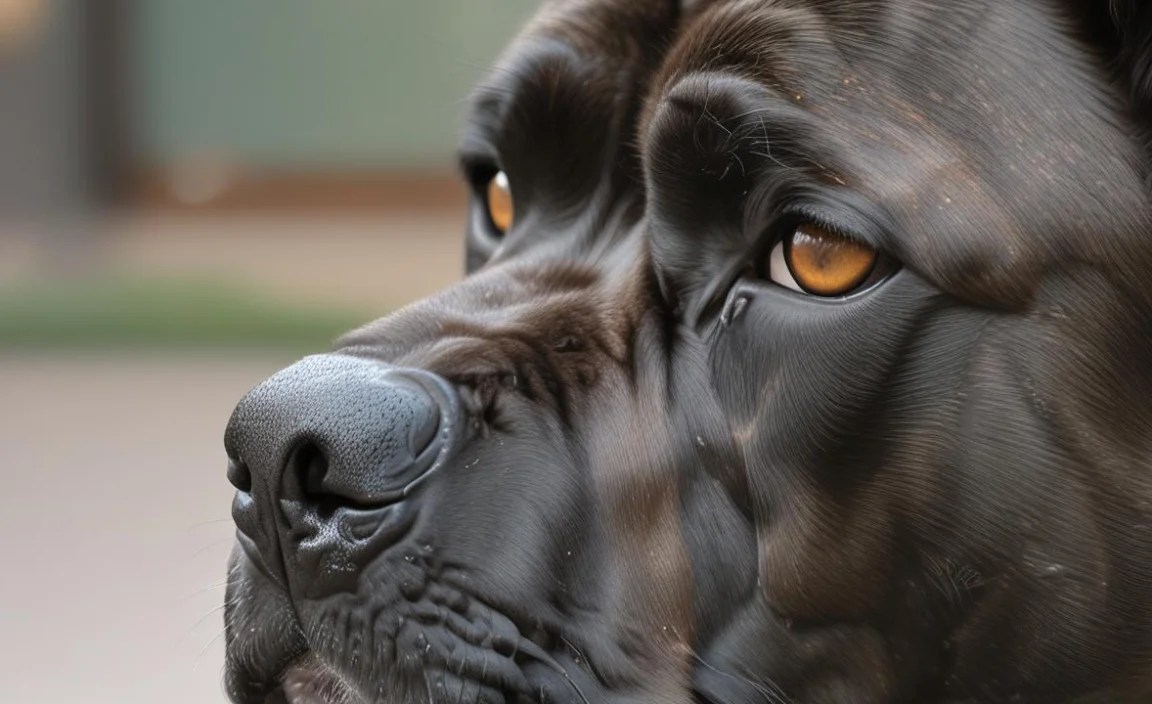
Regular vet visits (usually annually for adult dogs) are crucial. Your vet will perform a basic eye exam as part of the overall wellness check. This includes looking for:
Signs of common breed-specific issues (like ectropion or entropion).
Early signs of cataracts or other age-related changes.
Evidence of infection or inflammation.
Always mention any concerns you’ve noticed about your dog’s eyes during these appointments.
External Link: The American Veterinary Medical Association (AVMA) offers excellent resources on preventative care for pets. You can find general advice on their site, such as AVMA Pet Health Resources.
Common Eye Conditions Requiring Veterinary Treatment

Some eye issues are beyond simple home care and require professional intervention.
Conjunctivitis (Pink Eye): This is an inflammation of the conjunctiva, the clear membrane covering the white part of the eye and inner eyelids. It can be caused by allergies, irritants, or infections. Treatment often involves antibiotic or anti-inflammatory eye drops prescribed by your vet.
Corneal Ulcers: These are open sores on the surface of the cornea. They are often very painful and can be caused by scratches, infections, or conditions like entropion. Ulcers need prompt veterinary care to prevent scarring or vision loss.
Glaucoma: A condition where the pressure inside the eye increases, which can damage the optic nerve and lead to blindness. It can be hereditary or develop later. Symptoms include redness, cloudiness, and pain.
Cataracts: A clouding of the lens of the eye, which impairs vision. While some temporary cloudiness can be caused by inflammation, true cataracts are progressive. Surgery is often required for vision restoration.
How Vets Diagnose and Treat Eye Issues

Your vet has specialized tools and knowledge to diagnose eye problems:
Ophthalmoscope: Used to examine the back of the eye, including the retina and optic nerve.
Fluorescein Stain: A special dye applied to the eye that glows under a blue light. It helps detect corneal scratches or ulcers, as the dye will pool in any damaged areas.
Schirmer Tear Test (STT): Measures tear production to diagnose dry eye (keratoconjunctivitis sicca).
Tonometry: Measures intraocular pressure to diagnose glaucoma.
Treatment plans vary widely depending on the diagnosis and can include:
Topical Medications: Eye drops or ointments (antibiotics, anti-inflammatories, lubricants, glaucoma medications).
Oral Medications: For systemic infections or inflammation.
Surgery: For conditions like ectropion, entropion, cherry eye, or to remove cataracts.
Important Note: Never use old or leftover eye medications on your dog without consulting your vet, as they can worsen certain conditions or cause harm if used incorrectly.
A Comparison of Eye Care Approaches

To better understand the range of options and when to use them, let’s look at a comparison.
| Approach | Best For | Pros | Cons | When to Use |
|---|---|---|---|---|
| Daily Wiping with Water/Saline | General hygiene, removing mild debris, tear stains | Simple, non-invasive, inexpensive | May not be sufficient for infections or significant discharge | Daily routine, post-outdoor activity |
| Veterinarian-Approved Eye Wash | Mild irritation, flushing out minor irritants, daily cleaning | Gentle, formulated for eyes, can help soothe | Still requires a vet’s recommendation for specific products | Regular cleaning, after exposures (dust, pollen) |
| Prescription Eye Medications (Drops/Ointments) | Infections, inflammation, glaucoma, ulcers, dry eye | Targeted treatment, often highly effective | Requires veterinary diagnosis, potential side effects, cost | As prescribed by your vet for specific diagnosed conditions |
| Surgical Correction (Ectropion, Entropion, Cherry Eye) | Anatomical eyelid issues, persistent infections | Corrects underlying cause, long-term solution | Invasive, recovery time, cost, anesthesia risk | When recommended by a veterinary ophthalmologist |
| Dog Eye Protective Gear (Goggles/Visors) | Preventative measure during outdoor activities | Shields eyes from wind, dust, UV rays | Requires dog getting used to them, fit is crucial, not for all dogs | During hiking, car rides with windows down, beach trips |
Essential Tools for Cane Corso Eye Care
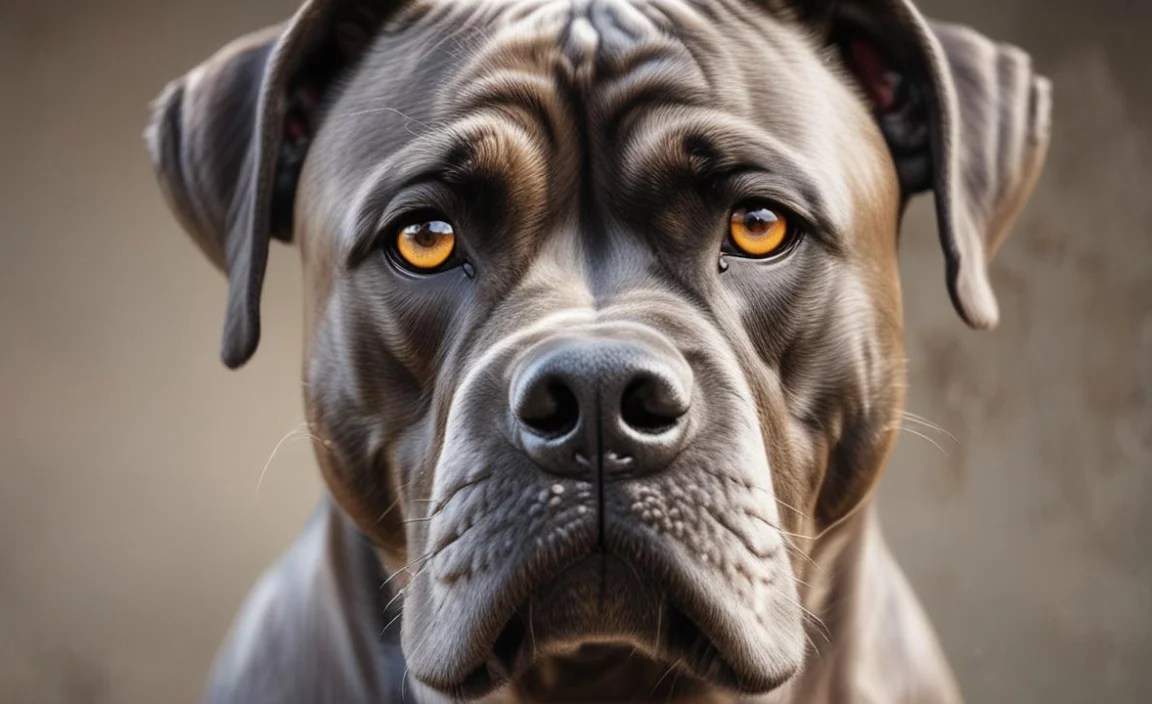
Having the right tools makes eye care easier and safer for both you and your giant companion.
Soft, Lint-Free Cloths or Cotton Balls: For gently wiping away discharge and debris. Look for soft materials that won’t irritate the eye.
Lukewarm Water: The simplest and safest cleaning solution for routine wipes.
Veterinarian-Recommended Sterile Saline or Eye Wash Solution: A great to have on hand for more thorough cleaning or when there’s mild irritation. Always get a recommendation from your vet. Brands like Opticlean (while an example, always consult your vet for the best product) can be useful, but a direct vet recommendation is best.
Blunt-Tipped Scissors (if grooming facial hair): For safely trimming hair around the eyes. Extreme caution is advised, or better yet, leave this to a professional groomer.
Dog Eye Goggles/Visors (Optional): For active dogs in dusty or windy conditions. Ensure a proper, comfortable fit.
* Treats: For positive reinforcement to make eye care a pleasant experience.
Frequently Asked Questions About Cane Corso Eye Care
Q1: How often should I check my Cane Corso’s eyes?

It’s best to check your Cane Corso’s eyes at least once a day. This allows you to spot any changes early and become familiar with what’s normal for your dog.
Q2: My Cane Corso’s eyes water a lot. Is this normal?

Some dogs, especially those with certain facial structures, may have a tendency towards more tearing. However, excessive tearing that leads to red, irritated skin, or is accompanied by a change in discharge color (yellow/green) should be checked by a vet to rule out underlying issues.
Q3: Can I use human eye drops on my dog?

No, you should never use human eye drops on your dog without explicit instruction from your veterinarian. Human medications can have different formulations and may contain ingredients that are harmful or ineffective for dogs, potentially worsening the condition or causing new problems.
Q4: What’s the best way to clean eye discharge from around my Cane Corso’s eyes?

Use a soft, damp cloth or cotton ball with lukewarm water to gently wipe away discharge. Always wipe away from the inner corner of the eye to the outer corner. Use a fresh cloth or cotton ball for each eye to prevent cross-contamination.
Q5: My Cane Corso scratched their eye. What should I do?

If you suspect your dog has scratched their eye, try to prevent them from rubbing it further. Gently cover the eye with a clean, soft cloth or gauze if possible. Contact your veterinarian immediately. Do not try to put any medication in the eye unless directed by your vet.
Q6: Are Cane Corsos prone to blindness?

While not an inherent breed trait for universal blindness, Cane Corsos can be susceptible to eye conditions that can lead to vision loss if left untreated, such as glaucoma, cataracts, and severe corneal damage from ulcers or untreated infections. Regular vet check-ups are key for early detection.
Q7: How can I protect my Cane Corso’s eyes when we go for car rides?

If your dog enjoys having their head out the window, consider dog goggles or a visor. This helps protect their eyes from wind, dust, and debris that can cause irritation or injury. If they don’t tolerate goggles, ensure the windows are only open enough to allow fresh air without excessive wind blast directly into their face.
Conclusion: A Lifetime of Clear Vision for Your Cane Corso
Caring for your Cane Corso’s eyes is an ongoing commitment, but it’s one that brings immense rewards. By incorporating simple daily checks and cleaning into your routine, staying observant for any changes, and knowing when to seek professional help, you can significantly contribute to your dog’s comfort and long-term health. Remember, a little proactive care goes a long way in preventing potential problems and ensuring those beautiful eyes remain healthy and bright for years to come. You’re doing a great job by seeking this information, and your Cane Corso can feel the love and dedication you put into


