Cane Corso eye care is essential for preventing common issues and ensuring your gentle giant enjoys a clear, comfortable life. Protecting their vision involves regular cleaning, monitoring for changes, and knowing when to seek professional help.
Caring for your Cane Corso’s eyes might seem a bit daunting, but it’s a really important part of keeping them happy and healthy. Sometimes, their beautiful big eyes can be prone to a few common issues, and knowing how to spot them and what to do can save you a lot of worry. We’re going to walk through how to keep those precious peepers in top shape, making sure your Cane Corso can see the world clearly for years to come. You’ll soon feel like an expert at spotting potential problems and providing the best care.
Why Cane Corso Eye Care is Crucial

Cane Corsos, with their noble presence and striking features, possess eyes that are not only expressive but also require specific attention. Their breed predispositions mean certain eye conditions are more common, making proactive care a necessity rather than an option. Ignoring routine eye care can lead to discomfort, vision impairment, and even more serious, costly health problems down the line. Understanding these risks and implementing simple, regular practices can make a world of difference in your dog’s overall well-being and quality of life.
The goal of proper Cane Corso eye care is to maintain their vision, prevent infections and irritations, and catch any developing issues early. This approach not only potentially saves on veterinary bills by addressing problems before they escalate but, more importantly, ensures your beloved companion remains comfortable and can fully enjoy their life with you.
Common Cane Corso Eye Concerns
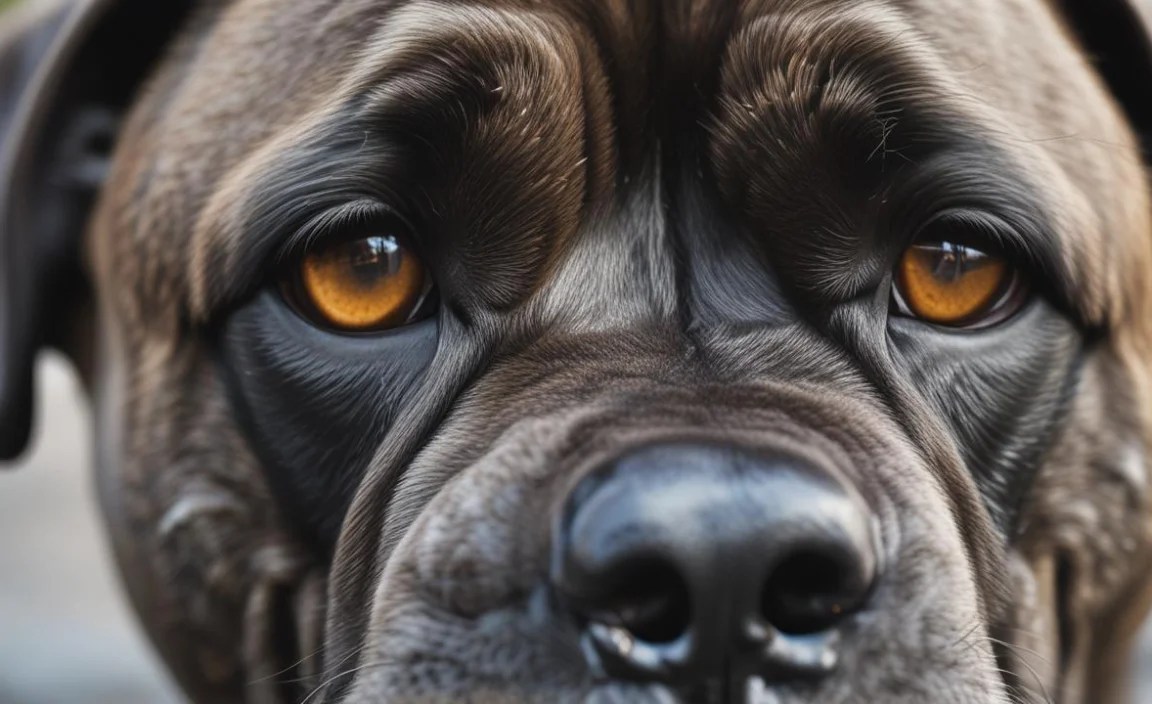
Cane Corsos, like many large breeds, can be susceptible to a few specific eye conditions. Being aware of these helps you know what to look for during your daily check-ins.
Entropion and Ectropion
These are conditions related to the eyelids where they either roll inward (entropion) or outward (ectropion).
- Entropion: When the eyelid rolls inward, eyelashes can rub against the surface of the eye. This can cause significant irritation, pain, and even corneal ulcers. You might notice your dog squinting, pawing at their eye, or having a generally weepy eye.
- Ectropion: This is when the eyelid rolls outward, exposing the delicate inner lining. This can lead to dryness and irritation of the eye, making it more vulnerable to infections and inflammation. A “droopy” lower eyelid is a common sign.
Both conditions can be genetic and are often addressed with surgery if they cause significant discomfort or damage. Early detection is key!
Cherry Eye (Prolapsed Nictitating Membrane)
This condition affects the third eyelid, which contains a tear gland. In some breeds, this gland can prolapse, appearing as a red, cherry-like mass in the corner of the eye. It can cause irritation and interfere with tear production. Treatment usually involves surgery to return the gland to its proper position. While not always painful, it can lead to complications if left unattended.
Distichiasis
Distichiasis occurs when extra eyelashes grow from the eyelid’s margin, often along the duct that produces tears. These extra lashes can then brush against the cornea, causing irritation and potential damage. Symptoms are similar to entropion, including squinting and excessive tearing. Treatment may involve manual removal of the offending lashes or surgical options to permanently remove them.
Pigmentary Keratitis
This is a condition where pigment (melanin) deposits on the surface of the cornea. It often starts as small brown or black spots and can progress to cover a significant portion of the cornea. While it doesn’t always affect vision, advanced cases can lead to blindness. It’s often a secondary condition triggered by chronic irritation, dryness, or other eye problems. Regular observation is vital for early intervention.
Dry Eye (Keratoconjunctivitis Sicca – KCS)
Some dogs, including certain Cane Corsos, may not produce enough tears to keep their eyes adequately lubricated. This dryness can lead to chronic inflammation, discomfort, and a higher risk of corneal infections and ulcers. Symptoms include a thick, mucousy discharge, redness, and a dull appearance to the eye. This condition requires lifelong management with medication such as cyclosporine or artificial tears.
Essential Cane Corso Eye Care Practices

Taking care of your Cane Corso’s eyes doesn’t require a veterinary degree. With a little patience and the right approach, you can easily incorporate these practices into your routine.
Daily Eye Checks
Make it a habit to look at your dog’s eyes every day. Do this when grooming or giving them treats. A quick glance is often all it takes to notice something amiss.
- What to look for: Redness, swelling, excessive tearing, squinting, unusual discharge (color or consistency), cloudiness, or any foreign objects.
- How to check: Gently lift your dog’s lip to expose the outer eye, and gently pull down the lower eyelid to see the inside. Look for any of the signs mentioned above.
Gentle Cleaning
Breeds with loose skin around the eyes, common in Cane Corsos, can sometimes accumulate debris or discharge. Regular, gentle cleaning helps prevent build-up and potential irritation.
- Materials: Use a soft, damp washcloth (use a clean part for each eye) or specialized pet eye wipes. Some vets recommend a very diluted saline solution for cleaning, but always check with your vet first.
- Technique: Gently wipe away any discharge or debris from the corner of the eye outwards. Be careful not to rub directly on the eyeball. If there’s a lot of discharge, a warm, damp compress can help loosen it before wiping.
Never use harsh chemicals, human eye drops, or anything not specifically approved for canine eye care.
Managing Eye Discharge
A small amount of clear or light mucous discharge is normal. However, if it’s thick, yellow, green, or excessive, it could indicate an infection or other problem.
- For normal discharge: Use a clean, damp cloth or pet wipe after each cleaning session.
- For problematic discharge: Consult your veterinarian. They can diagnose the cause and prescribe appropriate treatment, which might include antibiotic eye drops or ointments if an infection is present.
Protecting Eyes During Outdoor Activities
When you’re out and about with your Cane Corso, their eyes can be exposed to various elements. Protecting them is simple but effective.
- Sun Protection: While dogs have some natural protection, prolonged exposure to intense sun can be harsh. For very sensitive eyes or high-altitude activities, consider dog-specific goggles.
- Dust and Debris: In windy conditions, dusty environments, or while traveling with windows down, debris can easily get into their eyes. Consider using a protective spray formulated for dog eyes, or again, dog goggles can be a great solution.
- Water Activities: Chlorine in pools or saltwater can be irritating. Rinse your dog’s eyes with clean water after swimming.
Diet and Hydration
A healthy diet rich in antioxidants can support overall eye health. Ensure your Cane Corso has access to fresh water at all times to maintain proper hydration, which is crucial for tear production.
What to Do in Case of Eye Emergencies

Even with the best care, accidents happen. Knowing how to respond to an eye emergency can prevent further damage.
Immediate First Aid:
- DO NOT rub or touch the eye: This can worsen the injury or introduce infection.
- Rinse gently (if possible and safe): If there’s a foreign object that isn’t deeply embedded, you can try rinsing the eye very gently with a sterile, isotonic eyewash solution made for pets or a simple, clean saline solution (0.9% NaCl). Hold your dog’s head still and let the solution run from the inner corner of the eye outwards.
- Prevent further injury: If your dog is pawing at their eye or it appears very painful, you may need to use a (properly fitted) Elizabethan collar (cone) to prevent them from causing more damage.
- Contact your veterinarian IMMEDIATELY: For any sudden onset of pain, redness, discharge, swelling, cloudiness, or if you suspect a physical injury, call your vet or an emergency animal hospital right away.
When to Seek Veterinary Attention
It’s always better to be safe than sorry. Here are some clear indicators that your dog needs to see the vet:
- Sudden onset of redness or swelling.
- Excessive tearing that doesn’t stop after a few hours.
- Thick, colored discharge (yellow, green).
- Cloudy or opaque appearance of the eye.
- Visible injury to the eye or eyelid.
- Constant squinting or holding the eye shut.
- Your dog seems to be in pain or uncomfortable.
- Any change in vision.
Cane Corso Eye Care Products: What to Look For

When shopping for eye care products for your Cane Corso, quality and suitability are key. Always look for products specifically designed for dogs. Your veterinarian is the best source for recommendations tailored to your dog’s needs.
Recommended Products and Considerations:
| Product Type | What to Look For | Why It’s Important |
|---|---|---|
| Gentle Eye Wipes | Hypoallergenic, alcohol-free, pH-balanced, veterinarian-approved. | Effectively remove debris and discharge without irritating sensitive eye tissues. |
| Sterile Saline Solution or Eye Wash | 0.9% NaCl concentration, preservative-free if possible. | Safely rinse eyes to remove irritants or for general cleaning. Crucial for milder irritations. |
| Prescription Eye Medications (e.g., Cyclosporine, Antibiotics) | Prescribed by a veterinarian. Specific formulation for the diagnosed condition. | Treats specific conditions like dry eye, infections, or inflammation as directed by a professional. |
| Dog Goggles/Protective Eyewear | UVA/UVB protection, secure fit, comfortable padding, wide field of vision. Brands like Doggles are popular choices. | Shield eyes from sun, wind, dust, and debris during outdoor adventures. Essential for dogs with a history of eye issues or those participating in high-activity sports. |
Products to Avoid:
- Human eye drops: Unless specifically directed by your vet into a specific product, these can be too harsh or contain ingredients harmful to dogs.
- Rubbing alcohol or hydrogen peroxide: Never use these near your dog’s eyes. They are corrosive and will cause severe damage.
- Harsh soaps or shampoos: Ensure any cleaning products used near the face are dog-specific and very mild.
- DIY remedies: Unless recommended by your vet, avoid home remedies, as they can be ineffective or harmful.
Always remember to consult your veterinarian before introducing any new product to your dog’s routine, especially if they have existing eye conditions. They can guide you toward the safest and most effective options for your Cane Corso.
Preventative Measures Beyond Cleaning
Good eye care for your Cane Corso extends beyond just cleaning. It involves creating an environment and lifestyle that minimizes risks.
Regular Veterinary Check-ups
Annual or semi-annual veterinary visits are non-negotiable for large breeds like the Cane Corso. Your vet will perform a comprehensive eye examination as part of the general health check.
- Ophthalmic Exam: Vets can use specialized tools like an ophthalmoscope to examine the internal structures of the eye, check tear production, and assess for pressure changes.
- Early Detection: This is the most crucial aspect. Many eye conditions in dogs start subtly. Regular check-ups allow your vet to catch these issues when they are most treatable, often before you even notice symptoms.
- Breed-Specific Advice: Your veterinarian can provide tailored advice based on your dog’s age, health history, and breed predispositions.
For more in-depth eye care, consult organizations like the Orthopedic Foundation for Animals (OFA), which promotes responsible breeding practices and offers eye certification programs to screen for hereditary eye diseases.
Proper Grooming
Regular grooming helps keep the area around your dog’s eyes clean and free from irritants.
- Trimming facial hair: If your Cane Corso has long hair around their eyes that obstructs their vision or traps debris, a professional groomer or a careful owner can trim it. Ensure the hair is not cut too short to avoid irritation. Always use rounded-tip scissors for safety.
- Keeping Brachycephalic Features Clean: If your Cane Corso has a more brachycephalic (shorter) muzzle, there might be more folds or wrinkles around the eyes. These areas can trap moisture and debris, leading to skin irritation and potential eye infections. Gently cleaning these folds regularly is important.
Environmental Awareness
Be mindful of your dog’s surroundings, especially when they are young or have any existing eye sensitivities.
- Yard Safety: Ensure your yard is free from sharp objects, thorny plants, or anything that could cause accidental eye injury.
- Air Quality: In areas with poor air quality, high pollen counts, or a lot of dust, consider limiting your dog’s outdoor exposure during peak times, or ensure their eyes are cleaned afterwards.
- Travel Safety: When traveling in a car, avoid letting your dog hang their head directly out of the window, as this exposes their eyes to significant wind, dust, and debris.
Nutrition for Eye Health
A balanced diet is fundamental for overall health, including eye health. Certain nutrients play a vital role:
- Antioxidants: Vitamins E and C, as well as carotenoids like lutein and zeaxanthin, are powerful antioxidants that help protect eye cells from damage.
- Omega-3 Fatty Acids: Found in fish oil, these can help reduce inflammation and support the tear film that lubricates the eye.
- Bilberry Extract: Some studies suggest bilberry can have benefits for eye circulation and health.
Always feed a high-quality dog food formulated for large breeds. Discuss any specific supplements with your veterinarian to ensure they are appropriate and safe for your Cane Corso.
Understanding Cane Corso Eye Care Costs: “For Sale” Considerations
When searching for “Cane Corso eye care for sale,” it’s crucial to understand what this entails. It’s not about buying a specific “eye care package” for the breed, but rather about investing in the necessary products, services, and potential treatments to maintain their eye health. The “for sale” aspect refers to the tangible items and professional services you need to purchase.


