Cane Corso eye care from adoption is crucial for their health and well-being. Ensuring clean eyes, proper diet, and regular vet check-ups prevents common issues, safeguarding your new companion’s sight and comfort. Early attention leads to a happier, healthier Cane Corso.
Welcoming a Cane Corso into your home is an exciting time! These magnificent dogs, known for their loyalty and protective nature, are a joy to have around. As you embark on this new journey, a vital part of ensuring your Cane Corso thrives is understanding their specific needs, especially when it comes to their eyes. Proper eye care from the very beginning can prevent discomfort and potential vision problems down the line. It’s a simple yet incredibly impactful aspect of welcoming your new furry family member. Are you ready to learn how to keep those noble Cane Corso eyes sparkling and healthy?
Cane Corso Eye Care: An Essential Adoption Guide
Bringing home a Cane Corso is a big decision, and their health should be a top priority. While these impressive dogs are known for their strength and intelligence, their eyes can be prone to certain issues. As a new owner, understanding how to care for your Cane Corso’s eyes is key to their overall well-being and a happy life together. This guide will walk you through everything you need to know, from initial adoption to daily care.
Understanding Cane Corso Eyes
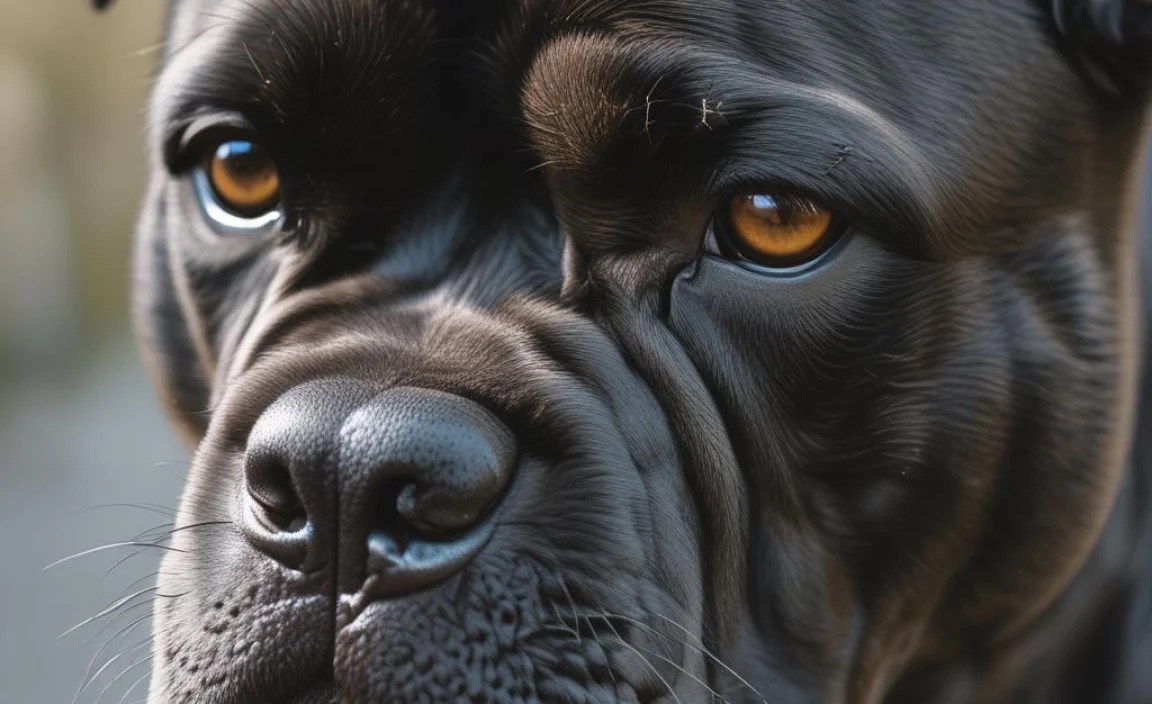
Cane Corsos are a breed with a noble appearance, and their eyes are a significant part of that. They often have dark, almond-shaped eyes that convey a look of alertness and intelligence. However, certain physical characteristics of the breed can make them more susceptible to eye concerns.
Common Eye Conditions in Cane Corsos
Like many large breeds, Cane Corsos can be predisposed to specific eye conditions. Awareness is the first step to prevention and early detection.
- Entropion: This is a condition where the eyelid rolls inward, causing the eyelashes to rub against the surface of the eye. This can lead to irritation, pain, and damage to the cornea.
- Ectropion: The opposite of entropion, ectropion occurs when the eyelid rolls outward, exposing the sensitive inner surface of the eyelid and the eye. This can lead to dryness and irritation due to increased exposure to the elements.
- Cherry Eye (Third Eyelid Gland Prolapse): The third eyelid contains a gland that can prolapse, appearing as a red, cherry-like mass in the corner of the eye. If left untreated, it can lead to dryness and infection.
- Distichiasis: This involves extra eyelashes that grow from abnormal spots on the eyelid margin. These extra lashes can irritate the eye’s surface.
- Conjunctivitis (Pink Eye): Inflammation of the conjunctiva, the membrane lining the eyelid and covering the white part of the eye, can be caused by allergies, infections, or irritants.
It’s important to note that while these conditions can occur, not every Cane Corso will develop them. Regular observation and proactive care can make a significant difference.
Essential Eye Care Practices for Your New Cane Corso

Once you’ve adopted your Cane Corso, establishing a routine for their eye care is essential. This isn’t complicated and can become a simple part of your daily interaction with your dog.
Daily Eye Cleaning and Inspection
This is the cornerstone of good eye hygiene for your Cane Corso. Making it part of your daily grooming routine ensures you catch any issues early.
What you’ll need:
- Soft, lint-free cloths or cotton balls (use a separate one for each eye)
- Lukewarm water or a veterinarian-approved canine eye wash solution
How to do it:
- Prepare: Dampen a clean cloth or cotton ball with lukewarm water or the recommended eye wash. Wring it out so it’s moist, not dripping wet.
- Gentle Wipe: Gently wipe away any discharge or debris from the corners of your dog’s eyes. Start from the inner corner and wipe outwards.
- Use a Fresh Cloth: Always use a clean cloth or cotton ball for each eye to prevent cross-contamination if one eye has an infection.
- Observe: While cleaning, take a moment to look closely at your dog’s eyes. Check for redness, excessive tearing, cloudiness, or any signs of irritation.
This simple practice can help remove irritants like dust and pollen, preventing them from causing further issues.
Recognizing Signs of Eye Problems
Your Cane Corso can’t tell you when something is wrong, so you need to be their eyes! Vigilance is key.
Look out for:
- Excessive Tearing (Epiphora): More tears than usual, often leading to staining on their face.
- Redness or Swelling: The whites of the eyes or the surrounding skin looking inflamed.
- Squinting or Blinking Excessively: This indicates discomfort or pain.
- Cloudiness or Discoloration: Any change in the clarity or color of the iris or pupil.
- Pus or Thick Discharge: A yellow or green discharge.
- Rubbing or Pawing at the Eyes: A clear sign that something is bothering them.
- Sensitivity to Light: Your dog may try to avoid bright areas.
If you notice any of these signs, it’s time to consult your veterinarian.
Diet and Nutrition for Healthy Eyes

What you feed your Cane Corso plays a significant role in their overall health, including the health of their eyes. A balanced diet provides the nutrients essential for maintaining good vision and supporting eye tissue.
Key Nutrients for Eye Health
Certain vitamins and antioxidants are particularly beneficial for canine eye health. Ensure your dog’s food is formulated to include these:
- Vitamin A: Crucial for vision, especially in low light conditions, and for maintaining the health of eye tissues.
- Vitamin E: A powerful antioxidant that helps protect cells from damage.
- Vitamin C: Another antioxidant that supports eye health and can help reduce the risk of cataracts.
- Omega-3 Fatty Acids: Found in fish oil, these can help reduce inflammation and support retinal health.
- Antioxidants like Lutein and Zeaxanthin: These carotenoids are found in the retina and act as natural filters against harmful light, protecting eye cells.
When choosing a high-quality dog food for your Cane Corso, look for brands that specifically mention these nutrients or have a balanced formulation for large breeds. You can also discuss dietary supplements with your veterinarian if you have concerns about your dog’s intake or specific eye health needs.
For more information on canine nutrition from a reputable source, the American Veterinary Medical Association (AVMA) offers excellent guidance.
When to Visit Your Veterinarian
Regular veterinary check-ups are non-negotiable for any dog, and your Cane Corso is no exception. Your vet is your best partner in ensuring your dog’s long-term health.
Routine Check-ups
During routine wellness exams, your veterinarian will perform a thorough physical examination, which includes checking your dog’s eyes. They can identify early signs of conditions you might miss and advise on preventative measures.
When to Seek Immediate Veterinary Care
Some eye issues are emergencies and require immediate attention. Don’t hesitate to contact your vet if you observe:
- Sudden vision loss or blindness.
- A visibly injured eye.
- Severe eye pain, indicated by constant squinting, crying, or keeping the eye fully closed.
- Sudden changes in the appearance of the eye, such as significant swelling or deformation.
- Any foreign object lodged in the eye.
Discussing Breed-Specific Concerns
When you adopt a Cane Corso, have an open discussion with your veterinarian about the breed’s predispositions to eye conditions like entropion or ectropion. They can explain what to watch for and may recommend specific examinations or preventative treatments.
Grooming and Environment for Eye Health

Beyond daily cleaning, certain grooming habits and environmental factors can impact your Cane Corso’s eye health. Creating a comfortable and safe environment minimizes risks.
Professional Grooming and Eye Area Care
While you’ll handle daily cleaning, professional grooming can also contribute to eye health. Groomers can help manage the hair around your dog’s eyes, preventing it from growing into and irritating them. Always ensure your groomer is experienced with large breeds and gentle around the face.
Protecting Eyes from Environmental Irritants
The world can be tough on canine eyes! Be mindful of:
- Dusty or Windy Conditions: If you’re in a dusty park or experiencing high winds, try to limit your dog’s exposure or keep them closer to you.
- Chemicals: Be cautious with cleaning products, pesticides, or fertilizers in your home and yard. Ensure your dog doesn’t come into contact with them, especially while they are still wet.
- Eye Protection for Adventures: For dogs who join you on outdoor adventures, consider protective eyewear like Doggles, especially for activities like car rides with windows down, motorcycle rides, or hiking in harsh conditions. This can be found at reputable pet supply retailers.
Training and Socialization: The Role in Eye Health

While not directly related to physical eye care, how your Cane Corso is trained and socialized can indirectly influence their comfort with handling and their overall stress levels, which can manifest in various ways, including their eyes.
Handling and Desensitization
As a puppy, and even as an adopted adult dog, gently handling your Cane Corso’s face and eyes can make future examinations or treatments easier. Reward calm behavior. This makes necessary eye cleaning and vet visits much less stressful for both you and your dog.
Managing Stress and Anxiety
A stressed or anxious dog may exhibit behaviors like excessive blinking or rubbing their eyes. Ensuring your Cane Corso feels secure, receives proper exercise, and enjoys positive training experiences can contribute to their overall emotional well-being, which can reflect in their physical health.
The American Kennel Club (AKC) provides valuable resources on puppy socialization, which is foundational for a well-adjusted dog.
Choosing the Right Pet Insurance
Eye conditions, especially those requiring surgery or long-term medication, can be costly. Pet insurance can provide a financial safety net.
When choosing a policy, consider:
- Coverage for Hereditary Conditions: Since Cane Corsos can be prone to certain eye issues, look for insurance that covers hereditary and congenital conditions.
- Annual Limits and Deductibles: Understand the financial terms of the policy.
- Waiting Periods: Be aware of any waiting periods before coverage for specific conditions begins.
- Exclusions: Read the policy carefully to understand what is not covered.
It’s wise to explore options from reputable pet insurance providers like Pets Best or Trupanion to find a plan that best suits your needs.
Cane Corso Eye Care: A Sample Checklist for New Owners
To help you get started, here’s a checklist to guide you through the initial stages of Cane Corso eye care adoption:
| Task | When to Do It | Notes |
|---|---|---|
| Schedule a Vet Visit | Within 72 hours of adoption | Comprehensive health check, discuss breed-specific needs, including eyes. |
| Purchase Supplies | Before or immediately after adoption | Lint-free cloths, vet-approved eye wash. |
| Begin Daily Eye Cleaning | Immediately upon adoption | Gentle wiping, observe for changes. |
| Observe for Problem Signs | Daily, ongoing | Redness, discharge, squinting, pawing. |
| Review Food Ingredients | Upon choosing food | Ensure it contains essential eye nutrients (Vit A, E, Omega-3s). |
| Practice Face Handling | Daily, ongoing | Gentle touch, positive reinforcement. |
| Research Pet Insurance | Within the first month | Compare policies covering hereditary conditions. |


