
Cane Corso breeder facts reveal these dogs are powerful, loyal, and require knowledgeable handling. Understanding their history, temperament, exercise needs, and training is crucial for responsible ownership, ensuring a well-adjusted companion.
So, you’re considering welcoming a Cane Corso into your life, or perhaps you already share your home with one of these magnificent giants? It’s natural to want the best for your powerful and devoted canine friend. Sometimes, finding clear, trustworthy information can feel a bit like searching for a lost squeaky toy – a little frustrating!
Many new owners wonder about the best ways to understand, train, and care for a Cane Corso, especially when you hear stories about their strength and protective nature. Don’t worry! We’re here to break down everything you need to know from a breeder’s perspective, making it easy to provide a happy and healthy life for your Cane Corso. Get ready to discover the essential facts that will help you become the best Cane Corso owner you can be!
Understanding the Cane Corso: A Breeder’s Perspective
When breeders talk about Cane Corsos, they’re often discussing a breed with a rich history and a distinct set of characteristics. These dogs aren’t just pets; they are guardians with deep loyalty and a strong protective instinct. Originally from Italy, the Cane Corso (Mastiff Italiano) was bred to be a farm dog, guarding property and livestock, and also serving as a hunting companion. This heritage has shaped their courage, intelligence, and physical presence.
As a large, muscular breed, a Cane Corso’s needs are different from those of smaller dogs. Breeders emphasize that potential owners must be prepared for their size, energy levels, and their innate desire to be close to their family. They are not dogs that do well being left alone for long periods. Their intelligence also means they need mental stimulation, not just physical exercise.
A responsible breeder sees the Cane Corso as a serious commitment. They are looking for owners who understand the breed’s needs and are willing to invest the time in proper socialization, consistent training, and adequate exercise. This isn’t a breed for the faint of heart or the inexperienced owner who isn’t prepared for a large, powerful dog that forms a very strong bond with its family.
Key Cane Corso Traits: What Breeders Want You to Know

Breeders often highlight several core traits that define the Cane Corso. Understanding these will help you know if this breed is the right fit for your lifestyle and experience level.
1. Loyalty and Affection
One of the most prominent Cane Corso facts breeders will tell you is their incredible loyalty. They form deep bonds with their families and are often described as “velcro dogs” because they want to be where their people are. This deep affection makes them wonderful companions, but it also means they crave interaction and can develop separation anxiety if left alone too much.
2. Protective Instincts
Their history as guard dogs means Cane Corsos have a natural protective instinct. They are generally wary of strangers but are typically calm and observant rather than overtly aggressive. This trait makes early and consistent socialization absolutely vital. A well-socialized Cane Corso will learn to distinguish between a genuine threat and a harmless visitor, behaving accordingly.
3. Intelligence and Trainability
Cane Corsos are highly intelligent. This is a double-edged sword for trainers and owners. They learn quickly, which can make training a rewarding experience. However, their intelligence also means they can become bored easily and may develop undesirable behaviors if not challenged mentally. Consistent, positive reinforcement training is key. They respond best to clear leadership and firm, fair boundaries, but never harsh punishment.
4. High Energy and Exercise Needs
Despite their size, Cane Corsos are not always couch potatoes. While they enjoy relaxing with their families, they require significant daily exercise to stay healthy and happy. This includes brisk walks, playtime, and opportunities to run in a secure area. Without adequate exercise, they can become restless and may channel their energy into destructive or boisterous behaviors.
5. Physical Presence and Strength
Cane Corsos are large, powerful dogs. Breeders will always stress the importance of respecting their physical strength. This means having the ability to handle them confidently, especially during walks or when encountering other dogs. Proper training and early socialization help ensure they are well-behaved in public and around people.
The Importance of Socialization for Cane Corsos
Socialization is arguably the most critical aspect of raising a well-adjusted Cane Corso, and breeders emphasize this from day one. It’s the process of exposing your puppy to a wide variety of sights, sounds, people, and other animals in a positive way. This helps them grow into confident, well-mannered adult dogs who are comfortable in different environments.
When to Start Socialization
The critical socialization window for puppies is between 3 and 16 weeks of age. During this period, puppies are most receptive to new experiences. For Cane Corsos, this period is crucial for shaping their future temperament.
How to Socialize Your Cane Corso Puppy
- Introduce New People: Invite friends and family over, ensuring they interact gently with your puppy. Expose your puppy to people of different ages, appearances, and mobility levels.
- Encourage Dog Meetings: Arrange carefully supervised playdates with vaccinated, friendly, adult dogs. Puppy classes are also an excellent resource.
- Explore Various Environments: Take your puppy to different places – parks (once fully vaccinated), pet-friendly stores, quiet streets. Let them see and hear everyday things like traffic, lawnmowers, and bicycles.
- Positive Experiences are Key: Ensure all new experiences are positive and not overwhelming. If your puppy seems scared, back off and try again later from a distance. Reward calm behavior with treats and praise.
- Handling and Grooming: Get your puppy used to being touched all over, including their ears, paws, and tail. This makes vet visits and grooming much easier.
Failure to socialize a Cane Corso properly can lead to suspicion, timidity, or reactivity towards unfamiliar people and animals. Breeders often share stories of how crucial this early period is for managing the breed’s natural protective instincts and ensuring they are confident, not fearful.
Training Your Cane Corso: A Foundation for Success

Cane Corsos are intelligent and eager to please their owners, but their strength and protective nature mean training must be consistent and firm, yet always positive and fair. Breeders agree that this breed thrives with clear leadership.
Essential Training Principles
- Start Early: Begin basic obedience training as soon as you bring your puppy home.
- Positive Reinforcement: Use rewards like treats, praise, and toys to encourage desired behaviors. This builds trust and makes training fun for your dog.
- Consistency is Key: Everyone in the household should use the same commands and follow the same rules.
- Short, Frequent Sessions: Puppies and young dogs have short attention spans. Keep training sessions brief (5-10 minutes) but frequent throughout the day.
- Leash Training: Given their strength, proper leash manners are non-negotiable. Teach your Cane Corso to walk politely beside you without pulling from an early age.
- “Leave It” and “Drop It”: These commands are vital for safety, helping to prevent your dog from picking up and ingesting dangerous items.
Specialized training might also be beneficial, especially for first-time owners. Consider enrolling in obedience classes or working with a professional dog trainer who has experience with large, powerful breeds. A well-trained Cane Corso is a confident and well-behaved companion.
Basic Obedience Commands for Cane Corsos
Here’s a look at some fundamental commands and why they’re important for your Cane Corso:
| Command | Why it’s Important | How to Teach (Basics) |
|---|---|---|
| Sit | Foundation for impulse control. Teaches the dog to focus on you before receiving a reward. | Hold a treat near the dog’s nose, move it up and slightly over their head, their rear should naturally lower. Reward as they sit. |
| Stay | Crucial for safety, especially around distractions or when greeting people. | Ask for a “Sit,” then hold a flat hand towards the dog and say “Stay.” Take one step back. If they remain, return and reward. Gradually increase distance and duration. |
| Come (Recall) | Potentially life-saving. Ensures your dog returns to you when called, even when distracted. | Start in a quiet, enclosed space. Say “Come” in a happy tone and back away, enticing them with a treat or toy. Reward enthusiastically upon arrival. |
| Down | A more relaxed position, useful for settling and giving the dog a break. | From a “Sit,” lure the dog’s nose down towards the floor and slightly forward with a treat. Reward when they lie down. |
| Leave It | Prevents your dog from picking up or touching something you don’t want them to have. | Place a low-value treat on the floor and cover it with your hand. When your dog stops trying to get it, say “Leave It” and reward them with a different, higher-value treat from your other hand. Gradually progress to visible treats. |
Remember to always end training sessions on a positive note, even if it’s just a simple command your dog knows well. This keeps them motivated and eager for the next training opportunity.
Feeding Your Cane Corso: Nutrition for a Growing Giant
Responsible breeders understand that proper nutrition is the bedrock of a healthy Cane Corso. Their large size and rapid growth phase mean they have specific dietary needs.
Choosing the Right Food
Look for high-quality puppy and adult food formulas specifically designed for large breeds. These formulas typically have controlled levels of calcium and phosphorus, which are crucial for healthy bone and joint development in giant breeds. They also often contain glucosamine and chondroitin to support joint health.
A good diet should include a balanced mix of proteins, fats, carbohydrates, vitamins, and minerals. The first ingredient should be a named meat source (e.g., chicken, beef, lamb). Avoid foods with fillers like corn, wheat, or soy as the primary ingredients, as some dogs can be sensitive to these.
Key Nutritional Considerations for Cane Corsos
- Protein: Essential for muscle development. Look for foods with around 25-30% protein for puppies, and 23-28% for adults.
- Fat: Provides energy and supports healthy skin and coat. Aim for 12-18% fat content.
- Calcium & Phosphorus: Critical for bone growth, especially in puppies. The ratio should be carefully balanced, as too much of either can lead to skeletal problems in large breeds.
- Omega-3 & Omega-6 Fatty Acids: Promote healthy skin and a shiny coat.
It’s also important to feed your Cane Corso the correct amount. Overfeeding can lead to obesity, which puts undue stress on developing joints and organs. Always follow the feeding guidelines on your chosen food bag, but adjust based on your dog’s individual activity level and body condition.
Feeding Schedule
Puppies (under 6 months): Generally need 3-4 meals per day.
Puppies (6-12 months): Can transition to 2-3 meals per day.
Adults (over 12 months): Typically do well with 2 meals per day.
It’s best to feed your Cane Corso twice a day to help prevent bloat, a serious condition more common in deep-chested breeds. Avoid strenuous exercise for at least an hour before and after meals.
Consult your veterinarian or a breeder for specific recommendations on the best diet for your individual dog, especially if they have any health concerns or allergies. You can find more information on canine nutrition from reputable sources like the American Veterinary Medical Association (AVMA).
Health and Longevity: What Breeders Watch For
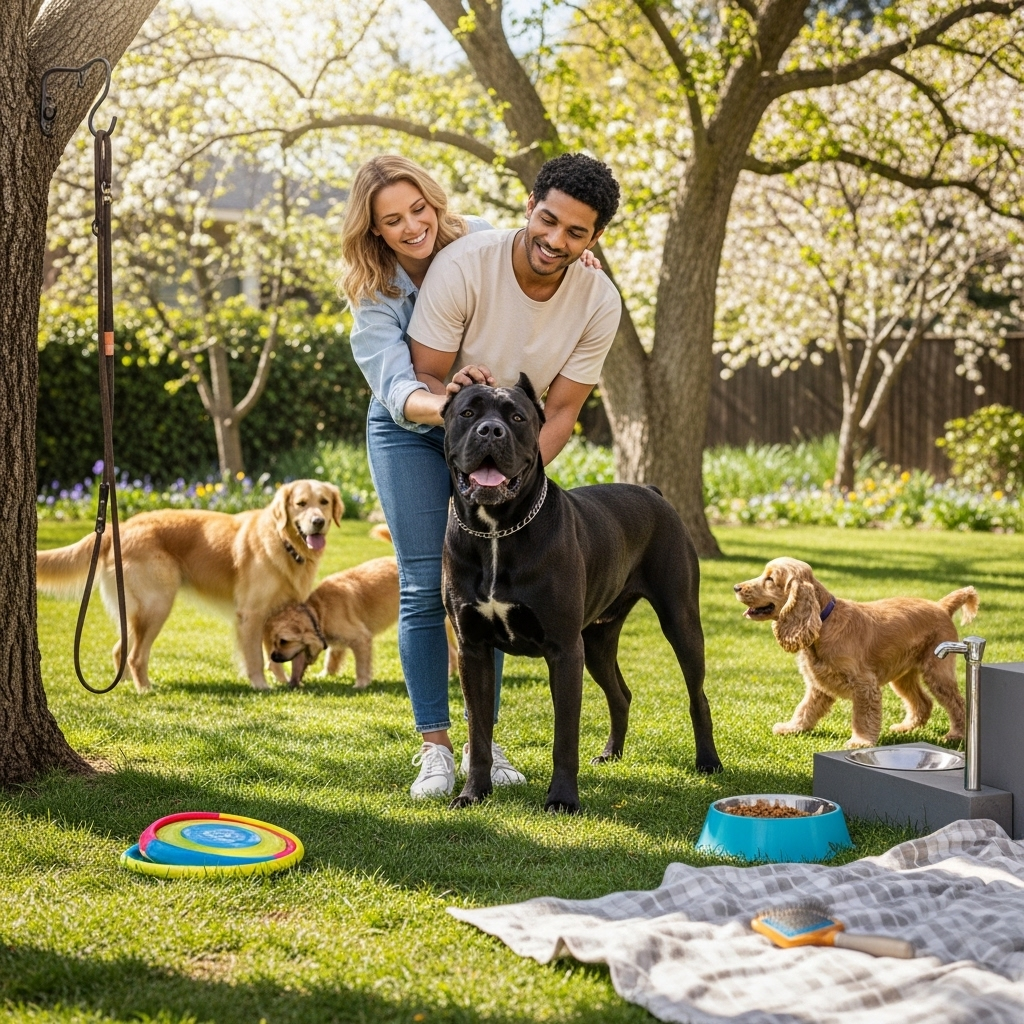
Breeders are deeply invested in the health of the Cane Corso breed. While generally robust, they can be prone to certain genetic conditions. Awareness and proactive care can significantly contribute to a long and healthy life for your dog.
Common Health Concerns
Hip and Elbow Dysplasia: Like many large breeds, Cane Corsos can be susceptible to these developmental conditions of the joints. Responsible breeders screen their breeding stock for these issues.
Bloat (Gastric Dilatation-Volvulus or GDV): A life-threatening condition where the stomach twists. Feeding smaller meals twice a day, avoiding exercise immediately before or after eating, and potentially prophylactic gastropexy surgery can help reduce risk.
Eye Conditions: Entropion (eyelids rolling inward) and ectropion (eyelids rolling outward) can occur. Again, reputable breeders will health-test their dogs for these.
Heart Conditions: Conditions like subvalvular aortic stenosis (SAS) can affect the breed.
Skin Allergies: Some Cane Corsos can be prone to environmental or food allergies.
The Role of the Breeder in Health
A reputable breeder will:
- Perform health clearances on their breeding dogs for conditions prevalent in the breed. This includes orthopedic evaluations (OFA or PennHIP for hips/elbows) and cardiac screenings.
- Provide documentation of these health tests.
- Be transparent about any potential health concerns in their lines.
- Offer a health guarantee in their puppy contract.
- Be available to you throughout your dog’s life to answer health-related questions.
Regular veterinary check-ups are essential. Your vet can help monitor for early signs of health issues and provide guidance on preventative care, vaccinations, and parasite control. A healthy lifestyle, including appropriate diet, exercise, and weight management, also plays a huge role in your Cane Corso’s longevity.
Exercise and Enrichment: Keeping Your Cane Corso Engaged
Breeders know that a bored Cane Corso can become a destructive Cane Corso. Providing ample physical and mental stimulation is key to a happy, well-behaved guardian.
Physical Exercise Needs
Daily Walks: Aim for at least two brisk walks a day, each lasting 30-60 minutes. These walks should provide opportunities for sniffing and exploring, not just pavement pounding.
Playtime: Engage in fetch, tug-of-war (with rules!), or other games in a securely fenced yard.
Off-Leash Running: If you have access to a safe, enclosed space, allow your Cane Corso to run freely. This is invaluable for burning off energy.
Mental Stimulation and Enrichment
Mental exercise is just as important as physical exercise for intelligent breeds like the Cane Corso.
- Puzzle Toys: Food-dispensing toys and puzzle feeders can keep your dog occupied for hours and challenge their problem-solving skills.
- Training Sessions: Short, fun training sessions throughout the day, focusing on new tricks or reinforcing old commands, provide excellent mental work.
- Nose Work Games: Hide treats around the house or yard and encourage your dog to find them using their nose.
- Chew Toys: Provide safe, durable chew toys to satisfy their natural urge to chew and relieve stress.
- Flirt Pole Training: This can be a great way to engage their prey drive in a controlled manner.
A good rule of thumb is that a well-exercised dog is a well-behaved dog. If you notice destructive chewing, excessive barking, or restlessness, your Cane Corso might not be getting enough stimulation.
Finding a Reputable Cane Corso Breeder

The journey to finding a Cane Corso begins with finding the right breeder. This is a critical step that can set you up for a lifetime of happy companionship or preventable problems. Breeders who care about the breed’s future invest heavily in health testing, temperament selection, and responsible practices.
What to Look For in a Breeder
**Health Testing: They perform genetic health screenings on their breeding dogs and can show you proof of these tests (like OFA certifications for hips and elbows, and cardiac evaluations).
Temperament: They select breeding dogs not just for appearance but also for stable, confident temperaments. They spend time socializing their puppies.
Knowledgeable: They can answer all your questions about the breed, their dogs, and their practices. They also ask you many questions to ensure you are a good fit for their puppies.
Transparency: They are open about their practices, the health history of their lines, and potential challenges.
Clean Facilities: Their dogs and puppies are kept in clean, safe, stimulating environments.
Contract: They offer a written contract that typically includes a health guarantee and a clause requiring you to return the dog to them if you can no longer care for it.
References: They can provide references from satisfied puppy buyers.
Red Flags to Watch Out For
“Backyard Breeders” or Puppy Mills: If they seem more interested in making money than the welfare of their dogs, or if dogs appear unhealthy or poorly housed.
Lack of Health Testing: If they dismiss health testing or cannot provide documentation.
Selling Puppies Without Seeing Them: Reputable breeders want to meet potential buyers.
Selling Multiple Breeds: While some individuals may responsibly own and breed multiple breeds, if they have numerous breeds available at all times, it can be a sign of a larger operation with less focus on specific breed standards and health.
* No Contract or Guarantees.
Finding a good breeder takes time and research. Don’t be afraid to ask questions and visit the