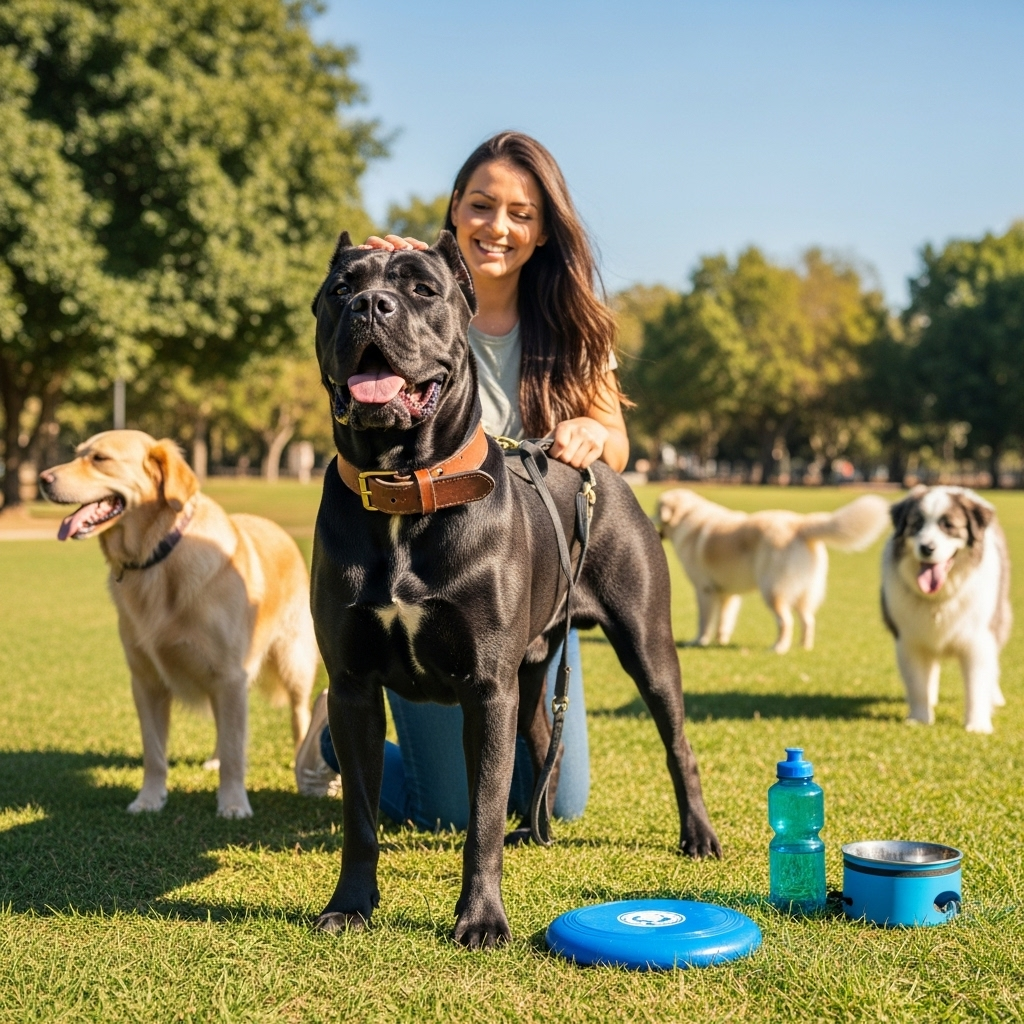
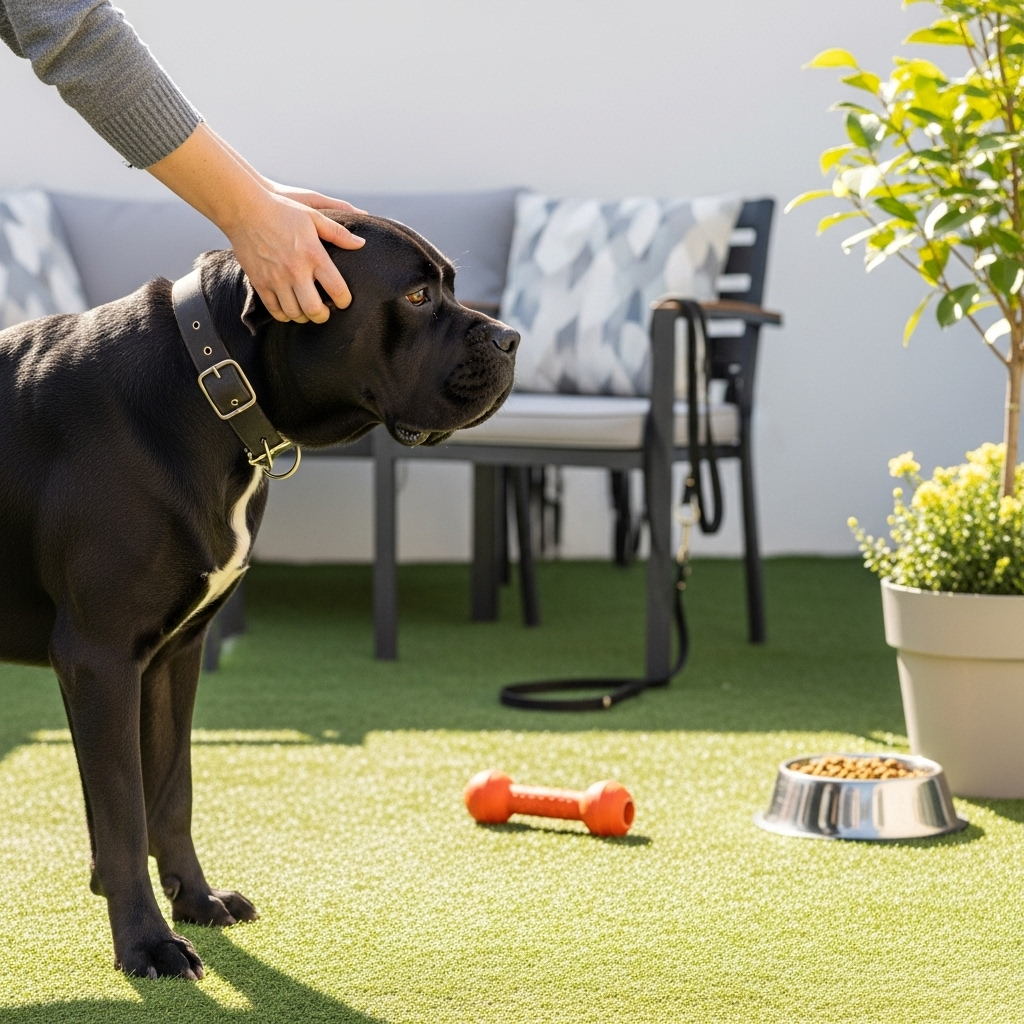
Cane Corso care secrets are straightforward: provide consistent training, proper socialization, a balanced diet, regular exercise, and dedicated grooming for a happy, healthy giant companion.
Owning a Cane Corso can be an incredibly rewarding experience. These majestic dogs are known for their loyalty, protective nature, and striking appearance. However, like any powerful breed, they require specific knowledge to thrive. Are you wondering how to best care for your Cane Corso?
Many new owners feel a bit overwhelmed by their size and strength, but understanding their needs is simpler than you might think. This guide will walk you through the essential care secrets, making responsible ownership enjoyable and stress-free. Let’s dive into what makes a Cane Corso a happy and well-adjusted member of your family!
Cane Corso Facts: Essential Care Secrets for a Majestic Companion
The Cane Corso is a large, muscular dog breed that originated in Italy. Historically used as estate guardians and for hunting large game, they possess a natural instinct to protect. Their name, derived from the Latin “Cohors,” meaning guardian or protector, perfectly encapsulates their role. Today, they are beloved family pets, known for their devotion and courage. However, their powerful build and inherent protective instincts mean they require experienced handling and consistent, loving care. Understanding key Cane Corso facts is the first step to ensuring your gentle giant leads a fulfilling life by your side.
Understanding the Cane Corso Temperament
Cane Corsos are often described as confident, intelligent, and deeply loyal. They form strong bonds with their families and can be particularly affectionate with children, provided they are properly socialized from a young age. Their guarding instincts are strong, making them naturally wary of strangers. This doesn’t mean they are aggressive; rather, they are observant and will alert their families to anything they perceive as unusual.
Key temperament traits include:
Loyalty: Devoted to their families, often forming a strong one-person or one-family bond.
Protective: Natural guardians with a strong instinct to protect their home and loved ones.
Intelligent: Eager to please and trainable, but can also be independent thinkers.
Calm and Confident: When well-socialized and trained, they are generally steady and composed.
Affectionate: Despite their imposing size, they can be very loving and enjoy close family interaction.
It’s crucial to remember that a Cane Corso’s temperament is a product of both genetics and environment. Early socialization and consistent, positive training are paramount in shaping a well-adjusted dog.
The Importance of Early Socialization
For a Cane Corso, socialization isn’t just a good idea; it’s essential. Exposing your puppy to a wide variety of sights, sounds, people, and other well-behaved dogs during their critical developmental period (roughly 3 to 16 weeks) helps them grow into confident, well-mannered adult dogs. Without proper socialization, their natural guarding instincts can become exaggerated, leading to potential fearfulness or excessive suspicion towards unfamiliar stimuli.
Here’s how to socialize your Cane Corso puppy effectively:
Controlled Introductions: Arrange meetings with calm, vaccinated adult dogs who are known to be good-natured.
Variety of People: Introduce your puppy to people of different ages, appearances, and with varying levels of mobility.
New Environments: Take your puppy to different safe places – parks (once fully vaccinated), quiet streets, friends’ homes.
Novel Stimuli: Let them hear different noises (traffic, vacuums, thunderstorms at a low volume), see different objects, and experience different textures.
Positive Reinforcement: Ensure all experiences are positive by offering treats, praise, and maintaining a calm demeanor yourself.
Websites from organizations like the American Kennel Club (AKC) provide excellent breed-specific information, including recommended socialization practices.
Training Your Cane Corso: Consistency is Key
Cane Corsos are intelligent and capable of learning a great deal. However, their powerful presence and independent streak mean that training must be firm, consistent, and steeped in positive reinforcement. Harsh methods can be counterproductive, potentially leading to fear or aggression.
Basic Obedience Training:
Start with basic commands like “sit,” “stay,” “come,” and “down” as soon as your puppy settles into their new home. Use reward-based methods, such as praise, treats, and play, to encourage desired behaviors. Keep training sessions short, engaging, and fun to maintain your dog’s interest.
Leash Training:
Given their strength, proper leash manners are non-negotiable. A Cane Corso that pulls excessively can be a safety hazard. Start leash training early, rewarding your puppy for walking calmly beside you without pulling. Consider using a front-clip harness or a head halter initially, if needed, for better control. You can find excellent resources on humane training techniques from organizations like the ASPCA.
Advanced Training & Guardianship:
Beyond basic obedience, consider advanced training or even canine sports. This provides mental stimulation and further strengthens your bond. Due to their guarding nature, ensure that any training reinforces controlled, appropriate responses rather than unchecked reactivity.
What Not to Do:
Never use physical punishment: This can damage your relationship and create fear.
Avoid inconsistency: Mixed signals confuse your dog and hinder learning.
Don’t skip socialization: This is vital for a well-adjusted dog.
Nutrition: Fueling Your Gentle Giant
Proper nutrition is fundamental for the health and well-being of any dog, and particularly for large breeds like the Cane Corso, which are prone to specific health issues like hip and elbow dysplasia. A balanced diet supports their strong musculature, healthy bones, and overall vitality.
Choosing the Right Food:
Look for high-quality dog food specifically formulated for large breeds. These foods typically have controlled levels of calcium and phosphorus to support skeletal development and a moderate calorie count to prevent excessive weight gain, which can exacerbate joint problems.
Key components to look for in a good food:
High-quality protein source: (e.g., chicken, lamb, beef) as the first ingredient.
Adequate fat content: For energy and a healthy coat.
Glucosamine and chondroitin: To support joint health.
Controlled mineral levels: Essential for large breed development.
Feeding Schedule:
Puppies: Young Cane Corsos grow rapidly and require multiple small meals per day (3-4) during their first year.
Adults: Once mature (around 18-24 months), two balanced meals per day are usually sufficient.
What to Avoid:
Table Scraps: Many human foods are toxic to dogs (e.g., chocolate, onions, grapes) and can lead to digestive upset.
Overfeeding: Obesity puts immense strain on a Cane Corso’s joints and organs. Always follow feeding guidelines and adjust based on your dog’s activity level and body condition.
Low-Quality Fillers: Foods with excessive corn, wheat, or soy as primary ingredients may not provide optimal nutrition.
Consult with your veterinarian about the best diet for your individual Cane Corso, especially if they have any specific health concerns.
Exercise Needs: Balancing Energy and Joint Health
Cane Corsos are active dogs, but their size requires a careful approach to exercise to protect their developing joints and prevent overexertion. They need regular physical activity to stay healthy, prevent boredom, and channel their energy constructively.
Puppies (Under 18 Months):
Gentle Exercise: Avoid strenuous activities like long-distance running, jumping from heights, or excessive stair climbing, as these can harm their growing bones and joints.
Short, Frequent Playtime: Several short walks (10-15 minutes) and play sessions throughout the day are ideal.
Mental Stimulation: Puzzle toys and short training sessions are excellent for keeping young minds active without overworking their bodies.
Adult Cane Corsos:
Daily Walks: Aim for at least two moderate walks per day, totaling 45-60 minutes.
Activities: Engage in activities like fetch (on soft surfaces), swimming, or supervised play with other dogs.
Avoid Overexertion: Be mindful of hot weather, as Cane Corsos can be susceptible to heatstroke. Never push them beyond their limits.
A good rule of thumb for exercise is the “5-minute rule”: puppies should not exercise continuously for more than 5 minutes per month of age, up to twice a day. So, a 6-month-old puppy could have two 30-minute sessions a day.
Grooming: Keeping Your Cane Clean and Comfortable
The Cane Corso has a short, dense coat that is relatively easy to maintain. Regular grooming not only keeps them looking good but also provides an excellent opportunity to check for any skin issues, parasites, or injuries.
Brushing:
Frequency: Brush your Cane Corso 1-2 times per week. During shedding seasons (typically spring and fall), you might need to brush more frequently.
Tools: A slicker brush or a grooming mitt works well for removing loose hair and distributing natural oils, keeping their coat shiny.
Bathing:
Frequency: Bathe your Cane Corso only when necessary – usually when they are visibly dirty or start to smell. Over-bathing can strip their coat of natural oils, leading to dry skin.
Products: Use a dog-specific shampoo to avoid skin irritation.
Nail Care:
Trimming: Trim your dog’s nails regularly, typically every 2-3 weeks. If you can hear their nails clicking on the floor, it’s time for a trim. Use dog nail clippers or a grinder.
Checking: Regularly inspect paws for any cuts, abrasions, or foreign objects.
Ear and Eye Cleaning:
Ears: Check your Cane Corso’s ears weekly for redness, odor, or debris. Clean them gently with a veterinarian-approved ear cleaner.
Eyes: Wipe away any discharge from the corners of their eyes with a damp cloth.
Dental Hygiene:
Brushing: Brush your dog’s teeth several times a week using dog-specific toothpaste and a toothbrush. This helps prevent dental disease.
Health Considerations for Cane Corsos
While generally a robust breed, Cane Corsos are prone to certain health conditions. Being aware of these potential issues can help you provide the best preventative care and recognize symptoms early.
Common Health Concerns:
Hip and Elbow Dysplasia: This is a common condition in many large breeds, where the hip or elbow joint doesn’t develop properly. Responsible breeders screen their dogs for these conditions. Proper nutrition, controlled exercise, and maintaining a healthy weight are crucial for managing joint health.
Bloat (Gastric Dilatation-Volvulus – GDV): This is a life-threatening condition where the stomach fills with gas and can twist. Feeding smaller meals, avoiding exercise immediately before or after eating, and considering a gastropexy surgery can reduce the risk.
Eye Conditions: Entropion (eyelids rolling inward) and ectropion (eyelids rolling outward) can occur.
Heart Conditions: Dilated Cardiomyopathy (DCM) is a concern in some large breeds.
Allergies: Skin allergies can manifest as itching, redness, and ear infections.
Preventative Care:
Regular Vet Check-ups: Annual or semi-annual visits are essential for health monitoring and early detection of issues.
Vaccinations and Parasite Control: Keep your dog up-to-date on vaccinations and year-round parasite prevention (fleas, ticks, heartworm).
Responsible Breeding: If purchasing a puppy, choose a reputable breeder who performs health clearances on their breeding dogs. Organizations like the Cane Corso Association of America (CCAA) may offer health resources.
Maintain a Healthy Weight: Obesity significantly worsens many orthopedic issues.
Here’s a quick overview of common Cane Corso health concerns and management strategies:
| Health Concern | Description | Management/Prevention |
|---|---|---|
| Hip & Elbow Dysplasia | Abnormal development of the hip/elbow joint. | Screened breeding dogs, controlled exercise, healthy weight, joint supplements (glucosamine, chondroitin). |
| Bloat (GDV) | Stomach fills with gas and can twist. | Feed small meals, avoid exercise around meal times, consider gastropexy surgery. |
| Eye Conditions (Entropion/Ectropion) | Eyelids roll inward or outward. | Regular eye checks, surgery if severe. |
| Allergies | Skin sensitivities to food or environmental factors. | Consult vet for diagnosis, hypoallergenic diets, medication, regular grooming. |
Training Tools and Gear for Your Cane Corso
Having the right tools can make training and daily life with your Cane Corso much safer and more effective. Their strength and size mean sturdy, reliable equipment is a must.
Essential Gear:
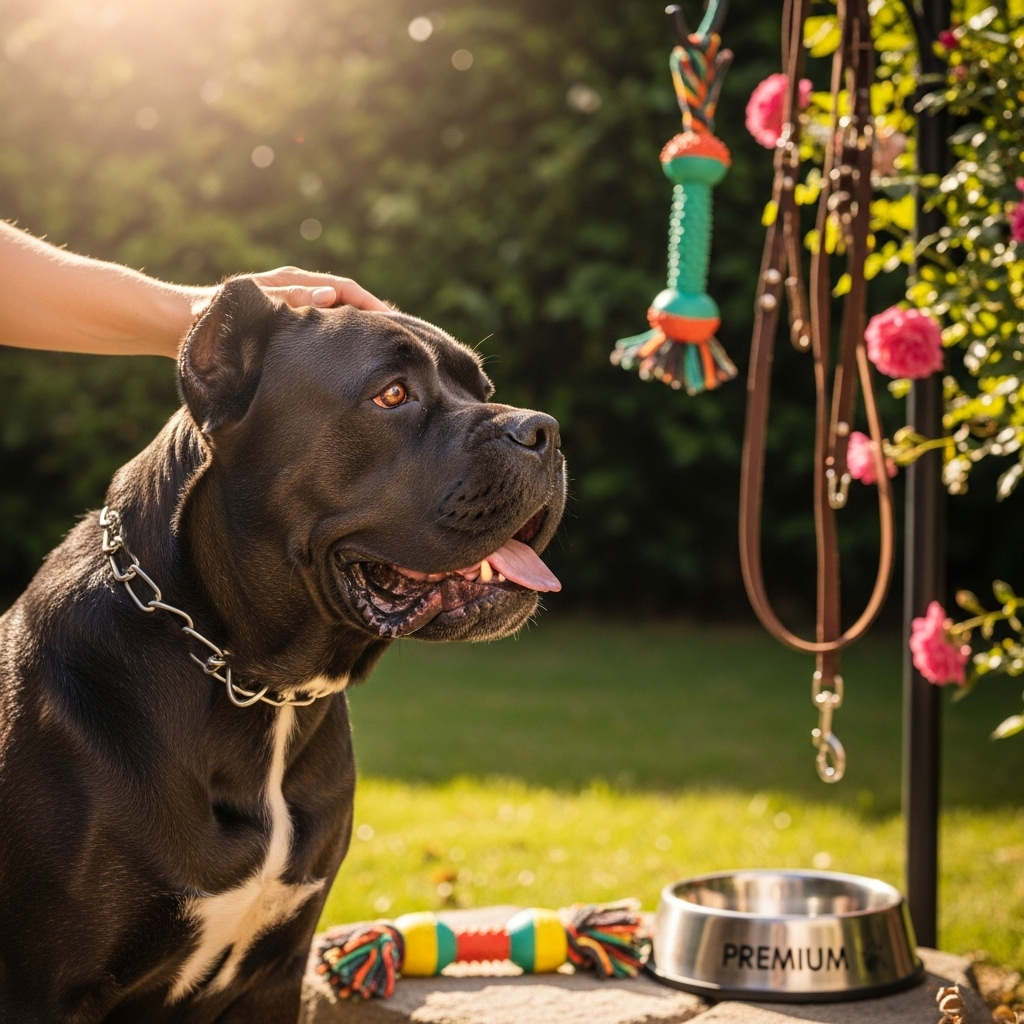
High-Quality Collar and Leash: A sturdy, flat buckle collar or martingale collar (if needed for control, but use cautiously with large breeds) is suitable. A standard 6-foot nylon or leather leash is recommended for walks. Avoid retractable leashes, as they offer less control.
Harness: For dogs that pull, a well-fitting, durable harness can be beneficial. Front-clip harnesses can help redirect pulling by gently turning the dog back towards you.
Crate: A sturdy metal crate provides a safe den for your dog and is invaluable for house-training and travel. Ensure it’s large enough for them to stand up, turn around, and lie down comfortably.
Food and Water Bowls: Stainless steel or ceramic bowls are easy to clean and durable. Elevated feeders can be helpful for some large breeds, but discuss this with your vet, as the science on their benefit for preventing bloat is mixed.
Grooming Supplies: As mentioned earlier, a good slicker brush or grooming mitt, dog-specific shampoo, nail clippers or grinder, and dog toothbrush/paste.
Interactive Toys: Durable chew toys (like Kongs), puzzle toys, and basic fetch toys will help keep your Cane Corso mentally stimulated and engaged.
Training Aids (Use with Caution and Knowledge):
Clicker: For positive reinforcement training, a clicker can be used to mark desired behaviors.
Treat Pouch: Essential for keeping training treats easily accessible during walks and training sessions.
Head Halter (e.g., Gentle Leader): Can be highly effective for managing strong pullers, but requires proper introduction and fitting.
Always research any training tool thoroughly and consider consulting a professional positive reinforcement trainer to ensure you are using them effectively and humanely. Resources from organizations like the Companion Animal Psychology offer insights into various training aids.
Integrating Your Cane Corso into Outdoor Activities
Cane Corsos can be wonderful companions for outdoor adventures, provided their needs and limitations are respected. Their stamina and strength make them suitable for various activities, but their size and health considerations must be kept in mind.
Dog-Friendly Activities:
Hiking: On moderate trails, a healthy adult Cane Corso can be a great hiking partner. Always ensure they are leashed, have access to water, and are protected from extreme weather.
Swimming: Many Cane Corsos enjoy swimming. It’s an excellent low-impact exercise. Always supervise them closely, even if they are strong swimmers.
Park Visits: Trips to dog-friendly parks for supervised play can be very beneficial, but ensure your dog is well-socialized and the environment is safe.
Camping: With proper gear and preparation, Cane Corsos can be excellent camping companions, offering a sense of security.
Safety Precautions:
Leash Laws: Always adhere to local leash laws and regulations.
Water Access: Carry plenty of fresh water, especially on longer outings.
Weather: Be aware of heat and cold. Avoid strenuous activity during extreme temperatures. Cane Corsos can be sensitive to heat due to their thick bodies.
First-Aid Kit: Carry a basic pet first-aid kit for minor injuries.
Identification: Ensure your dog wears ID tags and is microchipped in case they get lost.
Remember to always introduce new activities gradually and monitor your dog for any signs of stress or fatigue.
Frequently Asked Questions About Cane Corso Care
Q1: How much exercise does a Cane Corso need daily?
A1: Adult Cane Corsos typically need about 45-60 minutes of moderate exercise per day, split into two sessions. This can include brisk walks, playtime, or swimming. Puppies require shorter, more frequent, and gentler activity.
Q2: Are Cane Corsos good with children?
A2: Yes, Cane Corsos can be very good with children, but only if they are well-socialized from puppyhood and properly trained. Constant supervision during interactions between dogs and young children is always recommended, regardless of breed.
Q3: What is the best food for a Cane Corso puppy?
A3: Choose a high-quality, large-breed puppy food that is specifically formulated to support skeletal growth. Look for balanced calcium and phosphorus levels and ingredients like glucosamine and chondroitin. Consulting your veterinarian for a specific recommendation is always a good idea.
**Q4: How often should