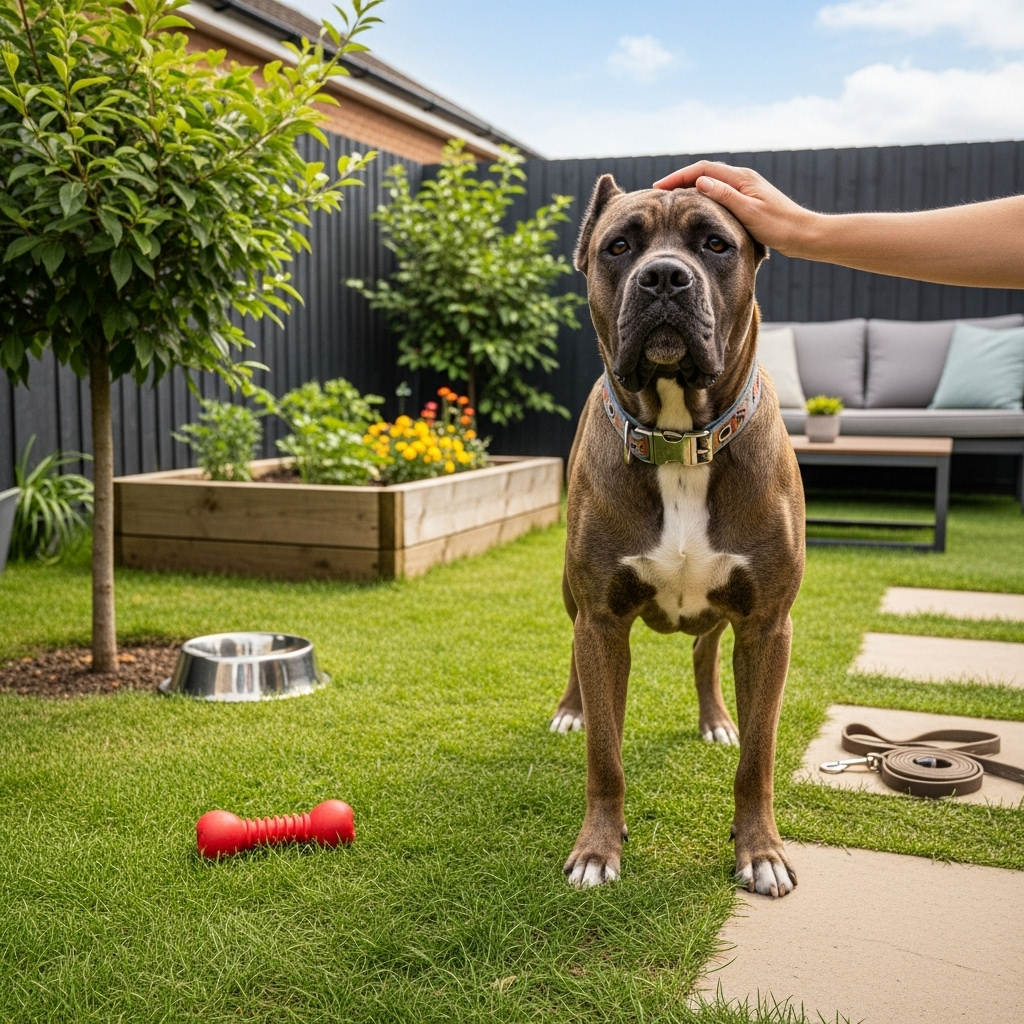
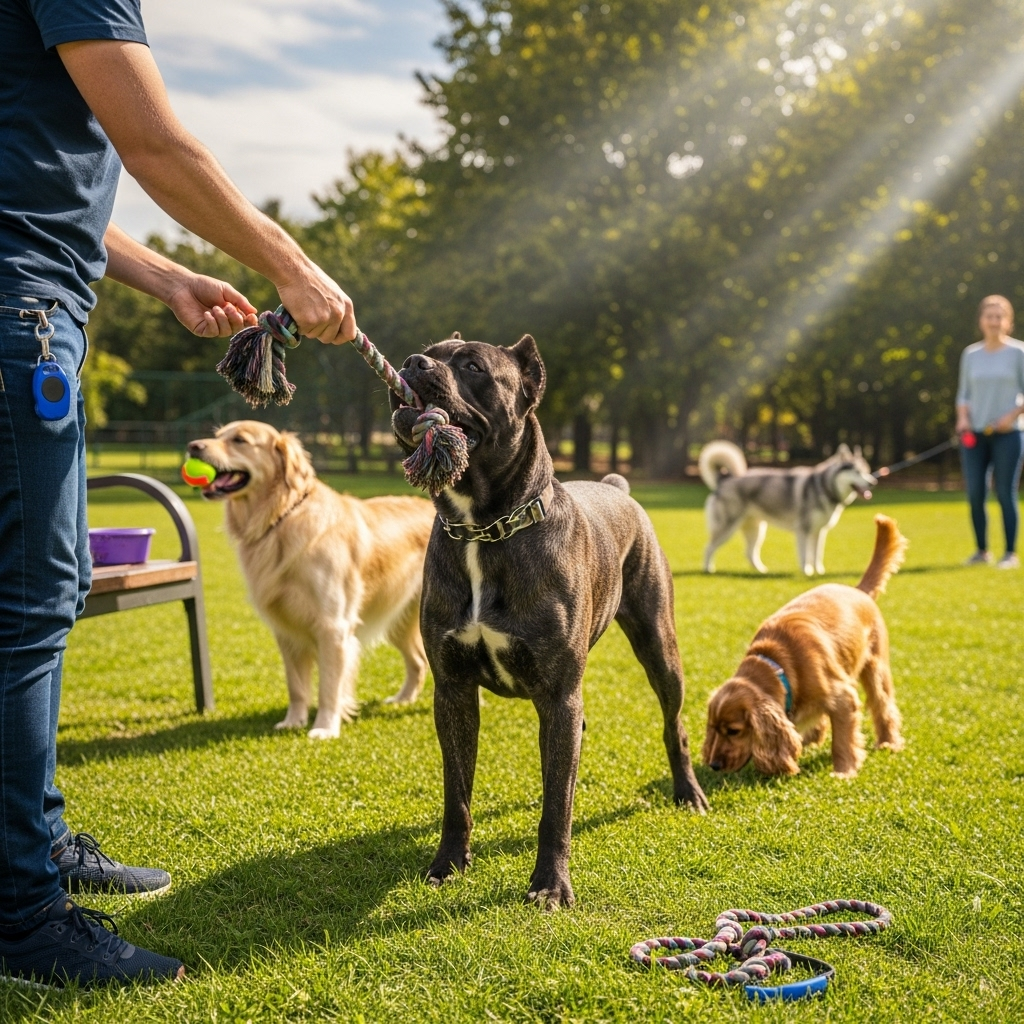
Get the essential information you need about the Cane Corso breed to ensure a happy and healthy life for your canine companion. This Q&A guide covers key aspects of Cane Corso ownership.
Bringing a Cane Corso into your home is a big decision, and it’s natural to have many questions. These magnificent dogs, with their powerful build and loyal nature, can make wonderful family members, but they require understanding and proper care. Many new owners wonder about their temperament, training needs, and health. This guide is designed to answer your most pressing questions in a simple, straightforward way, setting you up for success with your Cane Corso.
Cane Corso Facts: Your Top Questions Answered
The Cane Corso is a breed steeped in history, originally bred for guarding estates and assisting with livestock. Today, they are known for their protective instincts, intelligence, and deep affection for their families. However, their size and strength mean that responsible ownership is paramount. Let’s dive into some of the most common queries new and prospective Cane Corso owners have.
What is the general temperament of a Cane Corso?
Cane Corsos are renowned for their loyalty, courage, and protective nature. They are deeply devoted to their families and can be quite affectionate. While they are naturally watchful and can be reserved with strangers, proper socialization from a young age is key. With consistent training and a confident owner, they are typically calm, intelligent, and responsive companions. They are not inherently aggressive but possess a strong guarding instinct that needs to be channeled positively.
Are Cane Corsos good with children?
When properly socialized and trained, and with families who understand their needs, Cane Corsos can be excellent with children. Their protective instincts naturally extend to their family members, including the youngest ones. However, due to their size and strength, supervision is always recommended during interactions between young children and any large breed dog. It’s crucial to teach children how to interact respectfully with dogs, and to ensure the dog understands gentle play. Early introduction and positive experiences are vital for building a harmonious relationship.
How much exercise does a Cane Corso need?
Cane Corsos are athletic dogs that require a good amount of daily exercise to stay physically and mentally stimulated. Aim for at least 60-90 minutes of moderate to vigorous activity each day. This can include brisk walks, jogging, playing fetch, or engaging in canine sports. Without sufficient exercise, they can become restless, bored, and potentially develop destructive behaviors. Mental stimulation through training sessions and puzzle toys is just as important as physical exertion.
Are Cane Corsos easy to train?
Cane Corsos are highly intelligent and eager to please their owners, which makes them generally receptive to training. However, they are also known for their independent streak and confident personality. This means they benefit most from consistent, firm, yet fair training methods. Positive reinforcement techniques, such as reward-based training, work exceptionally well. Early obedience training and ongoing socialization are non-negotiable for this breed. It’s important for owners to establish themselves as the pack leader with clear boundaries and consistent rules.
What kind of training is most important for a Cane Corso?
The most critical aspects of training for a Cane Corso are socialization and obedience.
- Socialization: Exposing your Cane Corso puppy to a wide variety of people, sights, sounds, animals, and other positive experiences from an early age (8-16 weeks) is crucial. This helps them mature into well-adjusted, confident adults who are comfortable in different environments and less likely to be fearful or reactive.
- Obedience Training: Basic obedience commands (sit, stay, come, down, heel) are essential for control and safety. Advanced obedience and impulse control exercises are also highly beneficial. Training should be consistent and reinforce good behavior.
- Leash Manners: Due to their strength, teaching your Cane Corso to walk politely on a leash is vital for enjoyable walks and to prevent pulling.
- Bite Inhibition: While not aggressive, all puppies need to learn appropriate mouth pressure. This is usually learned through play with littermates but might require reinforcement.
Training should always be positive and engaging, focusing on building a strong bond between you and your dog.
What are common health concerns for Cane Corsos?
Like many large breeds, Cane Corsos are predisposed to certain health conditions. Responsible breeders will screen their dogs for these issues. Some common concerns include:
- Hip Dysplasia: A malformation of the hip joint that can lead to arthritis and pain.
- Elbow Dysplasia: Similar to hip dysplasia, but affecting the elbow joint.
- Bloat (Gastric Dilatation-Volvulus – GDV): A life-threatening condition where the stomach fills with gas and can twist. Feeding smaller meals, avoiding exercise immediately after eating, and potentially considering a gastropexy surgery can help mitigate risk. Organizations like The American College of Veterinary Surgeons offer in-depth information on GDV.
- Cherry Eye: A prolapse of the gland of the third eyelid.
- Entropion/Ectropion: Eyelid abnormalities that can cause irritation.
- Cardiomyopathy: A disease of the heart muscle.
Regular veterinary check-ups are essential for early detection and management of any potential health issues.
What is the lifespan of a Cane Corso?
The average lifespan of a Cane Corso is typically between 9 to 12 years. Proper nutrition, regular exercise, diligent veterinary care, and a loving environment can contribute to a longer, healthier life for your Cane Corso. Factors like genetics, diet, and overall health management play a significant role.
What kind of food is best for a Cane Corso?
Choosing the right food for your Cane Corso is crucial for their health and development, especially given their large size and growth rate. They need a high-quality diet formulated for large breeds.
- Puppies: Require food with a balanced calcium-to-phosphorus ratio to support controlled skeletal growth and prevent developmental orthopedic diseases. Look for large breed puppy formulas.
- Adults: Need a diet with moderate protein and fat content. Avoid overly high protein diets, which can sometimes contribute to rapid growth in puppies or exacerbate certain health issues.
- Ingredients: Prioritize foods with high-quality animal protein as the first ingredient (e.g., chicken, lamb, beef, fish). Whole grains, vegetables, and fruits can provide essential vitamins and fiber.
- Feeding Schedule: For puppies, frequent small meals are best (3-4 times a day). For adult dogs, two balanced meals a day are generally recommended.
Always consult with your veterinarian for personalized dietary recommendations based on your dog’s age, activity level, and specific health needs. Reputable brands often follow guidelines from organizations like the Association of American Feed Control Officials (AAFCO), ensuring nutritional completeness.
How much grooming does a Cane Corso require?
Cane Corsos have a short, dense, double coat that is relatively low-maintenance. They do shed, especially seasonally, but regular brushing can help manage the shedding.
- Brushing: Brush your Cane Corso 1-2 times a week with a slicker brush or a grooming mitt to remove loose hair and distribute natural oils, keeping their coat healthy and shiny.
- Bathing: They don’t require frequent bathing; only bathe them when they are visibly dirty or smelly, typically every few months. Use a dog-specific shampoo.
- Nail Trimming: Trim their nails regularly, usually every 3-4 weeks, to prevent overgrowth, which can cause discomfort and affect their gait.
- Ear Cleaning: Check and clean their ears weekly with a veterinarian-approved solution to prevent infections.
- Dental Care: Brush your dog’s teeth several times a week with dog-specific toothpaste to maintain good oral hygiene and prevent dental disease.
Consistent grooming helps you bond with your dog and allows you to check for any lumps, bumps, or parasites.
Are Cane Corsos good guard dogs?
Yes, Cane Corsos were historically bred as guard dogs and possess strong protective instincts. They are naturally alert, courageous, and territorial. If you are looking for a dog that will alert you to strangers and protect your property, the Cane Corso fits this role well. However, it is crucial to understand that this guarding instinct must be managed with proper training and socialization. A well-bred, well-trained Cane Corso is a responsible guardian, not an uncontrolled threat. Their protective nature means they require owners who understand how to manage and direct these powerful instincts appropriately.
What kind of living environment is best for a Cane Corso?
While Cane Corsos can adapt to various living situations, they thrive in environments where they have ample space and clear boundaries. A securely fenced yard is highly recommended, as their size and guarding instincts mean they are more comfortable patrolling their territory. However, they are also a devoted breed that desires to be part of the family’s activities. Therefore, while a spacious home is ideal, what’s most important is that they are not left alone for excessive periods. They should be integrated into family life and not relegated to an outdoor kennel or neglected space.
Understanding Cane Corso Needs: A Deeper Dive
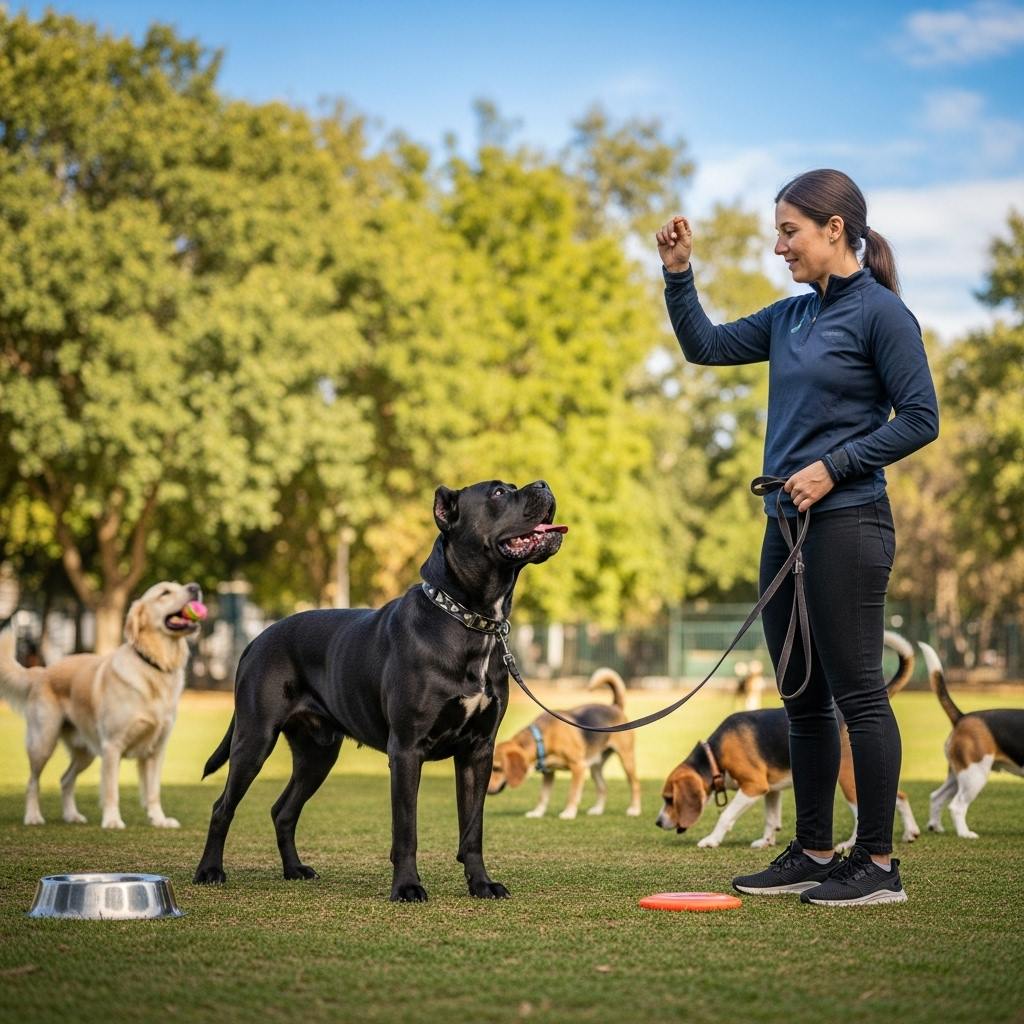
Beyond the basic Q&A, understanding the nuances of owning a Cane Corso is key. Their intelligence, strength, and protective nature require a dedicated owner who can provide structure, leadership, and affection.
Socialization: The Cornerstone of a Well-Adjusted Cane Corso
The importance of early and ongoing socialization cannot be overstated for a breed like the Cane Corso. A puppy’s critical socialization window—roughly between 8 and 16 weeks of age—is when they are most open to new experiences. Exposing your puppy to a variety of environments, people of different ages and appearances, other vaccinated and well-behaved dogs, and different sounds will help them develop into a confident, steady dog. This socialization should continue throughout their life. A shy or fearful Cane Corso can be more prone to defensive aggression, which is why desensitization and positive exposure are so vital. Participating in puppy socialization classes is an excellent way to provide this early exposure in a controlled and safe setting.
Training: Building a Partnership
Cane Corsos are intelligent, but their strength of will means they need a confident and consistent trainer. They respond best to positive reinforcement methods. This involves rewarding desired behaviors with treats, praise, or play, making training a positive and engaging experience. Punishment-based methods can be counterproductive and lead to fearfulness or aggression.
- Consistency is Key: Everyone in the household should be on the same page with training commands and rules.
- Leadership: Establish yourself as a calm, confident leader. This doesn’t mean being harsh, but rather being clear and consistent with expectations.
- Variety: Keep training sessions short, fun, and varied to maintain your dog’s interest.
- Life Skills: Beyond basic obedience, focus on impulse control, polite greetings, and appropriate behavior in different situations.
Consider enrolling in obedience classes with a qualified trainer experienced with large, powerful breeds. The American Kennel Club (AKC) offers excellent resources on positive training techniques.
Nutrition: Fueling a Powerful Physique
A well-balanced diet is fundamental to the health of your Cane Corso. Their nutritional needs change as they grow.
Puppy Nutrition (Up to 18-24 Months)
Large breed puppy formulas are designed to support controlled growth. They have specific balances of calcium, phosphorus, and calories to prevent skeletal problems like rapid growth and joint issues. Feeding three to four meals a day is common for puppies. Avoid free-feeding, as it can lead to obesity and unhealthy weight gain.
Adult Nutrition (2+ Years)
Once your Cane Corso reaches maturity, they will need an adult formula that maintains their lean muscle mass without excess fat. Look for foods with a protein source as the first ingredient. Monitor your dog’s weight and adjust food intake as needed. If your dog is very active, they may require a higher calorie food, or if they are less active, a lower calorie option to prevent weight gain.
Dietary Considerations for Health
Some Cane Corsos may develop sensitivities or allergies. If you notice digestive upset, skin issues, or changes in coat condition, consult your veterinarian. They may recommend trying a limited ingredient diet or a prescription diet. Always ensure fresh, clean water is available at all times.
Exercise: More Than Just Burning Energy
Cane Corsos require substantial physical and mental exercise. Their intelligence means they need mental challenges to prevent boredom and unwanted behaviors.
Physical Exercise Examples:
- Daily walks (at least 60-90 minutes total)
- Canine sports like agility or obedience trials
- Trekking or hiking in safe, controlled environments
- Playing fetch in a secure area
Mental Stimulation Ideas:
- Puzzle toys that dispense treats
- Training sessions (even short ones daily)
- Nose work or scent games
- Interactive toys that engage their minds
It’s important to avoid strenuous exercise during hot weather or when the dog is very young or very old, to protect their joints and prevent overheating.
Cane Corso vs. Other Breeds: A Comparative Look
While we are focusing on the Cane Corso, it’s helpful to briefly consider how they compare to other popular large breeds, especially for those new to owning strong, protective dogs.
| Feature/Breed | Cane Corso | Golden Retriever | Husky |
|---|---|---|---|
| Primary Role | Guard Dog, Companion | Family Companion, Sporting Dog | Sled Dog, Companion |
| Temperament | Loyal, Protective, Confident, Reserved with Strangers | Friendly, Eager to Please, Gentle, Sociable | Independent, Energetic, Playful, Social (with proper training) |
| Training Needs | Consistent, Firm, Positive Reinforcement; strong leadership needed | Eager to learn, responds well to positive methods | Can be strong-willed; requires patience and consistency |
| Exercise Needs | Moderate to High (60-90 mins daily) | Moderate to High (60 mins daily) | Very High (often needs much more than a walk) |
| Grooming Needs | Low; weekly brushing | Moderate; regular brushing, especially during shedding seasons | High; requires frequent brushing due to thick double coat |
| Size | Large to Giant | Large | Medium to Large |
This table highlights that while all are wonderful dogs, their core drives and needs differ significantly. A Cane Corso requires a different approach to training and socialization than a Golden Retriever or a Husky, primarily due to their inherent guarding instincts and powerful build.
Your Cane Corso Journey: From Puppyhood to Senior Years
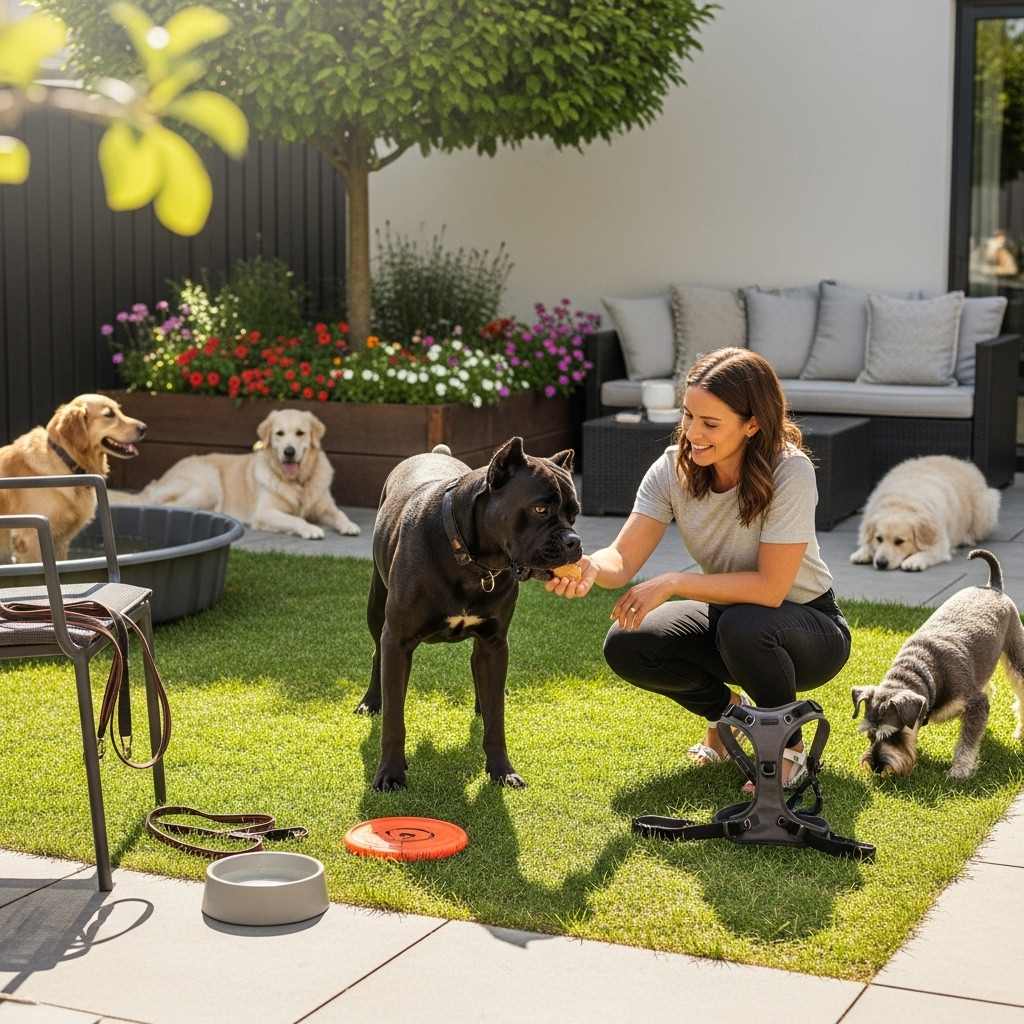
Owning a Cane Corso is a rewarding experience that spans many years. From the moment they enter your home as a puppy to their golden years, understanding their evolving needs is key to ensuring a long, happy, and healthy life together.
Early Puppyhood (8 weeks to 6 months)
This is the most crucial period for socialization and basic training. Enroll in puppy classes, introduce new experiences gently and positively, and start establishing a routine for feeding, potty breaks, and sleep. Focus on positive reinforcement for house training and basic commands like “sit” and “come.” Secure, high-quality large breed puppy food is essential.
Adolescence (6 months to 2 years)
This is often when a Cane Corso’s true personality emerges. They will test boundaries, and consistency in training and clear rules are paramount. Continue with advanced obedience training and socialization. Ensure they are getting adequate exercise but avoid excessive high-impact activities that could harm developing joints. This is also the time when potential health issues like hip or elbow dysplasia might start to show signs, so regular vet check-ups are vital.
Adulthood (2 years to 8 years)
Your Cane Corso will likely be a well-adjusted, steady companion if properly socialized and trained. Continue with regular exercise and mental stimulation. This is a good time to explore canine sports or other activities that engage their intelligence and physical capabilities. Maintain a consistent diet and weight management to support their health.
Senior Years (8+ years)
As your Cane Corso ages, their needs may change. They might slow down, requiring less intense exercise but still need regular, gentle activity to maintain mobility. Switching to a senior-specific diet or one formulated for joint health might be beneficial. Regular veterinary check-ups are even more important to monitor for age-related conditions, manage pain, and ensure their comfort and quality of life are maintained.
Frequently Asked Questions (FAQ)
Q1: How much exercise does a young Cane Corso puppy need?
Young Cane Corso puppies