
Guard Dog Work Environment: Enhancing Safety And Security
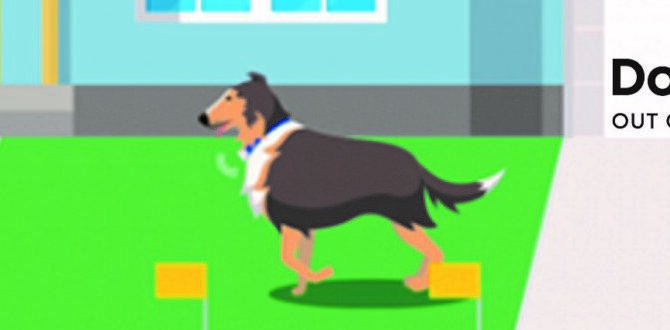
Guard Dog Work Environment
Guard dogs thrive in spaces designed for safety and vigilance. Did you know these dogs help protect homes and businesses? They require a secure area, strong fencing, and enough room to play. A busy work environment can make them anxious, so calm spaces are best. Proper training helps them learn their roles. Additionally, socialization with people and other pets is important. This creates a balanced dog ready to protect. How does your space measure up for a guard dog?Benefits of Using Guard Dogs in Various Industries
Costeffectiveness compared to traditional security measures. Deterrent effect on crime and theft.Using guard dogs can be a smart choice for many businesses. They can be cost-effective compared to traditional security methods. Instead of paying for security guards or expensive alarms, a guard dog is trained to protect and watch over locations. This can save money in the long run. Additionally, guard dogs often stop crime before it happens. Their strong presence can deter thieves, making places safer. This combination of cost savings and crime prevention makes guard dogs a great option in various industries.
Why are guard dogs effective for security?
Guard dogs work well because they are alert and can sense danger quickly. Their ability to bark and react shows intruders that they should stay away.
Key Benefits:
- Cost savings on security expenses
- Reduction of theft and crime incidents
- Deterrent effects from their strong presence
Choosing the Right Breed for Your Work Environment
Factors influencing breed selection based on work settings. Characteristics of popular guard dog breeds.Picking the right dog breed for your job site is crucial. Your choice can depend on several factors, like the type of work you do and the environment. Some breeds shine in busy areas, while others excel in quiet settings. For example, German Shepherds are smart and protective, making them great in various settings. On the other hand, Bullmastiffs are calm but strong, ideal for guarding larger spaces. Here’s a quick look at popular breeds:
| Breed | Characteristics | Best Environment |
|---|---|---|
| German Shepherd | Intelligent, loyal | Urban, busy places |
| Rottweiler | Strong, confident | Residential areas |
| Golden Retriever | Friendly, alert | Open spaces |
| Bullmastiff | Calm, protective | Large properties |
Remember, the trick is to match the dog’s skills with your needs. Want a cuddly buddy? Go for a Golden Retriever! Looking for a fierce protector? Maybe a Rottweiler is your best bet. It’s like matchmaking—only with fur and fewer awkward dates!
Training Guard Dogs for Workplace Efficiency
Essential training techniques for security duties. Importance of socialization in diverse work settings.Training guard dogs is key for them to succeed at their jobs. Start with basic commands like “sit” and “stay.” Use fun, positive methods to keep them excited. Remember, socialization in various settings is crucial. It helps dogs adapt to different people and places. Imagine a dog confidently greeting visitors instead of barking like it’s auditioning for a horror movie! Here’s a handy table of essential techniques:
| Training Technique | Description |
|---|---|
| Basic Commands | Teach simple commands for control. |
| Positive Reinforcement | Use treats and praise for good behavior. |
| Socialization | Expose dogs to different environments and people. |
| Obstacle Courses | Use fun courses to improve agility. |
By focusing on these techniques, dogs will shine in their roles, making the workplace safer and maybe even a little more fun!
Compliance and Legal Considerations
Understanding workplace regulations regarding guard dogs. Employer responsibilities for managing guard dogs.It is important to know the rules about having guard dogs at work. Employers must set up safe places for these dogs. They need to think about how the dogs might affect workers and visitors. Training is key to making sure dogs behave. Employers should follow local laws about these animals. They must also make sure to keep records of dog training and health to stay in line with the rules.
What are the responsibilities of an employer for guard dogs?
Employers are responsible for training, proper care, and ensuring safety at all times. They must have plans for any incidents and keep everyone informed.
- Follow safety regulations.
- Provide proper training for the dogs.
- Ensure health checks for the dogs.
- Inform staff about risks and procedures.
Case Studies: Successful Implementation of Guard Dogs
Realworld examples from various industries. Lessons learned and strategies for success.Many companies have successfully used guard dogs to boost safety. For example, a warehouse in Texas saw theft drop by 70% after adding a trained German Shepherd. Another case is a local grocery store that hired a friendly Labrador. Shoppers loved him, and crime rates fell. Key lessons include proper training and teamwork between dogs and staff. Remember, a well-trained dog is like having a furry superhero on duty!
| Industry | Example | Success Rate |
|---|---|---|
| Warehousing | German Shepherd in Texas | 70% drop in theft |
| Retail | Labrador at grocery store | Lower crime, happy customers |
Maintaining the Well-being of Guard Dogs in Workspaces
Best practices for care and training support. Balancing security duties with the dogs’ physical and mental needs.Guard dogs are our brave friends, but they need care too. It is important to balance their work with their health. Here are some best practices:
- Provide regular exercise to keep them fit.
- Use positive training methods for their development.
- Ensure they have quiet spaces to rest.
- Keep them socialized with people and other dogs.
This helps the dogs stay happy and healthy while doing their important jobs.
What is the best way to train guard dogs?
The best way to train guard dogs is throughpositive reinforcement. Use treats and praise when they do well. Don’t forget to keep sessions short and fun!
Conclusion
In a guard dog work environment, teamwork and training are essential. Dogs need to feel safe and supported. You should create a positive space for them. This helps them perform their best. By understanding your dog’s needs, you can improve their work. Keep exploring this topic to learn how to train and care for your guard dog effectively!FAQs
What Are The Essential Traits And Characteristics To Look For In A Dog Suited For Guard Work?When choosing a dog for guard work, look for a few important traits. First, the dog should be brave and confident. They need to be alert and watchful to notice anything unusual. A good guard dog is loyal, so they will protect you and your home. Finally, they should be trainable, so you can teach them commands easily.
How Does The Work Environment Of A Guard Dog Differ From That Of A Regular Pet Dog?A guard dog works in a special environment, like protecting homes or people. They need to be alert and focused all the time. Regular pet dogs usually relax at home and play with their families. While guard dogs train to be serious, pet dogs have fun and enjoy cuddles. So, guard dogs have a job, while pet dogs are mostly companions.
What Training Methods Are Most Effective For Preparing A Dog For Guard Work In Various Environments?To train a dog for guard work, we can use several methods. First, you should teach basic commands like sit, stay, and come. Next, use fun games to practice keeping watch over different places. Socializing your dog with different people and sounds helps them get used to many situations. Lastly, reward your dog with treats and praise when they do well.
What Are The Potential Challenges Or Risks Associated With Having A Guard Dog In A Residential Versus A Commercial Setting?Having a guard dog at home can be tricky because some people might be scared of dogs. If your dog barks too much, it can annoy your neighbors. In a business, a guard dog might make customers nervous, and they may not want to come in. Both settings need special training for the dog to behave well. Keeping the dog friendly and safe is very important for everyone around.
How Can Handlers Ensure The Mental And Emotional Well-Being Of Guard Dogs In Their Work Environments?To keep guard dogs happy, you should give them plenty of breaks. Play with them and let them explore their surroundings. It’s important to train them with rewards, like treats or praise. Also, show them love and care to help them feel safe. Happy dogs do their best work!