
Have you ever seen a dog that looks like it was made for the snow? That’s the husky! These beautiful dogs are known for their thick fur and striking blue or multi-colored eyes. If you’ve ever wondered about huskies, you’re in for a treat.
Huskies are not just pretty faces. They have a lot of interesting traits and history that make them unique. Did you know they were bred to pull sleds in cold areas? Their friendly and energetic nature makes them popular pets too.
But before you decide to bring a husky home, it’s important to know what they really need. Do they fit your lifestyle? Understanding husky breed information can help you decide. Let’s dive into the details about these amazing dogs!
Essential Husky Breed Information You Need To Know
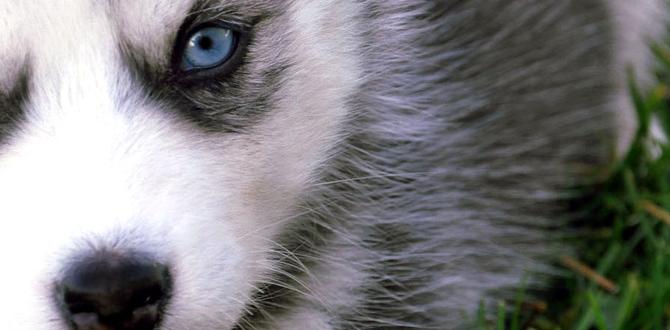
Husky Breed Information
Huskies are striking dogs known for their friendly nature and stunning blue or multi-colored eyes. These energetic animals love to run and play, making them great companions for active families. Did you know they were originally bred to pull sleds in harsh Arctic conditions? Their thick fur keeps them warm, but they need proper care even in warmer climates. If you enjoy adventure, a husky might just be your perfect partner!History of the Husky Breed
Origin and development of the Siberian Husky. Role in indigenous cultures and working environments.The Siberian Husky has a fascinating history. This breed comes from Siberia, where the Chukchi people raised them. They needed strong dogs for hunting and pulling sleds. Huskies are known for their endurance and friendly nature. These dogs worked hard in cold climates and became vital to the Chukchi culture. Today, their spirit of teamwork and loyalty continues to amaze dog lovers everywhere.
What role did Huskies play in indigenous cultures?
Siberian Huskies helped the Chukchi people hunt and travel across frozen lands. They carried heavy loads and were great companions. Their skills made life easier for the indigenous community.
- Assisted in sledding and hunting
- Built strong bonds with humans
- Served as pack animals
Physical Characteristics
Size, weight, and general appearance. Distinctive features such as coat colors and eye types.The husky is not just fluffy; it’s a bundle of joy wrapped in fur! These dogs are medium-sized, usually weighing between 35 to 60 pounds. With a height ranging from 20 to 24 inches, they stand proud and strong. Their thick double coat is a mix of colors—black, grey, and red being popular choices. Imagine a snowman wearing a dog costume! Their eyes can be striking blue or brown, and some even have one of each. Talk about being unique!
| Size | Weight | Eye Color |
|---|---|---|
| Medium | 35-60 lbs | Blue/Brown |
| Height: 20-24 in | Fluffy! | Two Different Colors |
Care and Maintenance
Grooming requirements including shedding patterns. Dietary needs and feeding guidelines.Keeping a husky healthy requires special care. Regular grooming helps manage their thick fur and shedding. Huskies typically shed twice a year, so brushing weekly is important. They also need a balanced diet. A good diet includes high-quality dog food with protein, fats, and vitamins.
- Brush fur weekly
- Feed twice daily
- High-protein foods are best
What do huskies eat?
Huskies thrive on high-quality dog food. Look for brands that list meat as the first ingredient. Fresh fruits and veggies can be great treats too!
Health Concerns
Common health issues within the breed. Preventative care and regular vet checkups.Huskies can be the life of the party, but they have some health quirks. Common issues include hip dysplasia and eye problems. Regular vet visits are like yearly check-ups for us—super important! These visits help catch troubles early. Plus, a good diet keeps your furry friend fit and frisky—think of it as a husky spa day! Here’s a quick table of health concerns:
| Health Issue | Details |
|---|---|
| Hip Dysplasia | Hip joint malformation that can cause pain. |
| Eye Problems | Conditions like cataracts affecting vision. |
| Skin Issues | Allergies or infections causing irritation. |
Keeping up with your husky’s health is no joke. Regular check-ups can lead to a long, happy life. Remember, a healthy husky is a happy husky!
Training and Behavior
Effective training methods for Huskies. Understanding their intelligence and challenges.Huskies are smart but can be challenging to train. You can use fun and positive methods to help them learn. Always keep training sessions short and enjoyable. This way, Huskies stay focused and happy. Here are some effective tips:
- Use treats as rewards.
- Be patient and consistent.
- Include playtime in training.
Remember, their intelligence can lead to stubbornness. Training takes time. Never give up! With love and care, you can teach your husky new tricks.
How can you train a Husky effectively?
Use positive reinforcement methods, stay consistent, and keep training sessions short and fun. Huskies respond well to praise and treats! They need both mental and physical activity to stay happy.
Exercise and Activity Needs
Daily exercise requirements to keep them healthy. Suitable activities and playtime suggestions.Keeping a husky happy and healthy needs regular exercise. These dogs are full of energy and love to play. They need about 1 to 2 hours of activity each day. Here are some fun ways to keep them active:
- Long walks in the park
- Running or jogging
- Playing fetch with a ball
- Discovering new trails
Interactive games can also be fun. Try hide-and-seek or puzzle toys. Remember, a tired husky is a happy husky!
How much exercise does a husky need?
A husky needs 1 to 2 hours of exercise each day. This keeps them healthy and prevents boredom.
Choosing a Husky Puppy
Tips for selecting a reputable breeder. What to look for in a healthy puppy.Finding the right husky puppy starts with choosing a good breeder. Look for someone who cares about their dogs. They should answer your questions and let you see the puppies’ living area. Watch for a healthy puppy with bright eyes and a shiny coat. A playful puppy shows good energy. Look for:
- Clean and safe environment
- Breeder’s experience
- Health checks
These steps will help you find a loving companion.
What should I ask the breeder?
Ask about the puppy’s parents, health history, and vaccination records. It’s essential to ensure they have been well taken care of. Good breeders prioritize health and happiness.
Conclusion
In summary, huskies are friendly, active dogs known for their beautiful coats and strong personalities. They need regular exercise and social interaction. If you’re thinking about getting a husky, make sure you’re ready for their energy! You can learn more about their care and traits by reading books or talking to owners. Enjoy exploring the fun world of huskies!FAQs
What Are The Key Characteristics And Physical Traits Of The Husky Breed?Huskies are medium-sized dogs with thick fur that keeps them warm. They have bright blue or brown eyes, and some even have one of each! Their ears are pointy and stand up straight. Huskies are very friendly and love to play. They have a strong need for exercise and enjoy running with you!
How Much Exercise Do Huskies Require, And What Are The Best Activities For Them?Huskies need a lot of exercise every day. They should get at least one hour of fun activities. Good things to do are running, walking, or playing fetch. You can also take them hiking or biking with you. Keeping them active helps them stay happy and healthy!
What Are Some Common Health Issues Associated With Huskies, And How Can They Be Prevented?Huskies can have health issues like hip dysplasia and eye problems. Hip dysplasia makes their joints hurt. You can prevent this by giving them a healthy diet and exercise. Regular vet visits help catch problems early. Keeping their weight right is also important for their health.
How Does The Temperament Of Huskies Compare To Other Dog Breeds, And What Makes Them Unique?Huskies are friendly, playful, and very energetic. Unlike some breeds, they love to run and explore outdoors. They can be a bit stubborn and aren’t always easy to train. What makes them unique is their beautiful fur and striking blue or multi-colored eyes. Plus, they often howl instead of barking!
What Should Prospective Owners Know About Training And Socializing A Husky?When you have a Husky, training them is super important. These dogs are smart but sometimes can be a bit stubborn. You need to be patient and use fun ways to teach them. Socializing is also key; it helps them meet other dogs and people. Let’s play and make sure they feel happy around others.