
Snowflakes dance in the air as winter arrives. This chilly season brings a unique challenge for husky owners. Have you ever wondered how to keep your husky’s coat healthy during this time?
Huskies have thick, gorgeous coats that keep them warm. But, even with their natural insulation, proper care is essential. Did you know that a well-maintained coat can help your husky feel more comfortable in the cold?
In this article, we will explore the best ways to care for your husky’s coat in winter. From grooming tips to important nutrients, we’ll cover everything you need to know. You want your furry friend to enjoy winter, right? Let’s dive in and discover how to make winter fun and cozy for your husky!
Essential Husky Coat Care Tips For Winter Weather
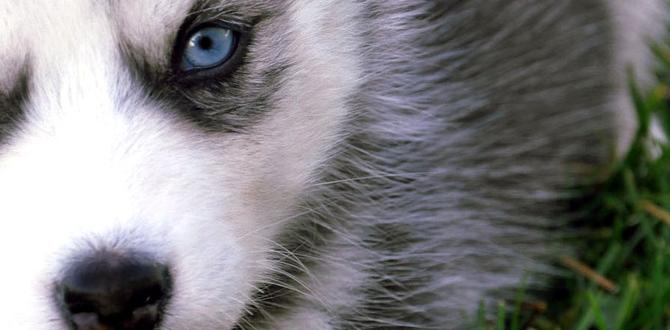
Husky Coat Care in Winter
Taking care of a husky’s coat in winter is essential for their comfort and health. Huskies have a thick double coat that insulates them against the cold. Regular brushing helps remove loose fur and prevents matting. Did you know that a husky’s coat can actually adjust to temperature changes? Keeping their coat clean and dry is crucial. Check between their toes for ice buildup, too! These simple tips will keep your husky warm and happy all winter long.Grooming Techniques for Winter Care
Recommended brushing frequency to prevent matting. Types of grooming tools best suited for husky coats.Winter calls for special care for huskies. Regular brushing keeps their fur healthy. Aim to brush your husky three to four times a week. This helps avoid matting and keeps their coat shiny. Use tools like slicker brushes or de-shedding rakes. These tools work well on thick fur. Make grooming a fun routine for both of you. Your husky will love the attention!
How often should I groom a husky in winter?
You should groom your husky three to four times a week in winter. This keeps their coat tidy and free of mats.
Recommended grooming tools:
- Slicker Brush
- De-shedding Rake
- Wide-Tooth Comb
Bathing Practices During Winter Months
How often to bathe a husky in winter. Tips for using the right shampoos and conditioners.Winter is cozy, but it can be tricky for our fluffy friends! Huskies don’t need frequent baths during this chilly season. Once every 4-6 weeks is enough to keep them fresh. Always pick a gentle shampoo to avoid drying their skin. Look for natural ingredients to keep their coat soft and shiny. Don’t forget a nice conditioner! So, your husky can shine like a snowflake during those winter walks!
| Bathing Frequency | Product Recommendations |
|---|---|
| Every 4-6 weeks | Gentle, natural shampoos |
Protecting Against Winter Elements
Importance of drying after snow exposure. Using coats or booties in extreme cold conditions.Winter can be tough on our furry friends, especially huskies. First, make sure to dry your dog off after they play in the snow. Wet fur can make them chilly and uncomfortable. Plus, a soggy pup is not the best cuddler!
For extremely cold days, consider using a cozy coat or booties. These can protect sensitive paws from icy sidewalks. Think of them as a stylish winter outfit for your husky. Just remember—fashion never goes out of style, even in the snow!
| Winter Care Tips | Importance |
|---|---|
| Drying off after snow | Prevents chills and discomfort |
| Using coats or booties | Protects against cold and ice |
Provide extra love and care for your husky during winter. After all, nobody likes to be cold and wet!
Signs of Coat Health and Issues to Watch For
Indicators of a healthy coat vs. potential problems. Common winter coat issues and how to address them.Spotting a healthy coat on your husky is easy and fun! A shiny, smooth coat usually means your pup is doing well. But if you see patches or dead hair, it might be time to investigate. Common winter coat problems include dry skin and matting, which can be annoying for everyone involved! Keep an eye out for itching or unusual smells—these signs aren’t a good winter joke!
| Indicators of Coat Health | Potential Problems |
|---|---|
| Shiny, smooth fur | Dry, flaky skin |
| Even color | Bald patches |
| No bad smells | Unusual odors |
To keep your husky’s coat in top shape, regular brushing is key. Look for products that can fight the winter blues. Your furry friend will thank you by plopping at your feet with that fluffy, happy tail wagging!
Nutrition’s Role in Coat Health
Essential nutrients for maintaining a healthy coat. Recommended diets and supplements for winter care.A shiny, healthy coat needs good food. Essential nutrients help your husky’s fur stay strong. Here are some key nutrients:
- Omega-3 fatty acids for a shiny coat
- Protein for hair strength
- Vitamins A and E for skin health
During winter, it’s smart to choose special diets. Foods high in fats and proteins can help keep your husky warm. Supplements can also help:
- Fish oil for hydration
- High-quality kibble for balanced nutrition
With the right nutrition, your husky can have a cozy, healthy winter coat!
What are good foods for huskies in winter?
Good foods include high-protein kibble or wet food, as well as fish oil supplements. These foods help keep their coat healthy and warm during cold weather.
Regular Check-ups and Professional Grooming
Importance of routine vet checks for skin and coat health. When to consider professional grooming services.Keeping your husky healthy starts with regular visits to the vet. These checkups help find any skin issues early and keep your husky’s coat shiny. A groomer can also help when your husky needs special care. Consider visiting a professional if:
- They have a tangled coat.
- They need a good bath.
- You notice skin irritation.
With proper care and attention, your husky can stay happy and healthy all winter long!
How often should I take my husky for grooming?
It’s best to get your husky grooming every 4 to 6 weeks. Regular grooming helps keep their coat clean and reduces shedding. This also lowers the risk of skin problems.
Conclusion
Taking care of your husky’s coat in winter is important. Brush them regularly to avoid matting and control shedding. Check for ice or snow stuck in their fur after walks. Bathing should be limited to prevent dryness. By following these tips, you help keep your husky comfortable and healthy. For more details, consider reading additional resources on husky care!FAQs
What Specific Grooming Techniques Are Recommended For Maintaining A Husky’S Double Coat During Winter Months?To keep your husky’s double coat healthy in winter, brush it regularly. Use a slicker brush to remove loose fur. This helps prevent mats and tangles. You should also check for dirt or snow stuck in the coat. Make sure to give your husky a bath when it’s really dirty, but not too often, maybe every few months.
How Often Should I Bathe My Husky In Winter To Keep Their Coat Clean Without Stripping Natural Oils?You should bathe your husky about once a month in winter. This keeps their coat clean without removing natural oils. If they get muddy, you can wash just that part. Always use gentle dog shampoo. Remember, brushing helps too!
Are There Any Special Products Or Treatments That Can Help Protect A Husky’S Coat From Harsh Winter Conditions?Yes! You can use special dog shampoos to clean your husky’s coat. After washing, apply a conditioner to keep it soft. Brush your husky regularly to remove loose fur and dirt. Some people also use a dog coat spray for extra protection against cold and wet. Make sure your husky has a warm place to sleep too!
How Can I Effectively Manage Shedding In My Husky’S Coat During The Winter Season?To manage shedding in your husky’s coat during winter, brush their fur regularly. This helps remove loose hair and keeps their coat healthy. You can use a rubber grooming glove or a brush made for thick fur. Make sure to feed your husky good food with healthy fats, as this helps their coat stay nice. Finally, keep your home clean by vacuuming often to pick up hair.
What Signs Indicate That My Husky’S Coat Is Not Adequately Cared For During Winter, And How Can I Address These Issues?If your husky’s coat looks rough or has lots of loose hair, it might need better care. You may also see dry skin or bald spots. To help, brush your husky regularly to remove loose fur and dirt. Make sure to check for lumps or dry patches and keep your dog warm. You can also ask a vet for extra tips on keeping your husky’s coat healthy in winter.