
Have you ever met a miniature schnauzer? These adorable little dogs are full of character and charm. With their bushy eyebrows and spirited personality, they easily win hearts. Each miniature schnauzer has its quirks and traits that make them unique.
Did you know they were bred to be ratters? That means they helped farmers keep their homes safe from pesky rodents. Imagine a tiny dog with a big job! Miniature schnauzers are not just cute; they are also smart and loyal companions.
In this article, you’ll discover amazing miniature schnauzer facts. We’ll explore their history, traits, and care needs. You’ll also learn why these little dogs can make such wonderful pets. Are you ready to dive into the world of miniature schnauzers? Your new favorite dog might just be waiting for you!
10 Fascinating Miniature Schnauzer Facts You Need To Know
Miniature Schnauzers are small but mighty dogs. Did you know they were bred in Germany in the 19th century? These friendly pups stand about 12 to 14 inches tall and weigh between 11 and 20 pounds. They have a distinctive beard and eyebrows that give them a quirky look. Miniature Schnauzers are also very smart and easy to train. They love being around people and make great family pets. Their playful nature can brighten any day!
History of the Miniature Schnauzer
Origin and development of the breed. Key historical events that shaped the Miniature Schnauzer.
The Miniature Schnauzer has a rich history. It started in Germany in the late 19th century. People bred it from Standard Schnauzers, Miniature Pinschers, and Affenpinschers. This mix created a small, energetic dog. They guarded farms and kept away unwanted rodents. Many families loved them for their friendly nature. Over time, their popularity grew worldwide.
- First shown in dog shows in 1899.
- Recognized by the American Kennel Club in the 1920s.
- Served in World War I as messenger dogs.
What shaped the Miniature Schnauzer?
Key events included breeding choices and their entry into dog shows. These shaped how they look and act today.
Physical Characteristics
Size, weight, and coat types. Distinctive features and color variations.
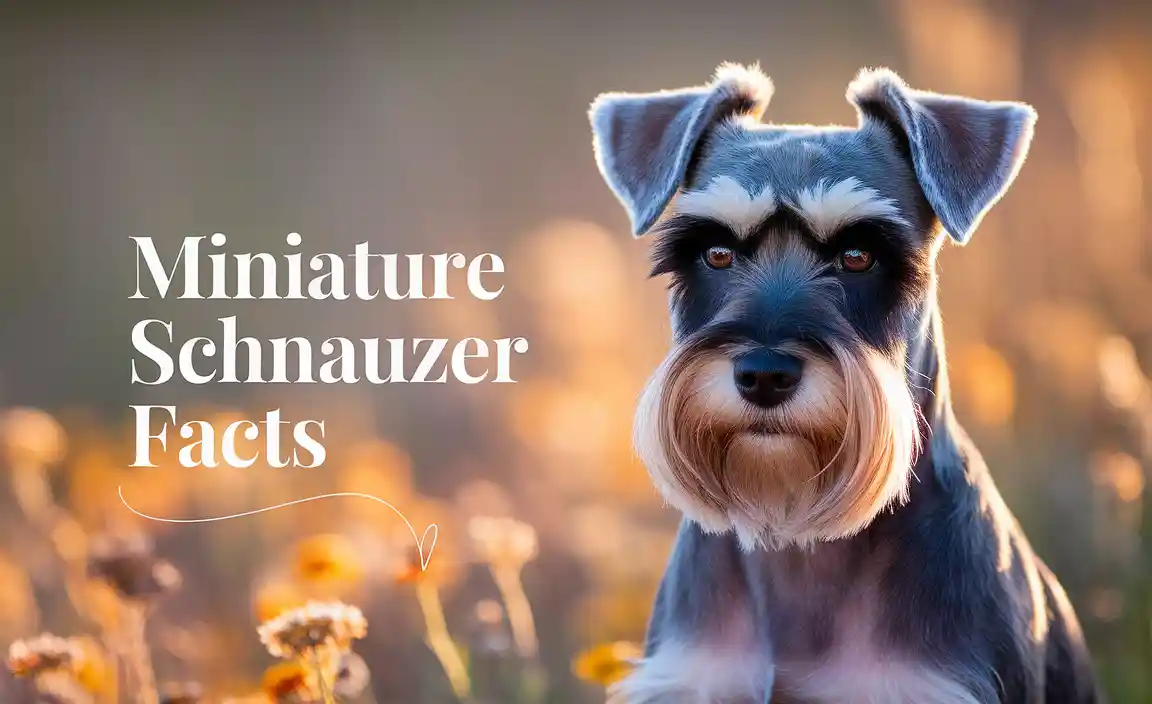
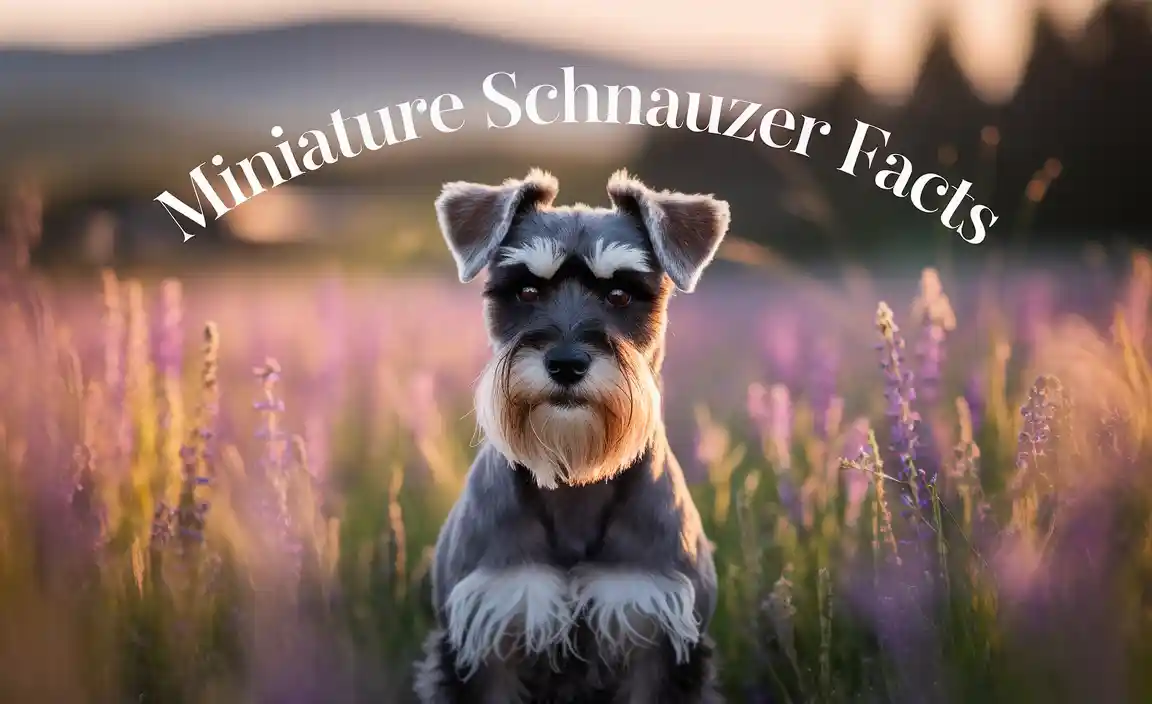
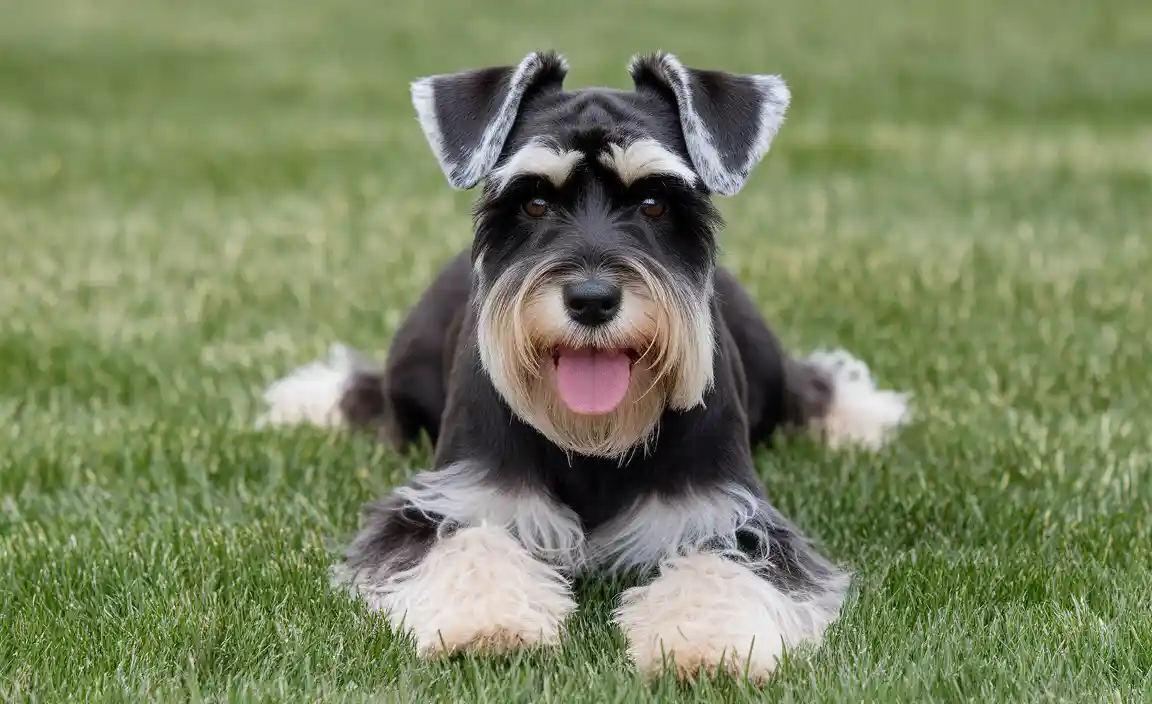
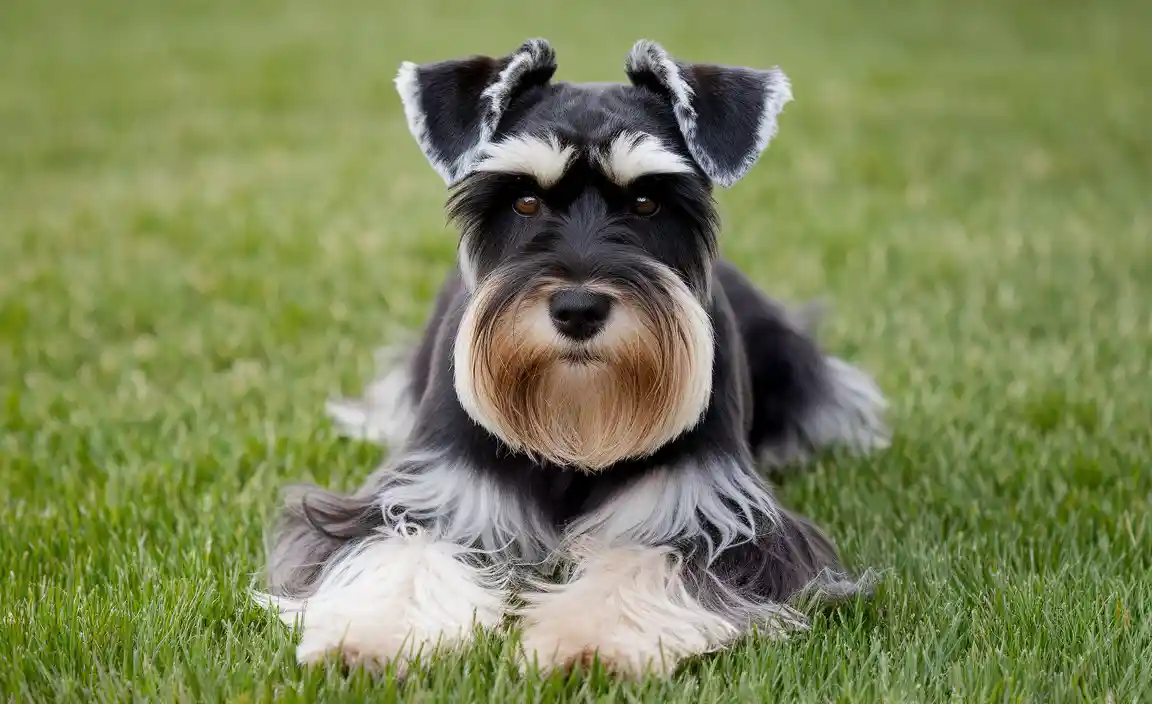
Miniature Schnauzers are small but mighty dogs. They stand around 12 to 14 inches tall at the shoulder. Their weight usually ranges from 11 to 20 pounds. These dogs have a distinctive coat, thick and wiry, that can be salt-and-pepper, black, or white. They have bushy eyebrows and a long beard, making them look quite charming. Their ear shape is often folded down, but they can also be cropped to stand up. This mix of features makes them easy to recognize!
What are some Miniature Schnauzer coat types?
The Miniature Schnauzer comes in several coat types:
- Salt and Pepper
- Black
- White
Temperament and Behavior
Typical personality traits. Interaction with children and other pets.
Miniature Schnauzers are lively and friendly. They often show big personalities in small bodies. They love to play and explore. This breed is known for being smart and eager to learn. They usually get along well with children and other pets. Their playful nature makes them great companions.
- Affectionate towards family
- Alert and protective
- Can be a bit stubborn
These traits make them friendly, though they can bark a lot to alert you of visitors. Their energy and playfulness shine through in any group, whether with kids or furry friends.
How do Miniature Schnauzers interact with children and pets?
Miniature Schnauzers are gentle around children. They enjoy playing games and can become great friends. They also tend to get along with other pets, especially if introduced early. Their fun-loving attitude helps create a happy home.
Health Considerations
Common health issues in Miniature Schnauzers. Importance of regular vet checkups.
Many Miniature Schnauzers face health issues, like skin allergies and eye problems. Regular vet checkups help catch these problems early. They can also check for heart and kidney diseases. Keeping your dog healthy means more happy times together.
What are common health problems for Miniature Schnauzers?
Some common health problems include:
- Skin allergies
- Eye problems
- Heart disease
- Kidney disease
Visiting the vet at least once a year is crucial. It keeps your dog’s health in check. Regular checkups can save your pet’s life!
Grooming Needs
Grooming routines and best practices. Tools and products recommended for care.
Keeping your Miniature Schnauzer looking sharp requires simple grooming. Regular routines make a big difference. Brush their coat at least twice a week. This helps reduce tangles and keeps their fur shiny. Trim your dog’s nails monthly. Clean those little ears too!
Here are some tools to use:
- A slicker brush for their coat.
- Dog nail clippers for safe trimming.
- Ear cleaner to keep ears healthy.
- Dog shampoo for washes.
With proper care, your pup will always look cute and feel comfortable!
What grooming tools are best for Miniature Schnauzers?
For Miniature Schnauzers, the best grooming tools include a slicker brush, nail clippers, and ear cleaning solution. Regular grooming keeps their coat neat and healthy.
Training and Socialization
Basic training tips and techniques. Importance of socialization for behavior.
Training a puppy is like teaching a baby to walk—lots of fun and some tumbles! Start with simple commands like “sit” and “stay.” Use treats as rewards. Miniature Schnauzers are smart, so they learn fast, but keep training sessions short. They have short attention spans, just like kids in a candy store!
Socialization is key. It helps your pup become friendly and confident. Introduce them to different people, pets, and places. This eases any fearfulness later in life. Remember, a well-socialized dog is a happy dog! Plus, they’re less likely to bark at every mailbox they see.
| Tip | Description |
|---|---|
| Start Early | Teach commands during puppyhood. |
| Be Consistent | Use the same words and actions. |
| Socialize | Meet new friends and places. |
| Keep It Fun | Make training a game with treats! |
With patience and a little laughter, your Miniature Schnauzer will shine like a tiny, furry superstar!
Living Environment
Suitability of Miniature Schnauzers for apartments vs. houses. Activity levels and exercise requirements.
Miniature Schnauzers can live happily in both apartments and houses. They adapt well to smaller spaces but need daily exercise. A short walk around the block can keep them energized. These little dogs are lively and enjoy playtime.
- Suitability for apartments: Good
- Suitability for houses: Excellent
- Daily exercise: 30-60 minutes
Regular activity helps them stay healthy and happy. They love runs in the yard or games indoors, making them perfect family pets.
How much exercise do Miniature Schnauzers need?
Miniature Schnauzers require at least 30 to 60 minutes of exercise daily. This keeps them fit and happy.
Fun Facts about Miniature Schnauzers
Unique traits and quirks. Popularity and recognition in dog shows and movies.
Miniature schnauzers are full of surprises! These dogs have adorable beards and lively personalities. They love to play and are great family pets. One unique trait is their fluffy eyebrows. Did you know they’re known for their smartness? They often shine in dog shows and have appeared in movies, like “The Secret Life of Pets!” They have won many awards and hearts with their charm.
What makes miniature schnauzers popular?
They are loved for their intelligence and good behavior.
Fun Miniature Schnauzer Facts:
- Miniature schnauzers are great watchdogs.
- They come in three colors: salt and pepper, black, and white.
- They enjoy being around people and other pets.
Conclusion
In conclusion, the miniature schnauzer is a friendly and clever dog. They are loyal and great with families. Their unique beards and lively personality make them special. If you’re thinking about getting one, learn more about their care and training. You can explore books or websites to gather more insights. Enjoy discovering the wonderful world of schnauzers!
FAQs
What Are The Key Physical Characteristics Of A Miniature Schnauzer?
Miniature Schnauzers are small dogs with a strong build. They usually weigh between 11 and 20 pounds. Their fur is thick and wiry, and it can be salt-and-pepper, black, or white. They have bushy eyebrows and a cute beard on their face. Their ears can be floppy or stand up, and they have a wagging tail.
How Much Exercise Does A Miniature Schnauzer Typically Require Each Day?
A Miniature Schnauzer needs about 30 to 60 minutes of exercise every day. You can take them for walks, play fetch, or let them run in a yard. They love to be active and have fun. Regular exercise keeps them happy and healthy!
What Are Some Common Health Issues Associated With Miniature Schnauzers?
Miniature Schnauzers can have some health problems. They often have issues with their skin, like allergies. They might get bladder stones, too, which can hurt when they go to the bathroom. Some of them also have eye problems that can affect their sight. Regular vet check-ups can help keep them healthy!
How Does The Grooming Needs Of A Miniature Schnauzer Compare To Other Dog Breeds?
Miniature Schnauzers need regular grooming, just like some other dog breeds. Their hair is soft and doesn’t shed a lot. You need to brush them a few times a week to keep their fur nice. Some dogs, like Labradors, shed more and need less grooming. Overall, Miniature Schnauzers need more care for their coat than some other breeds.
What Is The Temperament Of A Miniature Schnauzer, And How Does It Interact With Children Or Other Pets?
Miniature Schnauzers are friendly and lively dogs. They love to play and be around people. When you have kids, they usually get along well and enjoy playing together. They can also be good with other pets, but they might need some time to adjust. Make sure to supervise their interactions to keep everyone safe and happy!
Resource:
-
American Kennel Club – Miniature Schnauzer Overview
Breed information from the American Kennel Club -
PetMD – Common Dog Health Issues
Common dog health problems every owner should know -
ASPCA – Dog Grooming Tips
Grooming tips from ASPCA -
Humane Society – Choosing the Right Dog for Your Family
Choosing the right dog for your family