
Have you ever noticed something strange about your schnauzer’s beard? Many pet owners are shocked to discover yeast overgrowth hiding there. This common issue can cause discomfort and bad smells. But what exactly causes this problem, and how can you spot it?
Imagine reaching down to pet your furry friend, only to be greeted by an unpleasant odor. It’s surprising, isn’t it? Schnauzers are known for their adorable beards, but they can also attract unwanted yeast. Understanding this condition can help you keep your pup healthy.
Curious about how to care for your schnauzer’s beard? Many dog lovers overlook this simple grooming task. Regular cleaning keeps your dog’s beard fresh and free from yeast. Let’s dive into the world of schnauzer beard yeast overgrowth and discover how to keep those whiskers looking their best!
Schnauzer Beard Yeast Overgrowth: Causes And Solutions
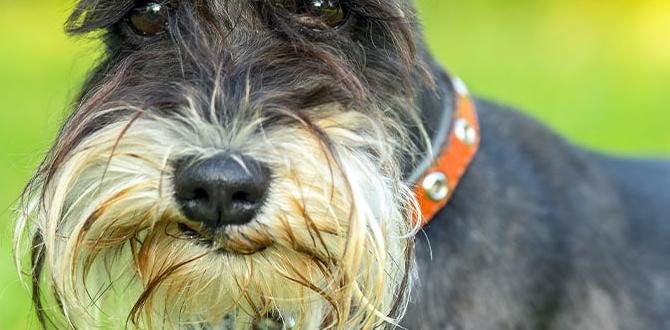
Schnauzer Beard Yeast Overgrowth
Schnauzers are known for their unique beard, but did you know it can sometimes develop yeast overgrowth? This condition can cause itching, redness, and odor. Yeast loves warm, moist areas, making the beard a perfect home. Regular grooming and cleaning can help prevent this issue. Keeping your schnauzer’s beard dry and clean not only improves comfort but also keeps them smelling fresh. It’s essential to watch for signs early to ensure your furry friend stays healthy!Identifying the Symptoms of Yeast Overgrowth
Common signs to look for in Schnauzers. Visual indicators and discomfort your Schnauzer might exhibit.Yeast overgrowth can make your Schnauzer uncomfortable. Watch for these signs:
- Itchy Skin: Your Schnauzer might scratch its beard often.
- Redness or Rash: Look for red patches on the skin.
- Bad Odor: A foul smell can come from their beard.
- Excessive Licking: They may lick their face more than usual.
- Swelling: The skin might look puffy or swollen.
These signs can mean your dog has yeast overgrowth. If you notice them, it’s best to talk to a vet.
What should I do if my Schnauzer has yeast overgrowth?
Regular grooming and cleaning your Schnauzer’s beard can help. Products with antifungal ingredients may provide relief.
Causes of Yeast Overgrowth in Schnauzers
Factors contributing to yeast growth in dogs. The role of diet, environment, and genetics.Many factors can cause yeast overgrowth in schnauzers. The dog’s diet plays a big role. Feeding them too many carbs can help yeast grow. Also, the environment matters. A humid or dirty area can lead to problems too. Lastly, some schnauzers may have genetic traits that make them more likely to have yeast issues.
- High sugar foods
- Dirty, moist living spaces
- Genetic predisposition
What are the common causes of yeast overgrowth in schnauzers?
Diet, environment, and genetics are common causes. Proper care and attention can help prevent these issues.
Preventing Yeast Infections in Schnauzers
Tips on maintaining proper hygiene and grooming. Suggested dietary adjustments for prevention.Keeping your schnauzer healthy is important. Start with proper hygiene. Wash their beard regularly to remove food particles. This helps prevent yeast overgrowth. Brushing helps too! Brush their fur to keep it clean and untangled.
Diet matters as well. A balanced diet supports immunity. Choose foods without fillers or artificial ingredients. Adding probiotics can help maintain gut health.
- Regular baths with dog shampoo
- Frequent brushing to reduce moisture
- Healthy, nutritious food
- Consider probiotics for digestion
How can diet help prevent yeast infections in schnauzers?
A healthy diet with fresh ingredients boosts your dog’s immune system. This helps prevent yeast infections by keeping their skin and coat strong.
Treatment Options for Yeast Overgrowth
Home remedies versus veterinary interventions. Recommended medications and treatments available.Dealing with yeast overgrowth in schnauzers can feel like a challenge. First, there are home remedies. Some pet owners swear by using natural oils like coconut or apple cider vinegar. These can help manage the problem at home. However, if things get hairy, it’s best to visit the vet. They can offer strong medications specifically designed to kick yeast to the curb.
Here’s a quick look at some options:
| Treatment Type | Description |
|---|---|
| Home Remedies | Try coconut oil or apple cider vinegar. |
| Veterinary Medications | Prescription antifungals might be needed. |
Remember, addressing yeast overgrowth quickly keeps your schnauzer comfy and happy! Keep an eye out for signs, and you’ll be a yeast-fighting pro in no time!
Long-Term Management and Care
Strategies for ongoing care and prevention. Importance of regular veterinary checkups for Schnauzers.Proper care for your Schnauzer’s beard is essential to prevent pesky yeast overgrowth. To keep things fresh and clean, practice regular grooming and explore some fun strategies like using safe wipes designed for pet faces. Regular veterinary checkups are a must—think of your vet as your furry friend’s dentist, only without the scary tools! These visits help catch any sneaky issues before they become monsters. Plus, keeping track of your pup’s health with a simple care schedule can help avoid those embarrassing ‘beard incidents.’
| Care Strategy | Frequency | Notes |
|---|---|---|
| Grooming | Weekly | Trim to avoid yeast build-up. |
| Vet Checkups | Every 6 months | Stay ahead of health problems! |
| Regular Cleaning | Every 2-3 days | Use wipes or damp cloth. |
FAQs about Schnauzer Beard Yeast Overgrowth
Common questions pet owners have about yeast infections. Clarifications on treatment myths and facts.Curious about schnauzer beard yeast overgrowth? You’re not alone! Many pet owners wonder if their furry friends can get such infections. Common questions revolve around how to spot symptoms and treat them. One myth claims that all infections need strong medications. Nope! Regular cleaning and good hygiene can work wonders. Remember, it’s always better to consult a vet than playing doctor with your schnauzer. Let’s clear up things with a quick table!
| Question | Answer |
|---|---|
| What causes yeast infections? | Moisture and lack of grooming are big culprits! |
| How can I prevent it? | Keep the beard clean and dry! |
| Do all schnauzers get it? | Nope! It varies by dog. |
Conclusion
In summary, schnauzer beard yeast overgrowth can cause discomfort in your pet. It’s important to recognize the signs, like itching or redness. Regular grooming and cleaning can help prevent this issue. If you notice any symptoms, consult your veterinarian for advice. You can also read more about proper care for schnauzers to keep their beards healthy and happy.FAQs
What Are The Symptoms Of Yeast Overgrowth In A Schnauzer’S Beard, And How Can I Identify Them?If your schnauzer has a yeast overgrowth in its beard, you might see some signs. The beard could become very stinky or smelly. You may also notice redness or swelling on the skin. Sometimes, there can be flaky or crusty spots too. If you see these signs, it’s best to talk to a veterinarian for help.
What Causes Yeast Infections In Schnauzers, Particularly In The Beard Area?Yeast infections in schnauzers, especially in their beards, happen when too much yeast grows. This can be caused by moist conditions, like food or water getting stuck in their fur. When this area stays wet, it creates a perfect home for yeast. If you don’t clean their beard, the yeast can grow a lot. Keeping their beard dry and clean can help prevent infections.
How Can I Treat And Manage Yeast Overgrowth In My Schnauzer’S Beard Effectively?To treat yeast overgrowth in your schnauzer’s beard, start by keeping it clean. Gently wash the beard with dog shampoo. You can also use a damp cloth to wipe it daily. Make sure it stays dry after washing, as moisture helps yeast grow. If it doesn’t improve, ask your vet for advice or special medicine.
Are There Specific Shampoos Or Grooming Products Recommended For Preventing Yeast Infections In Schnauzers?Yes, there are special shampoos and grooming products for schnauzers. Look for ones that say “anti-fungal” or “yeast control” on the bottle. These help keep your dog’s skin clean and healthy. Always ask your vet for the best product for your schnauzer. Regular grooming also helps prevent yeast infections.
What Dietary Changes Can Help Reduce The Risk Of Yeast Overgrowth In Schnauzers?To help prevent yeast overgrowth in schnauzers, you can change their diet. Feed them high-quality dog food that has good proteins. Avoid giving them too many carbs like bread or pasta, as yeast loves sugar. Include fresh vegetables, like carrots and green beans, for extra health benefits. Always give them plenty of fresh water, too!