
Cane Corso facts reveal this breed is a loyal, powerful guardian needing informed care and specific insurance coverage. Understanding their traits and financial protection is key for every owner.
Cane Corsos are impressive dogs. They look strong and act protective. Many people are curious about them! If you’re thinking about bringing a Cane Corso into your life, or if you already share your home with one, you’ve come to the right place. It’s easy to feel a bit overwhelmed with all the information out there. But don’t worry! We’re here to break down everything you need to know about these amazing dogs, from their unique characteristics to ensuring you’re financially prepared for their well-being. We’ll cover essential Cane Corso facts and guide you through the important world of pet insurance.
Understanding the Cane Corso: More Than Just a Big Dog
The Cane Corso, an Italian mastiff, is a breed rich in history and purpose. Originally bred in Italy as estate guardians and athletic hunters, they possess a natural instinct to protect their family and territory. They are intelligent, confident, and deeply loyal to their owners, often forming strong bonds.
Key Cane Corso Characteristics
Let’s dive into what makes a Cane Corso so special:
Loyalty and Affection: Despite their imposing appearance, Cane Corsos are incredibly devoted to their families. They thrive on companionship and often want to be wherever you are.
Protective Nature: This is a breed built for guarding. They have a strong protective instinct, which means early socialization and consistent training are vital to ensure this trait is channeled positively.
Intelligence: Cane Corsos are smart dogs that can learn quickly. They respond well to positive reinforcement training methods.
Energy Levels: While they aren’t hyperactive, Cane Corsos need regular exercise to stay healthy and happy. Daily walks and opportunities to play are a must.
Size and Strength: They are large, muscular dogs. Adult males can weigh between 90-110 pounds (41-50 kg) and stand 25.5-27.5 inches (65-70 cm) tall at the shoulder. Females are slightly smaller.
Temperament and Socialization: Shaping a Well-Adjusted Cane Corso
A Cane Corso’s temperament is heavily influenced by its upbringing. From a young age, consistent, positive exposure to various people, places, sounds, and other animals is crucial. This socialization helps them become well-adjusted, confident adults rather than fearful or overly reactive dogs.
Early Socialization: Introduce your puppy to different environments and people safely. Puppy classes are an excellent way to start.
Consistent Training: Positive reinforcement training methods work best. Use treats, praise, and play to reward good behavior. Even experienced owners can benefit from professional guidance. For more on effective training, check out resources from the American Kennel Club (AKC).
Leadership: Cane Corsos are confident dogs and need a firm, patient, and consistent leader. They respect clear boundaries and fair rules.
Cane Corso Health Considerations

Like all breeds, Cane Corsos can be prone to certain health issues. Being aware of these potential problems allows you to be proactive in your dog’s care.
Common Health Concerns
Some health issues that can affect Cane Corsos include:
Hip and Elbow Dysplasia: This is a common condition in large breeds where the hip or elbow joint doesn’t develop properly, leading to pain and arthritis.
Bloat (Gastric Dilatation-Volvulus – GDV): This is a life-threatening condition where the stomach fills with gas and can twist, cutting off blood supply. Deep-chested breeds like the Cane Corso are at higher risk.
Eye Conditions: Certain eye problems, such as entropion (eyelid rolling inward) and ectropion (eyelid rolling outward), can occur.
Heart Conditions: Some Cane Corsos may be predisposed to certain heart issues.
Allergies: Skin allergies are not uncommon and can manifest as itching, redness, or infections.
Preventative Care and Regular Vet Visits
The best approach to your Cane Corso’s health is preventative.
Annual Check-ups: Regular visits to your veterinarian are essential for monitoring overall health, vaccinations, and early detection of any issues.
Balanced Diet: Feed your Cane Corso a high-quality dog food appropriate for their age and activity level. Avoid overfeeding, which can exacerbate joint problems.
Regular Exercise: Keep your dog active, but avoid strenuous exercise for developing puppies, especially after meals to reduce bloat risk. Take your dog for walks and play sessions.
Grooming: While they don’t require extensive grooming, regular brushing helps with shedding and allows you to check for any skin issues or parasites.
The Importance of Cane Corso Insurance
Owning a dog is a joyous experience, but unexpected accidents or illnesses can lead to significant veterinary bills. This is where Cane Corso insurance becomes invaluable.
What is Pet Insurance?
Pet insurance is a type of insurance policy that helps cover the costs of veterinary treatment for your pet. It works similarly to health insurance for humans, where you pay a premium, and the insurance company reimburses you for eligible veterinary expenses.
Why is it Essential for Cane Corsos?
Given their potential for certain health issues and their substantial size, Cane Corsos can incur higher veterinary costs.
Prevalence of Breed-Specific Issues: As mentioned, hip dysplasia, bloat, and other conditions can require expensive surgical interventions or long-term treatment.
Size Means Higher Costs: Medications, anesthesia, and surgical procedures often cost more for larger breeds due to the increased dosage or duration of treatment.
Unexpected Accidents: Even the healthiest dog can have an accident. A broken bone or ingestion of a foreign object can quickly lead to thousands of dollars in vet bills.
Peace of Mind: Knowing you have insurance can alleviate financial stress during a difficult time, allowing you to focus on your dog’s recovery.
Types of Pet Insurance Plans
Most pet insurance providers offer a few different types of plans:
Accident-Only: Covers injuries resulting from accidents. This is typically the most affordable option.
Accident and Illness: Covers both accidents and a wide range of illnesses, from infections to chronic conditions. This is the most comprehensive and popular type.
Wellness Plans: Some providers offer add-on wellness plans that can help cover routine care like vaccinations, flea and tick prevention, and annual check-ups. These are often separate from accident and illness coverage.
What to Look for in a Policy
When choosing an insurance policy for your Cane Corso, consider these factors:
Coverage Limits: Does the policy have annual or per-incident limits? Unlimited coverage can offer the most security for breeds prone to chronic or severe conditions.
Deductibles: This is the amount you pay out-of-pocket before the insurance coverage kicks in. Options usually range from $100 to $1000+.
Reimbursement Levels: Policies typically reimburse a percentage of your vet bill, commonly 70%, 80%, or 90%.
Waiting Periods: Be aware of any waiting periods after you purchase the policy before coverage begins for accidents, illnesses, or specific conditions.
Exclusions: Every policy has exclusions. Common ones include pre-existing conditions, cosmetic procedures, and breeding costs. Carefully review what is not covered.
Age Restrictions: Some policies have upper age limits for enrollment, or premiums may increase significantly for older pets.
Customer Reviews and Reputation: Look for providers with a good track record and positive customer feedback.
How Pet Insurance Works: A Simple Process
1. Choose a Provider & Plan: Research and select an insurance company and coverage plan that best suits your needs and budget.
2. Enroll Your Pet: Provide your dog’s breed, age, and sometimes medical history during enrollment.
3. Pay Your Premium: Make regular payments (usually monthly).
4. Visit Your Vet: When your dog needs treatment, you typically pay your veterinarian first.
5. Submit a Claim: You then submit your vet bill and a claim form to the insurance company.
6. Get Reimbursed: The insurance company reviews your claim and sends you a reimbursement for eligible expenses, minus your deductible and co-pay.
Cane Corso Training and Socialization Strategies

Training and socialization are not just optional for Cane Corsos; they are foundational to responsible ownership. A well-trained and socialized Cane Corso is a confident, happy, and safe companion.
The Pillars of Cane Corso Training
1. Positive Reinforcement: This method focuses on rewarding desired behaviors. It builds a strong bond between you and your dog and makes training enjoyable. Rewards can include treats, praise, toys, or petting.
2. Consistency: Everyone in the household must be on the same page. Using the same commands and enforcing the same rules consistently is key to preventing confusion.
3. Early Start: Begin training and socialization as soon as you bring your puppy home. Basic obedience commands like “sit,” “stay,” and “come” are essential safety tools.
4. Professional Guidance: Don’t hesitate to enroll in puppy classes or seek out a certified professional dog trainer. They can offer invaluable support and tailor techniques to your dog’s needs. For more on reputable trainers, consult organizations like the Certification Council for Professional Dog Trainers (CCPDT).
Essential Commands for Your Cane Corso
Sit: A fundamental command for impulse control.
Stay: Crucial for safety, preventing them from bolting into danger.
Come (Recall): Your most important safety command. Practice this in various environments.
Down: Helps with relaxation and obedience.
Leave It: Essential for preventing them from picking up harmful objects.
Socialization: More Than Just Meeting Other Dogs
Socialization isn’t just about letting your dog sniff another dog. It’s about exposing them to a wide range of positive experiences to build their confidence and prevent fear-based reactions later in life.
People: Safely introduce them to people of all ages, appearances, and types of movement.
Environments: Expose them to different sights, sounds, and smells. Car rides, walks in different neighborhoods, and quiet trips to pet-friendly stores are great.
Other Animals: Supervised and positive introductions to well-behaved dogs and other pet species are beneficial.
Objects/Surfaces: Let them walk on different textures, see unusual objects, and hear various noises.
Cane Corso Diet and Nutrition
Providing your Cane Corso with the right nutrition is crucial for their health, energy levels, and overall well-being. Due to their size and growth rate, their dietary needs evolve as they age.
Choosing the Right Food
Puppies (Under 18 Months): Puppies need food specifically formulated for large breeds. These diets are designed to control growth and prevent orthopedic issues like hip and elbow dysplasia. They have controlled levels of calcium and phosphorus.
Adults: Once your Cane Corso reaches maturity, switch to a high-quality adult dog food. Look for foods with a quality protein source as the first ingredient (e.g., chicken, beef, lamb, fish).
Senior Dogs: As your dog ages, they may benefit from a senior formula that supports joint health and is often lower in calories to prevent weight gain.
Key Nutritional Components to Look For:
Protein: Essential for muscle development and repair.
Fat: Provides energy and supports skin and coat health. Essential fatty acids (Omega-3 and Omega-6) are important.
Carbohydrates: Provide energy. Whole grains and vegetables are good sources.
Vitamins and Minerals: Crucial for all bodily functions.
Feeding Guidelines
Portion Control: Follow the feeding guidelines on the dog food packaging, adjusting based on your dog’s activity level, age, and metabolism. It’s better to err on the side of caution and monitor your dog’s body condition.
Feeding Schedule: Establish a consistent feeding schedule, usually two meals a day for adult dogs. This helps with digestion and house-training.
Avoid Overfeeding: Obesity puts extra strain on your Cane Corso’s joints and can lead to other health problems. You should be able to feel their ribs under a thin layer of fat, and they should have a visible waist from above.
Water: Always ensure fresh, clean water is available.
Foods to Avoid
Some human foods are toxic to dogs and should be strictly avoided:
Chocolate
Grapes and raisins
Onions and garlic
Xylitol (an artificial sweetener found in sugar-free gum and candy)
Alcohol
Bones (cooked bones can splinter)
A balanced diet, combined with appropriate portion control, is fundamental for a healthy and long life for your Cane Corso.
Cane Corso and Outdoor Activities
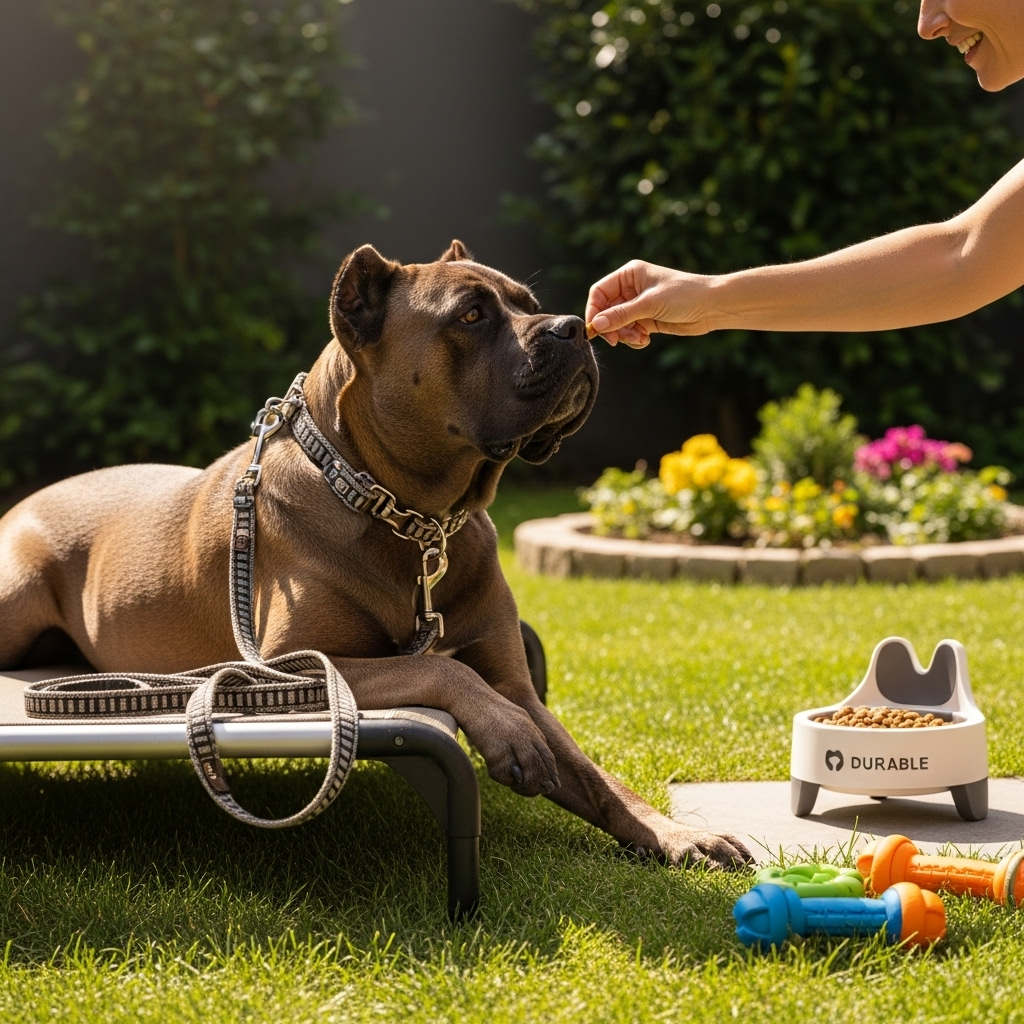
Cane Corsos enjoy being active with their families. They can be great companions for various outdoor pursuits, provided their needs and limitations are respected.
Suitable Activities
Walking and Hiking: Regular walks are excellent for their physical and mental health. Longer hikes in nature can be very rewarding for both you and your dog. Ensure they are on a leash, especially in areas with wildlife or other people.
Yard Play: A securely fenced yard allows them to run and play safely. Fetching a ball or a sturdy chew toy can be a great way to expend energy.
Swimming (with caution): Some Cane Corsos enjoy swimming, but always supervise them closely as not all dogs are natural swimmers, and their body type can make it challenging. Always ensure water safety.
Dog Sports (with guidance): With proper training, some Cane Corsos may excel in certain dog sports like obedience trials or agility, though their size might limit participation in some areas.
Safety Precautions for Outdoor Adventures
Leash Control: Always keep your Cane Corso on a leash when outside your yard, especially in public areas or near roads. This is crucial for their safety and the safety of others.
Hydration: Always carry water for your dog, especially on longer outings or during warm weather.
Weather Awareness: Be mindful of extreme temperatures. Dogs can suffer from heatstroke or frostbite.
Secure Fencing: If you have a yard, ensure it is securely fenced to prevent escape.
Identification: Ensure your dog wears a collar with ID tags and/or is microchipped.
Quick Facts Table: Cane Corso Essentials
| Feature | Description |
| :—————- | :———————————————————————————————————— |
| Origin | Italy |
| Purpose | Estate guardian, hunter, companion |
| Temperament | Loyal, confident, protective, trainable, affectionate with family |
| Size | Large breed; males 90-110 lbs, 25.5-27.5 inches; females slightly smaller. |
| Grooming | Low maintenance; short coat, regular brushing. |
| Exercise Needs| Moderate; daily walks and playtime. |
| Shedding | Moderate |
| Lifespan | 9-12 years |
| Common Health | Hip/Elbow Dysplasia, Bloat, Eye Conditions, Heart Conditions, Allergies. |
| Training Key | Early socialization, consistent positive reinforcement, firm leadership. |
| Insurance | Highly recommended due to breed-specific health risks and potential vet costs. |
Frequently Asked Questions about Cane Corsos

Q1: Are Cane Corsos good family dogs?
Yes, Cane Corsos can be excellent family dogs when properly socialized and trained. They are deeply loyal and protective of their families, including children. However, supervision around very young children is always recommended, as with any large, powerful breed.
Q2: Are Cane Corsos aggressive?
Cane Corsos are naturally protective, not inherently aggressive. Aggression in any dog is often a result of fear, poor socialization, lack of training, or mistreatment. With responsible ownership, early socialization, and consistent training, they are typically calm, confident, and gentle companions.
Q3: How much exercise does a Cane Corso need daily?
A Cane Corso needs moderate daily exercise. This generally includes one to two good walks per day (30-60 minutes each) and some playtime in a secure area. Mental stimulation through training and puzzle toys is also important.
Q4: What is the biggest risk with a Cane Corso?
One of the biggest health risks is Gastric Dilatation-Volvulus (GDV), commonly known as bloat. This is a life-threatening condition that requires immediate veterinary attention. Other significant considerations are their powerful build, which requires good training and socialization, and potential breed-specific orthopedic issues like hip and elbow dysplasia.
Q5: How much does Cane Corso insurance typically cost?
The cost of pet insurance can vary widely based on factors like your location, the dog’s age, breed, and the coverage level you choose. For a large breed like a Cane Corso, you might expect premiums to range from $40 to $90+ per month for comprehensive accident and illness coverage. It’s best to get quotes from several providers to compare.
Q6: Should I get pet insurance for my Cane Corso puppy or an adult?
It is generally best to get pet insurance for your Cane Corso as a puppy. This ensures