
Getting a puppy is exciting, but potty training can feel tricky. Have you ever walked in on a messy surprise? It happens to so many new puppy owners. The good news is that with the right tips, you can tackle this challenge. What if you could teach your puppy to go outside quickly? Imagine no more accidents around the house.
Did you know that most puppies can learn to potty outside by 4 to 6 months old? That means patience and consistency can lead to success faster than you think. Every puppy is different, but love and care go a long way. The journey to potty training may have bumps, but it can also be fun.
In this article, we will share useful puppy potty training tips. These tips will help you create a happy home. Are you ready to start this adventure with your furry friend?
Effective Puppy Potty Training Tips For New Pet Owners
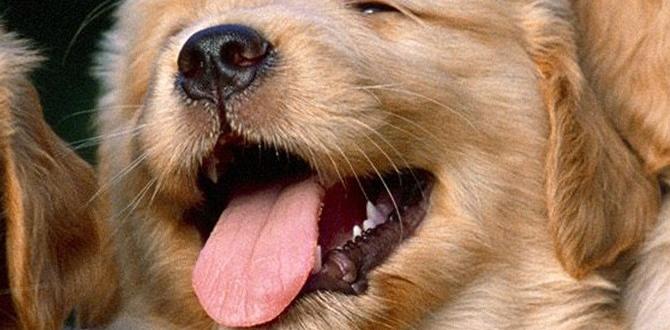
Puppy Potty Training Tips
Potty training your puppy can seem hard, but it’s simple with the right tips. Start by setting a routine. Take your puppy outside after meals and naps. Use a command word like “go potty” to signal them. Always reward successes with treats and praise. Did you know puppies have small bladders? They often need to go outside every hour! Be patient, stay consistent, and soon your puppy will learn to potty outside like a champ.Understanding Your Puppy’s Needs
Importance of recognizing natural behaviors. Common potty schedules for puppies by age.Every puppy has their own needs. Recognizing these natural behaviors helps in effective potty training. Puppies often signal when they need to go outside. Watch for signs like sniffing or circling.
A common potty schedule for puppies varies by age:
- 8-12 weeks: Every 1-2 hours
- 3-6 months: Every 3-4 hours
- 6 months and older: Every 4-6 hours
Understanding these patterns creates a healthier routine for your puppy. It makes potty training easier and more effective.
What are important signals from my puppy?
Puppies may whine, bark, or look for a door when they need to potty. Notice these actions to help them succeed in potty training!
Essential Supplies for Potty Training
Recommended items: pads, crates, and cleaning products. Choosing the right location for potty training.Potty training a puppy is easier with the right gear. Make sure to grab some potty pads. They help catch those little accidents. A crate is also a must; it keeps your pup safe and teaches them not to go inside. Lastly, stock up on cleaning products. Trust us, when a puppy has to go, it’s like a tiny race against time!
| Essential Items | Purpose |
|---|---|
| Potty Pads | Absorb accidents while training |
| Crate | Provides a safe space and teaches boundaries |
| Cleaning Products | Help eliminate smells, keeping the house fresh |
Choosing the right spot for potty time is key. Select a quiet place outdoors. This helps your puppy focus and makes it easier for them to understand what to do. Remember, patience is important! Soon enough, your pup will be a potty pro!
Establishing a Potty Training Routine
Setting consistent feeding and potty times. Creating a structured schedule to encourage good habits.Creating a potty training routine can make your life easier and help your puppy learn faster. Set regular feeding times. Puppies thrive on schedule and a full belly usually means it’s potty time soon!
Try this simple timetable:
| Time | Activity |
|---|---|
| 7:00 AM | Breakfast |
| 7:30 AM | Potty break |
| 12:00 PM | Lunch |
| 12:30 PM | Potty break |
| 5:00 PM | Dinner |
| 5:30 PM | Potty break |
By sticking to a schedule, your puppy will learn quickly when to expect potty time. Remember, consistency is key. Plus, getting outside is a great excuse for a little puppy fun! Who doesn’t want to see their furball do the “potty dance”?
Positive Reinforcement Techniques
Utilizing treats and praise for successful potty trips. Timing rewards effectively to reinforce behavior.Using treats and praise can turn potty time into a party! Every time your puppy successfully goes outside, reward them with a tasty treat or some enthusiastic words. You could say, “Good job!” or “You’re a superstar!” Timing is key; reward them right after they go, so they make the connection. Check out the table below for a quick guide:
| Action | Reward Timing |
|---|---|
| Puppy goes outside | Immediately after |
| Puppy sits by the door | Before going out |
| Puppy barks to go out | As soon as they bark |
As dog trainers say, “A happy puppy is a trained puppy!” So, keep it fun and rewarding!
Common Challenges and How to Overcome Them
Addressing accidents and their implications. Dealing with outdoor potty training difficulties.Accidents are part of puppy potty training. It’s important not to punish your puppy for mistakes. Instead, clean up spills quickly and calmly. This helps avoid confusion. Outdoor training can be tricky too. Watch for your puppy’s signs, like sniffing or circling. Always reward them after they go outside. This reinforces good habits.
What should I do if my puppy has an accident indoors?
Don’t panic! Accidents happen. Clean the area well to remove smells. This will help prevent future accidents.
How do I handle outdoor potty training struggles?
- Be patient and stick to a schedule.
- Take your puppy out after playtime or meals.
- Stay outside until they do their business.
- Use praise and treats after they go.
Potty Training Techniques: Indoor vs. Outdoor
Comparison of indoor training methods (e.g., pads vs. pet litter). Best practices for outdoor potty training.Puppy potty training can be done indoors or outdoors. Indoor methods include pads and pet litter. Potty pads are easy to use and clean, while pet litter mimics outdoor spots. Both help with accidents. Outdoor training gets pups outside with positive reinforcement, like treats. Here are some tips:
- Take your puppy out often, especially after meals.
- Use commands to teach your puppy where to go.
- Reward with praise and treats right away.
Choosing the right method helps puppies learn faster.
How do I potty train my puppy indoors?
The best way is to use potty pads or pet litter for indoor training.
What are the best practices for outdoor potty training?
Take your puppy outside on a leash and use a specific command. Reward them right after they go.
When to Seek Professional Help
Signs that your puppy may need additional support. Resources for finding a professional trainer or behaviorist.Sometimes, puppies need extra help with potty training. If your furry friend still has accidents after a few months, it might be time to call in the pros. Look for signs like constant barking or anxiety. Those could mean they need a specialist. You can find a trainer or behaviorist by checking local pet stores or websites. Remember, a little guidance goes a long way, just like how you can’t teach a goldfish to fetch!
| Signs Your Puppy Needs Help | Where to Find Help |
|---|---|
| Frequent accidents | Local pet stores |
| Behavioral problems | Online directories |
| Severe anxiety | Veterinary offices |
Maintaining Consistency and Patience
Importance of remaining calm during setbacks. Longterm strategies for reinforcing good potty habits.Training a puppy can feel like herding cats—impossible! However, staying calm during slips is key. Remember, puppies don’t come equipped with a “potty manual.” When accidents happen, take a deep breath and laugh it off. Consistency is your secret weapon; stick to a routine. Over time, your puppy will connect the dots and understand where to go. Plus, rewarding good behavior makes them feel like a superstar!
| Strategy | Tip |
|---|---|
| Stay Calm | Accidents happen! A calm approach helps your puppy learn faster. |
| Consistent Schedule | Take your puppy out at the same times every day for best results. |
| Positive Reinforcement | Celebrate success with treats and praise—puppies love being heroes! |
In time, your little buddy will nail potty training like a pro, and you’ll be the proud parent of a house-trained pup!
Conclusion
In conclusion, puppy potty training takes patience and consistency. Use positive rewards for good behavior and set a routine. Take your puppy out frequently to reduce accidents. Remember, mistakes happen—it’s part of learning. Keep practicing, and you both will succeed! For more tips, consider reading training guides or talking to a vet for extra help. You got this!FAQs
What Age Is Ideal For Starting Puppy Potty Training?The best age to start potty training a puppy is when they are about 8 weeks old. At this age, they can learn quickly. You should take them outside often, especially after eating or playing. Being consistent helps them understand where to go. Remember to be patient and give them lots of praise!
What Are The Most Effective Methods For Teaching A Puppy To Go Outside?To teach your puppy to go outside, take them out often, especially after eating or playing. Use a special word, like “outside,” so they know what you mean. When they go potty outside, praise them and give them a treat. It’s also helpful to have a regular schedule for going outside. Be patient and consistent, and your puppy will learn quickly!
How Can I Recognize The Signs That My Puppy Needs To Go Potty?You can recognize when your puppy needs to go potty by watching for certain signs. If your puppy sniffs around, circles, or whines, that’s a clue. Sometimes, they might even pause their play and look at you. If your puppy suddenly runs to the door, they probably want to go outside. Make sure to take them out quickly!
What Should I Do If My Puppy Has Accidents Indoors?If your puppy has accidents indoors, don’t get mad. Clean up the mess right away so it doesn’t smell. Take your puppy outside more often. When they go potty outside, give them a treat and praise them. This helps them learn where to go!
How Often Should I Take My Puppy Outside For Potty Breaks During The Training Process?You should take your puppy outside every one to two hours. After eating, drinking, or playing, take them out quickly. Puppies usually need to go potty after waking up, too. Praise them when they go outside! This helps them learn and feel happy about going out.