
Cataracts in huskies can be a surprising challenge for dog owners. Imagine your playful husky struggling to see clearly. It’s a heartbreaking thought, isn’t it? Just like people, dogs can develop cataracts, which makes their vision cloudy.
Did you know that cataracts can form in dogs as they age? This is especially true for certain breeds, including our beloved huskies. They love to run and play outside, but cataracts can slow them down.
Have you noticed your husky bumping into things or hesitating before jumping? These could be signs of cataracts. Taking action early can help your furry friend continue to enjoy life.
In this article, we will explore cataracts in huskies. We’ll discuss how to spot them, what causes them, and what you can do. Let’s dive into this important topic and keep our huskies healthy and happy!
Understanding Cataracts In Huskies: Causes And Treatment Options
Cataracts in Huskies
Cataracts can cloud a husky’s vision, making it hard for them to see. Did you know that this eye issue is common in older dogs? Symptoms often include cloudy eyes and difficulties with night vision. Regular vet check-ups can help catch cataracts early. Treatment options exist, and many huskies continue to lead active lives despite this condition. Keeping an eye on your pet’s vision can ensure they stay happy and healthy!Understanding Cataracts in Huskies
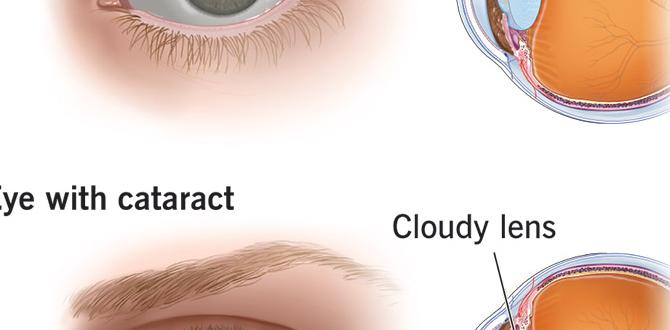
Definition and types of cataracts. Symptoms to look for in Huskies.Cataracts can be a bit like a cloudy day in your husky’s eyes. They form when the lens of the eye becomes blurry. There are several types of cataracts, including congenital cataracts, which are present at birth, and age-related cataracts that appear as your furry friend gets older. It’s important to keep an eye out for signs of cataracts, such as cloudy or bluish eyes, trouble seeing at night, or frequent bumping into things. If your husky starts acting like they’ve lost their glasses, it’s time for a vet visit!
| Type of Cataract | Description |
|---|---|
| Congenital | Present at birth, often affecting young pups. |
| Age-related | Develops as your husky ages; common in senior dogs. |
| Secondary | Caused by other health issues like diabetes. |
Causes of Cataracts in Huskies
Genetic predisposition in Siberian Huskies. Environmental factors contributing to cataract development.Huskies can develop cataracts for a few reasons. Genetics plays a big role. Some huskies are born with genes that make cataracts more likely. Their family history matters a lot. Also, environmental factors can contribute. Things like poor nutrition and bright sunlight can damage their eyes. Here are some common causes:
- Inherited traits from parents
- Age-related changes
- Exposure to UV light
- Poor diet or health issues
By understanding these causes, you can help your husky stay healthy!
What are some symptoms of cataracts in huskies?
Common symptoms include cloudy eyes, trouble seeing, and changes in behavior. If your husky bumps into things or seems disoriented, it’s time to visit a vet.
Diagnosis of Cataracts in Huskies
Veterinary examination procedures. Importance of early detection.To spot cataracts in huskies, a vet performs a few tests. They look inside your pup’s eyes, checking for cloudy areas that shouldn’t be there. This is like an eye exam but for your furry friend! Early detection is super important. If caught early, dogs have a better chance at retaining their vision. Remember, the sooner you act, the better. Don’t let the rug rats trip over invisible obstacles!
| Procedure | Purpose |
|---|---|
| Visual Exam | Check for cloudiness |
| Pupil Reaction Test | Assess overall eye health |
Treatment Options for Cataracts in Huskies
Surgical procedures and success rates. Nonsurgical management strategies.Huskies with cataracts can see better with help! There are two main treatment routes. First, surgery is a popular choice. This can truly clear up their view, with success rates around 90%! However, not all pups make good candidates for the knife.
For those huskies that can’t have surgery, there are nonsurgical options. These may include special eye drops and regular vet check-ups, keeping the condition from getting worse. It’s like giving your furball a pair of stylish glasses, just without the frames!
| Treatment Type | Success Rate |
|---|---|
| Surgical Procedures | 90% |
| Nonsurgical Management | Variable |
Preventing Cataracts in Huskies
Recommended dietary and lifestyle practices. Regular veterinary checkups and eye examinations.To help prevent cataracts in huskies, diet and lifestyle are important. Feed your dog high-quality food that includes vitamins. Nutrients like omega fatty acids and antioxidants can support eye health. Regular exercise keeps them fit and happy too.
Veterinary checkups are crucial for catching problems early. Schedule eye exams to check for any signs of cataracts. Your vet can give tailored advice for your husky.
- Feed a balanced diet rich in vitamins.
- Encourage daily exercise for overall health.
- Have regular eye exams with your vet.
How can I keep my husky’s eyes healthy?
You can keep your husky’s eyes healthy through a good diet, regular exercise, and frequent vet visits. This attention can help catch any eye issues early.
Living with a Husky with Cataracts
Adapting home environment for safety. Activities and care considerations for affected Huskies.Making your home safe is key for a husky with cataracts. Begin by removing obstacles. This means moving the coffee table, which may double as a tripping hazard. Use colorful tape to mark stairs and slippery spots. Then let your pup explore during quiet times, so they learn their way around. Activities should focus on gentle play and training. Huskies love tug-of-war, just be ready for a surprise doggy tackle!
| Activity | Description |
|---|---|
| Gentle Walks | Short, calm walks help keep your husky fit without overwhelming them. |
| Tug-of-War | A fun and interactive game that boosts confidence. |
| Obstacle Courses | Set up soft obstacles to encourage exploration in a safe space. |
Always supervise and keep the mood light. A happy husky is a friendly husky! Remember, staying patient is key. With a helpful hand, your husky can adapt to life with cataracts and remain the energetic buddy you love.
Resources and Support for Husky Owners
Veterinary associations and groups focused on eye health. Online forums and communities for sharing experiences.If you’re a husky owner, you’re not alone! Many others share your journey. There are excellent resources to help you with any eye health questions, especially about cataracts in huskies. Veterinary associations, like the American Kennel Club, offer great information on eye care. You can also join online forums, where folks swap stories and solutions. Remember, sharing is caring, and sometimes all it takes is a good joke to lighten the mood. Here’s a quick look:
| Resource | Description |
|---|---|
| Veterinary Associations | Focus on eye health, provide tips, and answer your questions. |
| Online Forums | Connect with other husky owners and share experiences. |
So, don’t hesitate to dive into these resources. They can help you keep your furry friend’s eyes shining bright!
Conclusion
In summary, cataracts can affect huskies, leading to cloudy vision. You might notice your dog struggling to see clearly. Regular vet check-ups are important to catch these issues early. If you suspect cataracts, talk to your veterinarian. They can help you understand treatments. Learning about your dog’s health is always a good idea. Explore more about husky care to keep your furry friend happy!FAQs
What Are The Common Signs And Symptoms Of Cataracts In Huskies?Cataracts in Huskies can make their eyes cloudy or blurry. You might notice them bumping into things or having trouble seeing at night. They may squint or seem confused. If you see any of these signs, it’s important to take them to the vet. They can help your dog feel better!
How Do Genetic Factors Influence The Development Of Cataracts In Siberian Huskies?Genetic factors can play a big role in whether a Siberian Husky develops cataracts. If their parents had cataracts, the puppies might get them too. Some genes might make eyes more sensitive and lead to cataracts. So, when you choose a Siberian Husky, it’s good to know their family history. This helps us understand if they might have eye problems later.
What Treatment Options Are Available For Huskies Diagnosed With Cataracts?If your Husky has cataracts, the best option is surgery. A veterinarian can remove the cloudy lens in their eye. This surgery helps them see better. Sometimes, special eye drops can help, but they don’t always work. Always talk to your vet about the best choice for your dog.
How Can Cataracts In Huskies Be Prevented Or Managed Through Regular Veterinary Care?You can help prevent cataracts in Huskies by taking them to the vet for regular check-ups. The vet can spot early signs of eye problems. They might suggest good food and supplements to keep your dog’s eyes healthy. If your Husky already has cataracts, the vet can discuss treatment options to help manage them. Regular care is important for your dog’s eyes!
Are Certain Diets Or Supplements Known To Help Maintain Eye Health And Prevent Cataracts In Huskies?Yes, certain diets and supplements can help keep Huskies’ eyes healthy. Foods rich in vitamins A, C, and E are great choices. These vitamins come from colorful fruits and veggies. Some pet doctors also recommend fish oils and antioxidants. It’s good to talk to your vet about the best options for your dog.