Have you ever wondered why your puppy chews on everything in sight? It can be a funny yet frustrating time. Puppy teething behavior can make your shoes, furniture, and even your fingers look like chew toys. But don’t worry! Understanding this behavior is the first step in training your puppy.
Did you know that teething can start as early as three weeks? Just like babies, puppies experience discomfort when their teeth grow in. Instead of blaming your little friend, think about their needs. Puppies need something safe to chew on during this painful time.
Imagine your puppy wrestling with their favorite toy instead of your socks. Sounds better, right? With a little training, you can guide your puppy to choose the right things to chew on. Let’s explore effective training tips that will help you and your puppy through this teething phase. Your furniture will thank you!
Puppy Teething Behavior Training
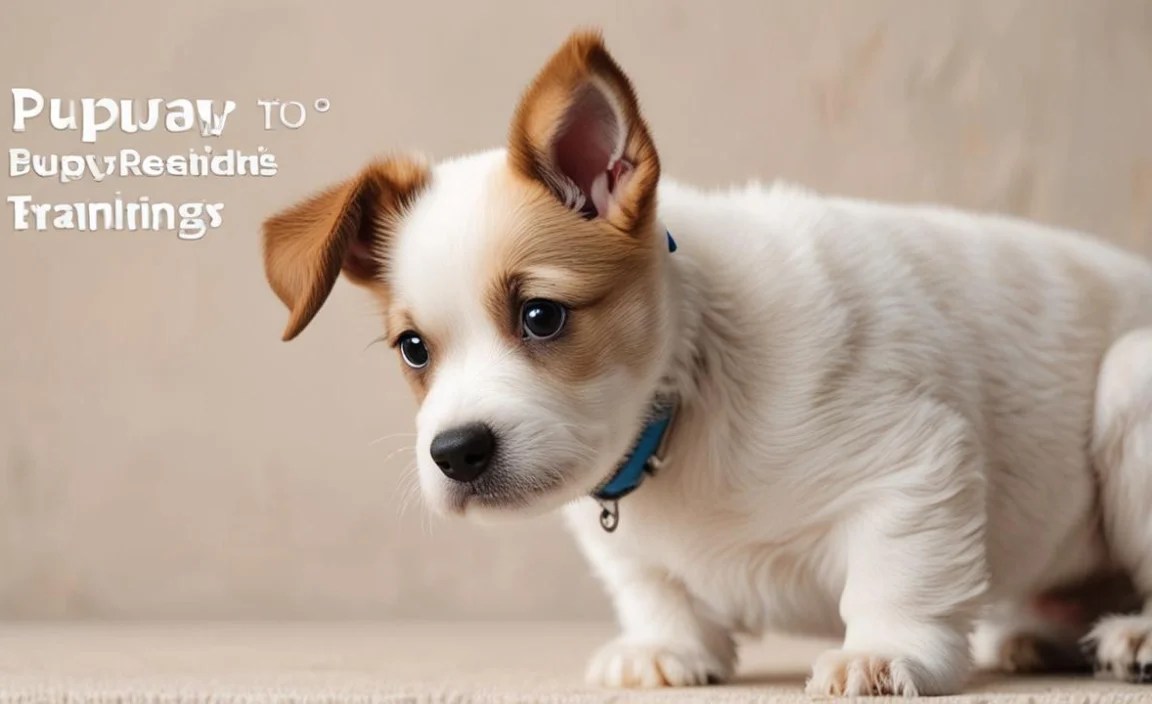
Puppies go through a teething phase just like babies. During this time, they may chew on furniture or shoes. This behavior can be a challenge! Training your puppy helps teach them what is okay to chew. Providing chew toys can ease their discomfort and keep them entertained. Did you know that a puppy’s baby teeth start falling out around four months? Understanding their teething behavior is key to successful training and a happy puppy.
Signs of Teething Pain

Common symptoms indicating discomfort during teething. Behavioral changes to watch for in your puppy.
Puppies, like little drama queens, can show signs of teething pain. Look out for excessive drooling—yep, they might be auditioning for a water park show! Chewing on everything, from toys to your shoes, is another clue. They might even get a bit cranky, causing some puppy mood swings. If they’re biting more than usual or have trouble eating, it’s time to pay attention. Healthy teeth are important, so watch for these signs!
| Symptom | Description |
|---|---|
| Excessive Drooling | Puppies drool more than usual. |
| Chewing | More chewing on toys and unexpected items. |
| Restlessness | Puppy seems fidgety and unable to settle down. |
| Loss of Appetite | Not interested in food like they usually are. |
Training Techniques for Teething Behavior
Effective methods for redirecting chewing behavior. Importance of positive reinforcement during training.
Chewing is a puppy’s favorite hobby, especially during teething! Redirecting that urge to chew can save your shoes. Offer your puppy fun toys instead. Rubber toys and rope bones can keep them busy. Remember to praise them when they chew the right stuff. Positive reinforcement works wonders, like magic for puppies! A treat or a ‘good puppy!’ goes a long way. Training takes time, but soon, you’ll have a well-behaved chewer!
| Chewy Option | Benefit |
|---|---|
| Rubber Toys | Durable and fun! |
| Rope Bones | Great for tugging! |
| Frozen Treats | Soothing for sore gums! |
Establishing a Routine for Teething Relief

Suggested daily schedules to manage teething pain. Activities to keep your puppy engaged during the teething phase.
Having a schedule helps your puppy feel safe and relaxed. It eases their teething pain and keeps them busy. Here’s a fun daily routine that can help:
| Time | Activity |
|---|---|
| 8 AM | Breakfast and a chew toy |
| 10 AM | Short Playtime |
| 12 PM | Nap Time |
| 2 PM | Training Session with Treats |
| 4 PM | More Chewing! |
| 6 PM | Dinner Time |
| 8 PM | Wind Down with Cuddles |
This routine not only helps with pain but also keeps your puppy active and entertained. Think of it as a puppy party planner! Incorporate fun games like fetch or hide and seek, and don’t forget the chewy goodies. Just imagine your pup smiling while playing with their favorite toy, trying to outsmart you. Woof-tastic!
Preventing Destructive Chewing Habits

Tips on puppyproofing your home during teething. Strategies for discouraging unwanted chewing behaviors.
Puppies love to chew, especially when they are teething. To keep your home safe, start by puppy-proofing. It’s like making a tiny, chew-proof fortress! Store shoes, wires, and other temptations in a closet. Give your pup fun toys instead. Chew toys with a bit of squeak are usually a big hit.
| Chew Toy Types | Benefits |
|---|---|
| Rubber Chew Toys | Durable and safe |
| Frozen Treats | Soothes sore gums |
| Interactive Toys | Keeps them busy |
To discourage unwanted chewing, praise your puppy for chewing the right items. Use a firm “no” for wrong choices. Remember, a puppy’s mischief is like a small tornado—chaotic but cute! With patience and some fun toys, you’ll both survive this teething phase.
When to Consult a Veterinarian
Signs that indicate a need for professional advice. Understanding when teething might require medical intervention.
Noticing your puppy is in pain is never fun. Look out for signs like excessive drooling, chewing everything in sight, or whining more than usual. If your furry friend can’t eat, seems overly irritable, or has swollen gums, it might be time to seek help. You don’t want to turn your pup’s chewing spree into a trip to the vet! Remember, even puppies need a professional sometimes. A vet will make sure everything is okay, and they can give you tips for smoother teething at home.
| Sign | What to Do |
|---|---|
| Excessive Drooling | Consult a vet |
| Refusal to Eat | Seek professional advice |
| Swollen Gums | Schedule a vet visit |
Conclusion
In conclusion, understanding puppy teething behavior helps us train our furry friends better. You can provide chew toys to ease their discomfort. Consistency is key to helping them learn. Remember to reward good behavior! For more tips on training your puppy, check out helpful guides online. Let’s make this puppy phase fun and enjoyable for everyone!
FAQs
What Are The Common Signs Of Teething In Puppies, And How Can I Tell If My Puppy Is Experiencing Discomfort?
Puppies often show signs of teething by chewing a lot and playing more than usual. You might notice them drooling or pawing at their mouths. They can also seem a bit grumpier or more restless than normal. If your puppy whines or has trouble eating, they might be in discomfort. Always check with a vet if you’re worried about your puppy!
What Are Some Effective Methods To Alleviate Teething Pain In Puppies While Training Them Not To Chew On Furniture Or Shoes?
To help with teething pain, give your puppy a frozen washcloth to chew on. You can also buy special teething toys that are soft and safe. When your puppy starts chewing on furniture or shoes, gently redirect them to the toys. Always praise them when they chew on the right things. This way, they learn what to chew and feel better too!
How Can I Use Positive Reinforcement To Train My Puppy To Redirect Their Chewing Behavior During The Teething Phase?
You can use positive reinforcement to help your puppy with chewing. First, give them a toy that’s safe for chewing. When they chew on that toy, praise them enthusiastically. You can say things like, “Good dog!” or give them a treat. This way, your puppy will learn to chew on the right things!
What Types Of Toys Or Treats Are Most Beneficial For Teething Puppies, And How Often Should I Provide Them?
Teething puppies need soft toys, rubber bones, and special chew toys. You can also give them frozen treats like ice cubes or frozen dog-safe fruits. These help soothe their sore gums and keep them busy. You can provide these toys and treats several times a day, especially when they seem fussy. Always keep an eye on them to make sure they’re safe!
When Should I Seek Veterinary Advice Regarding My Puppy’S Teething Behavior, And What Are The Potential Issues To Watch For?
You should see a vet if your puppy seems very sad or won’t eat. Also, watch for bleeding gums or if a tooth is stuck. If your puppy is chewing things a lot or acting extra grumpy, that’s a sign too. It’s good to ask for help if you’re worried!


