
Imagine a snowy landscape filled with playful dogs. Among them, the striking Siberian Husky stands out. With its bright blue eyes and fluffy coat, this breed captures hearts. But owning a Siberian Husky is more than just enjoying their beauty. Do you know what it takes to care for these lively companions?
Every dog needs love and attention, but Huskies have unique needs. They are energetic and need plenty of exercise. Did you know they were bred to pull sleds? This history makes them strong and full of endurance. If you want a Husky, you must be ready for their spirited nature.
In this Siberian Husky care guide, we will explore key tips. From their diet to grooming, we’ll cover everything you need to know. Are you ready to learn how to keep your Husky happy and healthy? Let’s dive in!
The Ultimate Siberian Husky Care Guide: Tips And Insights
Siberian Husky Care Guide
Siberian Huskies are beautiful and energetic dogs. They need lots of exercise and mental stimulation. Daily walks and playtime can keep them happy. A proper diet is also important; good quality food helps them stay healthy. Grooming is essential too because they shed quite a bit. Did you know they have a double coat? This helps them stay warm in cold weather. Understanding these needs can make everyone happier, including your furry friend!Understanding the Siberian Husky Breed
Origins and history of the Siberian Husky. Key characteristics and physical traits.The Siberian Husky has an interesting past. They were first bred by the Chukchi people in Siberia. These dogs helped pull sleds and cared for families. Their friendly and playful nature made them great companions. Key characteristics include their thick fur, erect ears, and striking blue or multicolored eyes. They are medium-sized and known for their endurance.
- Origin: Bred by the Chukchi people.
- Weight: Typically between 35-60 pounds.
- Height: Ranges from 20-24 inches tall.
- Fur: Thick double coat for cold weather.
What makes Siberian Huskies unique?
The Siberian Husky stands out due to their friendly and energetic nature. They are known for being good-natured, which makes them popular pets! Did you know they can run up to 28 miles per hour? Their playful spirit keeps them lively and fun-loving!
Nutritional Needs of Siberian Huskies
Recommended diet and food types. Special dietary considerations based on age and activity level.Nourishing a Siberian Husky is like fueling a sleek race car; they need the right stuff to keep zooming! A balanced diet is essential. This includes high-quality dog food that’s rich in protein. Look for meats like chicken or fish as the first ingredient. Puppies and active adults may need more calories. Make sure to add healthy fats too, as they can help with their shiny coats. Watch out for those sneaky treats! Too many can lead to a pudgy pup.
| Age Group | Recommended Food Type | Calories Needed |
|---|---|---|
| Puppy | High-protein kibble | 50-60 kcal/lb |
| Adult | Meat-based diet | 30-40 kcal/lb |
| Senior | Light kibble | 20-30 kcal/lb |
Keeping an eye on their diet is key. A Siberian can be a bit stubborn, so stay strong with your food choices! Remember, a happy husky is a well-fed husky. They deserve the best tasty bites you can find!
Grooming Your Siberian Husky
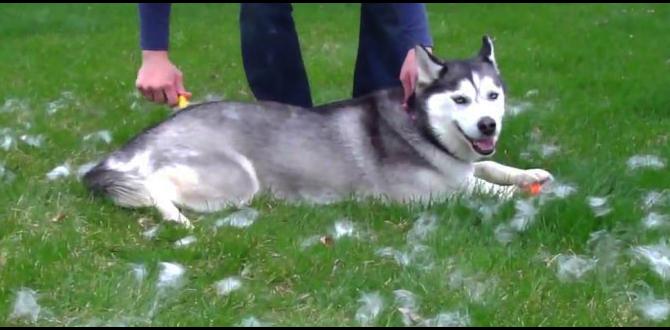
Frequency of brushing and grooming requirements. Bathing tips and skin care.Grooming your Siberian Husky keeps their coat shiny and their skin healthy. Brush your Husky at least 2-3 times a week. This helps reduce shedding. During shedding season, daily brushing is best. Clean their ears and trim their nails regularly to prevent problems.
Bathing should happen every few months or when they get really dirty. Use dog-friendly shampoo to keep their skin smooth. Remember to check for dry skin or irritations. If you notice issues, talk to your vet for help.
How often should you groom a Siberian Husky?
Groom your Husky 2-3 times a week for best results. Brush daily during shedding seasons for a clean coat.
- Brush 2-3 times a week.
- Daily during shedding season.
- Bath every few months.
- Use gentle shampoo.
- Check skin for dry spots.
Exercise and Activity Requirements
Ideal exercise routines for Siberian Huskies. Importance of mental stimulation and playtime.Siberian Huskies are energy-packed pups! They need about 1-2 hours of exercise daily. This can be fun walks, playful runs, or even sledding in the winter. Mix in some games like fetch or tug-of-war to keep things lively. Huskies love to use their brains too! Try puzzle toys or training sessions to keep them sharp. Remember, a tired Husky is a happy Husky, and a happy Husky might not chew your favorite shoes!
| Activity | Duration | Mental Stimulation |
|---|---|---|
| Walks | 30-60 mins | Puzzle toys |
| Runs | 30-60 mins | Training exercises |
| Playtime | 30 mins | Interactive games |
Training Techniques for Siberian Huskies
Basic obedience training tips. Addressing behavioral issues specific to the breed.Training a Siberian husky is important for a happy life together. Start with basic obedience skills like sit, stay, and come. Use rewards such as treats or praise to keep it fun. Address common behaviors like stubbornness by staying patient. Remember, these dogs are playful and smart! Here are some tips:
- Be consistent with commands.
- Use short training sessions.
- Keep it positive and fun.
With love and care, your husky can learn well.
What are effective training methods for Siberian huskies?
Positive reinforcement is very effective. This means rewarding good behavior with treats or praise. It encourages your husky to repeat those behaviors!
Health Care and Common Health Issues
Routine veterinary care and vaccinations. Common health problems and their management.Keeping your furry friend happy means staying on top of their health. Regular trips to the vet are important for checking their overall well-being and keeping vaccines up to date. Think of these visits as a spa day—only with shots!
Common health issues for Siberian Huskies include hip dysplasia and eye problems. If your pup starts limping or squinting, it might be time to consult the vet. Don’t worry too much; many issues can be managed with medication or special diets. Just remember, a healthy husky is a happy husky!
| Health Issue | Management |
|---|---|
| Hip Dysplasia | Weight management & Vet-prescribed meds |
| Eye Problems | Regular vet check-ups & Eye drops |
So, keep those vet appointments, and your Siberian Husky will be barking with joy in no time!
Creating a Safe Environment for Your Husky
Ideal living conditions and space requirements. Safety precautions for outdoor activities.To keep your Siberian Husky happy, give them plenty of space. They love to run and play! A yard that is safely fenced is like a doggy paradise. Don’t forget that these furry athletes can jump high, so your fence should be at least six feet tall. For outdoor adventures, supervision is key. Make sure your pup stays away from busy roads and sharp objects.
| Ideal Space | Outdoor Safety Tips |
|---|---|
| At least 400 square feet | Always supervise outdoor play |
| High, sturdy fences | Avoid busy roads |
| Plenty of room to run | Check for sharp objects |
Creating a safe environment can mean fewer “oops” moments and happier tails!
Socialization and Interaction with Other Pets
Tips for socializing your Husky with other animals. Engaging with children and ensuring positive interactions.Bringing a Siberian Husky into your home is like adding a furry tornado! To make sure your pup plays nicely with other pets, start early. Introduce them slowly, using gentle touches and happy voices. A calm introduction can lead to lifelong friendships. Instead of sitting back and watching, get involved! Playing games together can build bonds. And if you have kids, teach them to give your Husky space, just like you would a grumpy cat. Share the cuddles, and everyone will be wagging their tails!
| Tips for Socializing | Fun Facts |
|---|---|
| Introduce slowly | Huskies love playing! |
| Use happy voices | They are great with kids! |
| Engage in play | They have boundless energy! |
Traveling with Your Siberian Husky
Preparing your Husky for travel. Safety tips for road trips and air travel.Traveling with your Siberian Husky can be a fun adventure! First, prepare your dog for the journey. Let them get used to their travel crate at home. Bring their favorite toys and blankets for comfort. Keep your Husky’s identification tag updated.
Here are some safety tips for the trip:
- Take regular breaks during long drives.
- Keep your dog secured in a crate or with a seatbelt.
- Never leave your Husky alone in a hot car.
- Choose pet-friendly hotels if flying.
What are some tips for flying with a Husky?
Check airline rules first. Some allow pets in the cabin, while others may require them to travel in cargo. Always book a direct flight if possible.
Adoption and Rescue Considerations
Factors to consider when adopting a Siberian Husky. Benefits and challenges of adopting from a shelter vs. breeder.Thinking about bringing a Siberian Husky into your home? That’s exciting! First, consider where to adopt from: a shelter or a breeder. Each choice has its ups and downs. Shelters often have lower fees and many furry friends just waiting for love. However, you might face some extra challenges with unknown health issues. Breeders can provide puppy history and traits, but usually, it costs more. Before you adopt, ask yourself: can you handle shedding? Huskies think they’re part wolf, and they might just howl at the moon!
| Considerations | Shelter Adoption | Breeder Adoption |
|---|---|---|
| Cost | Lower fees | Higher fees |
| Health History | Unknown | Known traits |
| Support | Varied | Guidance available |
Conclusion
In summary, caring for a Siberian Husky means providing good food, regular exercise, and plenty of love. You should groom their fur often and keep their minds busy with fun activities. Start training early and be patient. For more tips, check out a detailed care guide or talk to a vet. Your Husky will be happy and healthy with your care!FAQs
What Are The Basic Grooming Needs Of A Siberian Husky To Keep Their Coat Healthy And Free Of Matting?To keep a Siberian Husky’s coat healthy, you should brush them often. Brushing removes dirt and loose hair. It also stops their fur from tangling or matting. You should bathe them when they get really dirty, but not too often. Regular checking for ticks and dirt is important too!
How Much Exercise Do Siberian Huskies Require Daily, And What Are Some Suitable Activities To Keep Them Engaged?Siberian Huskies need a lot of exercise every day. They should get at least one hour of playtime. You can take them for long walks or runs. Playing fetch or taking them to the dog park is also fun. These activities help keep them happy and healthy!
What Is The Recommended Diet For A Siberian Husky, Including Any Specific Nutritional Needs They May Have?A Siberian Husky needs a balanced diet to stay healthy. You should feed them high-quality dog food made mainly from meat. They also need fat for energy, especially if they exercise a lot. Make sure they get enough vitamins and minerals, too. Fresh water is very important for them every day!
How Can I Effectively Train A Siberian Husky, Considering Their Intelligence And Potential Stubbornness?To train a Siberian Husky, you should make it fun and interesting. Use treats and praise when they do something right. Keep training sessions short, so they don’t get bored. Be patient and stay consistent. Remember, they are smart but can be stubborn, so stay positive!
What Common Health Issues Should Siberian Husky Owners Be Aware Of, And How Can They Be Prevented Or Managed?Siberian Huskies can have some health issues. One common problem is hip dysplasia, which is when their hips don’t fit right. We can help this by keeping them at a healthy weight and exercising them regularly. They may also have eye problems like cataracts. Regular vet check-ups can help spot these issues early.