
If you’re thinking about adopting a husky, you’re in for an exciting journey! Huskies are not just dogs; they are lively companions that bring energy and joy to your home. But wait—are you truly ready for a husky? Before making this big decision, it helps to have a husky adopter checklist.
Picture this: a fluffy pup with bright blue eyes, bounding into your life. It’s thrilling, right? However, these dogs require special care and attention. According to some experts, huskies can be a handful if you’re not prepared. They are smart, active, and sometimes stubborn. So, how can you make sure you’re ready for a husky?
Whether it’s understanding their exercise needs or knowing what foods are best, each step counts. This checklist will help you think through everything before you adopt. Let’s dive deeper into what you need to know to ensure you and your new furry friend have a happy life together.
Essential Husky Adopter Checklist For New Owners
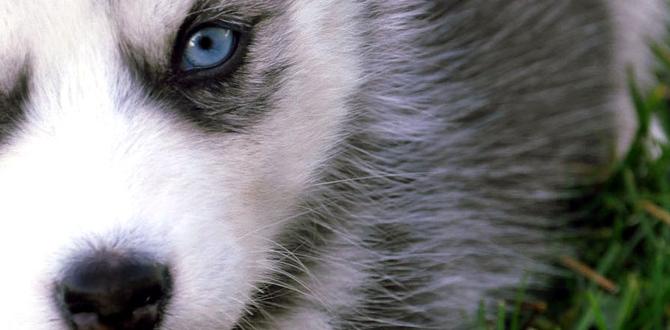
Husky Adopter Checklist
When adopting a husky, preparation is key. You’ll need to think about space, time, and exercise. Huskies are very active dogs. Do you have a big yard for them to run? A checklist helps you remember essentials like food, toys, and a cozy bed. It’s also vital to learn about their grooming needs. Did you know huskies shed quite a bit? Knowing what to expect can make the transition smoother for both you and your new furry friend!Understanding the Siberian Husky Breed
Characteristics and temperament of Huskies. Common health issues associated with the breed.Siberian Huskies are friendly, energetic dogs with striking blue or multi-colored eyes. They are known for their playful spirit and love to howl, which can sometimes sound like they’re trying to sing an opera! Huskies are very social and enjoy the company of people and other pets. However, they can be quite stubborn, making them challenging to train. Common health issues in this breed include hip dysplasia and eye problems, so regular vet check-ups are a must. Here’s a quick health checklist:
| Health Issue | Details |
|---|---|
| Hip Dysplasia | Genetic weakness in hip joints |
| Cataracts | Clouding of the eye lens |
| Progressive Retinal Atrophy | Vision loss over time |
Make sure to keep these traits in mind. After all, adopting a Husky means getting a furry bundle of fun and a bit of noble mischief!
Preparing Your Home for a Husky
Essential supplies: food, toys, and grooming tools. Creating a safe and comfortable living environment.To welcome a husky, you need a few important things. Food is the first. Choose high-quality dog food for a healthy diet. Next, toys are key for fun and exercise. Huskies love to chew and play. Lastly, gather grooming tools, like brushes and nail clippers. A clean husky is a happy husky!
Your home should be a safe and cozy place for your new friend. Remove objects that could harm them. Create a comfy space with a soft bed. Give them access to fresh water and a safe outdoor area.
What supplies do I need for a husky?
You’ll need dog food, toys, and grooming tools to keep your husky happy and healthy.
Essential Supplies:
- High-quality dog food
- Chew toys
- Soft bed for sleeping
- Brush and nail clippers
Time Commitment and Training Needs
Daily exercise requirements and activities for Huskies. Effective training tips for stubborn independent behavior.Huskies need lots of daily exercise! They love to run, play, and explore. Here are some activities to keep them happy:
- Daily walks or runs for at least an hour.
- Interactive games like fetch or tug-of-war.
- Agility training to challenge their minds.
Training these clever pups can be tricky since they can be stubborn. Use positive reinforcement. Always reward good behavior. Be patient and consistent. This builds trust and respect.
How much exercise do Huskies need daily?
Huskies typically need at least two hours of exercise every day. This helps them stay fit and happy.
Tips for Training Independent Behavior
- Use short training sessions.
- Mix up commands to keep it fun.
- Set clear rules so they know what to expect.
Nutrition and Dietary Requirements
Best types of food for Huskies. Understanding portion control and feeding schedules.Huskies need special diets to stay healthy. The best food for them is high-quality dog food, rich in protein. You can choose dry kibble or wet food, but always check the labels. Portion control is key! Feed your Husky twice a day to manage their weight. Too much food can lead to health problems.
Here are some quick tips for feeding:
- Quality matters: Look for food with real meat at the top of the list.
- Avoid fillers: Stay away from foods with a lot of corn or soy.
- Regular feeding times help create a routine.
- Watch their weight and adjust portions if needed.
What should Huskies eat daily?
Huskies should eat 2 to 3 cups of high-quality dog food daily. Split this into two meals. This helps keep their energy up and prevents overeating.
Socialization and Interaction
Importance of early socialization with other pets and people. Activities to engage your Husky and promote bonding.Socializing your Husky is like giving them a VIP pass to the pet party! Early social interactions help them become friendly and well-mannered with people and other pets. Think of it as puppy training with a sprinkle of fun. Explore activities like doggy playdates, trips to parks, or even puppy classes. These bonding moments are crucial! Here’s a quick table of fun ways to play together:
| Activity | Description |
|---|---|
| Fetch | Great for energy burn and fun. |
| Obstacle Course | Build a mini course for training and laughs. |
| Dog Parks | Let them mingle, run, and play! |
Remember, happy Husky equals happy owner. They say, “A dog’s love is only a tail wag away!” So let the bonding begin!
Health Care Essentials
Regular vet checkups and vaccinations specific to Huskies. Grooming practices and seasonal shedding care.Keeping your Husky healthy is very important. Regular vet checkups help find any health problems early. Vaccinations protect your dog from diseases. Huskies need special grooming, especially during shedding season. Brushing their fur helps reduce loose hair. You should also check their ears and teeth often.
- Schedule vet visits at least once a year.
- Ensure vaccinations are up to date.
- Brush your Husky’s coat two to three times a week.
- Use special tools during shedding season.
What vaccines do Huskies need?
Huskies should get vaccines like rabies, parvovirus, and distemper. Talk to your vet to understand the full vaccine schedule.
Adopting vs. Buying from a Breeder
Pros and cons of adoption vs. purchasing from breeders. How to find reputable shelters and rescue organizations.When choosing between adopting a husky or buying from a breeder, both have their own benefits and drawbacks. Adoption can save a life and costs less. However, some shelter dogs may need extra training. Buying from breeders can ensure specific traits, but it may support puppy mills. Always research shelters and rescues for a good fit. Look for reviews and ask questions. You want to trust where your husky comes from.
What should I look for in a reputable rescue organization?
Look for these qualities:
- Good reviews from past adopters.
- Transparency in their rescue process.
- Health checks for dogs.
- Support after adoption.
Legal Considerations and Responsibilities
Understanding local laws regarding dog ownership. Longterm responsibilities of Husky ownership.Owning a husky is exciting, but it comes with rules. First, check your local laws. Some places have special rules about dog breeds. Knowing these can help you avoid fines. Second, think about the long-term duties of husky ownership. Huskies need proper food, exercise, and training. They also thrive in social environments. Here are a few key points to remember:
- Understand breed restrictions.
- Plan for daily exercise.
- Budget for food and vet visits.
- Ensure a safe environment.
- Stay updated on local regulations.
Being a responsible owner is crucial for a happy husky.
What are the responsibilities of owning a husky?
Husky owners must provide proper care, exercise, and training. Regular visits to the vet are also important for health. Socializing your husky helps them stay friendly and happy.
Conclusion
In summary, a husky adopter checklist helps you prepare for your new furry friend. Remember to research the breed, gather supplies, and create a safe space. Choose healthy food and schedule regular vet visits. You need to be active and provide mental stimulation. Now, take these steps to ensure a happy life for your husky, and enjoy your new adventure!FAQs
What Essential Supplies Should I Have Ready Before Bringing A Husky Home?Before you bring a husky home, you need some important supplies. First, get a comfy dog bed for them to sleep on. You will also need food bowls for water and food. Buy high-quality dog food, a collar, and a leash for walking. Don’t forget toys to keep them happy and playing!
How Much Daily Exercise And Mental Stimulation Does A Husky Require?A husky needs a lot of exercise every day. You should take your husky for at least one hour of running or playing. They also love to walk and can go for long hikes with you. Huskies need mental games, too, like puzzles or training. This helps keep their brains happy and sharp!
What Are The Key Traits And Behaviors To Expect From A Husky As A New Pet Owner?Huskies are friendly and love to play. They have lots of energy, so you’ll need to take them for long walks. They can be a bit stubborn, which means they might not always listen right away. Huskies also love to howl, so be ready for some noise! Overall, they are loving pets that enjoy being around people.
Are There Any Specific Dietary Needs Or Restrictions For Huskies That I Should Be Aware Of?Yes, huskies need a balanced diet with lots of protein. They like meat, fish, and some grains. You should avoid giving them chocolate, grapes, or onions because these foods are bad for them. Make sure they have fresh water every day. Always ask a vet if you’re unsure about their food.
What Training Techniques Are Most Effective For Huskies, Considering Their Intelligence And Independent Nature?To train huskies, use positive reinforcement. This means giving treats and praise when they do something right. Keep training sessions short and fun. Use clear commands so they understand what you want. Be patient because huskies can be independent thinkers.