
If you’ve ever seen a husky, you know they are beautiful and strong. But did you know that training them can be a real challenge? Many owners argue about the best way to train their huskies. Should they use a balanced training method or stick to positive reinforcement? This debate has gotten quite heated among dog lovers.
Imagine a husky that pulls on its leash, barking excitedly at every passing squirrel. Frustrating, right? You might wonder what the best approach is to guide such a spirited pup. Some trainers believe in using a mix of methods. Others firmly believe that only positive training works. The discussions often leave people confused.
Did you know that huskies were bred to pull sleds? Their playful energy can make training feel like a tug-of-war. This article dives into the husky balanced training debate. We’ll explore what balanced training really means and why it matters. Let’s learn how to effectively train these captivating dogs together!
The Husky Balanced Training Debate: Insights And Opinions
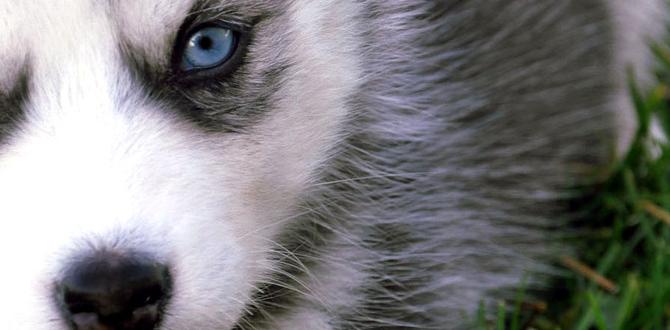
Husky Balanced Training Debate
The husky training debate centers around balancing discipline and encouragement. Many believe the best approach combines positive reinforcement with traditional training methods. For instance, can you imagine a husky responding better when praised for good behavior? Many trainers argue that understanding a husky’s unique personality is vital. Some swear by using treats, while others insist on firmness. What do you think works best? This discussion sheds light on how to train these spirited dogs effectively and lovingly.Understanding the Husky Breed
Origin and characteristics of Siberian Huskies. Common behavioral traits and challenges.The Siberian Husky, with its striking appearance, hails from the cold, snowy regions of Siberia. These dogs were bred by the Chukchi people for pulling sleds and keeping their families warm. Huskies are known for their incredible endurance, thick fur, and beautiful blue or multi-colored eyes. However, their playful spirit can lead to mischief! They are often independent, which can create challenges when training.
| Characteristics | Behavioral Traits |
|---|---|
| Endurance | Playful |
| Thick Coat | Independent |
| Strong Build | Stubborn |
These pups require patience and firm training methods. Despite the challenges, their friendly nature and loving demeanor make them a joy to have around. So, if you choose a husky, get ready for a fun yet challenging adventure!
The Concept of Balanced Training
Definition and principles of balanced training. Advantages of a balanced training approach.Balanced training involves using different methods to train dogs. It combines positive reinforcement, like treats and praise, with corrections when needed. This way, dogs learn good behavior while understanding boundaries. Advantages of this approach include:
- Clear communication between trainer and dog.
- Helps dogs behave well in various situations.
- Promotes a healthy bond between owner and dog.
Overall, balanced training can create happy, well-behaved dogs.
What is balanced training for dogs?
Balanced training is a method that mixes rewards and corrections to teach dogs proper behavior.
Arguments For Balanced Training for Huskies
Improved obedience and adaptability. Positive reinforcement versus negative reinforcement balance.Balanced training methods for huskies can lead to better behavior and flexibility. Using a mix of positive and negative reinforcement helps huskies learn faster and understand boundaries. Picture your pup thinking, “Oh, treats are great, but I better not chew the sofa!” Research shows that dogs trained this way tend to be happier and more obedient. Making learning fun is always the goal; after all, no one likes a boring class, not even your furry friend!
| Training Method | Benefits |
|---|---|
| Positive Reinforcement | Encourages good behavior with rewards |
| Negative Reinforcement | Teaches limits without harsh methods |
Arguments Against Balanced Training for Huskies
Risks of using aversive techniques. Impact on the doghuman relationship.Using aversive techniques in training huskies can lead to serious problems. First, these methods can create fear. Dogs trained this way may become anxious or aggressive. Imagine your husky avoiding you like you ate a whole pizza in one sitting! This tension harms the bond between you and your pup. Studies show positive training leads to happier dogs. So, why risk your furry friend’s happiness?
| Technique | Risk | Impact |
|---|---|---|
| Aversive Methods | Fear and Anxiety | Strained Relationship |
| Positive Reinforcement | Motivation | Strong Bond |
In the end, creating a happy environment is key. Your husky deserves love, not anxiety!
Expert Opinions on Balanced Training
Insights from professional trainers and dog behaviorists. Conflicting perspectives within the training community.Professional trainers and dog behaviorists often have different views about balanced training. Some trainers believe that using both praise and small corrections helps dogs learn best. They say this method makes dogs feel loved while also teaching them the rules. Others argue that corrections can confuse dogs and harm their trust. “A dog learns faster when it feels safe,” says one expert. Both sides make strong points, creating a lively debate! To shed light, here’s a quick comparison:
| Perspective | Key Points |
|---|---|
| Supporters of Balanced Training | Mix of praise and corrections helps learning. |
| Opponents of Balanced Training | Corrections may hurt the dog’s trust. |
Practical Tips for Balanced Training Huskies
Effective techniques and exercises for balanced training. Setting realistic goals and expectations.Training a husky can be fun and rewarding! Start with simple commands like “sit” and “stay.” Practice these regularly. Include playtime—that’s a big motivator for huskies. Remember to set realistic goals. If your husky learns a trick today, celebrate, but don’t expect a magic show tomorrow. Here’s a quick list of effective techniques:
| Activity | Description |
|---|---|
| Agility Training | Set up a fun obstacle course. |
| Socialization | Introduce your husky to other pets and people. |
| Positive Reinforcement | Give treats for good behavior. |
Training might take time, but remember: every wag counts! Keep goals small and celebrate each victory. With patience and fun, you and your husky will shine together!
Real-life Experiences from Husky Owners
Testimonials highlighting the impact of training methods. Lessons learned from training successes and challenges.Many husky owners have stories to share about training their dogs. They find that different methods lead to unique challenges and successes. Testimonials reveal how important training is for a happy husky.
- One owner noted, “Positive training made my husky more eager to learn.”
- Another shared, “Consistency helped my dog improve quickly.”
- Some owners faced tough times, yet learned patience is key.
These experiences remind us that training shapes the bond we have with our pets.
What do husky owners say about training methods?
Many owners believe using positive methods makes training easier and more enjoyable. They also stress the importance of understanding a husky’s spirited behavior. This leads to better communication.
Resources for Further Learning
Recommended books, websites, and courses on dog training. Community forums and support groups for Husky owners.Learning more about training your Husky can be fun and rewarding! Here are some great resources to help you:
- Books: “The Art of Raising a Puppy” by the Monks of New Skete.
- Websites: Check out the American Kennel Club for tips.
- Courses: Online classes like those offered by Udemy can be very helpful.
Connecting with other Husky owners is important too. Join community forums or support groups online. Sharing experiences can make training easier and more fun!
What are some reliable sources for dog training?
Books, websites, and online courses provide effective strategies for training your dog.
Conclusion
In the husky balanced training debate, we learned that positive reinforcement works best. It builds trust and strengthens your bond with your dog. It’s important to mix training methods carefully. Balance is the key to success. You can improve your husky’s behavior with a mix of patience and love. For more tips, check out training books or online resources!FAQs
What Are The Key Components Of A Balanced Training Approach For Huskies, And How Do They Differ From Other Breeds?A balanced training approach for Huskies includes reward-based methods, exercise, and socializing. Huskies are excited and energetic, so they need lots of playtime and walks. You should also use treats and praise when they do well. Unlike some other dogs, Huskies can be stubborn, so patience is very important. Keep training fun and interesting for them!
How Can Positive Reinforcement Techniques Be Incorporated Into Balanced Training For Huskies Without Compromising Discipline?You can use positive reinforcement by giving treats or praise when your Husky does something good. For example, when they sit or come when called, say “good job” and give them a reward. This makes them happy and want to follow commands. You can still set clear rules, so they know what is expected. This way, you keep discipline while also being kind and encouraging.
What Are The Potential Risks Or Drawbacks Of Solely Using Balanced Training Methods For Huskies?Using balanced training methods for Huskies can have some risks. You might hurt your dog’s feelings if you use too much punishment. Huskies are smart and sensitive. If training feels scary, they might stop listening to you. It’s better to mix good rewards with training, so they stay happy and eager to learn.
How Do The Exercise And Mental Stimulation Needs Of Huskies Influence The Effectiveness Of Balanced Training Strategies?Huskies need a lot of exercise and fun activities for their brains. When they don’t get enough of these, they can be naughty or hard to train. If you use balanced training, which mixes rewards and gentle corrections, it works better when Huskies are happy and tired. So, we should give them plenty of playtime and mental games before training. This helps them learn faster and be good dogs!
In What Ways Can Trainers Assess Whether A Balanced Training Approach Is Working For A Husky, And What Signs Should They Look For?Trainers can see if their balanced training works by watching the Husky’s behavior. If the dog responds well to commands, that’s a good sign. We should also look for signs of happiness, like wagging tails and relaxed ears. If the Husky seems calm and follows rules, it shows things are going well. Regular check-ins and some playtime can help too!